
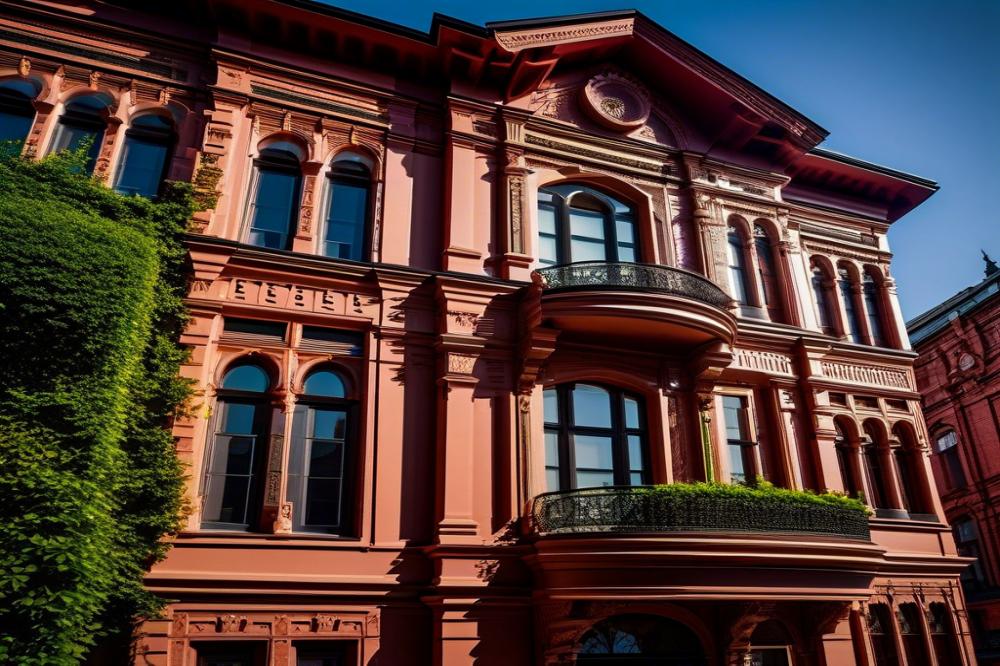
retrofitting Old Buildings for energy efficiency
Overview of the Importance of energy efficiency in Old Buildings
retrofitting old buildings is crucial in today’s world where energy consumption affects our environment. These structures can be energy guzzlers, often wasting valuable resources. Enhancing their performance can lead to significant improvements in sustainability.
Older buildings often lack modern insulation, leading to drafts and high energy bills. Upgrading these homes can create a more comfortable indoor environment. Many can achieve cost savings through better HVAC systems and improved building materials. This isn’t just about the environment; it’s about enhancing living conditions, too.
Moreover, energy audits of these buildings reveal many opportunities for change. With attention to areas that need improvement, homeowners can see a marked reduction in their energy use. Investing in retrofitting not only conserves energy but also makes financial sense.
Impact on the Environment and sustainability
The impact of retrofitting is profound. It helps in reducing carbon footprints considerably. This plays a huge role in combating climate change. As we face environmental challenges, every effort toward sustainability counts.
Upgrading existing buildings reduces the need for new construction, which can be resource-intensive. Simultaneously, it preserves historical architecture, capturing the charm and character of the past. By making these structures more energy efficient, we honor their legacy while securing a sustainable future.
Trends in environmental engineering Related to Retrofitting
Innovation in environmental engineering is changing how we approach building renovation. Today, there’s a growing trend to integrate renewable energy systems into designs. Solar panels and wind turbines can easily complement older buildings.
Furthermore, the use of green building techniques is on the rise. More people now appreciate the balance between preserving history and enhancing performance. By focusing on better insulation and modern technologies, we can ensure that these spaces remain livable and efficient.
Overall, the move towards retrofitting old structures aligns with contemporary values of sustainability and responsibility. Future generations will benefit from decisions made today. Retrofitting isn’t just about fixing; it’s about reimagining how we coexist with our environment while honoring the past.
Understanding Energy Efficiency
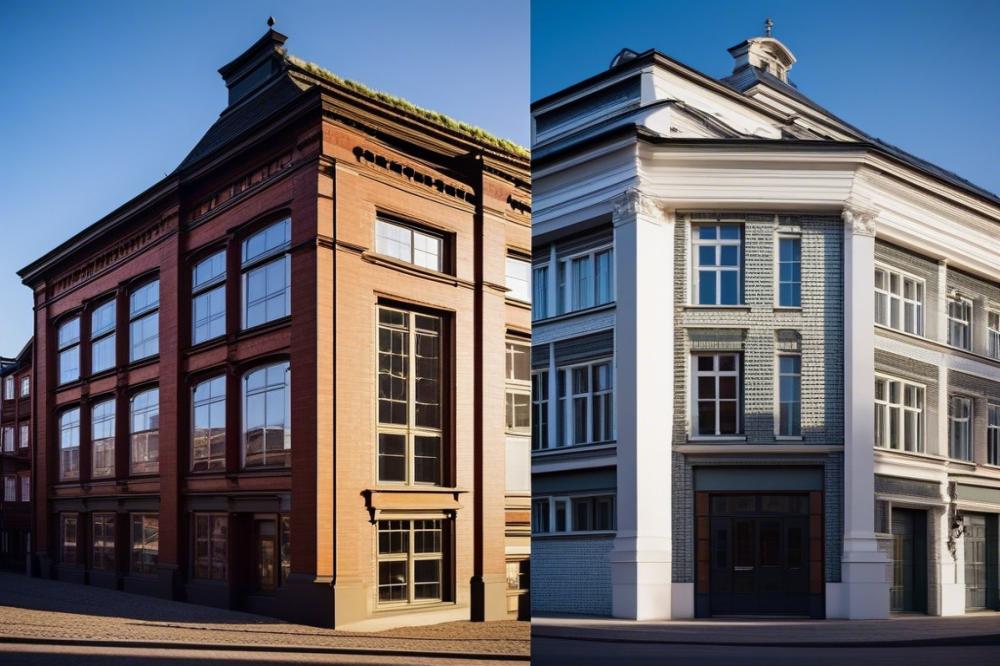
Energy efficiency refers to using less energy to achieve the same level of comfort and functionality. In simpler terms, it’s about getting more out of the energy we use. This concept holds significant importance today. It helps in reducing energy consumption, which can lead to a healthier planet.
Enhancing the energy efficiency of older buildings comes with numerous benefits. First, it leads to cost savings on utility bills. Homeowners and building managers alike can appreciate lower expenses over time. Improved insulation and updated HVAC systems also provide better indoor comfort. Moreover, these upgrades can increase property value and attract more tenants or buyers.
Furthermore, the use of sustainable building materials plays a critical role in this transformation. Applying renewable energy sources, like solar panels, can drastically cut down energy use. At the same time, it supports a move toward green building practices. This is especially valuable in the context of historical preservation. Old structures can be upgraded without losing their unique charm.
Energy audits are vital for identifying areas of improvement. Professionals assess a building’s current energy usage. They pinpoint where energy is being wasted and highlight potential upgrades. Their findings help in making informed decisions. By focusing on specific issues, you can prioritize the most impactful changes. Often, simple modifications can lead to significant enhancements in energy performance.
In summary, understanding energy efficiency is essential in our modern world. By focusing on improvements in older buildings, we enhance comfort while promoting sustainability. Energy audits serve as a roadmap to make our structures better for the environment and our wallets.
Sustainable Building Materials
Retrofitting old buildings for better energy performance often starts with choosing the right materials. Eco-friendly options are becoming popular among builders and homeowners alike. Selecting these sustainable building materials is essential for achieving a dual goal: enhancing efficiency while respecting the environment.
Overview of Eco-Friendly Materials for Retrofitting
Recycled materials are a great option. Many buildings utilize salvaged wood, metal, and bricks. These materials reintroduce value into something that might otherwise go to waste. Other examples include bamboo, which grows quickly and replenishes rapidly. Moreover, green insulation options exist, such as cellulose made from recycled paper. Such choices not only limit environmental impact, but they can also improve indoor comfort.
Importance of Selecting Sustainable Building Materials
Making informed choices about materials impacts everything from construction costs to long-term sustainability. When homeowners invest in energy-efficient insulation and HVAC systems, they often see considerable cost savings during energy audits. These systems work better with eco-friendly materials. Historical preservation adds another layer of importance. Using sustainable materials maintains a building’s character while promoting green building practices. Thus, both modern energy goals and traditional aesthetics can coexist.
Case Studies Showcasing Successful Material Choices
One notable case study involved a 100-year-old school building that prioritized renewable energy solutions. The renovation team focused on high-performance windows and classic stone walls. They used reclaimed wood for interior finishing, making it unique yet functional. Another project highlighted the conversion of an old factory. This site adopted green roofing and natural lighting systems, which drastically improved energy efficiency. Feedback from occupants revealed higher comfort levels and satisfaction with the building’s new look.
Such examples demonstrate the value of strategic material choices in retrofitting. By investing in sustainable approaches, property owners create more than just a visually appealing space. They also contribute positively to their community and environment.
Upgrading Insulation and HVAC Systems
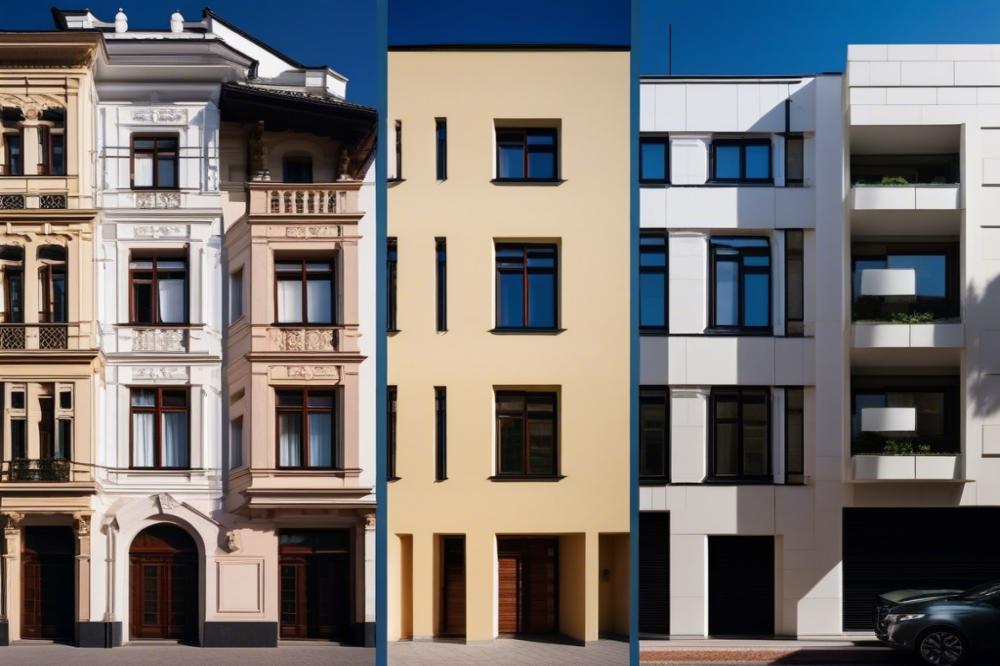
Upgrading insulation plays a pivotal role in energy conservation for older buildings. Proper insulation works as a barrier against heat loss in winter and heat gain in summer. This not only leads to greater comfort indoors but also significantly reduces energy costs. A well-insulated building can maintain a stable temperature, which means less reliance on heating and cooling. Ultimately, this contributes to sustainability and promotes cost savings over time.
Modern HVAC systems are designed not only for efficiency but also for improved indoor comfort. These advanced systems can be equipped with smart controls that adjust temperature based on occupancy and time of day. This flexibility enhances comfort while also minimizing energy waste. Additionally, integrating renewable energy sources like solar panels can further reduce reliance on traditional energy sources, making HVAC systems even more efficient.
Techniques for Upgrading Insulation in Historical Buildings
Historic buildings come with unique challenges when it comes to upgrading insulation. However, various techniques can preserve their character while improving their performance. One method involves using spray foam insulation in attics and crawl spaces. This material can fill gaps and provide a tight seal without altering the building’s visible characteristics. Another technique is adding insulation to walls by employing interior storm windows. They create an insulating air pocket while keeping the original windows intact.
Moreover, energy audits are essential before making any modifications. These assessments identify the areas most in need of improvement. Understanding airflow and thermal performance through an audit leads to targeted upgrades that are both effective and respectful of the building’s history. Additionally, selecting appropriate building materials is crucial. Sustainable options such as cellulose, which is made from recycled paper products, provide insulation without compromising the environment.
By focusing on these upgrades, owners of historical structures can merge the past with the present. Embracing modern technology does not mean sacrificing aesthetics or history. It means creating a home or workplace that honors its heritage while adapting to contemporary needs. Therefore, investing in better insulation and HVAC systems can lead to lasting benefits for both the building and its occupants.
Incorporating Renewable Energy Sources
Options for Integrating Renewable Energy in Retrofits
Integrating renewable energy sources into retrofitting projects opens up exciting possibilities. Solar panels are among the most popular options. They can often be installed on roofs without affecting a building’s historical look. Wind turbines are another choice, though they work best in open areas. Geothermal energy systems can tap into the Earth’s heat. This type of system may require more space but can significantly reduce energy costs. Many retrofitting projects also explore the use of advanced building materials that enhance energy generation. It is essential to consider the building’s unique characteristics when deciding which avenues to pursue.
Benefits of Solar, Wind, and Geothermal Energy Solutions
There are impressive advantages to using solar energy. It provides clean power, which contributes to long-term sustainability. Homeowners can see considerable cost savings over time. Wind energy can also be beneficial but is more site-dependent. Geographic location plays a major role in whether wind turbines will be effective. Geothermal systems offer consistent energy, making HVAC systems more efficient. All these renewable solutions boost indoor comfort while preserving the environment.
Challenges and Solutions in Deploying Renewable Energy
Despite the advantages, some challenges arise in deploying renewable energy. Regulations can make retrofitting complex, especially in areas focused on historical preservation. Securing permits might involve numerous steps, which can deter some projects. Conducting thorough energy audits beforehand can simplify matters. Understanding the building’s needs helps address potential hurdles. Additionally, upfront costs can be a concern. However, many incentives and financing options are available that can help mitigate these expenses. Collaborating with experts can provide fresh insights and streamline the process. A well-planned retrofit project, using renewable sources, can lead to lasting benefits for both the building and its occupants.
Balancing Historical Preservation with Modern Efficiency
Retrofitting old buildings often feels like walking a tightrope. On one hand, there’s a need for sustainability. On the other, historical preservation commands respect. Finding the right strategies to navigate this balance is crucial. It’s possible to give new life to these treasures while maintaining their integrity.
Strategies for Maintaining the Integrity of Historical Buildings
Start with energy audits. They help identify where improvements can be made without altering the building’s appearance. High-quality insulation can be added in ways that do not damage historic features. Consider using HVAC systems designed to fit within the existing spaces, blending innovation with tradition. When choosing building materials, prioritize options that match the original aesthetics. Old materials can sometimes be repurposed, keeping history alive while enhancing energy performance.
Benefits of Retrofitting While Preserving Cultural Heritage
Improving energy efficiency boosts indoor comfort. It results in cost savings for occupants too. An investment in green building practices makes these structures more functional for today’s needs. Each retrofitted building contributes positively to the environment. This helps communities appreciate their cultural heritage while adapting to modern demands. Future generations deserve to witness the craftsmanship of the past while enjoying the conveniences of today.
Examples of Projects Successfully Merging Old and New
Several projects stand out in this area. The Tate Modern in London is one great example. This former power station now showcases contemporary art while incorporating renewable energy. Another noteworthy project is the Pennsylvania Station in New York City. Restorations there improved energy performance while honoring historical aesthetics. These cases prove that with creativity, tradition and modernity can coexist.
Cost Savings and Long-term Benefits
Retrofitting old buildings can seem expensive at first glance. However, the upfront costs often pale in comparison to the long-term savings. Proper insulation and modern HVAC systems can drastically reduce energy bills. For many property owners, this means more cash flow every month.
Government incentives can also lighten the financial load. Various programs offer funding for upgrades that boost sustainability. Tax credits are available for those using renewable energy sources. These financial aids make retrofitting more appealing and closer to reach for many.
Energy audits help identify areas needing improvement. This analysis serves as a roadmap, showing where attention is most needed. Effective upgrades not only improve efficiency but also enhance indoor comfort. When a building feels good inside, it draws more tenants or buyers.
Moreover, energy-efficient buildings often see a rise in property value. The real estate market increasingly values green building practices. Buyers recognize the benefits of lower operating costs and eco-friendly features. Additionally, properties that respect historical preservation can attract a unique type of buyer willing to pay a premium price.
Investing in cutting-edge building materials pays off in the long term. Durable products that require less maintenance contribute to ongoing savings. As technology evolves, many old buildings can transform seamlessly, marrying tradition with modern efficiency.
Rethinking an old structure not only helps owners but the environment as well. Buildings significantly influence energy consumption on a larger scale. By choosing to retrofit, you participate in a global movement toward sustainability. Building resilience and future-proofing spaces is key in today’s changing world.
Wrapping Up the Benefits of Retrofitting
Retrofitting old buildings brings many advantages that cannot be overlooked. First, it significantly reduces energy costs for homeowners and businesses. When older structures receive modern upgrades, they become more comfortable and inviting. Enhanced insulation plays a key role in making buildings snug while lowering energy demands.
Concern for the environment drives future trends in building renovation. Sustainability is more than just a trend; it is a necessity. As technology advances, we will see more innovative materials and practices emerge. These will not only improve performance but also preserve the charm of older sites. A rise in green technologies will also support the shift toward sustainable construction. Communities can witness this change through local initiatives and educational programs.
Encouragement for adopting energy-efficient practices is crucial. Each of us has a part to play in promoting these methods during retrofitting projects. Local governments can also provide incentives for improvements, making it more feasible for property owners. By reducing carbon footprints, we contribute to a healthier planet for future generations. Join the movement toward more energy-conserving buildings today, and help create a brighter, greener tomorrow.


