Importance of Growing Your Own Herbs and Salad Greens
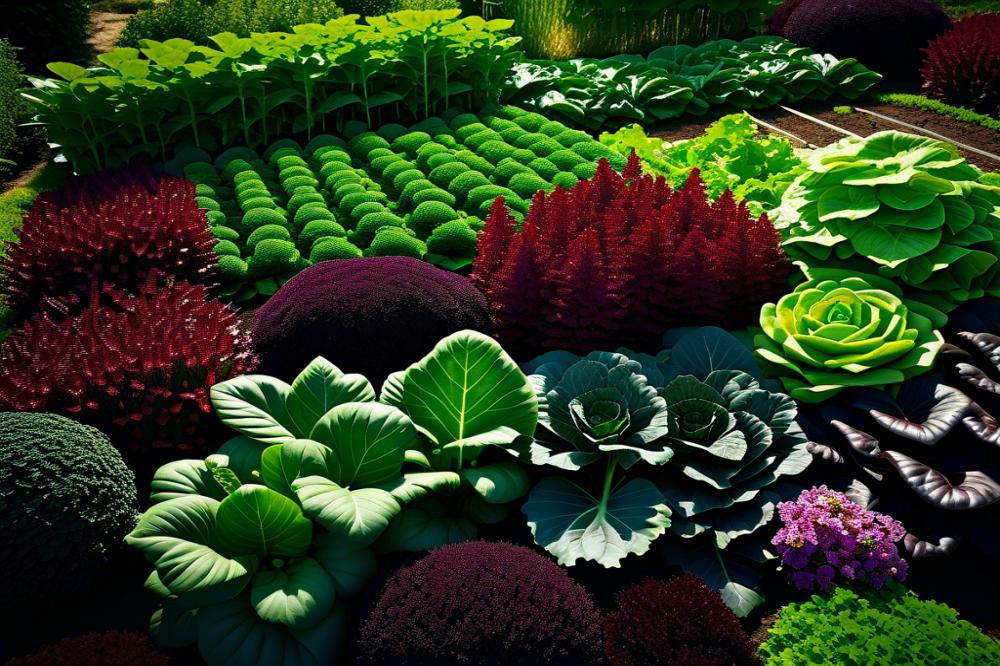
Growing your own food has gained popularity over recent years. More people are discovering the joys of fresh flavors right from their backyards. When we talk about salad greens, we often think of the crisp texture of lettuce and the vibrant color of kale. These greens provide not only taste but also essential nutrients.
In addition, the act of nurturing plants brings a sense of peace and accomplishment. Herbs like basil and cilantro can elevate even the simplest dishes. Not only are they delicious, but they also enhance the joy of cooking at home.
Benefits of shade-tolerant salad plants
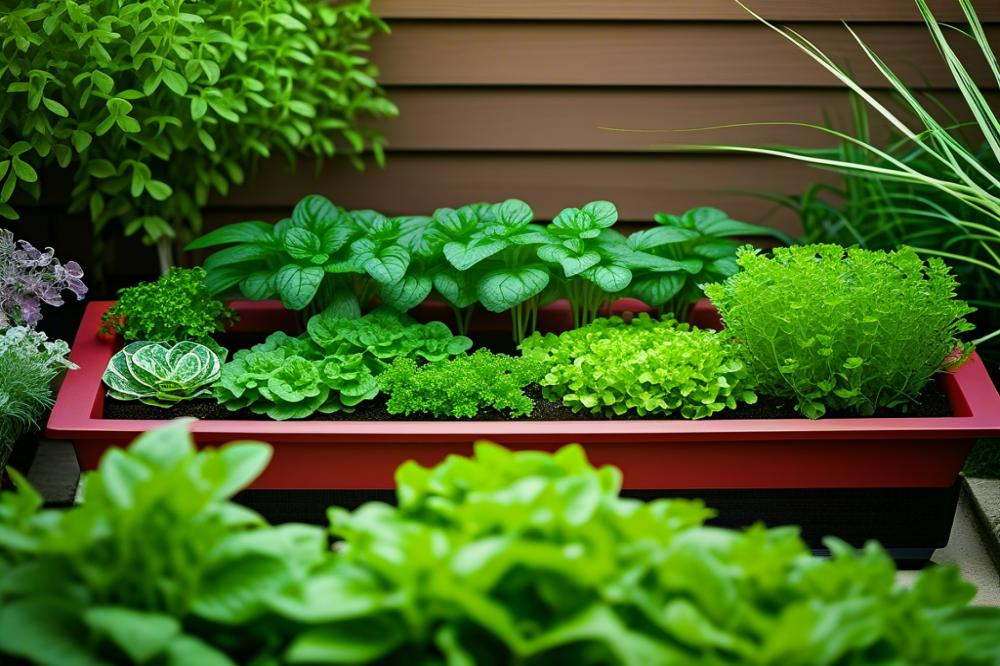
shade-tolerant salad plants offer an effective solution for those with limited sunlight. Many urban gardeners face challenges due to tall buildings or closely spaced trees. Fortunately, certain greens will grow well regardless of the light conditions.
For instance, spinach thrives in partial shade. This leafy green is not only versatile in recipes but also packed with vitamins. Arugula adds peppery flavor to salads and tolerates less light too. The good news is that many of these plants can even flourish indoors, allowing for year-round enjoyment.
Overview of the Article’s Focus on limited space gardening
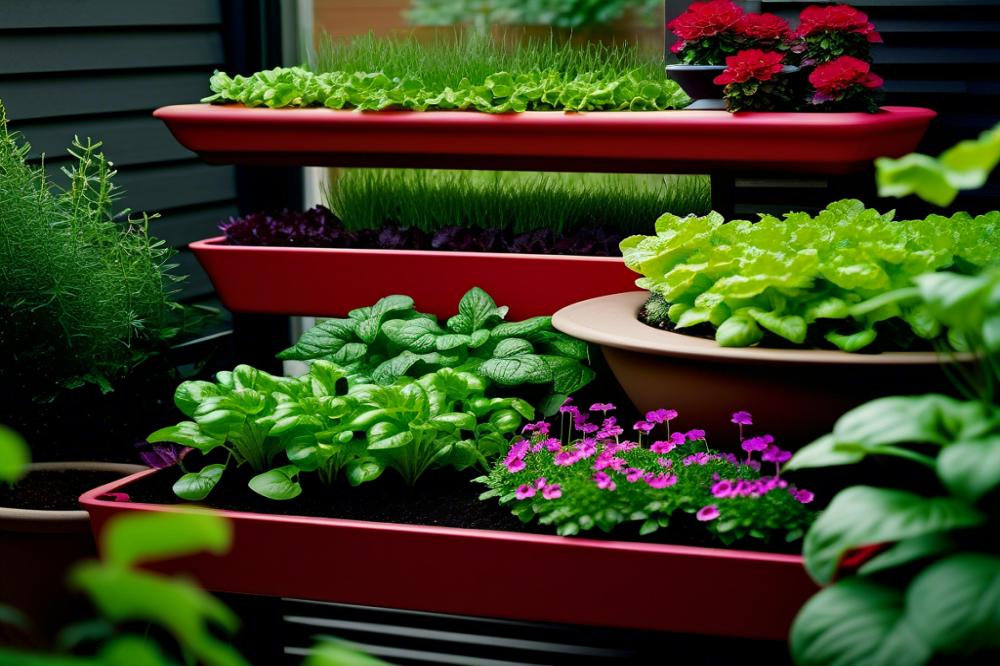
This article will explore the fascinating world of limited space gardening. Container gardening can be a game-changer for urban residents. With a few pots and some quality soil, anyone can create their own little green oasis.
Shade gardening can help maximize small spaces, ensuring gardeners can enjoy fresh produce. You don’t need a sprawling yard to experience the satisfaction of harvesting. By focusing on the right plants, it’s possible to cultivate a sustainable food source right at home.
Join us as we dive deeper into the best options for growing salad greens in cozy, shaded spots.
Understanding Shade-Tolerant Salad Plants
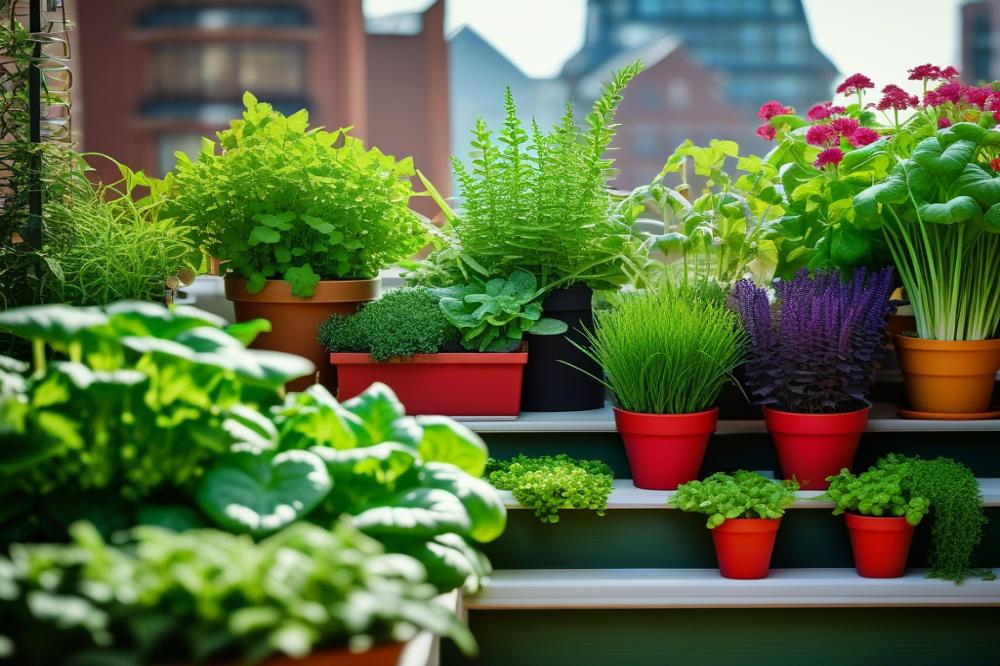
Shade-tolerant plants are those that can thrive with limited sunlight. They often have specific characteristics that help them survive in less bright conditions. These plants usually possess larger leaves to capture more light. Their growth patterns also differ, making them perfect for shaded spaces.
Light levels play a crucial role in the growth of salad greens. While most leafy vegetables prefer full sun, some can adapt well to partial shade. Salad greens like lettuce and spinach are examples of plants that can handle lower light levels. This adaptability allows gardeners to cultivate fresh produce even in small gardens where sun exposure may be limited.
There are several misconceptions about growing in shade. One common belief is that shade gardening limits options to only a few plants. This is not true. A variety of herbs, arugula, and even kale can grow well without direct sunlight. Another idea is that shaded plants are less nutritious. Research shows that growing conditions do not always dictate nutritional content. Keeping these myths in mind can help gardeners make better choices for their containers and small gardens.
Top Shade-Tolerant Salad Greens
Lettuce Varieties That Thrive in Shade
Lettuce is a popular choice for shade gardening. Varieties such as Butterhead and Looseleaf do exceptionally well with limited sunlight. These plants can handle softer light and tend to grow tender leaves. They are perfect for small gardens or container gardening setups. Fresh lettuce is a staple in many salads, making it a versatile addition.
Spinach: Nutritional Benefits and Shade Growth
Spinach offers a wealth of nutritional benefits. It is high in vitamins A, C, and K, along with iron and folate. In terms of growth, spinach adapts well to shady environments. This leafy green prefers cooler temperatures, which makes it ideal for those less sunny spots in the garden. Planting it can yield nutritious harvests with minimal effort.
Arugula: Flavor Profile and Cultivation Tips
Arugula adds a peppery flavor to salads. It grows quickly, making it a favorite among gardeners. For optimal results, space the seeds out well to avoid overcrowding. This plant thrives in partial shade and can even be grown indoors. A quick harvest is possible just a few weeks after planting.
Kale: Hardiness and Shade Tolerance
Kale is known for its hardiness and robust nature. This leafy green can endure cooler temperatures and low light conditions. Many gardeners appreciate its nutritional value, packed with vitamins and minerals. When growing kale, consider adding organic compost to enrich the soil. This practice enhances the plant’s capacity to thrive even in less ideal conditions.
Herbs That Grow Well in Low Light Conditions
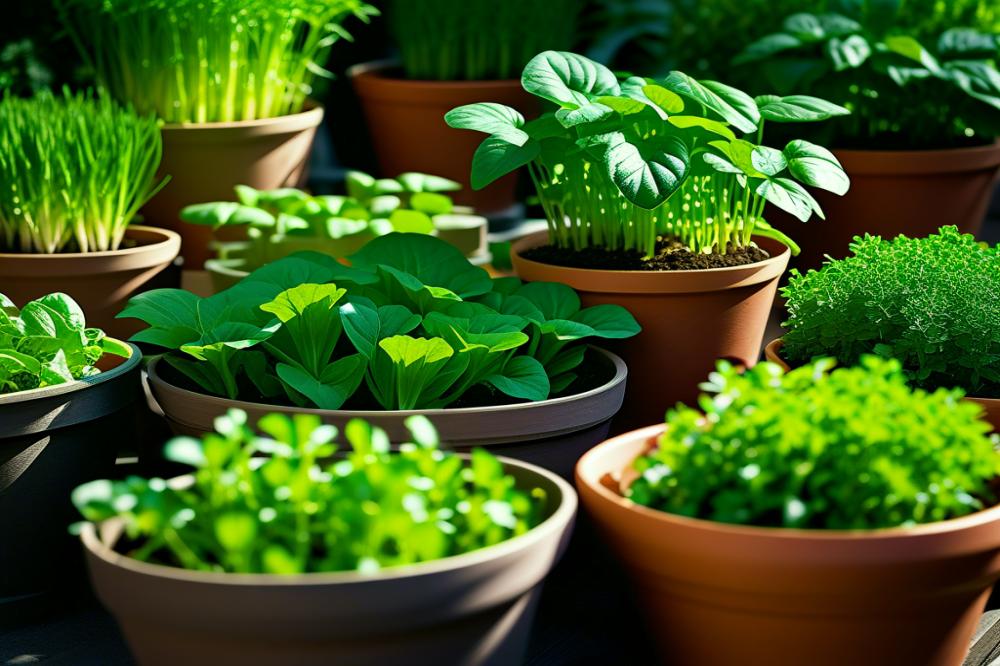
Certain herbs also flourish in shade. For instance, cilantro and chives are both excellent choices for a small garden. These herbs can brighten any dish, and they are relatively easy to maintain. When selecting herbs, ensure they have enough spacing to breathe. Some gardeners even enjoy cultivating them indoors for quick access while cooking.
Container Gardening for Shade-Tolerant Salad Plants
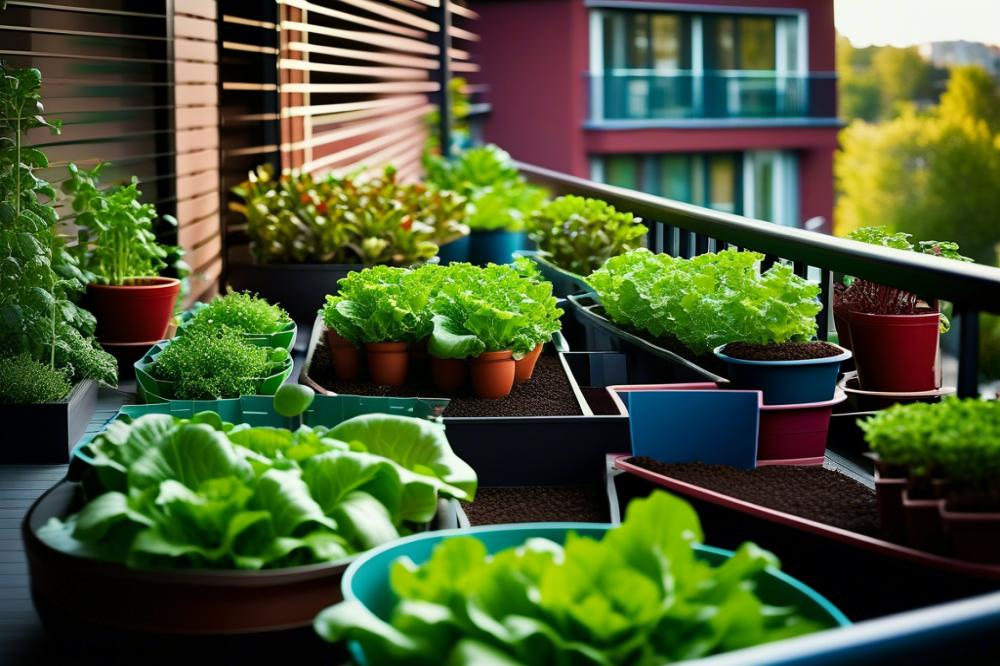
Container gardening offers numerous advantages for those with limited space. This method allows you to grow fresh ingredients like lettuce, spinach, and kale right on your balcony or porch. It’s perfect for small gardens where traditional planting isn’t feasible. You can move containers around to find the best spots for both sunlight and shade, optimizing your gardening experience.
Best Containers for Salad and Herb Gardening
Choosing the right containers is essential for successful gardening. Look for pots that are at least 12 inches deep to accommodate root growth. Plastic, ceramic, and wooden containers are all good options, depending on your aesthetic preference. Additionally, make sure the containers have drainage holes. Without proper drainage, roots can rot, ruining your efforts. Consider arranging a mix of sizes to create visual interest and maximize your growing space.
Ideal Soil and Drainage Considerations
Quality soil is crucial for healthy plants. Use a lightweight potting mix designed specifically for container gardening. This type of soil retains moisture yet drains well, which shade gardening often requires. Adding perlite or vermiculite can improve aeration and drainage further. Regularly check the moisture level in the soil. Overwatering can be just as harmful as underwatering, especially in shaded locations.
Arranging Containers for Maximum Shade Efficiency
Strategic placement of your containers can enhance growth. Position taller plants, like kale, at the back or in the center, and shorter ones, such as arugula, at the front. This layout helps ensure that smaller plants receive enough light. Additionally, consider using vertical gardening techniques to optimize limited areas. Hanging pots or vertical planters can create a lush, layered look while allowing each plant to thrive.
Techniques for Shade Gardening
Choosing the Right Spot for Your Shade Garden
Finding the perfect location for your shade garden is essential. Look for areas that receive dappled sunlight or filtered light. These spots are often near taller plants or buildings. Make sure you avoid deep shade, as some plants may struggle to grow without sufficient light. In a small garden, even a well-placed container can thrive if it’s positioned thoughtfully. Observe your space throughout the day to see how light changes. This small effort leads to better growth for your salad greens.
Companion Planting and Crop Rotation
Companion planting can make a difference in your shaded space. Certain plants support each other, helping to deter pests or enhance growth. For example, mixing herbs with lettuce can improve flavor and reduce unwanted insects. Crop rotation is also important. Try not to plant the same vegetables in the same spots each year. This helps prevent soil depletion and limits the spread of diseases. By rotating your plants, you can keep the soil healthy and your garden productive.
Watering Strategies for Shaded Conditions
Watering in shade requires special attention. Plants in lower light often retain moisture longer than those in full sun. This means you might not need to water as frequently. Check the soil’s moisture by touching it; feeling dry on top doesn’t always mean the roots are dry. Overwatering can lead to root rot, especially with leafy greens like kale and spinach. Aim for a consistent watering schedule. Adjust based on rainfall and temperature to optimize growth.
Pest Management in Shaded Environments
Pest management in shaded areas has its challenges. Some insects prefer cooler, darker conditions, while others will shy away. Inspect your plants regularly for any signs of damage. If you notice pests, natural remedies may help. Sprays made from soap or garlic can be effective without the use of harsh chemicals. In a small space, it’s easy to monitor their behavior. Keep your area tidy, too. Clearing old leaf litter and debris can reduce hiding spots for unwanted pests. When it comes to indoor gardening, the same principles apply; vigilance is key.
Indoor Gardening for Shade-Tolerant Salad Plants
Growing salad greens indoors can be a rewarding experience. Salad greens like lettuce, spinach, arugula, and kale thrive even in low-light conditions. You don’t need a large space; a small garden on a windowsill or shelf can work wonders.
Best Indoor Conditions for Light and Temperature
Bright, indirect sunlight is ideal for these plants. Placing them near a north or east-facing window can provide the right amount of light. Aim for temperatures between 60°F and 70°F, as this range suits most salad greens. Avoid placing them near drafts, as sudden temperature changes can stunt growth.
Recommended Containers and Growing Mediums
You can use various containers for indoor gardening. Small pots, window boxes, or even repurposed containers like jars can work well. Choosing a lightweight potting mix designed for container gardening will help your plants thrive. Make sure your containers have drainage holes to prevent overwatering.
Hydroponics or Soil-Based Options for Indoor Gardening
Hydroponics offers a unique way to grow without soil. In this system, plants receive nutrients in a water solution, promoting fast growth. However, traditional soil-based gardening is also effective and simple. Both methods can yield healthy salad greens. You can choose either according to your preference and comfort level. Regardless of the choice, consistency is key for strong plants.
Final Thoughts on Shade Gardening
The benefits of growing plants that thrive in low-light conditions are numerous. First, they allow you to maximize limited spaces, making them perfect for urban gardeners or those with smaller yards. These vegetables, such as leafy varieties that include lettuce and spinach, can flourish even under a canopy of trees or on shaded patios. They provide a fresh, nutritious addition to your meals while requiring minimal effort in terms of care.
Starting a small garden or an indoor planting setup can be an exciting adventure. You don’t need much room to grow your herbs and salad greens. Even a few pots on a windowsill can lead to a rewarding experience. Watch as tiny seeds transform into vibrant plants that you can enjoy in your kitchen. It’s a fantastic way to engage with nature, even in an urban setting.
Healthy eating starts at home. By cultivating your own food, you gain a sense of self-sustainability that’s becoming increasingly important in today’s world. Growing your own vegetables not only enhances your diet but also builds a connection to what you eat. You will appreciate the effort that goes into growing fresh produce. Embrace the chance to explore the world of shade gardening. Make a decision to nurture your health and your space, one plant at a time.