

Overview of Culinary Education in Myanmar
Myanmar boasts a rich tapestry of culinary schools that aim to preserve and promote its diverse food culture. These institutions offer various cooking lessons, focusing on traditional recipes and modern techniques. Students engage in cooking workshops that teach essential skills and the art of preparing delightful dishes. Here, individuals explore the intricacies of Myanmar cuisine, which is rooted in its history and local ingredients.
The Role of Spice-Infused cooking lessons
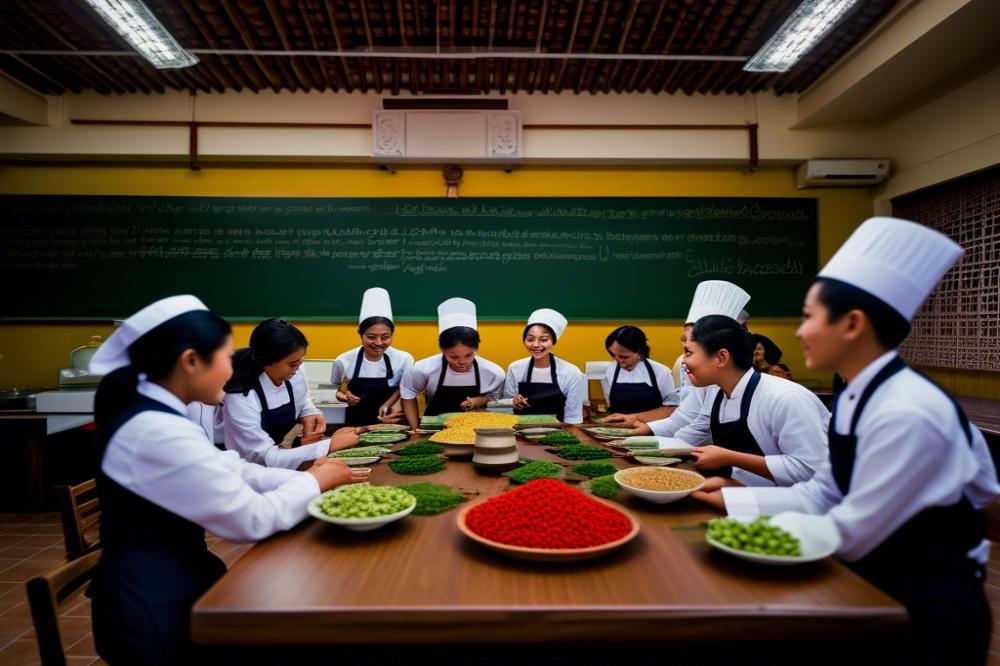
Importance of spice-infused cooking cannot be overstated. Flavorful spice blends are the heart of many dishes, adding depth to meals. Spice-filled cooking lessons allow aspiring chefs to understand the nuances of these ingredients. By mastering several techniques in this area, students gain confidence in their culinary abilities. Learning about spices not only enhances dishes but encourages creativity in the kitchen.
Cultural Heritage and Culinary Education
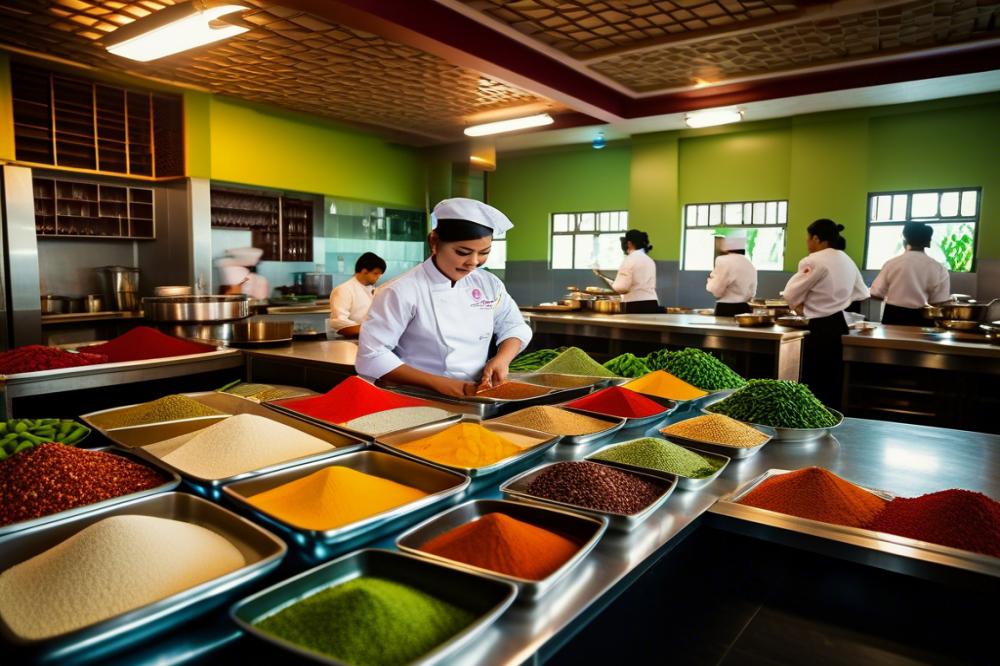
Culinary education is more than just acquiring skills; it is a bridge to cultural heritage. Cooking techniques passed down through generations reflect the values and practices of communities. Recognizing this connection aids in keeping traditions alive. Young chefs who study at Myanmar culinary schools often feel a deep sense of pride in their heritage. Their passion for gastronomy drives them to honor traditional practices while experimenting with new ideas. As a result, they develop a genuine appreciation for the country’s vibrant food culture.
Exploring Myanmar culinary schools
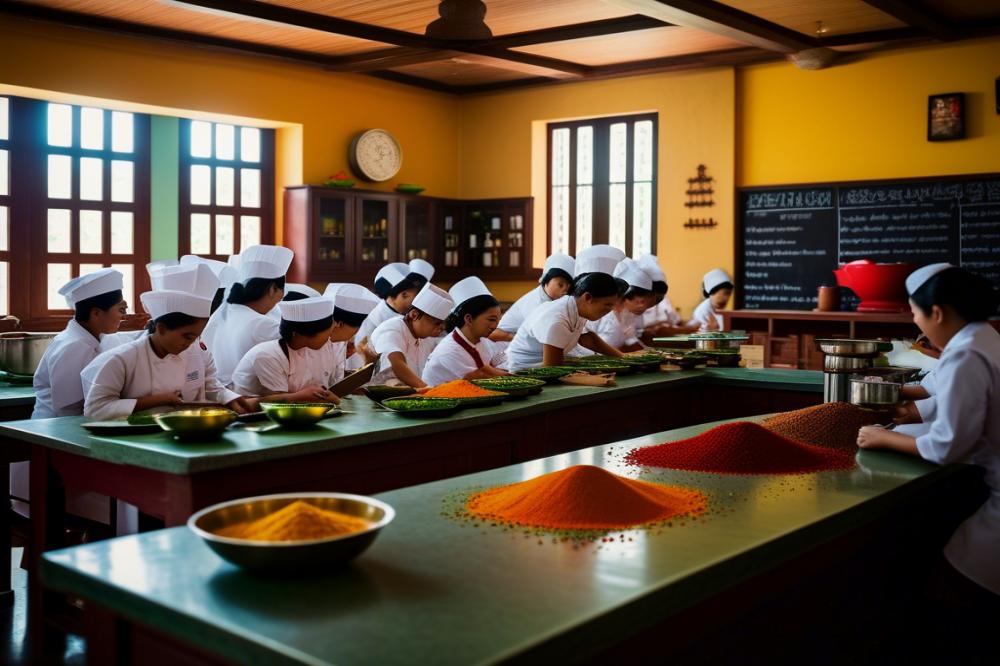
History of Culinary Education in Myanmar
Culinary education in Myanmar has deep roots. Traditionally, knowledge of cooking was passed down through generations in homes. Grandmothers and mothers shared their wisdom about flavors and ingredients. Over the years, this informal training evolved. The opening of formal schools came later, reflecting the country’s rich food culture. Interested chefs began to seek structured programs to master their skills. This shift marked the beginning of a new era in gastronomy.
Notable Culinary Schools and Their Programs
Several notable schools focus on Myanmar cuisine. One of the most recognized institutions is the Yangon Culinary School. Here, aspiring chefs can engage in professional cooking lessons. Programs include practical training and theoretical knowledge, covering a wide range of cooking techniques. Another prominent institution is the Mandalay Culinary Institute. This school emphasizes the art of preparing traditional recipes. Students learn about local ingredients and how to create unforgettable dishes that honor their heritage.
Popular Courses Focusing on Spices and Traditional Recipes
Courses that focus on spice blends attract many students. They explore the intricate flavors that define Myanmar’s gastronomy. Students participate in hands-on cooking workshops, learning the history behind each spice. Traditional recipes are not just taught; they are celebrated in these lessons. Participants understand the significance of these dishes in Myanmar’s culinary traditions. Creating dishes that tell a story connects them to their roots. Through these experiences, students develop a greater appreciation for their country’s rich culinary heritage. The vibrant mix of spices and techniques shapes their journey toward becoming skilled chefs.
Spice Blends and Their Significance in Myanmar Cuisine
In the world of Myanmar cuisine, spice blends play an essential role. These blends create depth and complexity in dishes that define the country’s food culture. Some common spices include turmeric, ginger, garlic, and chili. Each ingredient contributes to the unique taste profile of many popular meals. Culinary traditions are rich in flavor, with recipes passed down through generations.
Spices not only enhance flavors but also help preserve food. In a tropical climate, the right seasoning can make a significant difference. They serve as natural preservatives, keeping dishes fresh longer. Cooking lessons emphasize the importance of balancing these spices. Students learn how to create the right combinations to elevate their meals.
Local agriculture closely ties with spice production in Myanmar. Farmers cultivate a variety of essential ingredients. This relationship supports the culinary education within the country. Workshops often feature discussions about sourcing spices sustainably. The connection between the land and what appears on our plates is important in both gastronomy and daily cooking techniques.
Certain spice blends define regional specialties. For instance, the famous “ngapi” blend is made from fermented shrimp or fish combined with spices. Dishes prepared with ngapi carry distinct flavors. Participants in cooking workshops explore these regional differences while learning traditional recipes. This exploration fosters a deeper appreciation for the diversity in Myanmar’s cooking.
With active culinary schools, the future of these traditions looks bright. Students delve into the art of mixing spices and understanding their origins. The impact of local spices on national dishes cannot be undervalued. Each component tells a story, connecting the people and their heritage. Learning about these elements remains a fundamental part of culinary training.
The significance of spice blends in Myanmar cuisine transcends mere taste. They symbolize the culture and history of a nation. Students trained in these schools leave not just as cooks but as ambassadors of their heritage. Through understanding and mastering these spices, they continue to share their unique food culture with the world.
Cooking Techniques and Workshops
Myanmar’s culinary schools offer a rich blend of cooking techniques that reflect the nation’s diverse food culture. Students explore various methods, from sautéing to steaming, often focusing on enhancing flavors through the use of spice blends. Myanmar cuisine is deeply rooted in its culinary traditions, which become evident during lessons. Specific attention is given to the proper handling and storage of spices, crucial for developing authentic dishes.
During hands-on cooking workshops, participants dive into spice-infused recipes. These experiences provide learners with the opportunity to experiment with local ingredients. Through making traditional recipes, students not only learn how to cook but also appreciate the stories behind each dish. Engaging in such practical experiences fosters creativity and skill, essential for anyone serious about gastronomy.
Experiential learning stands out in culinary education. Without it, theoretical knowledge can only take one so far. Workshops provide a platform for students to practice what they learn in a supportive environment. Feedback from instructors during these sessions helps to refine techniques. This interactive approach contributes to deeper understanding and mastery of various cooking techniques.
In addition to the recipes, the integration of local spices plays a pivotal role in shaping the flavors of Myanmar’s dishes. Students gain insight into how different ingredients can transform a meal. Cooking lessons are rich in context and history, making every session not just an educational experience but a cultural journey. Ultimately, these culinary schools cultivate passion while passing down the vibrant food culture of Myanmar.
Culinary Traditions and Food Culture
Myanmar’s cuisine is deeply influenced by its rich cultural heritage. This country has a tapestry of ethnic groups, each contributing its culinary practices. Recipes passed down through generations tell stories of the land and its people. Ingredients often reflect the diversity of the nation, with rice, fish, and various vegetables at the heart of many meals.
Spices play a pivotal role in this culinary narrative. They are not just flavor enhancers; they create a unique identity for Myanmar dishes. Traditional recipes like Mohinga, a beloved rice noodle soup, highlight the use of lemongrass and turmeric. These spice blends come together to create a harmony that resonates with local flavors.
Cooking techniques also vary widely across regions. In some areas, you might find grilling, while others may emphasize steaming or steaming preparation. Each method influences how spices are absorbed and enjoyed in the final dish. These cooking lessons and workshops allow aspiring chefs to explore different culinary traditions.
Gastronomy is gaining traction on a global platform. People around the world are yearning for authentic experiences. Myanmar’s unique dishes are increasingly sought after as they represent a blend of flavors and textures. Such interest supports the growth of culinary education in the country. This, in turn, cultivates a new generation of chefs who can further share their heritage.
The food culture in Myanmar is a living history, one that flavors each dining experience. Whether it’s a family gathering or a festive celebration, food serves as the central theme. Sharing meals fosters connections among people. As chefs learn and innovate, they maintain respect for traditional recipes while also welcoming new influences. This balance keeps Myanmar cuisine vibrant and relevant.
Future of Culinary Education in Myanmar
Trends in Food Culture and Cooking Lessons
Cooking lessons across Myanmar are evolving quickly. Young chefs and students are exploring modern influences while respecting traditional recipes. Popularity is growing for workshops that focus on local spice blends and regional ingredients. Students learn about the significance of each herb and spice in Myanmar cuisine. Emphasis on hands-on experiences enhances the educational process. Chefs also incorporate global trends, blending them with time-honored cooking techniques. This fusion fosters creativity in the kitchen. Social media plays a huge role by showcasing unique dishes. It connects locals with food lovers around the world.
Opportunities for International Students and Cultural Exchange
International students are increasingly drawn to Myanmar’s culinary scene. They find an exciting chance to immerse themselves in a new culture. Cultural exchange provides mutual benefits. Local students gain insights into global gastronomy while foreign students dive deep into the rich culinary traditions of Myanmar. Cooking workshops often invite experienced chefs from different countries. These sessions spark dialogue about culinary influences. Additionally, collaborations between schools create a platform for sharing ideas. Prospective chefs are eager for these experiences. There’s a growing understanding that food can bridge cultural gaps.
The Potential Impact of Globalization on Traditional Cooking Practices
Globalization challenges the preservation of traditional cooking practices. Some worry that modern influences might dilute Myanmar cuisine. Yet, change can also lead to innovation. Young chefs are mixing traditional flavors with new ingredients. This evolution can create exciting results in dishes. As culinary education adapts to globalization, it becomes crucial to maintain core values. Teaching about traditional recipes ensures respect for heritage. Some schools emphasize the importance of understanding local ingredients before experimenting. Balancing innovation with tradition is essential. This journey of adaptation may shape the future of Myanmar’s food culture.
Final Thoughts on Spice-infused Cooking
The journey through the world of spice-infused cooking lessons showcases the depth of flavors in Myanmar cuisine. This culinary education emphasizes the importance of spices, teaching students not only how to cook but also how to appreciate the history behind each ingredient. Spices are more than just items on a shelf; they tell stories of cultural exchange and tradition.
Culinary schools play a significant role in both preserving and reshaping the country’s rich food culture. They serve as vital hubs where ancient techniques are passed down and modern flavors are explored. Through these institutions, students learn to respect traditional recipes while also experimenting to create something fresh and exciting.
Readers are encouraged to delve into Myanmar’s diverse culinary landscape. Exploring local markets, tasting street food, or taking a cooking lesson can deepen your understanding and appreciation of this vibrant culture. Discovering Myanmar’s unique flavors and spice combinations offers an unforgettable experience. When you take the time to engage with the food, you connect with its people and traditions.


