Starting a fish farm on Your Land: A Guide to Choosing the Right Fish and pond size
aquaculture has emerged as an important method of producing fish for food. It involves raising aquatic animals and plants in controlled environments. This practice is not just about harvesting fish. It contributes to sustainable food sources. In recent years, interest in fish farming has grown significantly across the USA. Environmental awareness has fueled a shift towards sustainable farming techniques. This approach focuses on leaving a minimal impact on nature.
Operating a farm for fish offers a range of benefits. People often think about healthy food options. Freshwater fish like tilapia and catfish are popular choices for these operations. Raising them can provide homeowners with meaningful returns. Cost-effective solutions for pond management help maintain water quality. With the right fish species, one can cultivate a viable fish farming business.
Starting a fish farm on your land promotes healthier eating. Family and friends will appreciate fresh fish. This activity also fosters a connection to nature. A well-constructed pond allows for proper fish stocking and growth. By learning about pond size, aspiring farmers can optimize their operations. Everyone can create a sustainable operation when they understand the basics. With some planning and dedication, fish farming may turn into a rewarding venture.
Understanding aquaculture
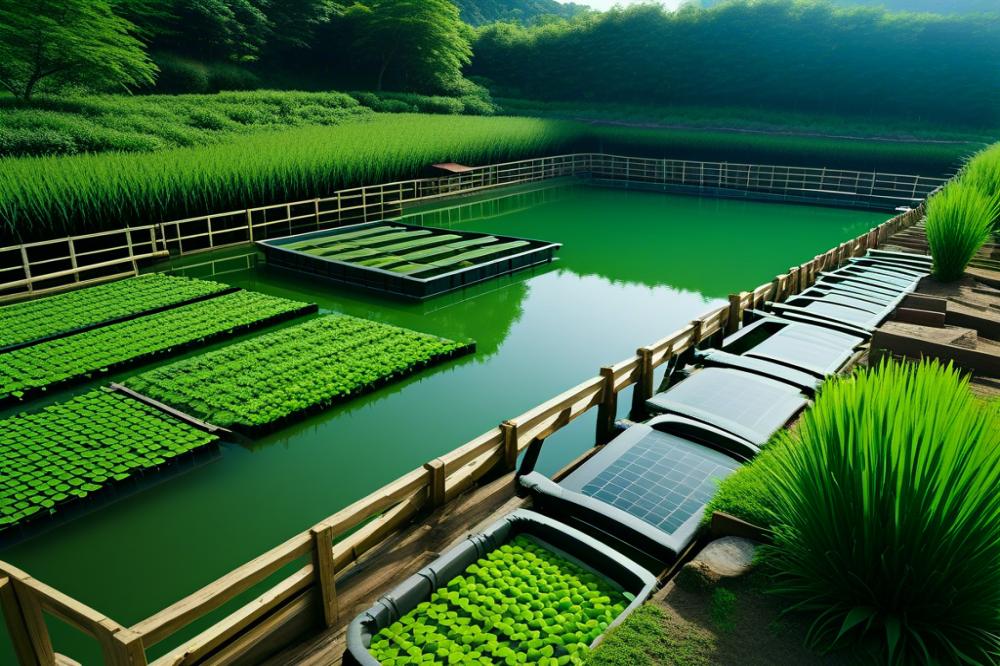
Aquaculture refers to the cultivation of aquatic organisms, including fish, shellfish, and plants. This practice has become essential in meeting the global demand for seafood. Basic principles include water management, feeding, and maintaining healthy environments for the fish.
Many types of aquaculture systems exist. Some focus on freshwater fish, while others may target saltwater species. Tank systems and pond systems are common choices. Each system has its own methods for managing water quality and fish health.
In the context of local and global food systems, fish farms play a pivotal role. They provide a reliable source of protein for communities. With the world’s population growing, aquaculture can help reduce pressures on wild fish stocks. Sustainable farming practices promote biodiversity and responsible resource use.
Effective pond management is also crucial for success. Proper pond construction facilitates good water flow and aeration. Fish stocking must be approached thoughtfully to promote growth and health. Additionally, having the right fish farming equipment can simplify day-to-day operations and improve overall yield.
Investing in this fish farming business can yield benefits for both economy and ecology. Diverse fish species can be raised to cater to different markets. By employing best practices, individuals can contribute to a healthier planet while achieving personal success. Whether on a small or larger scale, aquaculture offers opportunities to meet rising food demands responsibly.
Choosing the Right Fish Species
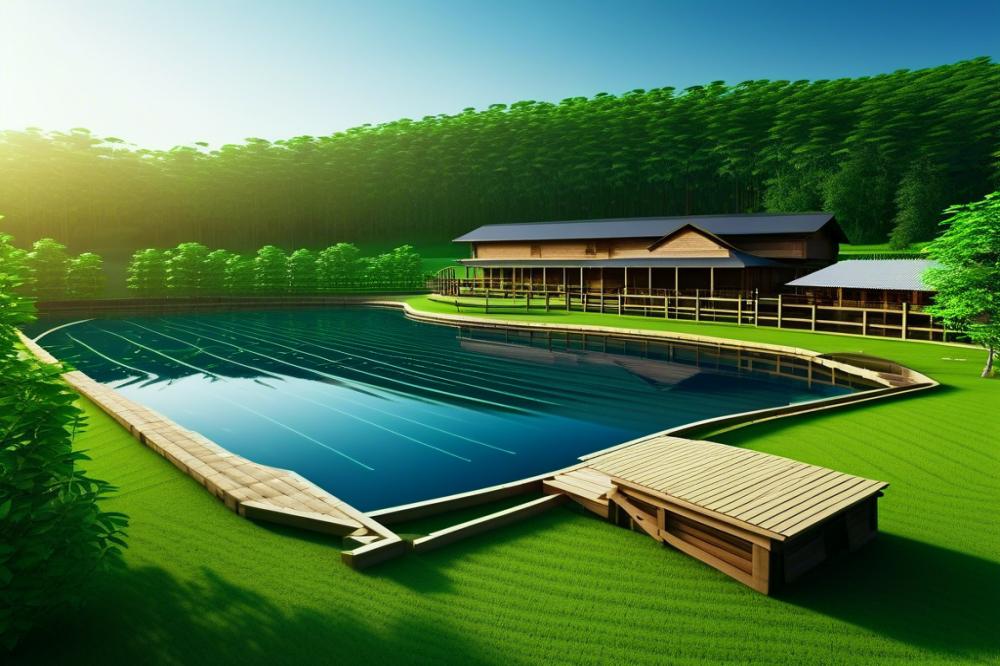
Starting a fish farm begins with selecting the right fish species. Popular freshwater fish for farming include tilapia, catfish, and trout. Each type has specific needs and growth patterns.
Several factors influence your choice of fish species. Water quality is crucial. Different fish thrive in various conditions. Also, consider the size of your pond and how much space you can dedicate to each type. This will affect your fish stocking numbers.
Local climate can make a big difference too. Some fish prefer warm water, while others like it cooler. Make sure to research which species can survive in your area year-round.
Market demand should also guide your selection. Popular fish can yield better profits. Investigate what types of fish are sought after in your locality. Consumers may favor certain varieties over others, impacting your fish farming business.
Understanding Stocking Densities and Growth Rates
Stocking densities refer to how many fish you can raise in a pond without harming them. This varies by species. For instance, tilapia can be stocked at higher densities compared to trout. Knowing this helps with efficient pond management.
Growth rates differ among fish species, too. Some fish grow faster, allowing quicker returns on your investment. Look into the specific growth patterns of the species you are interested in. This knowledge aids in planning your aquaculture operations effectively.
Don’t overlook the necessary fish farming equipment. Aeration systems, feeders, and water quality testing tools are essential. These will help maintain a healthy environment for your fish, promoting sustainable farming practices.
Finally, pond construction plays a key role. A properly built pond accommodates fish needs and provides safety from predators. Make sure you construct an adequate habitat for the fish species of your choice.
Determining the Ideal Pond Size
Building a pond is a substantial step in aquaculture. Think about where you want to place it on your property. Your chosen location must receive sufficient sunlight but also have some shade to decrease algae growth. A few basic guidelines make this process smoother. If your land allows, aim for a depth of at least 4 to 6 feet. This depth helps maintain consistent water temperature and protects fish during winter’s chill.
The size of the pond often hinges on the fish species you plan to raise. For instance, tilapia and catfish are excellent choices for beginners. Both species thrive in smaller environments, requiring around 500 to 1,000 gallons of water per fish. On the other hand, larger species like trout need more space. These fish prefer cooler waters and a higher oxygen level. Different fish species bring unique needs, which affects your pond’s overall volume.
Managing water quality is crucial for the health of your aquatic life. Fish stocking densities should be adjusted according to the pond’s size and the types of fish included. Overcrowding leads to poor water quality and stress for the fish. Regular monitoring of ammonia, nitrite, and nitrate levels is necessary. Furthermore, consider using aeration systems to boost oxygen supply, especially in warmer months.
Calculating the water volume requires some math. Use the formula: length x width x depth (in feet) to find the total cubic feet. Then convert that number to gallons by multiplying by 7.48. Knowing your pond’s capacity aids in determining your filtration needs. Proper fish farming equipment includes filters that can handle at least 4 times the volume of water every hour. This ensures effective removal of waste and keeps the ecosystem balanced.
The importance of pond management cannot be overstated. Regular maintenance includes monitoring vegetation and controlling algae growth. Sustainability is key in any fish farming business. Proper pond size and water quality management ultimately lead to healthier fish. This creates a more productive farming environment.
Essential Fish Farming Equipment
Setting up a fish farming business requires careful planning and the right tools. For pond management, several pieces of equipment are necessary. These tools help maintain a healthy environment for your fish species, ensuring sustainable farming practices. Basic infrastructure like nets, pumps, and filters is essential for managing freshwater fish effectively.
Aeration Systems
Aeration systems play a vital role in maintaining a thriving fish population. They increase oxygen levels in the water, which is crucial for the overall health of aquatic life. Without proper aeration, fish become stressed, and may even die. Investing in a good aeration system can significantly enhance fish stocking success. Keeping oxygen levels optimal helps prevent diseases and boosts growth rates.
Water Quality Testing Kits
Water quality is another critical factor in aquaculture. Regular testing allows you to monitor key parameters like pH, ammonia, and nitrate levels. Water quality testing kits are user-friendly and can provide immediate feedback. This information is essential for making informed decisions about your pond management approach. Maintaining proper water conditions helps improve survival rates among your fish. Failure to monitor these levels could lead to disastrous results.
Feeding Systems and Storage
Feeding systems offer convenience and efficiency in your fish farming operation. Automatic feeders can deliver food at regular intervals, ensuring that fish receive adequate nutrition without overfeeding. Consider your requirements while choosing the right system. Additionally, proper storage for fish food is essential to prevent spoilage or pest infestations. High-quality feed can promote healthy growth among your aquatic population.
Remember, effective pond construction is as important as the equipment you use. The right tools paired with a solid understanding of fish species can lead to a successful venture. Equip yourself with knowledge and the necessary fish farming equipment to create an optimal environment for your fish.
Pond Management Practices
Managing a pond involves various techniques that promote healthy aquaculture. Effective pond management starts with maintaining a clean, balanced environment. Selecting the right fish species can also play a significant role. Popular choices for freshwater fish include catfish, tilapia, and trout. These fish not only thrive in diverse conditions but are also sought after in the marketplace.
Water quality is a critical factor that cannot be overlooked. Regular testing for pH levels, ammonia, and dissolved oxygen ensures a healthy habitat. Poor water conditions can lead to fish stress or even death. Monitoring temperature and avoiding sudden changes is essential. Seasonal shifts can affect water quality, so be prepared to adjust accordingly.
Nutrition is a crucial aspect of fish health. Proper fish stocking means not only filling your pond with the right species but also providing adequate feed. Quality fish farming equipment, like automatic feeders, can help in maintaining consistent nutrition. Additionally, offering a balanced diet can enhance growth rates and overall health.
Seasonal considerations should influence maintenance schedules. In spring, focus on fertilization and water management as plants begin to grow. Summer months require frequent checks on water levels due to evaporation. As fall approaches, it’s time to prepare for potential winter challenges. You might need to aerate the water to prevent freezing in colder climates.
Implementing these pond management strategies will help in running a successful fish farming business. Regular maintenance can open doors to sustainable farming practices. Understanding and adapting to your pond’s needs is the key to a thriving aquaculture venture.
Stocking Your Pond
Fish stocking is a crucial part of setting up your aquaculture venture. Several guidelines can help you make the best choices. First, consider the size and volume of your pond. Stocking density, which is the number of fish per gallon of water, directly affects their growth and health. Overcrowding can lead to poor water quality and stressed fish. Aim for a balanced ratio based on the species selected.
Timing can make all the difference when it comes to stocking fish. Spring and early summer are typically the best times for introducing new fingerlings into your pond. Water temperatures should be stable, around 65 to 75 degrees Fahrenheit, to encourage healthy habits. Fish experience less stress and adapt more easily during these warmer months.
Introducing new species requires careful thought. Some freshwater fish thrive together, while others may pose threats. Research common species that coexist well. Additionally, consider your existing fish stock when introducing new types. Avoid species that may compete aggressively for food or territory. It’s all about maintaining harmony in your aquatic ecosystem.
Monitoring your fish and adjusting stock levels is essential for effective pond management. Regularly check water quality through tests for pH, ammonia, and oxygen levels. Healthy water supports healthy fish. If stocks are too high, consider removing some fish. Conversely, if you notice that fish growth is stagnating, it may be time to stock more fish to boost the population.
Training on fish farming equipment can help in maintaining the environment. Aerators and filters play a significant role in keeping the pond healthy. By providing appropriate care, you enhance productivity and contribute to sustainable farming practices. Observe your pond closely, as it holds the key to a successful fish farming business.
Building a Sustainable Fish Farming Business
The fish farming business model can be rewarding, but success requires careful planning. Aquaculture involves raising aquatic animals, usually in freshwater ponds. Your choice of fish species will determine feeding requirements and pond management practices. Popular options include catfish, tilapia, and trout. Each species has different needs, so research is crucial.
Navigating Regulations and Licensing for Fish Farms
Before starting, familiarize yourself with local regulations. Most areas require permits for pond construction. Licensing is often necessary to operate legally. This process can vary significantly by region, so consult local authorities for guidance. Be prepared to meet water quality standards and fish stocking limits. Understanding these regulations upfront saves time and hassle later.
Marketing Your Fish Products
Effective marketing is key to the fish farming business. Identify potential customers early on. Restaurants, local markets, and online platforms can be great outlets for your fish products. Establish a brand that reflects your sustainable farming practices. Highlighting fresh, locally grown fish appeals to many consumers. Building relationships with local chefs may also provide steady sales.
Importance of Community Engagement and Education
Engaging with the community benefits everyone involved. Hosting tours can increase awareness of your practices. Educational workshops will help others learn about aquaculture benefits. Connecting with local schools or agricultural programs fosters goodwill and curiosity. Sharing knowledge contributes to a culture of sustainability in your area.
Final Thoughts on Your Aquaculture Journey
Starting a fish farming venture on your property can be an exciting opportunity. By selecting the right fish species for your needs, you set the foundation for a successful operation. Adequate pond size is also crucial. Essentially, these decisions shape the health of your fish and the productivity of your venture.
Focusing on sustainability is vital as well. Responsible farming practices contribute to eco-friendliness and maintain local ecosystems. It’s essential to think about ways to minimize waste and use resources wisely. By prioritizing these aspects, you not only care for your fish but also for the environment.
Now is the time to explore the possibilities of fish farming. Don’t delay taking steps to learn about the process. Research local regulations, seek advice from experienced farmers, and consider your own interests. The potential for aquaculture is vast. Begin small, and you may find that this journey leads to significant rewards.
In conclusion, becoming a fish farmer is an opportunity for growth, education, and a sustainable lifestyle. Take action today. Start your journey and see where it leads you.