
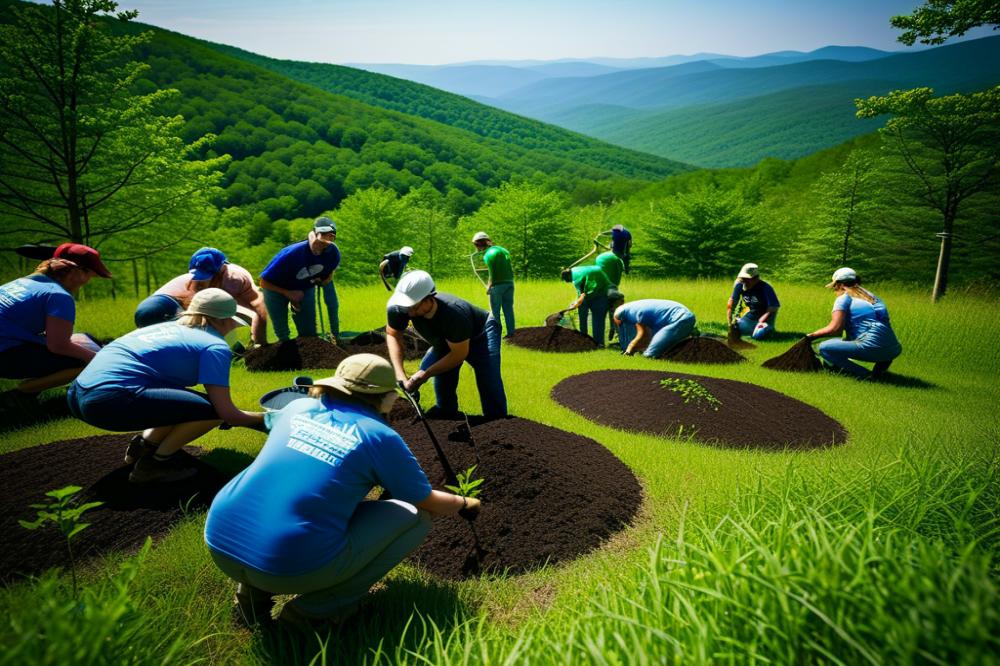
The Appalachian Mountain Reforestation Project: Reviving Eastern North America’s Forests
The Appalachian Mountain Reforestation Project is an ambitious initiative aimed at restoring forests in Eastern North America. By focusing on tree planting and habitat conservation, this project seeks to revitalize areas that have suffered from deforestation and environmental degradation. The lush landscapes of the Appalachians have seen a decline in their natural beauty due to human impact. This project aims to revive those ecosystems, which are crucial for both wildlife and communities.
Reforestation holds significant importance in the region. It contributes to biodiversity and provides essential support for wildlife. The restoration of these forests can also play a pivotal role in combating climate change. Healthy forests absorb carbon dioxide, helping to lessen the environmental impact of greenhouse gases. Furthermore, they act as buffers against natural disasters, such as floods and landslides. Restoring these ecosystems can make a real difference in our changing world.
Goals associated with this project revolve around restoring ecosystems and enhancing biodiversity. The team behind this effort aims for a sustainable forestry approach that promotes healthy tree growth. Engaging local communities is another critical aspect. Community involvement ensures that those who live near these areas can play a role in their preservation. Collaboration among residents, conservationists, and scientists often leads to better outcomes. As forests thrive, so too does the natural life that depends on them.
Through dedicated efforts, the Appalachian reforestation strives to create a greener future. Wildlife will benefit from improved habitats, while local economies may see growth through eco-tourism and sustainable forest products. Together, these initiatives promise to resuscitate the Appalachian landscape and safeguard its ecological treasures for generations to come.
The Importance of Appalachian reforestation

Reforestation in the Appalachian region is critical for many reasons. At its core, it involves planting trees and restoring forests that have been lost. This process is a vital step in combating climate change while improving the environment. Healthy forests play a key role in maintaining biodiversity, which includes all forms of life, from tiny insects to large mammals.
The history of deforestation in Eastern North America paints a concerning picture. Over the years, logging, agriculture, and development have drastically diminished forest areas. The consequences are far-reaching. Habitat loss has led to a decline in many species. These changes have weakened ecosystems and disrupted the natural balance that exists in these environments.
Understanding biodiversity is essential for habitat conservation. Each plant and animal contributes to a larger network of life. When species disappear, the effects are felt throughout the ecosystem. Reforestation efforts not only provide new homes for wildlife but also aid in stabilizing the soil and filtering water. Tree planting helps create a healthier environment, which in turn supports wildlife populations.
Communities play a crucial role in supporting these initiatives. Local involvement fosters a sense of stewardship and responsibility for the land. It also encourages sustainable forestry practices that benefit both the economy and the environment. Engaging citizens in reforestation projects can lead to greater awareness about environmental impact. Education about the importance of trees and forests can inspire future generations to protect these valuable resources.
By prioritizing ecosystem restoration, areas previously damaged can begin to heal. Replanting trees helps combat climate change, providing necessary oxygen and absorbing carbon dioxide. The future of the Appalachian region depends on our commitment to restoring these vital landscapes. Efforts to revive these magnificent forests will leave a lasting legacy for both nature and humanity.
Ecosystem Restoration Efforts

Restoring the Appalachian region involves a series of well-planned techniques. First, tree planting is critical. Volunteers and organizations come together to plant native trees. They choose species that thrive in local conditions. This method helps replace lost forests and creates a healthy future for the land.
Soil health receives considerable attention during these projects. Techniques apply compost and mulch, enrich the topsoil, and promote good bacteria. Restorative actions reduce erosion, which is vital for maintaining soil quality. Additionally, improved soil helps filter water. As a result, water quality benefits, supporting both the local ecosystem and human communities.
Native species play a pivotal role in ecosystem recovery. They adapt well to the environment and support wildlife in various ways. These plants provide essential food and shelter to different animal species. Promoting biodiversity ensures that ecosystems remain resilient. Wildlife support becomes more robust with thriving plants and trees
Community involvement enhances these reforestation efforts. Local residents often participate in planting events. Engaging the community helps raise awareness of sustainable forestry. Education plays a key role in changing attitudes toward habitat conservation. By getting involved, people witness the environmental impact firsthand.
Overall, every aspect of the restoration process is intertwined. The techniques used lead to healthier soil and clearer water. Native species contribute to a balanced ecosystem, making it more dynamic. Together, these efforts combat climate change by creating forests that can absorb carbon dioxide. Nature flourishes when people unite for a common goal.
Sustainable Forestry Practices

In the heart of Eastern North America, sustainable forestry practices are gaining attention. The Appalachian Mountain Reforestation Project emphasizes approaches that protect the environment while using timber wisely. Conservation methods are crucial for maintaining the region’s rich biodiversity. Efforts include selective logging and responsible harvesting techniques.
Timber production must coexist with habitat conservation. This balance allows for ongoing economic growth while safeguarding wildlife support and natural resources. By adopting sustainable forestry, local communities can thrive without depleting forests. Various groups work together to make this vision a reality.
Tree planting plays a significant role in this initiative. Renewing forests not only improves the ecosystem but also addresses climate change. Healthier forests absorb carbon dioxide, helping to reduce the negative impacts on our atmosphere. Such efforts lead to better air quality and provide habitats for numerous species.
Involving the community is essential for long-lasting success. Residents are encouraged to participate in workshops, learn about ecosystem restoration, and volunteer for planting events. This involvement fosters a sense of ownership over local resources. When people connect with their environment, they are more likely to support its preservation.
Long-term benefits of sustainable forestry include job creation and enhanced quality of life. Timber industry workers can find new roles that prioritize eco-friendly practices. Additionally, healthy forests attract tourists, which can be a boon for local economies. All of these factors contribute to a sustainable future for future generations.
Community Involvement and Education
Local communities play a crucial role in the success of reforestation efforts. When residents engage in projects, they contribute not just trees but also a sense of ownership. Involving people from the start helps cultivate a stronger connection to the land. Communities often possess valuable knowledge about native species and local ecosystems.
Volunteer Programs and Educational Initiatives
Organizations offer various volunteer programs that invite community members to participate directly in tree planting. These initiatives educate people about the benefits of biodiversity and habitat conservation. Workshops teach families sustainable forestry practices. Children learn about the environment through hands-on activities, fostering a love for nature from a young age.
Economic Opportunities from Improved Ecosystems
Reforestation opens doors for new economic opportunities in Eastern North America. Enhanced ecosystems can lead to increased tourism, benefiting local businesses. More trees also mean healthier wildlife support, which contributes to hunting and fishing activities. As forests thrive, communities can reap rewards that extend beyond mere aesthetics.
Community involvement strengthens the overall impact of environmental restoration efforts. It creates a shared responsibility in tackling climate change while promoting the importance of ecosystems. By pooling resources and knowledge, local residents can drive meaningful change.
Addressing Climate Change and Environmental Impact
Reforestation efforts in the Appalachian region play a critical role in combating climate change. Trees absorb carbon dioxide, a harmful greenhouse gas. By boosting forest cover, we can reduce the overall carbon footprint of Eastern North America. Healthy forests serve as vital carbon sinks, making a difference in our fight against global warming.
Tree planting contributes not only to carbon sequestration but also to biodiversity. Different species of plants and animals thrive in rich ecosystems. This diversity fosters a stable environment, where wildlife can adapt and flourish. Expanding forest areas supports various forms of life, promoting ecosystem restoration and resilience.
Strengthening habitats through increased tree cover helps wildlife. Many animal species rely on forests for shelter and food. As habitats are enhanced, vulnerable species gain protection against climate-related threats. This support is essential for maintaining ecological balance within the region.
Community involvement is also key in these efforts. People living in the Appalachians can engage in sustainable forestry practices. By doing so, they help maintain the health of forests while reaping the benefits of nature. This partnership between communities and nature leads to effective habitat conservation.
Climate change poses risks not only to forests but also to local wildlife. Extreme weather patterns can disrupt migration and breeding. However, with robust reforestation initiatives, we can strengthen ecosystems and their ability to withstand challenges. Healthy forests act as buffers, reducing the environmental impact from storms and other disasters.
Continued investment in these projects means a better future for both nature and communities. By enhancing green spaces, we’re promoting cleaner air and creating more enjoyable places to live. The integration of environmental stewardship and local engagement is essential for long-term success.
Supporting Wildlife and Biodiversity
Restored habitats play a crucial role in supporting local wildlife. These areas provide food, shelter, and breeding grounds for various species. When trees are planted, they create a thriving environment. This habitat conservation is essential for many animals that depend on forests for their survival.
Biodiversity is vital to the health of ecosystems in Eastern North America. Various planting and conservation strategies help promote a diverse range of species. Efforts include planting native trees that support local fauna. Additionally, creating mixed forests helps sustain different wildlife populations. These methods are key to ecosystem restoration.
Many species benefit from reforestation efforts. For example, birds like the Wood Thrush thrive in restored woodlands. Their populations have suffered due to habitat loss. Small mammals, such as the Eastern Chipmunk, also find refuge in new forests. Even larger animals, like the Black Bear, rely on diverse habitats for food and safety. All of these species highlight the impact of reforestation initiatives.
The importance of community involvement cannot be overstated. Local groups often organize tree planting and educational events. This engagement creates a sense of ownership and responsibility for the environment. It also raises awareness about climate change and its effects on ecosystems. Through collective efforts, people can make a significant difference in wildlife support and biodiversity.
Ultimately, the Appalachian Mountain Reforestation Project contributes to sustainable forestry. Healthy forests serve as a buffer against environmental challenges. They absorb carbon dioxide and help mitigate climate change. A thriving ecosystem, supported by diverse wildlife, enhances the overall health of the planet.
Final Thoughts
The Appalachian Mountain Reforestation Project plays a crucial role in revitalizing the forests of Eastern North America. It serves as a beacon of hope for the region’s ecosystems. By planting trees and restoring habitats, this initiative not only combats deforestation but also enhances biodiversity. Healthy forests are essential for clean air, water, and the overall well-being of the planet.
Looking ahead, the future of reforestation appears promising. Efforts like these contribute significantly to ecosystem restoration, which is vital in the fight against climate change. Communities increasingly recognize the importance of taking action. Their involvement can lead to greener and healthier environments for generations to come.
Participation is key to the success of these initiatives. Support can take many forms, from volunteering to donating funds. Each contribution, no matter how small, can have a lasting impact. Together, people can help revive Eastern North America’s forests. Join the movement, and play a part in restoring our natural world.


