The Benefits of Growing hyssop in Your Backyard
hyssop is an aromatic herb with a rich history and many uses. Commonly found in gardens, it is valued not only for its scent but also for its versatility. This herb belongs to a family of plants celebrated for their medicinal properties and culinary applications. Many gardeners are increasingly interested in herbs like this one. Its popularity is part of a broader trend toward cultivating various medicinal plants and flavorful additions for meals.
More people are discovering the joys of backyard gardening. herbs provide an easy way to add beauty and functionality to outdoor spaces. They require less water than many traditional garden plants, making them a practical choice for those looking to conserve resources. Several herbs, including hyssop, are also drought resistant. This resilience makes them ideal for changing climates.
Aromatic plants like this one attract pollinators, which help support local ecosystems. Bees and butterflies love them, and their presence can lead to a healthier garden overall. When designing a garden, including such plants is valuable for their ability to improve soil health. Companion planting with herbs can repel pests and promote growth in neighboring plants.
Another compelling reason to grow this herb is its production of essential oils. These oils hold a variety of uses, ranging from medicinal applications to flavoring for culinary delights. Thus, the inclusion of hyssop adds both aesthetic and practical value to any garden. growing herbs at home connects us with nature while reaping many benefits. Whether for utility or beauty, this herb can enhance your backyard experience immensely.
Understanding Hyssop
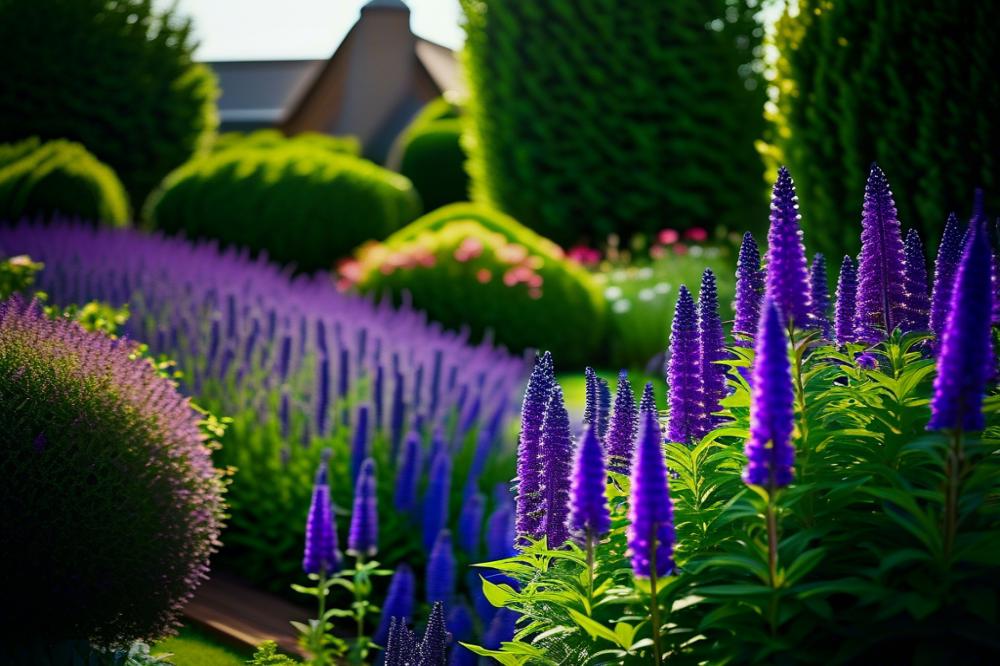
Hyssop is an aromatic plant that has captured the interest of many gardeners. With its fragrant leaves and vibrant flowers, this herb stands out as a favorite for various uses. Often found in traditional gardens, it serves multiple purposes ranging from culinary applications to medicinal benefits.
Several varieties of this herb exist, each boasting unique characteristics. The most common types include blue hyssop and anise-hyssop. Blue hyssop features stunning blue flowers that attract bees, enhancing the pollinator-friendly aspect of any garden design. On the other hand, anise-hyssop presents a delightful licorice flavor, making it a popular choice for culinary uses like teas and salads.
Ideal growing conditions promote healthy plants. Thriving in full sun, this aromatic plant prefers well-drained soil. Drought-resistant qualities make it an appealing choice for gardeners in areas with limited rainfall. Regular watering is important, especially in dry periods, to support growth. Additionally, practicing companion planting encourages better soil improvement and fosters a healthier ecosystem in the garden.
Care requirements for successful cultivation are straightforward. Regular pruning helps maintain shape and encourages bushy growth. This also promotes the production of essential oils, enhancing not only fragrance but also the plant’s overall health. Pests tend to avoid this herb due to its strong aroma, which simplifies maintenance efforts. Planting hyssop near other herbs can provide beneficial effects, increasing yield without excessive effort.
Incorporating this plant into your backyard not only adds beauty but also enriches your gardening experience. Considering its many uses, growing this herb proves to be a worthwhile endeavor for both novice and experienced gardeners.
Culinary Uses of Hyssop

Exploring this aromatic plant opens a world of culinary possibilities. It can add depth to a variety of dishes. Many consider it a versatile herb, perfect for experimental cooks and seasoned chefs alike.
Recipe Ideas Incorporating Hyssop
Teas made from fresh or dried hyssop leaves can be refreshing. Simply steep the leaves in hot water to draw out their flavor. This drink has a mild, slightly minty taste, making it a perfect choice for a summer day.
In salads, the herb introduces a unique complexity. Mix young leaves with lighter greens, adding a citrus vinaigrette for a delightful touch. This combination enhances the freshness, balancing out other flavors.
For savory dishes, consider adding hyssop to roasted vegetables. Toss root vegetables in olive oil, season, and sprinkle some herbs before cooking. The result is a fragrant side that complements main courses beautifully.
Flavor Profile and Pairing
The flavor profile of hyssop is surprisingly complex. It carries hints of mint, anise, and basil, which makes it intriguing when paired with other herbs. In particular, it works well with rosemary or thyme, creating balanced and delicious flavor combinations.
Essential oils extracted from hyssop also serve various purposes in cooking. They can enhance dishes without overpowering them. Explore using a few drops in vinaigrettes or marinades to elevate flavor.
Beyond the Plate
Pollinator-friendly gardens benefit from planting this herb. The vibrant flowers attract bees and butterflies, enhancing biodiversity in your outdoor space. Additionally, hyssop is drought resistant, making it a suitable option for sustainable gardening.
Incorporating it into your garden design supports soil improvement. Its roots help aerate the soil, promoting healthy growth for companion planting. Many gardeners find that this herb can thrive alongside other medicinal plants, providing both beauty and utility.
Medicinal Benefits of Hyssop

Historical Uses in Traditional Medicine
Throughout history, various cultures have turned to this aromatic plant for healing. Ancient Egyptians valued it as a cleansing herb, often using it in rituals. In medieval Europe, herbalists recommended it for ailments such as fevers and respiratory issues. The Greeks believed in its ability to aid digestion and promote general wellness. Many community herbalists noted its antiseptic properties, applying it to wounds and skin irritations.
Current Research and Evidence
Recent studies shed light on the potential of this herb as a medicinal powerhouse. Research indicates that it may have antiviral and antibacterial properties. Some scientists are exploring its effectiveness against certain types of bacteria. A range of essential oils derived from this plant show promise in treating various conditions. Modern herbalists also highlight its potential benefits for gastrointestinal health.
Applications for Health
When considering respiratory health, this aromatic herb stands out. Its compounds may help relieve symptoms of colds and allergies. In traditional settings, people often brewed teas to soothe sore throats and ease coughs. Digestion can also see improvements, as this plant may aid in reducing bloating and discomfort. Moreover, it might support overall gut health, especially when combined with other medicinal plants.
Gardening enthusiasts appreciate its versatility. As a drought-resistant plant, it thrives with little water, perfect for low-maintenance gardens. When included in garden design, it brings not only beauty but also attracts pollinators. Companion planting can enhance the growth of nearby herbs, creating a more vibrant ecosystem. Soil improvement is another benefit, as this plant can enhance nutrient availability in the earth. Culinary uses also abound, offering flavorful additions to various dishes. Through these applications, the benefits of this herb extend far beyond traditional boundaries.
Hyssop and Pollinator Friendly Gardens
In recent years, backyard gardens have become essential for supporting local ecosystems. A big part of this involves the use of pollinator-friendly plants. Bees, butterflies, and other beneficial insects play a crucial role in pollination. They help plants reproduce, which supports food sources for many animals, including humans. Therefore, choosing the right plants in garden design can have significant environmental impacts.
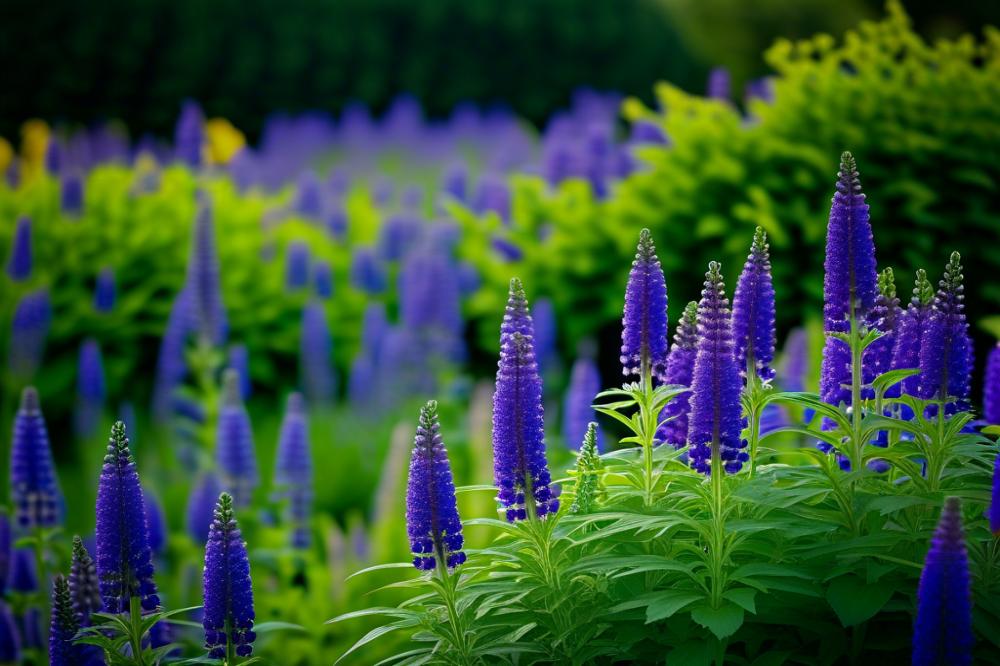
Hyssop is one herb that attracts a variety of beneficial insects. Its vibrant flowers serve as a beacon for bees and butterflies. These insects thrive on the nectar and pollen provided by hyssop. Planting this aromatic plant can increase pollinator activity in any garden. In turn, this boosts the productivity of other plants nearby, thanks to the improved pollination rates they experience.
Creating a space that welcomes pollinators can be as simple as combining hyssop with other medicinal plants and herbs. Consider adding lavender or echinacea, which also attract these insects. A variety of flowering plants can provide continuous blooms throughout the seasons. This diversity ensures that pollinators have food sources from spring to fall. Additionally, many of these plants possess culinary uses, giving you the bonus of fresh flavors in your meals.
When designing a garden with pollinators in mind, consider incorporating drought-resistant species. Not only do they thrive in less water, but they also contribute to soil improvement. By adding plants like thyme or sage, you help create a resilient ecosystem. Companion planting can also be beneficial. Certain plants protect each other, enhancing growth and making the garden healthier overall.
If one aims to create an aromatic and visually appealing garden, pollinator-friendly plants are the key. The scent from herbs like oregano and mint can add layers of complexity to your outdoor space. Plus, the essential oils released by these plants can act as natural pest repellents. This helps keep your garden healthy and thriving without harmful chemicals.
Drought Resistance and Sustainability
Hyssop is known for its impressive resilience and adaptability to dry conditions. This plant thrives even when water is scarce, making it an excellent choice for gardeners in areas prone to drought. Homeowners looking to maintain a vibrant garden without constant irrigation can benefit greatly from incorporating drought-resistant herbs.
Including plants that can survive with little water helps in creating a sustainable garden design. These resilient species reduce the need for extensive watering, which in turn conserves water. This practice supports both local ecosystems and can lower your water bill.
Many aromatic plants like hyssop offer various advantages. They not only withstand drought but also attract beneficial insects. Pollinator-friendly gardens can flourish with these hardy options, further enhancing the garden’s biodiversity.
Medicinal plants should not be overlooked. Some drought-resistant varieties provide essential oils used in aromatherapy and herbal remedies. With proper companion planting, gardeners can support healthy soil improvement while promoting pest control naturally.
Incorporating culinary uses of herbs into your edible landscape also adds value. Fresh herbs can elevate any meal, and growing your own in a sustainable manner reduces the overall carbon footprint. A garden designed with water conservation in mind can become highly functional and beneficial.
When planning your garden, consider these factors. Resilient plants not only add beauty but also play a crucial role in sustainable practices. Water-efficient gardening can lead to healthier ecosystems, ensuring a thriving environment for both plants and pollinators.
Soil Improvement and Companion Planting
Planting hyssop can significantly boost soil health. It has deep roots that help break up compacted ground. This aeration allows important nutrients to reach the surface. Moreover, it attracts beneficial insects that contribute to a thriving garden ecosystem.
When it comes to companion planting, this herb is especially valuable in vegetable gardens. Its aromatic qualities can deter unwanted pests, reducing the need for chemical interventions. Some gardeners find that planting it alongside vegetables enhances flavors in culinary uses. This symbiotic relationship promotes not just growth but also biodiversity.
Compatible Plants that Enhance Growth and Productivity
Several plants thrive alongside this aromatic herb. For example, members of the allium family, such as onions and garlic, often do well in close proximity. These combinations can help each other by fighting off common pests. Additionally, pairing it with tomatoes can boost overall flavor and yield.
Other beneficial neighbors include legumes like beans. Their nitrogen-fixing properties improve soil conditions, while the aromatic plant repels harmful insects. Such strategic garden design maximizes space and enhances productivity in small areas.
Moreover, this herb is drought resistant, making it a smart choice for water-wise gardens. Adding it to your backyard not only improves aesthetics but also supports pollinator friendly habitats. Bees and butterflies are drawn to its colorful flowers, improving the pollination of nearby plants.
Essential oils from hyssop are known for their medicinal properties as well. These can be useful when making home remedies or infused oils. By cultivating this herb, you’ll contribute positively to both garden health and personal wellness.
Final Thoughts
Growing hyssop certainly offers a range of benefits for any backyard gardener. Enhanced biodiversity is one key advantage. This herb attracts pollinators, such as bees and butterflies, which contribute to a healthier ecosystem. Additionally, its aromatic qualities are not just appealing; they can effectively deter pests and support neighboring plants.
Homeowners should consider integrating this plant into their gardening routine. This hardy herb is low-maintenance and resilient, making it ideal for beginners and seasoned gardeners alike. With its vibrant green foliage and purple flowers, it adds beauty to any garden space.
Moreover, incorporating this versatile herb into your life can lead to holistic benefits. Traditionally used in various cultures, it is recognized for its culinary and medicinal uses. The possibilities of making herbal teas or adding it to dishes can enrich meals and wellness routines.
In conclusion, cultivating this plant can enhance your garden’s value while offering practical perks. Embrace the opportunity to grow herbs and explore the joys that come with caring for medicinal plants. Your backyard could become a sanctuary of health and beauty.