The Best Herbs for Creating a Fragrant outdoor space
fragrant herbs play a vital role in enhancing outdoor living spaces. gardening becomes more enjoyable when delightful scents fill the air. Visitors and residents alike appreciate the added sensory dimension that these aromatic plants provide. Landscaping, too, benefits remarkably from the inclusion of these herbs for fragrance.
Imagine walking through a garden filled with lavender and rosemary. The calming aromas create an inviting ambiance that draws people in. Fresh mint leaves can invigorate the air, while the earthy scent of thyme grounds the entire atmosphere. These herbs not only please the nose but also contribute to a unique aesthetic appeal.
Creating an outdoor space that engages the senses can elevate any gathering. From intimate family meals to lively barbecues with friends, fragrances enhance the experience. Guests may linger longer, enchanted by their surroundings. Basil and other herbs offer culinary benefits too, bringing additional value to any garden.
Incorporating aromatic plants into your landscape design should be a priority. This addition enriches not only your outdoor environment but also your life. The right selection of fragrant herbs can transform a simple garden into a serene retreat. By thoughtfully choosing these plants, you ensure a fragrant experience that resonates with everyone who visits.
Fragrant Herbs Defined
Fragrant herbs are plants that possess strong, pleasing scents. These aromatic plants play a crucial role in any outdoor space. Many of them, like lavender and rosemary, have delightful aromas that can transform gardens and patios.
In gardening and landscaping, the benefits of herbs for fragrance are abundant. First, their scents can stimulate the senses. Fresh basil or mint can evoke pleasant memories or feelings of tranquility. Such herbs create an inviting atmosphere in outdoor living areas, making them more enjoyable for families and friends.
Another key aspect of these aromatic plants is their ability to attract pollinators. Bees, butterflies, and other beneficial insects are drawn to the sweet fragrances of flowering herbs. This connection is vital for maintaining a healthy ecosystem in your garden. When pollinators thrive, so do the plants that depend on them.
Using herbs like thyme and mint in landscaping can add visual interest as well. Their lush foliage complements colorful flowers beautifully. Not only do they look good, but they can also be used in culinary creations. Fresh herbs can elevate a simple dish, adding flavor and depth to meals.
Many gardeners choose to incorporate these fragrant plants for their multi-faceted nature. From their contribution to the overall aesthetic to their positive impact on mood, herbs enhance any outdoor space significantly. Cultivating such plants is a rewarding endeavor that goes beyond mere gardening.
Top Fragrant Herbs for Your Garden
Lavender
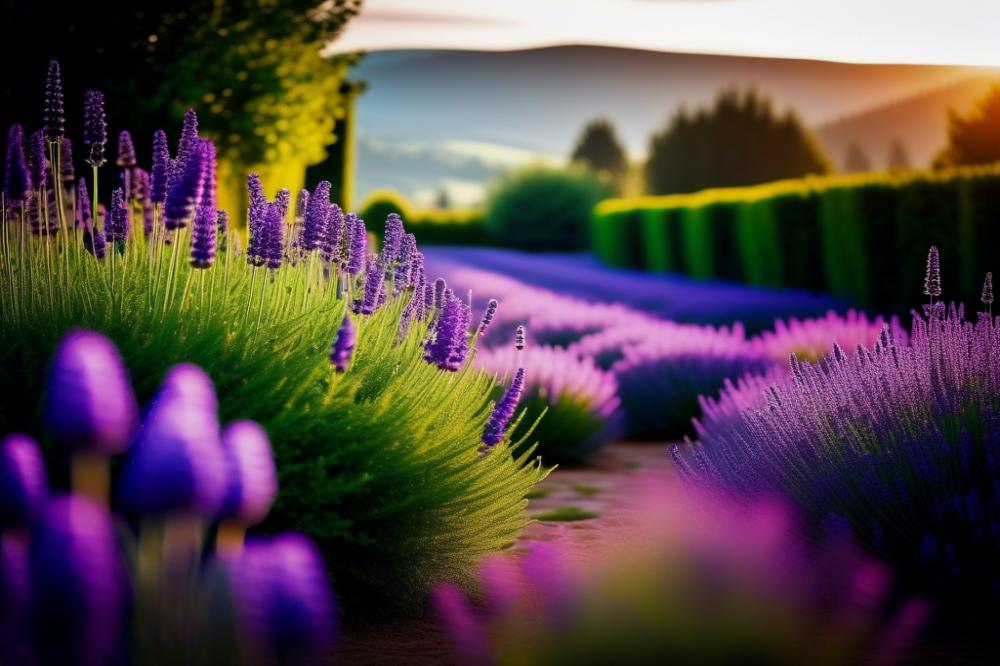
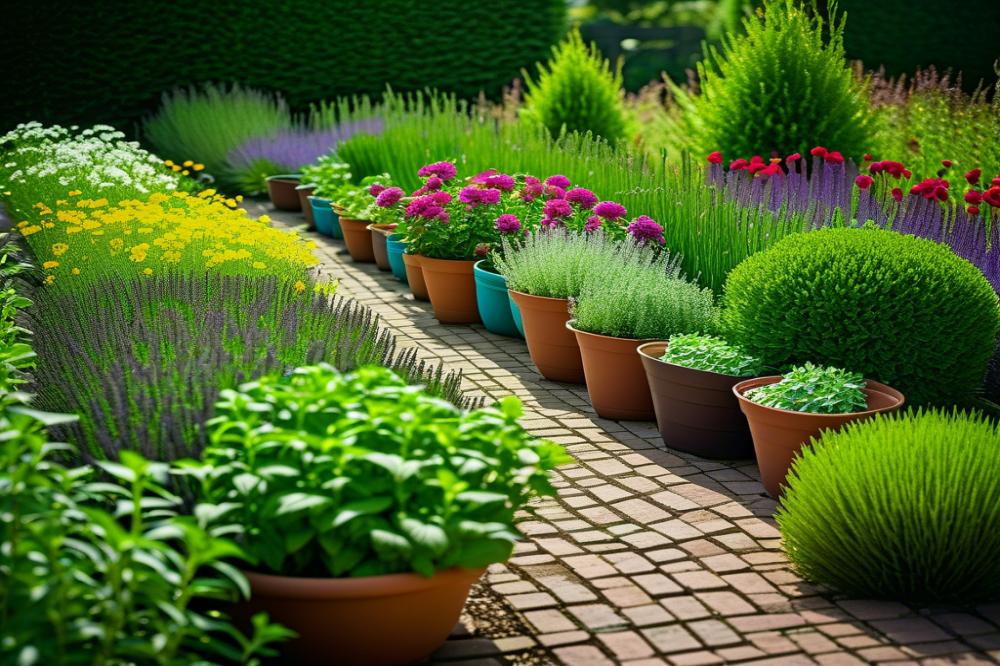
Lavender is renowned for its iconic scent. This herb can infuse your outdoor space with a calming aroma. It is often used in landscaping for its striking purple flowers and gray-green foliage. Beyond aesthetics, lavender is beneficial for pollinators like bees and butterflies, providing a vital nectar source. Planting it in sunny spots can enhance the beauty and fragrance of your garden.
Rosemary
Rosemary brings a robust aroma to any garden. Its scent is earthy and invigorating, making it a favorite among culinary enthusiasts. This aromatic plant is incredibly versatile in the kitchen, perfect for seasoning meats, vegetables, and even baked goods. It is also drought-resistant, making it an excellent choice for low-water gardens. Incorporating rosemary into your outdoor living space ensures both beauty and utility.
Mint
Mint offers a refreshing and invigorating fragrance that can brighten any garden. Different varieties, such as spearmint and peppermint, provide unique scents and flavors. This herb spreads quickly, so it is best to plant it in a contained area, preventing it from overtaking your gardening space. The fresh leaves can be used in drinks, desserts, and salads, bringing delightful flavors to your meals.
Thyme
Thyme has a subtle yet earthy scent that adds depth to culinary dishes. Known for its culinary versatility, it complements meats, soups, and sauces beautifully. This herb also works well as a ground cover, offering a lush green appearance when planted between stepping stones or in borders. If you want to create a tiny herb patch, thyme is a smart choice for both fragrance and function.
Basil
Basil is beloved for its sweet aroma, famous in Mediterranean cuisine. It thrives in warm weather and should be planted in a sunny location. Great for pestos, salads, and sauces, this herb adds fresh flavor to various dishes. Use it to elevate your cooking or as a finishing touch to your meals. Basil is also visually appealing, with its vibrant green leaves enhancing any garden setup.
Growing and Cultivating Fragrant Herbs
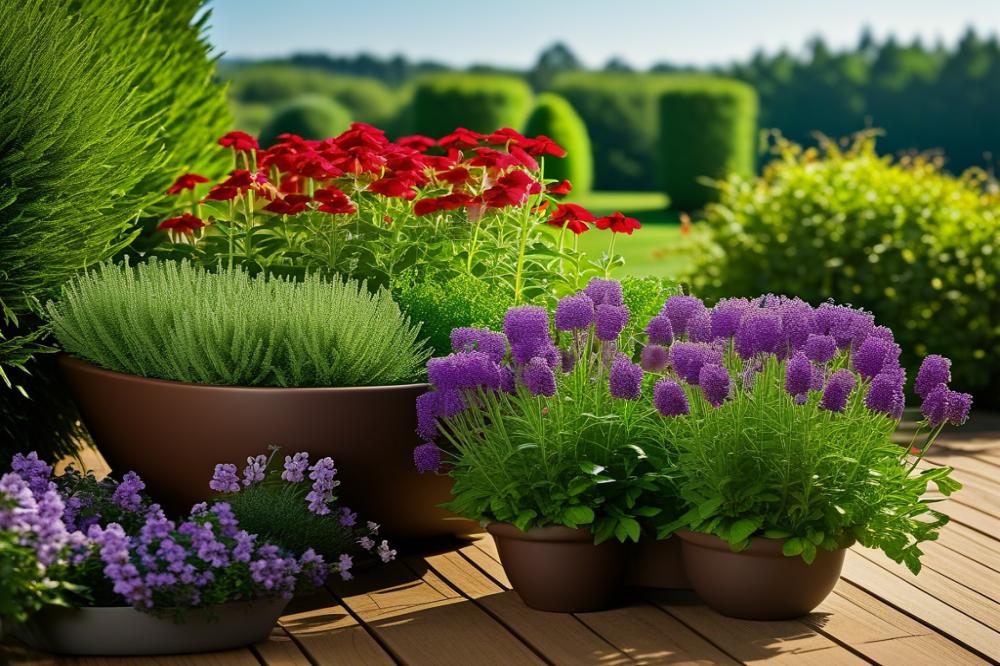
Creating a fragrant outdoor space starts with choosing the right aromatic plants. Lavender and rosemary are favorites among many gardeners. Mint, thyme, and basil also contribute lovely scents. Each of these herbs excels in various conditions, so understanding their needs is essential.
Soil quality plays a significant role in the health of your plants. Most herbs prefer well-drained soil with good organic matter. Adding compost can improve fertility and help retain moisture. Testing your soil’s pH level is also a good practice. Most herbs thrive in slightly acidic to neutral soil, ideally between 6.0 and 7.0.
Watering habits should be adjusted based on the weather and plant needs. A general rule is to water when the top inch of soil feels dry. Be careful; overwatering can lead to root rot. Herbs like rosemary prefer drier conditions, while mint enjoys slightly moist soil. Understanding these preferences will keep your garden thriving.
Sun exposure is crucial for growing herbs for fragrance. Most aromatic plants love full sun, needing at least six hours each day. If you’re landscaping a shaded area, consider using mint or lemon balm, which can tolerate less sunlight. Strategic placement in your garden can improve growth and aroma.
Harvesting techniques impact taste, aroma, and plant growth. The best time to gather herbs is in the morning after the dew has dried. Cut stems with sharp scissors to avoid damage. For plants like thyme and basil, pinching back leaves encourages bushier growth. This practice also promotes more intense flavors and aromas.
Companion planting can enhance the overall garden experience. Some herbs naturally repel pests, allowing neighboring plants to flourish. Basil paired with tomatoes not only boosts flavor but can deter aphids. Similarly, planting rosemary near cabbage can ward off unwanted insects. This technique promotes healthy growth alongside fragrance.
Creating a fragrant outdoor living area involves attention to detail. Choosing the right plants and caring for them allows your garden to thrive. Observe your plants closely, adjusting their needs as necessary. The satisfaction of nurturing fragrant herbs makes the effort worthwhile. Transform your garden into a sensory delight with these tips.
Designing a Fragrant Outdoor Space
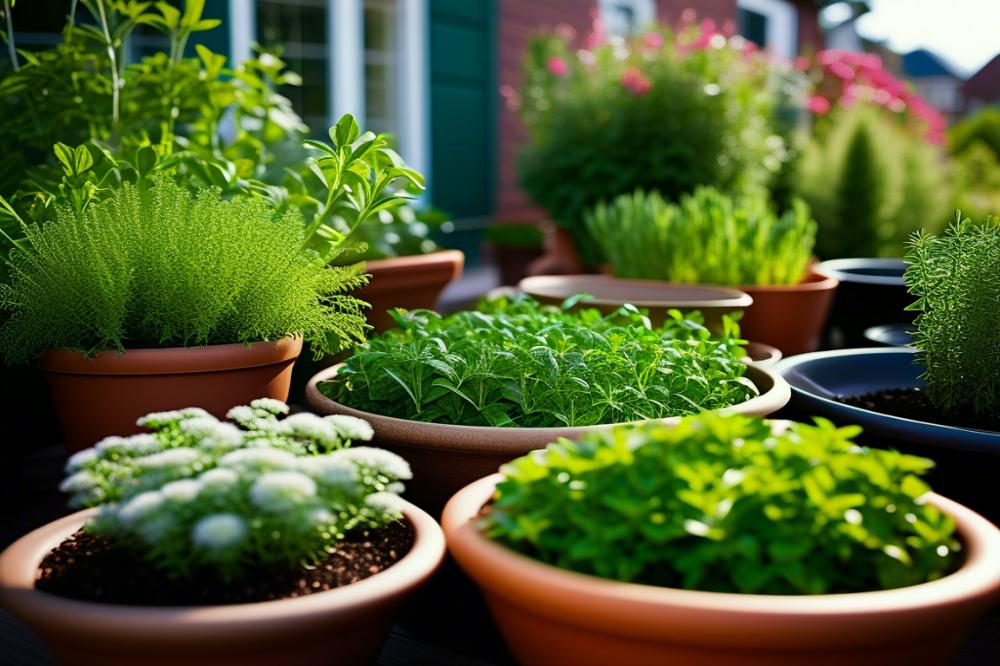
Creating an inviting outdoor space begins with strategic planning. Consider incorporating aromatic plants such as lavender, basil, and mint. These herbs for fragrance not only smell delightful, but they can also enhance the overall look of your garden.
When designing the layout, think about the placement of each plant. Position lavender along pathways to welcome visitors with its pleasant aroma. Rosemary can thrive near seating areas, where its scent will mingle with the air as you relax.
Spacing matters in gardening. Allow enough room for herbs like thyme and mint to spread and grow. This prevents overcrowding and promotes healthy plants. Additionally, group herbs with similar sunlight and water needs to optimize care.
Maximizing sensory experiences enhances outdoor living. Pair herbs with colorful flowers that can attract pollinators. These interactions create a lively atmosphere and boost aesthetic appeal. Selecting complementary plants can also balance fragrances.
Consider adding features like stone benches or wooden trellises. These installations help establish a cozy vibe while framing the plants. As you walk through the garden, the scents from each herb will envelop you and create a unique experience.
Understand the seasons. Some herbs thrive in summer, while others, such as thyme, can survive through cooler months. Rotating plants can keep the fragrance fresh and engaging year-round.
Experiment with different heights and textures for a dynamic garden. Taller plants can provide a backdrop, while shorter herbs fill in the front. This layering creates visual interest and increases fragrance distribution.
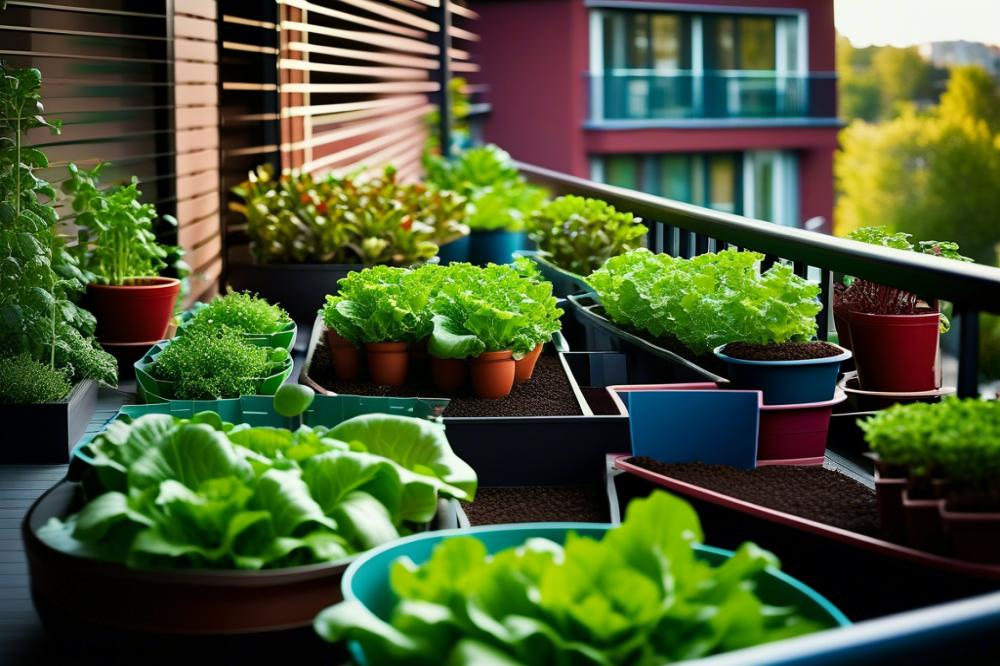
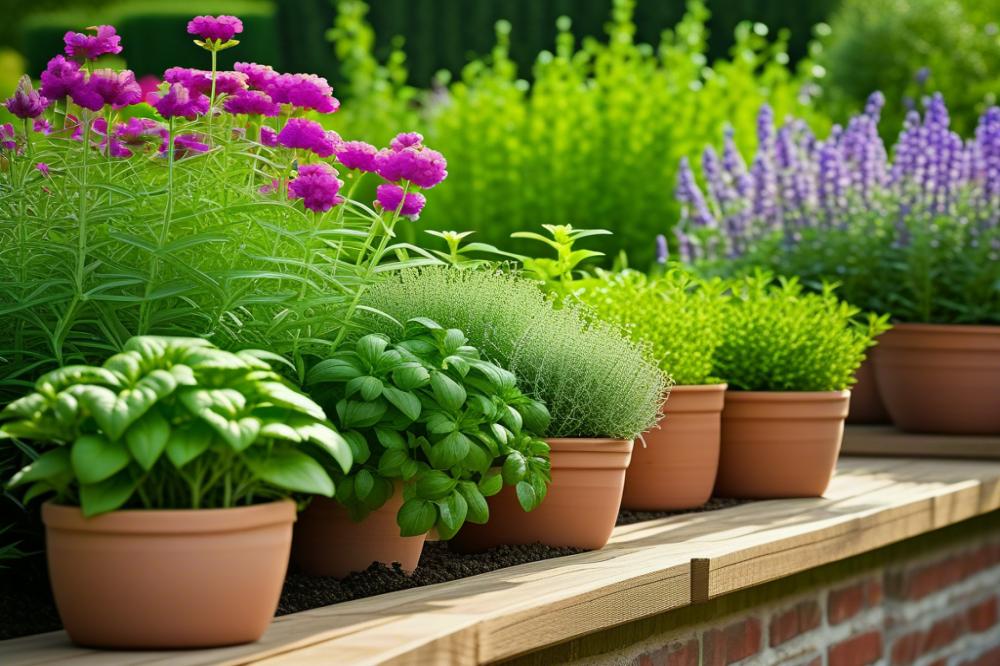
Outdoor living spaces become more enjoyable when thoughtfully designed. Use pots to keep herbs, making them mobile and accessible. Having herbs close by for culinary use adds practicality to beauty. Enjoy your fragrant garden as it grows and evolves over time.
Maintenance Tips for Long-lasting Fragrance
Caring for aromatic plants requires some attention to detail. One of the best practices is regular pruning. Trimming back herbs like lavender and rosemary encourages new growth and enhances their fragrance. When you remove spent blossoms and dead leaves, the plant can focus its energy on producing aromatic foliage. Be sure to prune after flowering in the spring for best results.
Pest management also plays a key role in maintaining robust herbs for fragrance. Keep an eye out for pests such as aphids and spider mites. Introducing beneficial insects, like ladybugs, can help control pest populations naturally. Additionally, regular checks for signs of infestations can prevent larger problems. If you notice an issue, consider using organic insecticidal soap as a treatment.
Seasonal Care for Healthier Herbs
When it comes to herbs like basil and mint, give them a little extra care before the cold sets in. If you have them in pots, bring them indoors if temperatures drop too low. This way, you can continue to enjoy their scent throughout the year. Use pots with good drainage to prevent overwatering in cooler conditions.
Environmental Changes and How to Protect
Changes in the environment can affect fragrance levels. Sudden temperature shifts and heavy rainfall can stress your plants. Consistently monitoring weather patterns can help you prepare. During periods of intense heat, utilize shade cloth to shield your herbs from sunburn. In heavy rain, make sure your planting area has proper drainage to avoid waterlogged roots.
A little effort in maintaining your fragrant garden can lead to a lush outdoor living space. With herbs like thyme, rosemary, and lavender, your efforts will pay off in aroma. Following these maintenance tips will result in an enchanting atmosphere that you and your guests can enjoy. Regular care will also make your landscaping flourish, giving you a delightful array of scents throughout the seasons.
Final Thoughts
Creating an inviting outdoor space can be greatly enhanced by the aroma of various herbs. The subtle scents of plants like lavender, mint, and rosemary not only delight the senses but also promote relaxation and a sense of well-being. Aromatic plants serve as a natural way to elevate your garden, beckoning guests to linger a little longer.
When considering ways to enrich your environment, remember that these plants bring more than aesthetics. They contribute a unique tapestry of fragrances that change with the seasons. Every time you pass by, their lovely scents can evoke pleasant memories or inspire new thoughts.
For those ready to embrace this fragrant journey, starting your own herb garden is an excellent idea. It offers an opportunity to explore the wonderful world of gardening while nurturing your creativity. Try mixing different herbs to see which scents blend best together. Don’t shy away from experimenting; sometimes the most unexpected combinations yield the most delightful aromas.
As you plan your outdoor space, think about how these herbs will complement your landscaping efforts. Each plant not only adds visual interest but also carries its own unique scent profile. Ultimately, integrating herbs for fragrance can transform your backyard into a sanctuary, benefiting both your mood and your surroundings.
Take the plunge. Dig into the soil, nurture your plants, and watch as your outdoor area blossoms into a fragrant oasis.