The Best Herbs for Making Fresh herbal salads
In recent years, fresh herbal salads have gained immense popularity among food enthusiasts and health-conscious individuals alike. These vibrant mixtures are a delightful way to enjoy the benefits of herbs, mixed with various vegetables and toppings. Each ingredient in an herbal salad brings its own taste, transforming a simple dish into a culinary experience.
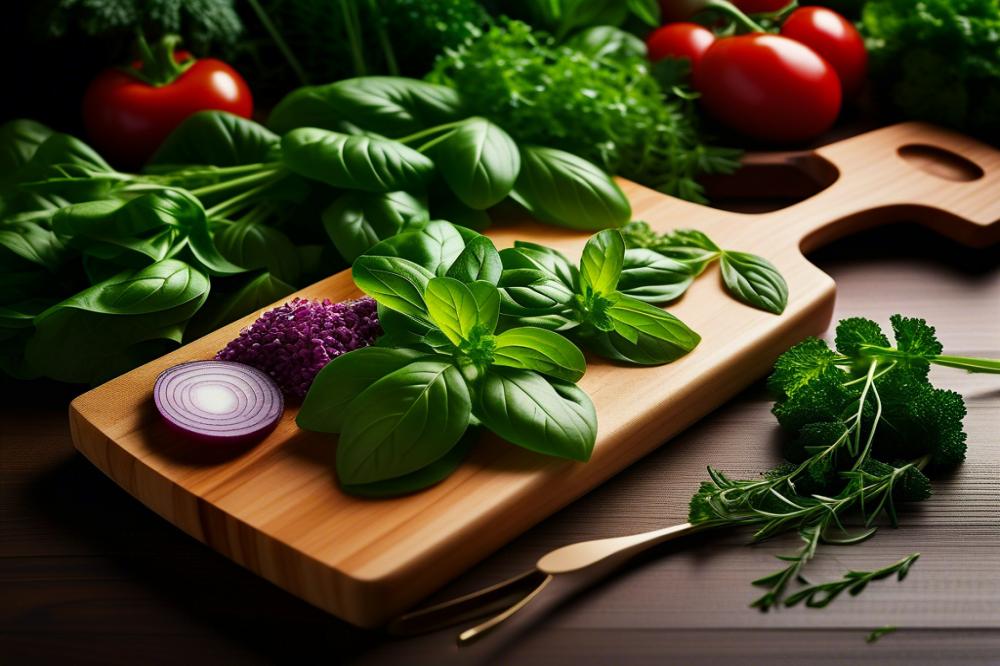
fresh herbs play a crucial role in elevating flavors while also providing a nutritional boost. basil offers a sweet and slightly peppery note, perfectly complementing tomatoes and mozzarella. mint adds a refreshing twist that brightens up any salad, while parsley’s crisp texture is indispensable for many recipes. Additionally, cilantro introduces a bold zest that can bring personality to your salad. Dill, known for its feathery leaves and unique flavor, is ideal for pairing with creamy dressings.
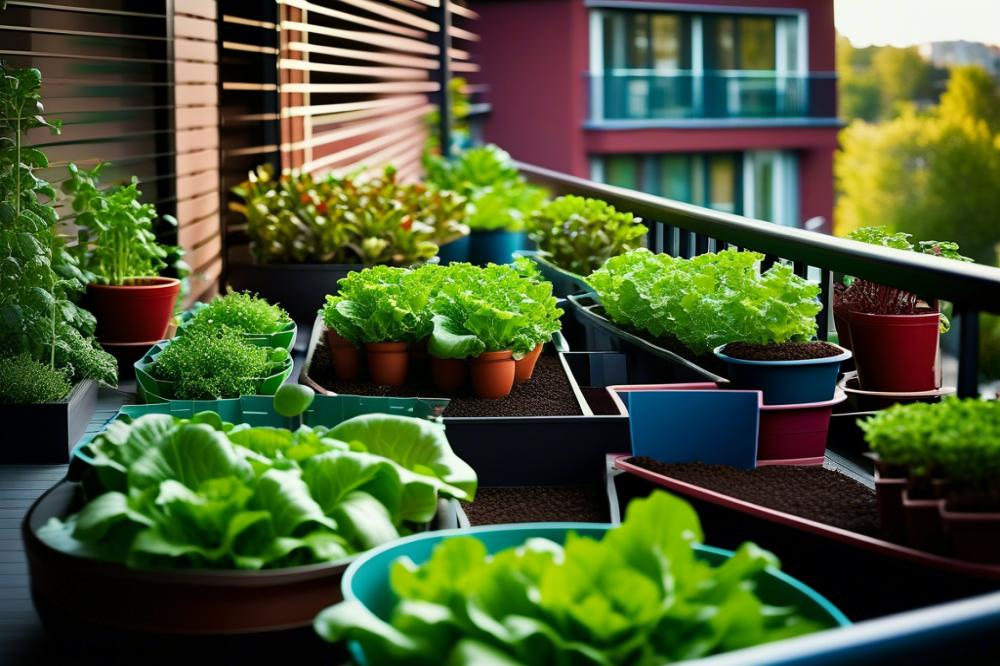
Growing and cultivating herbs can be a rewarding hobby. With just a few pots on a windowsill, anyone can start a lush herb garden. Homegrown chives bring a mild onion taste, while thyme offers an earthy aroma. Arugula, with its peppery profile, also thrives in small spaces and can become a tasty addition to salads. Furthermore, tarragon imparts a distinctive anise-like flavor that can elevate a simple dish to something extraordinary. Green onions, easy to grow, are versatile and can enhance many meals.
Exploring the world of herbal salads opens up countless possibilities. Whether mixed into a salad or used as a garnish, these herbs can truly transform your dishes. Embracing fresh herbs not only enhances your culinary creations but also promotes a healthier lifestyle.
The Benefits of Using Fresh Herbs in Salads
Adding herbs like basil, cilantro, or dill to salads introduces numerous nutritional benefits. These green additions are rich in vitamins and antioxidants. For example, parsley contains vitamin K and is an excellent source of vitamin C. These nutrients contribute to a healthier diet by supporting the immune system and promoting bone health. The addition of arugula is often overlooked, yet it offers a generous amount of calcium and iron.
Not only do herbs provide nutrition, but they also enhance flavor and aroma. mint brings a cool, refreshing taste that can brighten up any dish. Chives add a mild onion flavor that works well in various salads. Each herb carries its own unique scent, making the eating experience more enjoyable. Consider tarragon; its sweet anise-like aroma adds depth to a basic green salad.
Visual appeal takes center stage when considering the use of these ingredients. Herbs can transform a plain salad into a vibrant culinary creation. Bright green leaves from thyme or dashes of red from chopped chives can catch the eye. Mixing colors and shapes creates an inviting presentation. When guests see a variety of herbs sprinkled throughout, their interest piques immediately.
Flavor and nutrition come together beautifully. Fresh herbs unlock a new dimension of taste in salads often missed in plain lettuce. They can make even the simplest ingredients seem gourmet. Dill pairs well with cucumbers, while parsley can bring balance in a heavier dressing. Choosing the right herbs ensures that every bite is packed with potential health benefits.
Essential Fresh Herbs for Herbal Salads
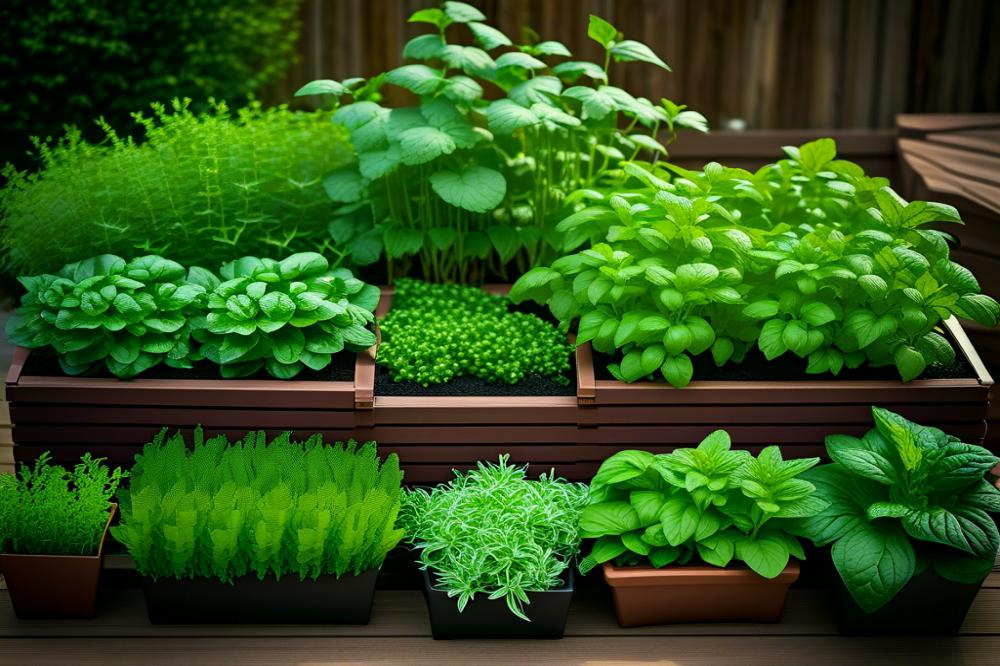
Basil
Basil offers a rich, sweet flavor with hints of pepper and clove. This herb is a staple in many cuisines, especially Italian. Fresh leaves can elevate a salad by adding depth. It pairs perfectly with tomatoes, mozzarella, and vinaigrettes. Try using basil in a caprese salad for a classic touch. The aromatic quality makes it a favorite for dressings as well.
Mint
Mint brings a refreshing burst that can brighten any dish. Its cool taste works well in both sweet and savory recipes. When added to salads, mint complements fruits like watermelon and citrus very nicely. Consider mixing it with onion, cucumber, and yogurt for a delightful Mediterranean dish. Mint also serves well in teas, offering versatility beyond just salads.
Parsley
Parsley is not just a garnish; it’s a powerhouse of nutrients. Rich in vitamins A, C, and K, this herb contributes health benefits to your meals. Flat-leaf parsley has a bolder flavor compared to the curly variety. It enhances salads with a mild, fresh taste. Use it as a base for tabbouleh or mix it into grain salads for added color and nutrition.
Cilantro
Cilantro features a distinctive flavor that many adore while others find overwhelming. Its citrusy notes pair superbly with spicy dishes and salsas. This herb holds cultural significance in many cuisines, particularly Mexican and Asian. Cilantro shines when mixed with tomatoes, avocados, and lime in a fresh salad. Embrace its strong flavor, but use it thoughtfully.
Dill
Dill has a somewhat tangy flavor that creates a unique profile. This herb is commonly associated with pickling but adds an intriguing touch to salads. Pair dill with cucumbers and yogurt for a classic tzatziki sauce. It also works wonders in seafood salads, bringing out the natural flavors of fish. Sprinkle fresh dill before serving to enhance its aroma.
Chives
Chives provide a mild onion-like flavor that can enhance various dishes. Their fine, green stalks add a lovely presentation to salads. Chopped chives can elevate potato salads or creamy dressings. Use them liberally for a subtle addition without overwhelming the other ingredients.
Arugula
Arugula has a peppery bite that can invigorate a basic salad. Often considered a leafy green, it contributes both flavor and texture. Mixing arugula with fruits, nuts, and cheese creates a balanced dish. Its robust nature holds up well against bold dressings, making it a fantastic choice for more complex salad variations.
Tarragon
Tarragon introduces a slight anise flavor that is quite distinctive. This herb can elevate vinaigrettes and dressings with its aromatic qualities. Use fresh tarragon in chicken salads or to complement seafood. It pairs well with lemon and mustard, adding depth to your creations.
Green Onions
Green onions, also known as scallions, provide a crisp texture and mild onion flavor. Both the green tops and the white base can be used in salads. Incorporating them adds layers of taste without the intensity of regular onions. They blend beautifully with a variety of vegetables and herbs.
Thyme
Thyme brings a subtle earthiness that enhances many dishes. Its tiny leaves pack a punch, especially when fresh. This herb is excellent in roasted vegetable salads or grain mixes. Overall, thyme can add a calming depth without overpowering other flavors.
Other Delightful Herbs to Consider
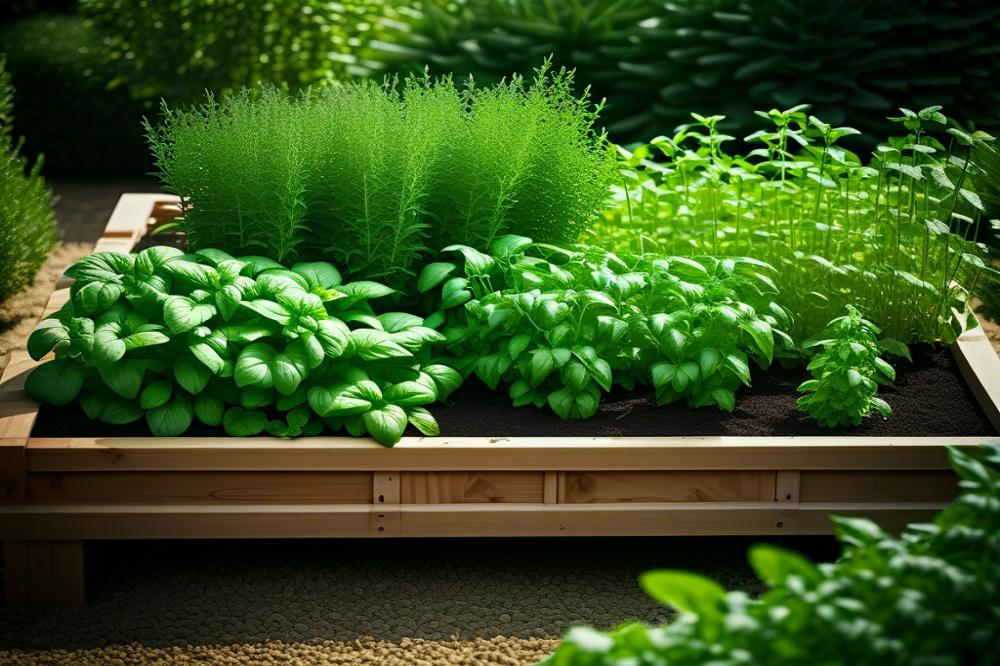
When crafting a salad, various additional herbs can elevate the dish. Chives add a mild onion flavor that complements many ingredients. Their slender green stalks not only taste delightful but also serve as an appealing garnish. You can sprinkle them on top for a burst of color and flavor.
Next, consider arugula. This leafy green brings a peppery taste that spices things up. Arugula is not just flavorful; it also offers impressive health benefits. Many nutritionists recommend it for its high nutrient content.
Tarragon introduces a distinct taste that can enhance salads brilliantly. This herb has a slightly sweet, anise-like flavor. Mixing it with vinaigrette creates a sophisticated dressing that adds depth to your salad mix.
Green onions, also known as scallions, provide a crunchy texture. Their mild taste makes them suitable for salads, where they can complement other herbs like basil or mint perfectly. You might find these onions in many recipes, as they add a fresh bite.
Thyme is another excellent choice. Its earthy flavor can ground other vibrant tastes in your dish. This hardy herb is often used in cooking but can shine in fresh salads as well. Imagine tossing some thyme leaves into a mix of cilantro and dill for an unexpected twist.
Growing and Cultivating Fresh Herbs
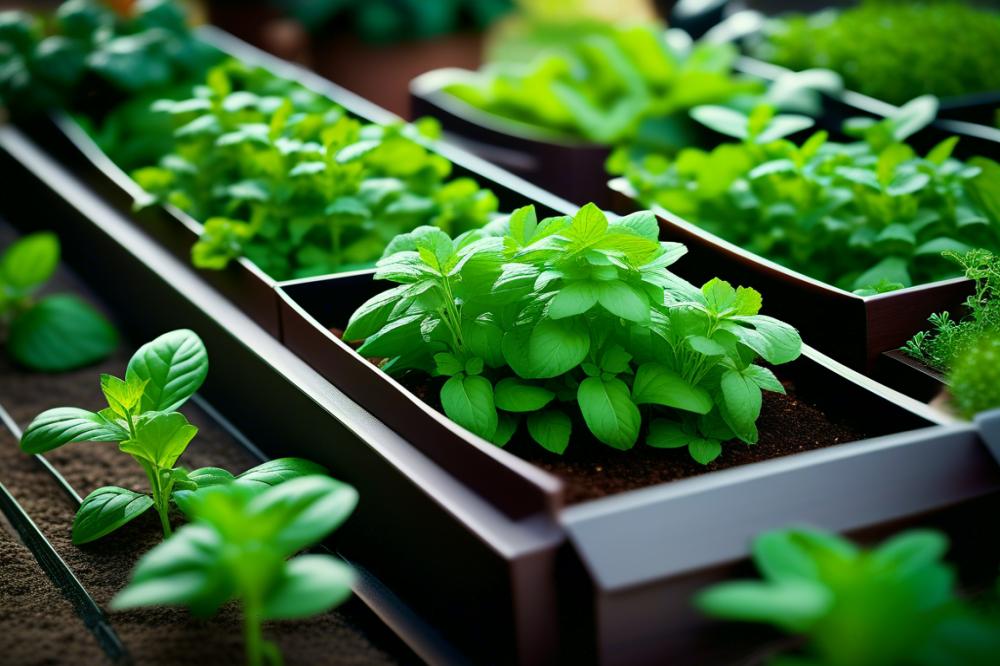
Growing your own herbs can be a rewarding experience. First, consider best practices for cultivation. Select a location that offers adequate sunlight, as most herbs need plenty of it. Watering is essential, but be careful not to overdo it. Too much water can lead to root rot.
Tips for Starting an herb garden at Home
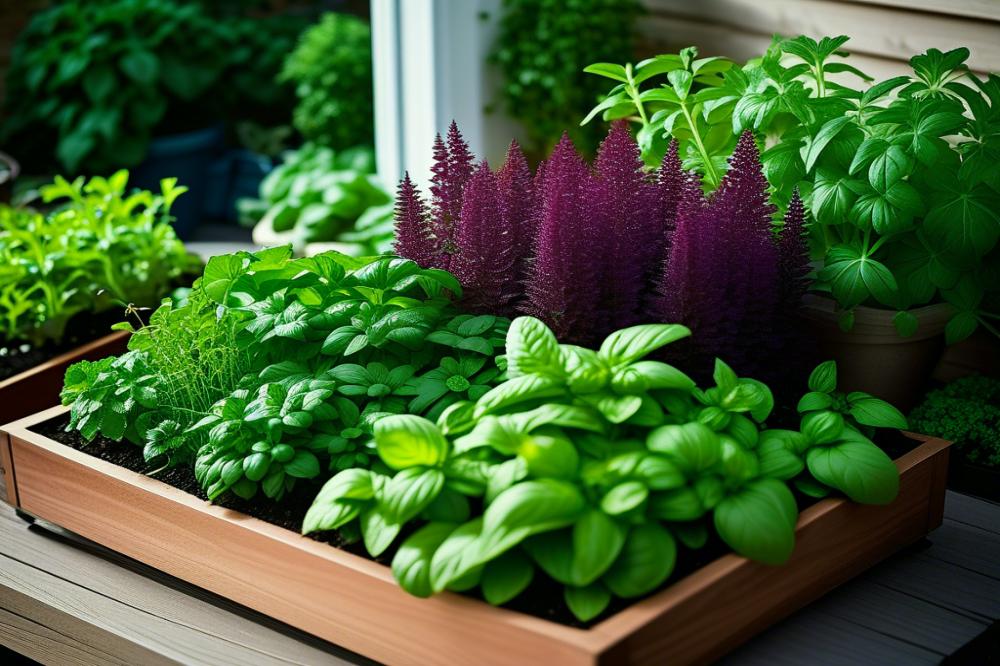
To begin your herb garden, choose a mix of basil, mint, parsley, and cilantro. These herbs work well together. Starting with seedlings can enhance your success. They are often easier to grow than seeds. If you do choose seeds, follow the suggested depth on the seed packet.
Another important tip is spacing. Herbs need room to grow, so ensure pots or garden beds are at least a foot apart. Using containers is an excellent option for those with limited space. Terracotta pots can add a touch of style while helping with drainage.
Ideal Growing Conditions
Each herb prefers different conditions. Basil thrives in warm weather, needing full sun and moist soil. Mint enjoys a little shade, but it also requires consistent moisture. Parsley and cilantro grow best in moderate sunlight and well-drained soil.
Dill loves sunny spots but can struggle in overly hot climates. Chives prefer cooler temperatures and partial shade. Arugula requires rich soil and does well in cooler weather. Tarragon needs full sun and well-drained soil, while green onions enjoy mild conditions. Thyme flourishes in dry, sandy soil with lots of sunlight.
Pest Control and Maintenance
Keeping herbs healthy means being proactive about pests. Regularly check for aphids or spider mites. If you spot them, consider using insecticidal soap for control. Neem oil is another option that works well with a variety of pests.
Maintenance includes regular harvesting. Harvesting encourages new growth. Just be cautious not to take too much at once. Pruning herbs promotes bushiness and can improve flavor. Always remove dead leaves to maintain health and appearance.
Finally, don’t overlook the use of companion planting. Some herbs can deter pests naturally when planted together. For instance, basil can repel flies and mosquitoes when grown near other plants.
Creative Ways to Use Fresh Herbs in Salads
When making salads, incorporating herbs can really enhance the flavors. Consider a salad that combines arugula, mint, and feta cheese. The peppery taste of arugula pairs well with the sweet and refreshing notes of mint. This duo, topped with crumbled feta, creates a pleasing contrast that excites the palate.
Mixing different herbs can lead to interesting flavor combinations. Try adding basil and cilantro together for a Mediterranean twist. Create a simple salad with tomatoes, mozzarella, and a hint of shredded cilantro. This fresh mix brings out the best in every ingredient.
For an unexpected flavor burst, whip together a salad using tarragon and green onions. Combine thinly sliced roasted chicken with mixed greens. Toss in chopped tarragon, sliced green onions, and a sprinkle of walnuts. This combination adds both texture and a delightful herb-infused flavor.
Dressings play a crucial role in enhancing herbal salads. A lemon vinaigrette made with thyme is refreshing. Just whisk together olive oil, fresh lemon juice, and chopped thyme. This dressing complements most salads and elevates the taste of the herbs.
Experimenting with toppings can also transform a basic dish. Consider adding dill and chives to a creamy dressing. A blend of sour cream, chopped dill, and finely sliced chives creates a savory topping. It pairs wonderfully with a cucumber and parsley salad.
Another delicious idea is to create a Mediterranean herb salad. Combine basil, parsley, and mint with olives and chickpeas. Toss everything with a drizzle of olive oil and a bit of lemon juice. This airy, healthy salad bursts with flavor and texture.
Incorporating herbs isn’t limited to leafy types alone. Chives add a mild onion flavor that enhances many dishes. Mix them with diced tomatoes and a touch of feta for a refreshing twist on traditional flavors.
Embracing the Flavors of Fresh Herbs
Using fresh herbs can transform simple salads into delightful culinary experiences. They bring vibrant flavors, and nutritional value, and can even elevate the presentation of your dishes. Imagine biting into a salad adorned with the crispness of basil leaves or the refreshing notes of mint. Such ingredients do more than just taste good; they also provide essential nutrients, making your meals healthier.
Experimenting with growing your own herbs can be a rewarding adventure. Even a small pot of basil on a windowsill can provide ample leaves to enjoy in your salads. Mint can be grown easily in gardens or containers, rewarding you with its aromatic leaves to add a refreshing kick. These plants thrive in various conditions, making them accessible for anyone to try their hand at gardening.
Incorporating herbs into your cooking should not feel daunting. Try adding a sprinkle of chopped parsley or a few leaves of cilantro to your favorite dishes. Discovering how herbs can enhance your meals is part of the fun. Don’t hesitate to mix and match different types as you explore flavors. Creating unique combinations might surprise you in the best way.
As you dive into the world of herbs, remember to have fun with it. Taste, learn, and enjoy the process. Whether you’re preparing a salad for yourself or guests, fresh herbs can take your meals to new levels. Embrace the joys of cooking with them, and your palate will thank you.