Exploring the Benefits of herbal infusions
herbal teas have gained popularity as people seek natural ways to improve their well-being. These beverages offer a soothing touch that can transform an ordinary moment into a calming experience. With numerous flavors and health benefits, they have become a go-to choice for many. Making your own blends at home adds a personal touch to the ritual of tea drinking.
Growing your own herbs to use in these infusions brings a sense of accomplishment and connection to nature. Herbal gardening has become a favorite hobby for those looking to cultivate their own healing plants. Imagine snipping fresh chamomile or fragrant mint from your garden. It transforms simple tea-making into a delightful process.
Health benefits abound with many herbs. Drinking lemon balm can help reduce stress, while rosemary may enhance memory. The calming properties of lavender are well-known, often used for relaxation. Making DIY herbal remedies not only saves money but also empowers individuals to take charge of their wellness.
Different types of herbs offer assorted flavors and characteristics. Thyme, sage, and mint can add zest to your infusions, while chamomile provides a gentle floral note. Each herb adds its own unique benefits, making the pursuit of herbal gardening incredibly rewarding.
Creating your own blends invites creativity into your kitchen. You can mix and match according to your taste preferences and health needs. This exploration reveals the diversity of flavors and scents available. With so many herbs to grow, the potential for delightful discoveries is endless. Get ready to dive into the world of herbal infusions and unlock the wellness they offer.
Understanding Herbal Infusions
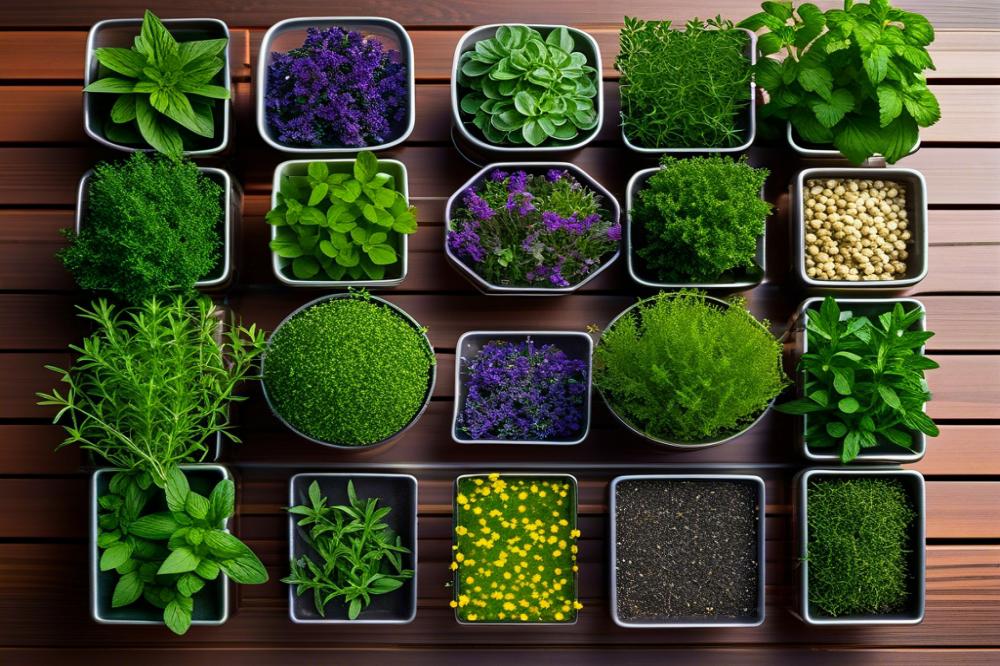
Herbal infusions, often called herbal teas, are made by steeping plant materials in hot water. This process releases flavors and beneficial compounds from leaves, flowers, or roots. To create a simple infusion, you just need to boil water and pour it over the herbs. Covering the mixture allows the flavors to develop, usually for about five to ten minutes. After steeping, strain the liquid to enjoy a refreshing beverage.
It is essential to note that herbal teas differ from traditional teas, which come from the Camellia sinensis plant. Unlike regular teas, which often contain caffeine, most herbal infusions are naturally caffeine-free. This key difference makes herbal beverages appealing to those seeking relaxation or a soothing experience.
Health benefits can be plentiful when consuming herbal infusions. Many herbs possess therapeutic properties that may support well-being. For example, chamomile is often praised for its calming effects, while mint can aid digestion. Other herbs like lavender and lemon balm are chosen for their stress-relieving qualities. Many people also enjoy rosemary, sage, and thyme for their potential antioxidant benefits, making herbal gardening a practical hobby for DIY herbal remedies.
People have been using herbal infusions for centuries, drawing upon nature’s bounty to support various health needs. Each herb offers a unique flavor profile and set of benefits. From relaxing evenings with a cup of chamomile to refreshing mint during hot days, the choices are abundant.
Enjoying herbal infusions is more than just a beverage choice; it connects you to traditions of healing and wellness. Whether savoring a warm mug or trying new blends, each sip can foster a deeper appreciation for nature’s offerings.
Essential Herbs for Herbal Infusions
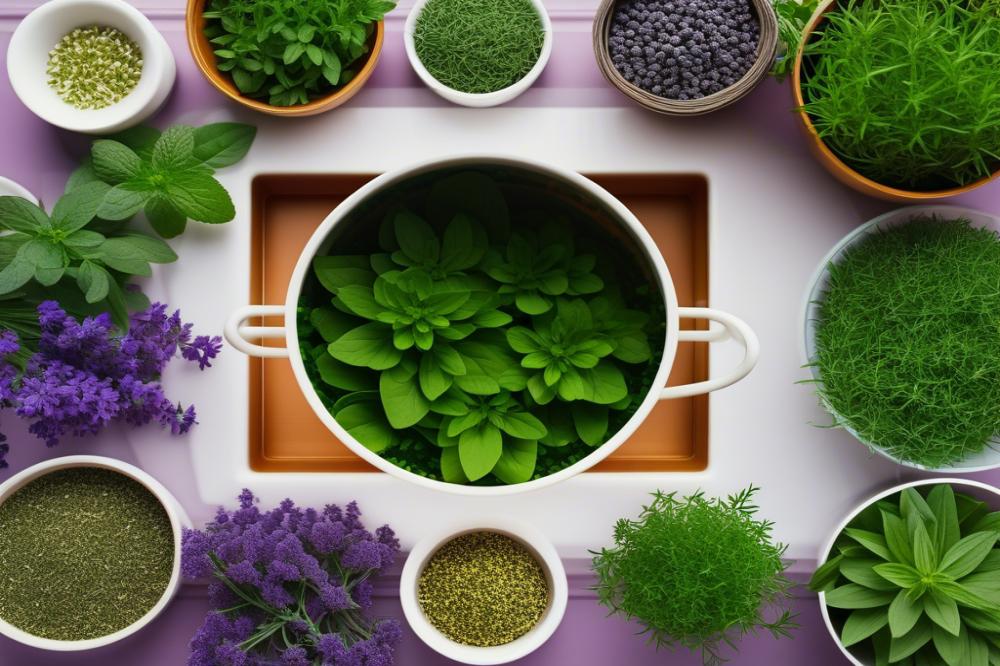
Making herbal tea at home can be rewarding and enjoyable. Various herbs thrive in different growing conditions, offering distinct flavors and benefits. Here are some of the best herbs to consider planting in your garden for delicious homemade infusions.
Chamomile
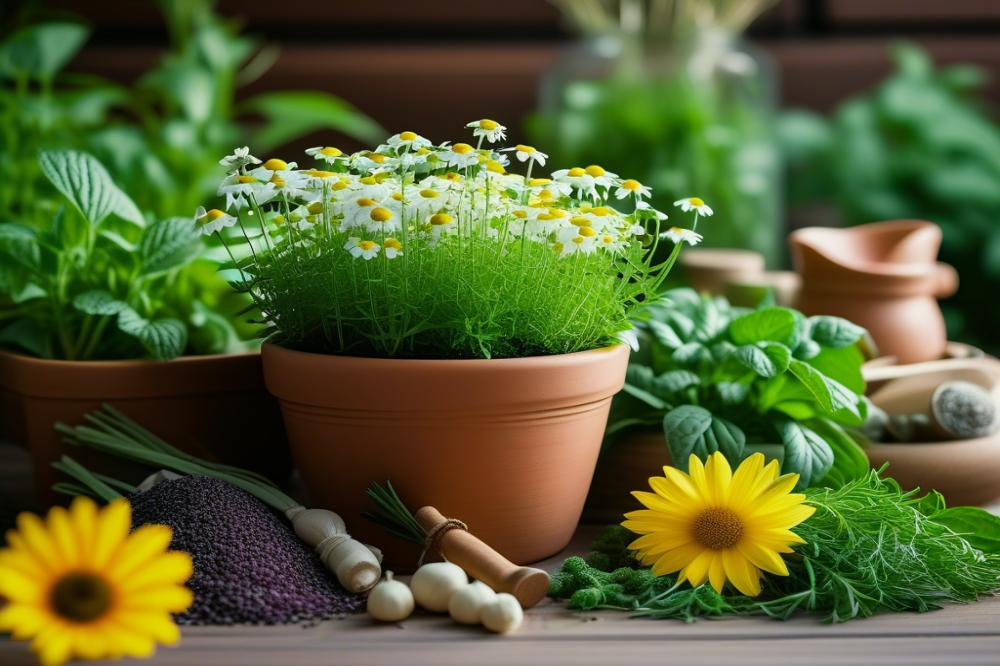
Chamomile is popular for its calming effects. This delicate flower can be harvested for soothing infusions. It generally prefers full sun and well-drained soil. When you want to make an infusion, simply steep dried chamomile flowers in hot water for about five minutes. Enjoy its light, apple-like flavor while reaping its relaxation benefits.
Mint
Mint comes in several varieties, each with a unique flavor profile. Peppermint and spearmint are two widely loved types. Growing mint is relatively simple; it thrives in moist, rich soil and partial to full sun. Regular pruning encourages healthy growth. The refreshing taste of mint can elevate any herbal infusion, adding a cooling note to your drink.
Lavender
Lavender offers a lovely aroma alongside its calming properties. The purple blooms not only enhance the look of your garden but can also create delightful infusions. They require well-drained soil and plenty of sunlight. When added to boiling water, lavender lends its floral fragrance, making for a wonderfully soothing beverage that may help relieve stress.
Lemon Balm
Lemon balm has a bright, citrus flavor that many find uplifting. This herb grows best in full sun, although it appreciates some shade during hotter weather. Easy to care for, it brings a sweet scent and a touch of sunshine to your herbal gardening endeavors. Steeping lemon balm leaves in hot water yields a refreshing drink that can boost your mood.
With these essential herbs, your garden can become a source of delicious DIY herbal remedies. Other herbs like rosemary, sage, and thyme can also contribute to various infusions, enhancing both flavors and health benefits. Selecting a few from this list will set you on a path to enjoy delightful homemade brews.
Herbs for Flavorful and Healthful Infusions
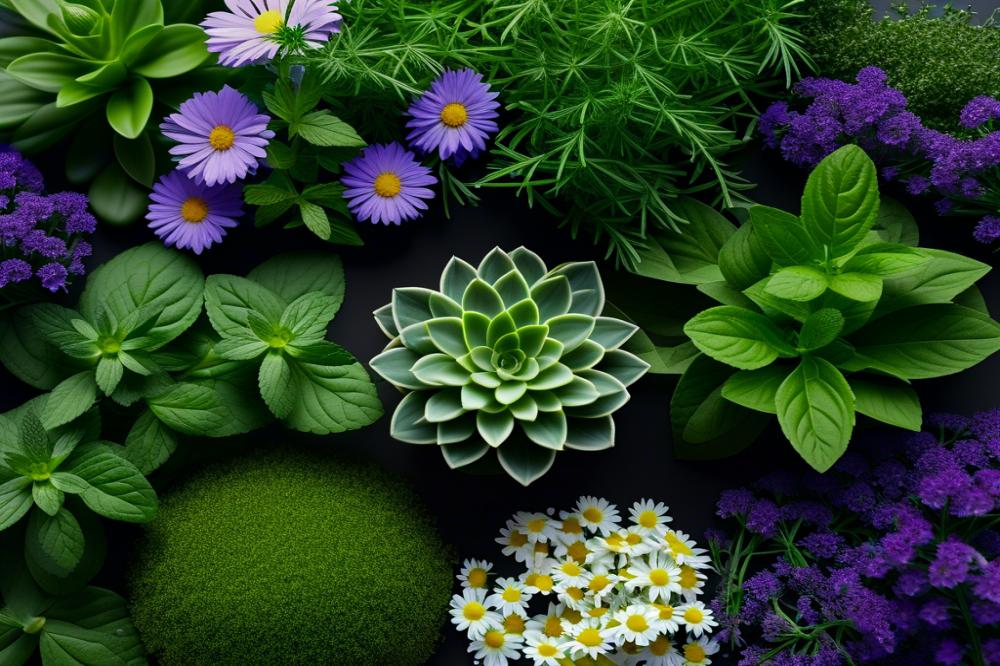
Herbal infusions can be a delightful way to explore flavors and benefit from various health properties. Many herbs are perfect for this purpose, and here are a few that stand out.
Rosemary
This fragrant herb is not just a culinary favorite; it also boasts several health benefits. Rosemary has been linked to improved digestion and even enhanced memory. Growing it is relatively easy. It thrives in well-drained soil and plenty of sunlight. With minimal care, this herb can flourish in your garden or even in pots.
Sage
Sage has a rich history of traditional uses in herbal remedies and cooking. Its earthy flavor adds depth to any herbal tea. This herb is known for its potential to provide antioxidant support and promote respiratory health. To grow sage, plant it in a sunny spot with good drainage. Regular pruning keeps it bushy and productive.
Thyme
Thyme is another powerhouse herb worthy of your garden. It contains powerful antioxidants that combat free radicals in the body. This herb works well in infusions that can soothe coughs or support immune function. The delicate leaves can be steeped in hot water to create a flavorful herbal brew. Grow thyme in a sunny area with well-draining soil for the best results.
Other herbs like chamomile and mint also yield gentle, refreshing herbal tea. Lavender adds a calming scent and flavor, perfect for relaxing evenings. Lemon balm is valued for its soothing qualities, and it thrives in a variety of environments. Engaging in herbal gardening allows you to cultivate these beneficial plants right at home. Consider exploring DIY herbal remedies to harness their full potential.
Creating a Thriving Herbal Garden
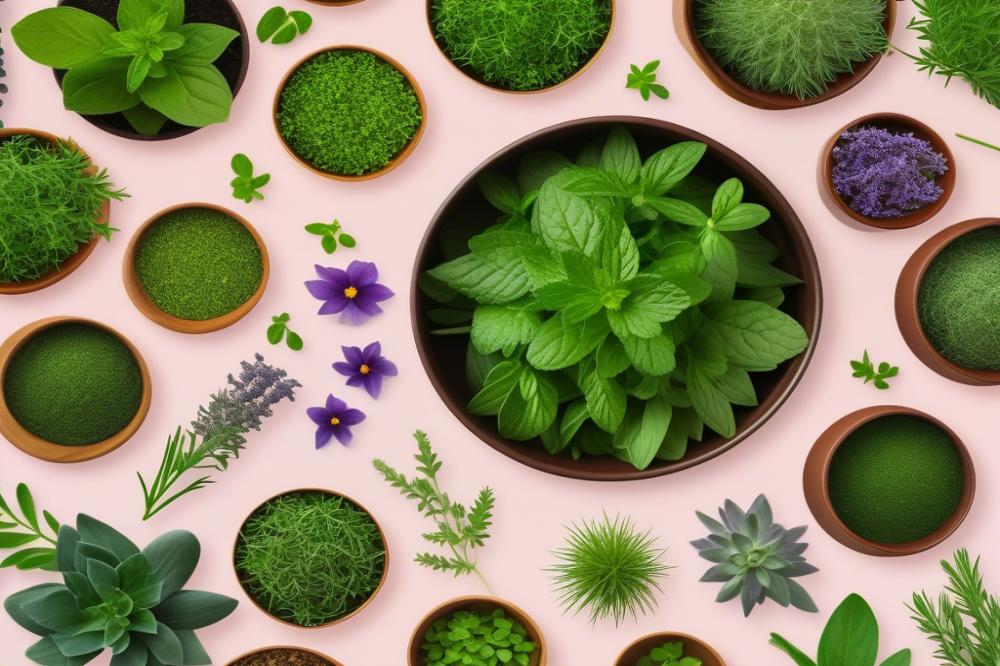
Starting an herbal garden can be an exciting journey. To cultivate successful herbs like chamomile, mint, and lavender, the right preparation is crucial. Begin with soil preparation. Good drainage is essential since herbs don’t thrive in soggy conditions. Loamy soil mixed with compost works well for most herbs and provides nutrients. Testing your soil can guide your choices. Aim for a pH level between 6.0 and 7.0 for optimal growth.
Next, consider the sunlight needs of your plants. Most herbs prefer full sun, which means they need at least six hours of direct sunlight each day. Position your garden in a spot that receives ample light. Some herbs, such as lemon balm and sage, can tolerate partial shade, but aim for sunny spots when possible.
Watering is another important aspect. Young herbs require more frequent watering until their roots establish. Once they mature, adjust the frequency. Water only when the soil feels dry to the touch about an inch deep. Overwatering can lead to root rot and other issues. Check for wilting leaves as a sign they need moisture.
Companion planting is a wonderful strategy in herbal gardening. Certain herbs not only grow well together but also enhance each other’s flavors. Plant thyme near rosemary to create a hearty aroma, or intersperse basil with your other herbs to deter pests naturally. This practice can also improve your yield. Keep an eye out for plants that attract beneficial insects, as they help with pollination.
For a continuous supply of herbs throughout the seasons, regular maintenance is key. Regular harvesting encourages new growth. As you collect herbs, remove any dead or wilted leaves. Pruning is also beneficial, especially for woody herbs like rosemary and sage. Mulching around your plants can help retain moisture and suppress weeds, making your garden easier to care for.
Being observant while gardening will also pay off. Watch for pests and diseases. Early detection can prevent larger issues. Organic options for pest control exist, so you can avoid harsh chemicals. DIY herbal remedies often begin right in your backyard, and keeping your garden healthy enhances your infusion options significantly.
Enjoy the benefits of an herbal garden. With the right conditions and care, you will find that these plants can become a consistent source of flavor and wellness in your life. Whether drinking herbal tea or using fresh herbs in cooking, cultivating your own plants makes the experience even richer.
DIY Herbal Remedies from Infusions
Using herbal infusions is an excellent way to craft your own remedies at home. Herbal tea made from fresh herbs can provide a soothing experience. Chamomile is known for its calming effects, while mint can help with digestion. Incorporating lavender into your tea may promote relaxation and better sleep.
Another popular approach is to create tinctures. This method involves soaking herbs in alcohol or vinegar to extract their beneficial properties. Rosemary, sage, and thyme can all be used. The process takes a bit of time, usually several weeks, but the result is a concentrated liquid that can be added to water or taken on its own. The preservation offered by tinctures allows you to enjoy the health benefits of your garden fresh herbs long after the season has ended.
Syrups are another delightful option. Infused with sugar or honey, these sweet concoctions make a tasty addition to tea. Lemon balm can be a wonderful choice for making refreshing syrups. Simply steep the herbs in boiling water, strain the liquid, and mix it with your sweetener of choice. The result is a versatile syrup that can enhance beverages or be drizzled over pancakes.
Last but not least, creating infused oils can add a special touch to your kitchen. Oils infused with sage or rosemary can uplift salad dressings or marinades. To make them, you’ll want to heat your chosen oil gently with your herbs for a few hours. Strain it once the flavor has infused, and your oil will be ready to use.
Herbal gardening offers a unique opportunity to explore different flavors and benefits from your own backyard. With a variety of herbs at your fingertips, you can experiment with numerous combinations for each remedy. The convenience of using fresh ingredients makes home-based herbal remedies easy and rewarding.
Wrapping Up the Herbal Experience
growing herbs at home can be a rewarding hobby. The joy of nurturing plants is just the beginning. Harvesting the fruits of your labor for delicious herbal tea adds another layer of satisfaction. Each plant, from mint to chamomile, brings its own flavor and aroma to your kitchen. Crafting your infusions can feel like creating your own art.
Many people find that homegrown herbs offer fresher options compared to store-bought alternatives. Enjoying the health benefits associated with these plants might also encourage a more natural lifestyle. As you sip on your fragrant infusion, you might appreciate the care that went into growing each leaf.
Starting your own herb garden is not just about growing plants; it’s about exploring and experimenting. Different combinations can lead to delightful discoveries. Perhaps a soothing blend of lavender and lemon balm will become your new favorite. The simple act of brewing can become a meditative practice.
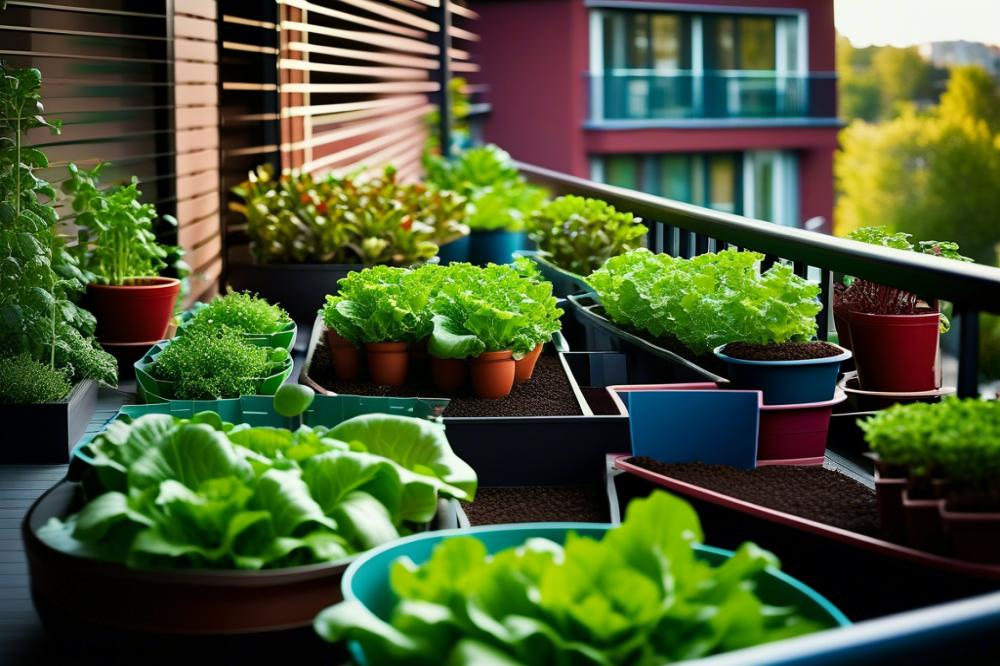
Encouragement comes from knowing that anyone can start small. Even a windowsill garden can thrive with a few potted herbs. Feel free to get creative as you brew, trying new blends and refreshing your infusion recipes. So, why not dive into this enriching experience? Gardening can lead to delicious results. Love for growing herbs expands into many joyful moments, ensuring your kitchen stays fragrant and lively. Happy gardening!