The Best herbs to Grow for natural pest control
Gardening offers a fulfilling way to connect with nature while producing fresh food. For many, the challenge of pest management can overshadow the joy of watching plants thrive. Using chemicals can be effective, but they often come with risks to health and the environment. Therefore, finding natural pest control methods should be a priority for any gardener. One effective strategy is cultivating specific herbs that not only help repel unwanted critters but also promote overall garden health.
Herbs like basil, mint, and rosemary harbor scents and flavors that pests typically avoid. For instance, basil can deter aphids and mosquitoes, while mint is known to keep ants and other insects at bay. Additionally, thyme and dill attract beneficial insects that prey on harmful pests, creating a natural balance in your garden. Marigold flowers add another layer of defense by repelling nematodes and aphids, enhancing the protective benefits of your herb garden.
The interest in sustainable gardening practices has surged. More gardeners now seek eco-friendly solutions that minimize chemical usage. Recognizing the versatility of herbs like lavender and catnip can be quite empowering. Lavender has a delightful scent that deters many pests, while catnip is particularly effective against mosquitoes. Furthermore, incorporating sage and neem can provide additional layers of protection and enhance the overall health of your plants.
Ultimately, growing herbs for pest control not only benefits your garden but can also beautify your outdoor space. As more people look to sustainable and green methods, the use of these plants is becoming increasingly popular. Embracing these natural practices may lead to a more productive garden and a healthier environment. So, consider adding some of these remarkable herbs to your garden. They may very well be the key to successful and thriving plants.
Understanding Natural Pest Control

Natural pest control is an environmentally friendly approach to managing pests. This method uses various plants, techniques, and beneficial insects instead of synthetic chemicals. It offers effective pest management while also protecting the ecosystem. Many people prefer these methods because they reduce harmful residues on food and promote biodiversity.
Companion planting plays a crucial role in pest management. This practice involves growing specific plants together to enhance their pest-repelling properties. For instance, basil can repel flies and mosquitoes. Planting marigolds near vegetables can deter nematodes and other soil pests. By pairing these complementary plants, gardeners can create a balanced environment that supports plant health.
Attracting beneficial insects through herbs is another strategy. Herbs like dill and lavender attract pollinators and other helpful insects, such as ladybugs and lacewings. These insects feast on pest populations, providing natural control without any chemicals. Furthermore, catnip can draw in predatory insects that help keep pest numbers low.
Integrating herbs such as mint and rosemary also offers multiple benefits. Mint is known to repel ants and aphids, making it an excellent choice for gardens. Meanwhile, rosemary can help protect your plants from various pests due to its strong scent. Placing thyme nearby can protect against certain insects, enhancing the health of other plants in the area.
Using neem oil derived from the neem tree presents an additional layer of protection. This natural pesticide disrupts the life cycle of harmful insects. It allows plants to grow with reduced interference from pests. This makes neem a popular choice among organic gardeners.
By understanding these practices and plants, gardeners can cultivate their patches with confidence. Successful pest management becomes attainable through these eco-friendly measures. Natural methods foster health, ensure stability, and promote a thriving garden ecosystem.
Top Herbs for Natural Pest Control

Herbs can play a significant role in keeping your garden healthy. Some plants naturally repel pests while others attract helpful insects. Here are the best herbs to grow for this purpose.
Basil
Basil is not just a favorite in the kitchen. It helps to repel flies and mosquitoes effectively. When planted near tomatoes, it can deter pests that target those plants.
Mint
Mint has a strong scent that many pests dislike. Ants and aphids often avoid areas where mint grows. This herb can spread quickly, so it may be wise to contain it in pots.
Rosemary
Rosemary is known for its needle-like leaves and strong aroma. This herb repels a variety of insects, including beetles and mosquitoes. Placing it around other plants can provide extra protection.
Thyme
Thyme is a versatile herb that attracts beneficial insects such as ladybugs. These insects feast on harmful pests, providing natural protection for your garden. It also repels cabbage worms and other garden nuisances.
Lavender
Lavender isn’t just beautiful; it also keeps away moths, fleas, and mosquitoes. Its delightful fragrance is loved by gardeners, creating a pleasant atmosphere while deterring unwanted visitors.
Dill
Dill attracts predatory insects like wasps, which help control pest populations. Its small flowers serve as a great landing pad for these friendly insects. Moreover, it repels aphids, making it a two-in-one solution.
Marigold
Marigolds are bright and cheerful, but they provide more than aesthetics. These flowers repel nematodes and other harmful insects. Planting them among vegetables can enhance their growth and protect them.
Catnip
Catnip fascinates felines while being unappealing to pests. It repels mosquitoes and other biting insects. Moreover, the plant can attract beneficial insects like pollinators, further boosting your garden’s health.
Sage
Sage is effective against whiteflies and carrot flies. Its strong scent is key to keeping these pests away. Growing sage near your vegetable patches can lead to healthier crops.
Neem
Neem is known for its oil, which can deter many insects. It acts as a natural pesticide and is safe for most beneficial insects when used properly. Incorporating neem into your pest control strategy can simplify the process.
Basil

Basil is not just a delicious herb used in many dishes. This plant also helps repel flies and mosquitoes, making it a valuable addition to your garden. The strong scent of basil confuses these pests and keeps them at bay. Gardeners often find that planting this herb can lead to fewer annoying insects buzzing around.
Companion planting with basil offers numerous benefits in vegetable gardens. When basil is planted alongside tomatoes, it enhances their growth. It is said to improve the flavor of tomatoes too. This pairing helps ward off pests like aphids, spider mites, and whiteflies, creating a healthier environment for your crops.
Adding other herbs like mint, rosemary, and thyme can complement basil’s pest-repelling qualities. Each of these herbs has its own unique scent, which further deters unwanted insects. Dill and lavender are also good choices for companion planting when grown near vegetables. They create a diverse ecosystem that promotes better plant health.
Moreover, marigold flowers can be planted near basil to create a strong defense against nematodes in the soil. Similarly, catnip has the ability to repel mosquitoes. Together with basil, these plants create a powerful local habitat for beneficial insects that prey on common garden pests. Sage and neem also contribute to this natural pest control by deterring insects with their potent aromas.
Mint
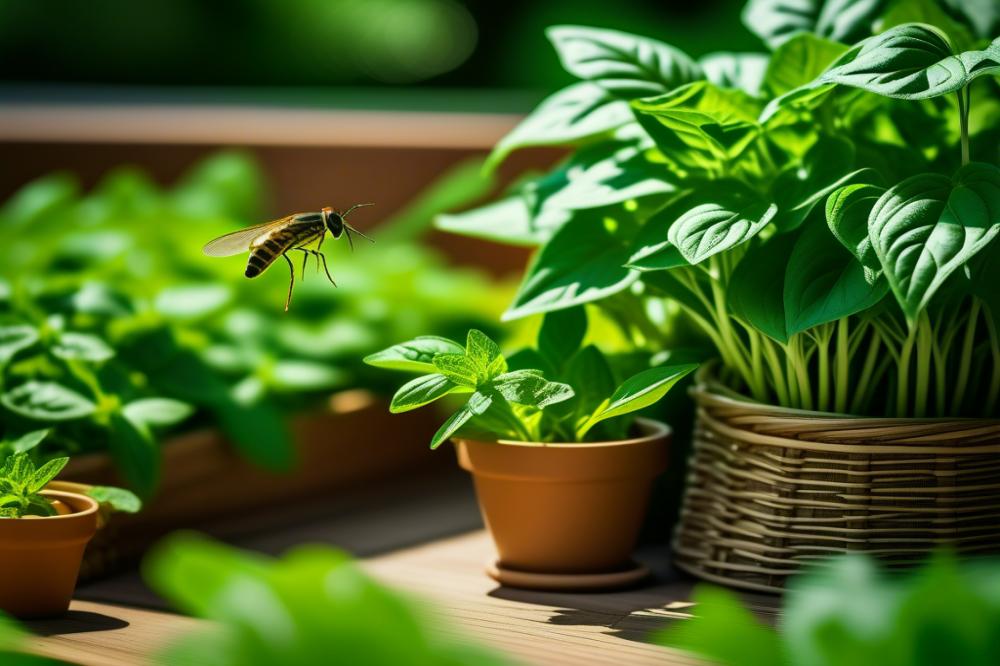
Mint is well-known for its strong and refreshing scent. This powerful aroma serves as a natural deterrent for pests like ants, beetles, and even some rodents. Growing mint in your garden can help keep these unwanted visitors at bay.
To cultivate mint, you’ll want to find a spot that receives plenty of sunlight. The soil should be well-drained but also retain some moisture. Water the plants regularly to keep the soil from drying out. Mint grows quickly and can thrive in various conditions, making it beginner-friendly.
However, you should be cautious. Mint has a tendency to spread aggressively. Its roots can take over a garden bed if not contained. You can plant mint in pots or raised beds to limit its growth. Using barriers will also help keep it from invading other plants.
Mint is often paired with herbs like basil and rosemary in culinary dishes. It’s not only useful for pest control; it also adds flavor to drinks and desserts. Other herbs like thyme and dill can coexist well with mint if planted strategically. Creating a diverse herb garden can enhance your cooking while deterring pests.
Keep an eye on how mint grows in your garden. Pruning its stems regularly encourages healthier plants and prevents overcrowding. Regular maintenance will help you enjoy both its culinary benefits and its pest-repelling qualities.
Rosemary
Rosemary is a powerful herb known for its fragrant leaves and robust flavor. This plant does more than just spice up your dishes; it also acts effectively against various pests. Aphids and moths, in particular, tend to shy away from rosemary. Its strong scent is unpleasant for these insects, making it a great choice for keeping them at bay.
Growing rosemary in your garden can naturally deter other pests as well. Problems with spiders and certain beetles can lessen when rosemary is nearby. Many gardeners find that mixing such herbs creates an effective barrier against unwanted insects. Keeping rosemary close to vegetables or flowers helps protect them from damage.
Besides its pest-repelling qualities, rosemary shines in the kitchen too. This herb enhances the flavors of roasted meats, potatoes, and even soups. It complements dishes made with basil, mint, or thyme beautifully. Fresh sprigs can elevate a simple meal to something special.
Growing rosemary is relatively easy. It thrives in well-drained soil and needs plenty of sun. Once established, this hardy plant requires little water, making it a favorite among those who love gardening but may not have time for constant care. Having a rosemary plant at home can also add a unique touch to your garden decoration.
Including rosemary alongside herbs like dill, lavender, or sage in your garden not only beautifies the space but also enhances its utility. These plants benefit from being near each other, as they can create a balance in pest control. Some people even use catnip around their gardens as an added deterrent, which, like rosemary, offers culinary uses as well.
Offering both practical and culinary advantages, rosemary is indeed a remarkable herb to grow. Its dual benefits make it an essential choice for anyone looking to enhance their gardening experience.
Thyme
Thyme is a great herb for anyone interested in gardening. This hardy plant not only enhances culinary dishes but also plays a role in natural pest control. One of its notable functions is repelling cabbage worms, a common pest for cabbage growers. By planting thyme in your vegetable garden, you can protect your crops from these pesky invaders.
Moreover, thyme attracts beneficial pollinators such as bees and butterflies. These insects are essential for healthy plant growth, as they help with the pollination of many flowers and vegetables. A garden filled with thyme can become a vibrant habitat for these helpful creatures, enhancing your overall garden ecosystem.
Growing thyme is quite simple. It thrives in full sun and prefers well-drained soil. Start by planting seeds or young plants in a sunny spot within your garden. Water thyme moderately, allowing the soil to dry out between watering sessions. This herb is drought-resistant and does best when not overwatered. Once established, it requires minimal maintenance.
Thyme’s versatility in cooking cannot be overstated. It pairs wonderfully with a range of dishes, from roasted meats to vegetable medleys. The flavor of thyme enhances soups, stews, and sauces alike. Fresh or dried, this herb remains a staple in kitchens around the world.
Consider mixing thyme with other herbs, such as basil and rosemary, for diverse flavors. There is also the option of using thyme in combination with mint and dill for unique culinary creations. Additionally, the plant can be grown alongside marigold, which further deters pests. For those interested in herbal tea, thyme can be steeped for a refreshing and fragrant drink.
In summary, thyme is a valuable addition to any garden. Its pest-repelling qualities, combined with its ability to attract pollinators, make it an excellent choice for gardeners seeking a more natural approach. That’s not all; this herb enhances the flavors of countless dishes, proving its worth in both cultivation and cuisine.
Lavender
Lavender is well-known for its pleasant scent, but it serves a practical purpose in the garden. This herb effectively repels moths and fleas, making it an ideal companion plant for those looking to keep pests away naturally. When grown near other plants, lavender creates a protective barrier, discouraging these unwanted visitors.
Growing lavender is relatively simple, but a few tips can help ensure success. It thrives in well-draining soil with plenty of sunlight. Choose a location that receives at least six hours of direct sunlight every day. Watering should be infrequent but thorough; overwatering can lead to root rot. Soil that is too rich in nutrients can also hinder its growth, so a less fertile area works best.
Aesthetically, lavender adds a splash of color and delightful fragrance to any garden. Its purple flowers attract beneficial insects like bees and butterflies. Pairing it with herbs such as basil, rosemary, or thyme creates a visually appealing and fragrant herb garden. Moreover, its height and bushy growth can provide a lovely backdrop for lower-growing plants like dill and marigold.
The calming scent of lavender can also enhance your outdoor space. People often enjoy using it in sachets or dried arrangements, making it a versatile addition beyond its gardening benefits. For those who keep pets, lavender can be a gentle way to deter fleas without harsh chemicals. Additionally, nearby plants like catnip or sage can further support this natural pest control effort.
Incorporating lavender into your garden not only beautifies your space but also contributes to a healthier environment. Surrounding it with other herbs such as mint and neem can create a lush oasis that is both fragrant and functional. Investing in lavender, therefore, nurtures both your garden and your peace of mind.
Dill
Dill is more than just a flavorful herb; it plays a significant role in pest management. This aromatic plant attracts beneficial insects like ladybugs and lacewings. Both of these creatures are known for their appetite for pests, particularly aphids. By inviting these helpful allies into your garden, you create a natural balance.
Aphids can rapidly damage plants, sucking vital nutrients from the stems and leaves. Dill’s presence can repel these troublesome pests while providing a haven for their predators. It acts as a natural deterrent, ensuring your garden thrives without heavy reliance on chemicals.
Culinary enthusiasts enjoy incorporating dill into a variety of dishes. Its feathery leaves add a distinct, fresh flavor to salads, soups, and fish recipes. Fresh dill enhances the taste of pickles and other preserved foods, making it a staple in many kitchens.
If you want to grow dill, choose a sunny spot in your garden. The plant prefers well-drained soil and regular watering. Start with seeds in spring, since dill thrives in warmer temperatures. To encourage bushier growth, pinch back the tips occasionally. Another advantage of this herb is its ability to self-seed, meaning it may come back year after year.
Remember to keep dill away from strong herbs like basil or mint, as these can compete for nutrients. However, it grows well alongside rosemary, thyme, and even marigold. These companion plants help create a harmonious environment, promoting an ecosystem that supports beneficial insects.
In addition to its culinary delights, dill offers a simple way to enhance your gardening efforts. By cultivating this hardy herb, you harness the power of nature to help control pests effectively. Its aroma and presence can make your garden not just a place to grow food, but also a sanctuary for nature’s helpers.
Marigold
Bright and cheerful, marigolds are more than just a pretty flower. Their strong scent plays a significant role in pest management. Many insects find the aroma off-putting. This makes marigolds a favored choice for repelling unwanted guests like aphids, nematodes, and even whiteflies.
What many gardeners may not realize is that the roots of marigolds also contribute to their pest-repellent abilities. These plants release natural compounds into the soil. These secretions can deter root nematodes and other harmful soil pests. By adding marigolds to your garden, you create a protective barrier around your other plants.
Interplanting marigolds with vegetables is an excellent strategy. When you place them among crops like basil, mint, or tomatoes, they work together to create an ecosystem. Both marigolds and these vegetables benefit from this arrangement. Pests are less likely to invade areas where marigolds are present, so your harvest remains healthy.
In addition to protecting your veggies, marigolds attract beneficial insects, such as lacewings and ladybugs. These beneficial creatures feed on harmful pests, creating a balanced environment. The vibrant colors of marigolds also draw pollinators, enhancing the overall productivity of your garden. Consider mixing them with herbs like rosemary and thyme to maximize your garden’s potential.
Even with the many advantages, planting marigolds requires careful thought on placement. Ensure they are not overcrowded since they need ample space for growth. By observing your garden layout, you can create effective groupings that promote healthy interactions among plants. The use of marigolds alongside catnip and sage can yield even better results, as these plants share similar pest-repelling qualities.
Overall, marigolds provide a natural form of pest management. They shine brightly in both garden appearance and functionality. Their unique role in promoting plant health makes them an ideal companion in any garden setting.
Catnip
Catnip, a member of the mint family, is best known for its effect on feline friends. Beyond amusing cats, it also serves a practical purpose in gardens. This herb possesses strong repellant effects against certain pests, particularly mosquitoes and cockroaches.
Mosquitoes tend to avoid catnip. Studies have shown that the oil extracted from its leaves can outperform DEET, a common pesticide. This natural safeguard makes catnip a wise choice for gardens where people gather. Many find it useful for keeping outdoor areas more enjoyable during warm months.
Cockroaches dislike the scent of catnip, too. Growing this herb near doorways or in kitchens can help keep these unwanted visitors away. When incorporated into your garden, it acts as a natural barrier against these creepy-crawly pests.
Besides pest control, catnip offers benefits for pets. Cats often relish the chance to roll around in its leaves, which can stimulate playful behavior. Planting a small patch can encourage healthy exercise and provide mental stimulation for your furry companions.
Like other herbs such as basil, mint, and rosemary, catnip thrives in sunny spots. It prefers well-drained soil and can easily grow in gardens or containers. Regularly trimmed plants can become bushy, producing more leaves for both pest control and pet enjoyment.
To diversify your garden further, consider including other plants like thyme, lavender, and dill. Each herb brings unique benefits beyond just repelling pests. Marigold, with its bright flowers, also deters insects. Meanwhile, sage and neem add another layer of protection. Together, they support a healthy ecosystem in your garden.
Overall, catnip stands out as a multifunctional herb. It helps create a pest-free environment while providing enjoyment for both cats and gardeners. Growing it might just be one of the best decisions for a vibrant, lively outdoor space.
Sage
Sage is not just a flavorful herb; it also acts as a natural deterrent against various pests. This aromatic plant repels common garden nuisances like flies, beetles, and mosquitoes. Its strong scent is enjoyable for humans but not so much for these little invaders. You can blend sage into dishes, adding depth to meats and sauces. Its culinary uses expand beyond the kitchen, making it a versatile addition to any garden.
Cultivating sage is quite simple. Whether you have a large backyard or a small balcony, this herb thrives in different environments. Start by selecting a spot with well-drained soil and plenty of sunlight. Direct sunlight helps the plant develop its robust flavor. Aim for at least six hours of sun daily. When planting, space them about two feet apart to allow for healthy growth.
Watering should be done carefully. Sage prefers slightly dry conditions, so avoid overwatering. Allow the top inch of soil to dry out between waterings. When it comes to temperature, sage enjoys warmer climates, flourishing best in USDA zones 5-9. In cooler areas, consider bringing the plant indoors during colder months.
Don’t be shy about harvesting sage leaves. Regularly snipping off leaves encourages more growth. It pairs beautifully with other herbs like basil, mint, and rosemary. Tucking in marigold flowers nearby further supports pest control by attracting beneficial insects. You might also want to plant thyme or lavender around your garden. Both do well alongside sage.
In addition to culinary uses, sage possesses unique qualities. Some believe that burning sage can cleanse the air, an interesting aspect of its traditional use. If you’re keen on natural methods, consider mixing in herbs like dill and catnip. These plants can enhance your garden’s defenses against pests.
For those who prefer container gardening, growing sage in pots is a viable option. Choose containers with drainage holes and use a mixture of potting soil combined with sand to improve drainage. A touch of neem oil can also be helpful if you encounter any pest issues.
Neem
Neem is a remarkable herb known for its natural pesticide properties. This plant comes from the seeds of the neem tree, which is native to India and other parts of Southeast Asia. People have used neem for centuries to control insect pests in gardens. It works by disrupting the life cycle of common garden insects, making it harder for them to reproduce and thrive.
Growing neem at home can be highly rewarding. The tree flourishes best in warm climates and requires plenty of sunlight. If you live in a cooler area, you can also grow it in pots indoors. Many gardeners prefer using neem oil, extracted from its seeds, as it is highly effective for pest control. This oil can be diluted with water and sprayed directly on affected plants.
In addition to neem, you might want to consider growing other companion plants. Herbs like basil, mint, and rosemary can enhance pest control in your garden. These plants not only smell good but can also mask the scent of plants that attract pests. Lavender and thyme add beauty and fragrance to your garden while helping to deter insects.
Dill and marigold are also beneficial companions. Marigolds release a scent that repels nematodes and aphids, while dill attracts beneficial insects such as ladybugs. Furthermore, catnip and sage have properties that can ward off certain pests as well. By integrating neem and these other herbs, you create a diverse ecosystem that helps protect your garden.
Sourcing neem can be done through local nurseries or online stores that specialize in herbal plants. Planting neem seeds or small saplings can lead to a robust tree right in your garden. Understanding the best growing conditions is crucial for its success. With proper care, this natural pesticide herb can be a trusted ally in your gardening efforts.
Cultivation Tips for Success
Growing herbs can be fulfilling, especially when they help manage pests. Start by choosing the right soil. Most herbs, like basil and dill, prefer well-drained soil enriched with organic matter. A loamy mix often works best. Always check the pH; most herbs thrive in slightly acidic to neutral ranges, around 6.0 to 7.0.
Sunlight plays a key role in healthy growth. Basil, for instance, loves full sun and needs about six to eight hours of light each day. In contrast, mint may tolerate some shade, making it easier to grow in less sunny spots. Placing herbs like rosemary and thyme in brighter areas allows them to flourish.
Watering is essential but should be done carefully. Over-watering can lead to root rot, while under-watering stresses the plant. Aim to keep the soil evenly
Final Thoughts on Using Herbs for Pest Control
Utilizing herbs for pest management offers numerous advantages. First and foremost, these plants present a natural way to deter unwanted visitors in the garden. Basil, for instance, is not only a favorite in kitchens but also works as a strong repellent against insects like flies and mosquitoes. Growing mint can keep pests at bay while adding refreshing flavors to your culinary creations.
Incorporating these herbs into your garden means you contribute to a more sustainable environment. This approach reduces the reliance on harmful chemicals that can damage your soil and water sources. Instead, a vibrant herb garden can flourish, attracting beneficial insects that help balance the ecosystem. It feels especially satisfying to grow something that both protects your garden and enhances your meals.
Harmonizing pest control with gardening has unique benefits. Herbs like rosemary and lavender not only smell wonderful but also serve practical purposes in keeping pests away. Imagine an outdoor space filled with aromas from your homegrown herbs, creating a peaceful and inviting environment.
Readers interested in gardening should consider adding these herbs to their plots. Not only will they promote healthier plants, but you will also discover fresh ingredients for cooking. Ultimately, enjoying the fruits of your labor can be deeply rewarding. So, get started today. Your garden and your kitchen will thank you!