The Best Herbs to Plant in Window Boxes
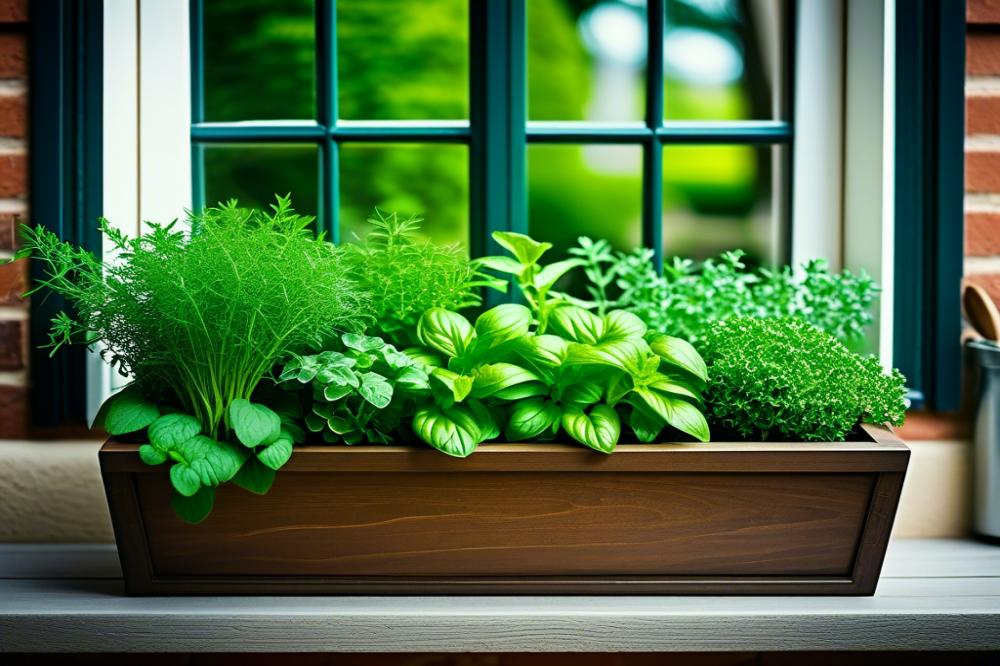
Growing herbs in window boxes offers a delightful mix of beauty and practicality. Urban spaces often lack gardens, but window boxes provide an effective solution. This method of container gardening allows anyone, even those with minimal outdoor space, to enjoy the benefits of fresh herbs. They not only brighten up a windowsill but also provide fresh flavors for cooking.
When it comes to preparing meals, fresh herbs can elevate dishes in surprising ways. For instance, basil adds a sweet and aromatic touch to Italian recipes. parsley is versatile, often used as a garnish or in various cuisines. Chives lend a mild onion flavor, perfect for salads or dips. Meanwhile, thyme can enhance the richness of meats and stews, making them memorable.
Each herb brings a distinct taste and aroma. Mint provides a refreshing zing to beverages and desserts, while oregano is a staple in Mediterranean cooking. Rosemary offers a woody fragrance that pairs wonderfully with roasted dishes. Cilantro adds a fresh, citrusy flavor, making it ideal for salsas. Sage brings an earthy taste, often found in savory meals, whereas dill adds a unique profile to sauces and pickles.
This article explores the best options for your window boxes. You will discover not only which herbs are easy to grow but also how to care for them and make the most of your culinary creations. By incorporating these plants into your kitchen, you can enjoy the freshest ingredients right at your fingertips.
herbs for window boxes: Ideal Choices
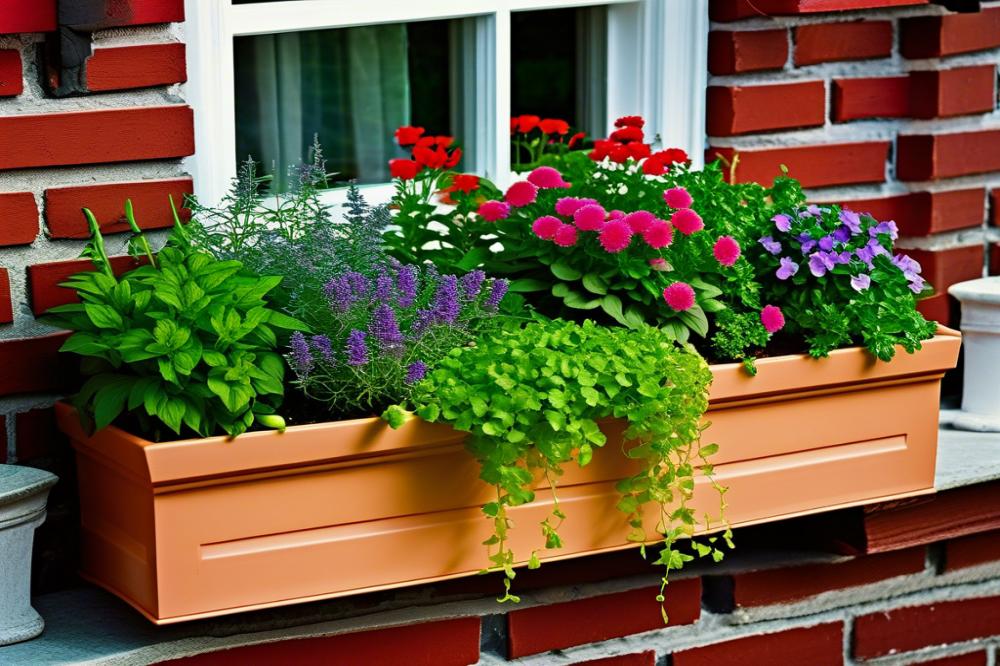
When it comes to cultivating herbs in window boxes, several options stand out. basil thrives in warm weather and adds a sweet flavor to many dishes. parsley, with its bright green leaves, contributes both to aesthetics and culinary use.
Chives are another excellent choice. Their mild onion flavor enhances salads and soups. Thyme, with its tiny leaves, is hardy and can endure various conditions, making it a perfect addition to your herb garden.
Mint provides a refreshing taste and aroma, perfect for teas and desserts. Interestingly, it tends to spread, so placing it in a separate pot within the box can help control its growth. Oregano, known for its robust flavor, pairs well with Italian dishes and can also be a delightful ornamental herb.
Rosemary brings a fragrant touch to window boxes. Its needle-like leaves are great for seasoning meats and vegetables. Cilantro offers a unique flavor that many enjoy in salsas and Asian cuisine. Consider growing it in cooler months for the best results.
Sage has soft, velvety leaves with a distinct taste, ideal for a variety of savory meals. Dill, with its feathery fronds, adds flavor to pickles and salads; it’s also quite pretty and makes for an attractive window box plant.
Factors to Consider When Selecting Herbs
Before choosing which herbs to plant, think about the amount of sunlight available. Most herbs prefer a sunny spot, at least six hours of light daily. The climate plays a significant role as well. Some herbs, like basil and dill, enjoy warm temperatures.
Soil quality matters too. Rich, well-draining soil contributes to healthy growth. Consider how much space each herb requires. Herbs like mint can spread quite a bit, while chives remain more compact.
Watering habits should not be overlooked. Some herbs, such as rosemary, thrive in drier conditions, while others prefer consistent moisture. Finally, think about how you will use the herbs. Selecting favorites means you will get the most enjoyment.
Top Herbs for Cultivating in Window Boxes
Basil: Growing Tips and Uses
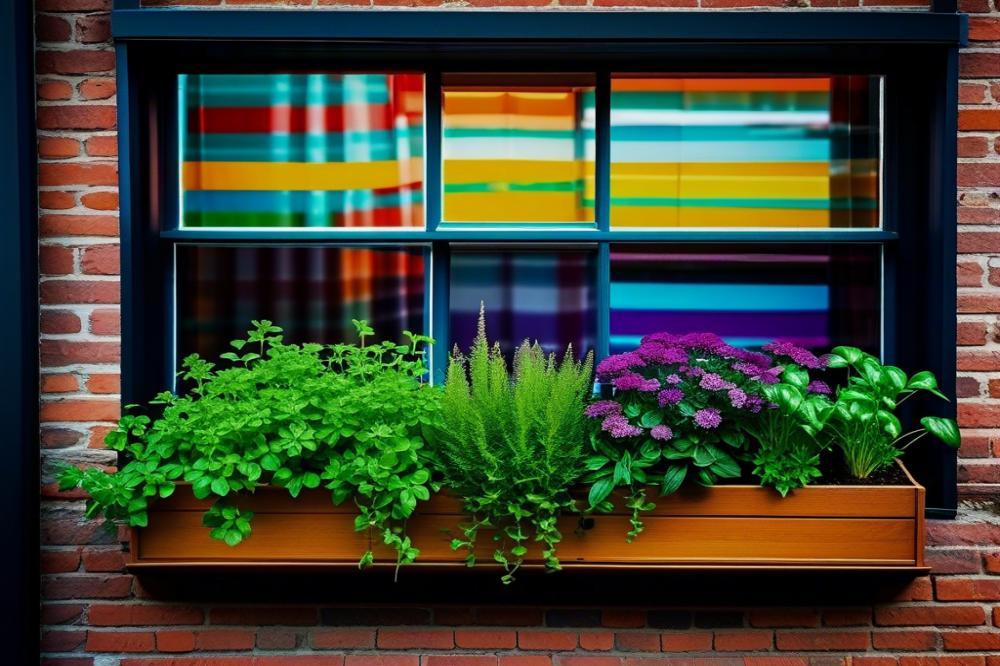
Basil is a favorite herb, known for its sweet and aromatic leaves. Grow it in a sunny spot, as it loves warmth. Water regularly, but avoid soggy soil. This herb pairs well with tomatoes and adds flavor to salads and pizzas. Try various types like sweet basil or Thai basil for different tastes.
Parsley: Varieties and Care Requirements
Parsley comes in two main varieties: curly and flat-leaf, also called Italian. Both are easy to grow in window boxes and need well-draining soil. Keep the soil moist but not overly wet. This herb can enhance many dishes, from soups to garnishes. Fertilizing once a month can help its growth.
Chives: Benefits and Maintenance
Chives are an excellent addition to window boxes. Their mild onion flavor complements numerous dishes. They prefer bright light and should be watered when the soil feels dry. Transplanting to larger boxes can benefit their growth as they mature. Using scissors to snip leaves encourages new growth, making them a constant source of fresh herbs.
Thyme: Growing Conditions and Culinary Uses
Thyme is a hardy herb that thrives in sunny environments. It prefers well-drained soil, so consider a pot with good drainage holes. The flavor of thyme works wonderfully in roasted meats and vegetable dishes. Trim regularly to promote bushiness. It can withstand some drought, making it low-maintenance.
Mint: Tips for Controlling Growth
Mint is vigorous and can take over if not managed properly. Plant it in a separate pot within the window box to control its spread. Sunlight helps it flourish, but it can tolerate partial shade. Mint is perfect for teas, cocktails, and desserts. Regular pruning keeps it from getting too leggy and maintains its flavor.
Less Common but Great herbs for window boxes
Oregano: Tips for Cultivation
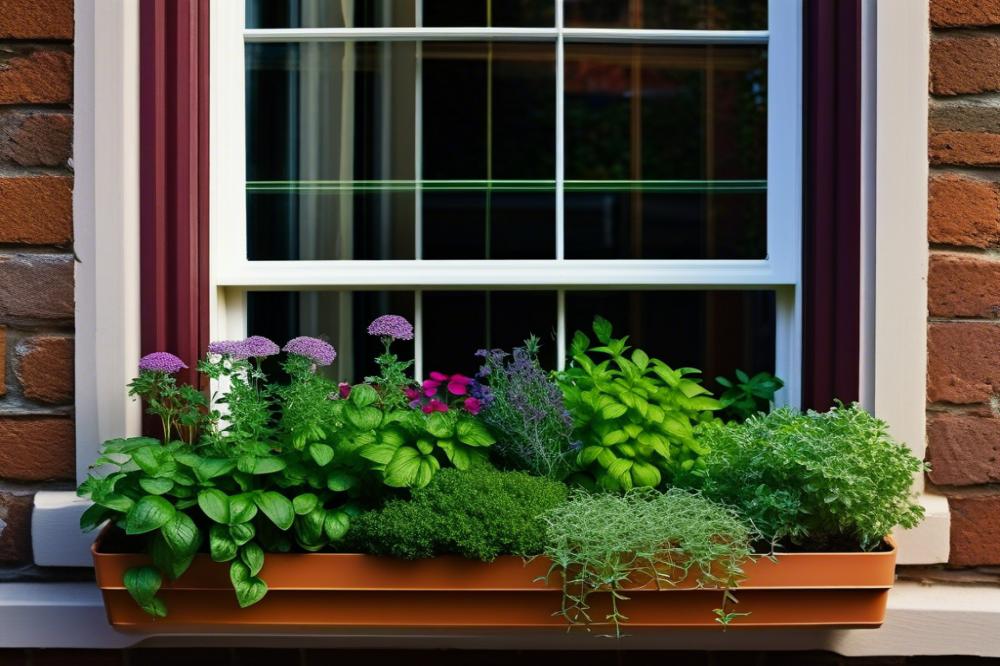
Oregano is a robust herb that thrives in sunny spots. Choose a well-draining pot and use quality potting soil. Water it when the top inch feels dry. This herb loves warmth and should not be overwatered. Pruning will encourage new growth.
Rosemary: Best Practices for Care
Rosemary is an aromatic herb that prefers sandy soils. When planting, make sure to provide good drainage. Allow the soil to dry out between watering sessions. Pruning your rosemary helps maintain its shape. It can also be used in a variety of dishes, adding flavor to meats and vegetables.
Cilantro: Growing Habits and Culinary Applications
Cilantro is a fast-growing herb, often thriving in cooler temperatures. It can be eaten fresh or used in cooking. The leaves are popular in salsas and salads, while the seeds, called coriander, are used as a spice. Direct sowing the seeds is often the best method for planting.
Sage: How to Cultivate Successfully
Sage is a hardy perennial that loves well-drained soil. It does best in full sun but can tolerate light shade. Water sparingly; letting it dry out is often beneficial. Remember to pluck leaves regularly, as this can promote new growth. It’s great in savory dishes, especially in stuffing and sauces.
Dill: Unique Characteristics and Uses
Dill is a delicate herb that can reach impressive heights, so give it enough space. It germinates quickly and is best used fresh. The feathery leaves add flavor to fish and salads, while the seeds can be used in pickling. Regular harvesting helps keep it bushy and productive.
Optimal Conditions for Growing Herbs in Window Boxes
Sunlight Requirements
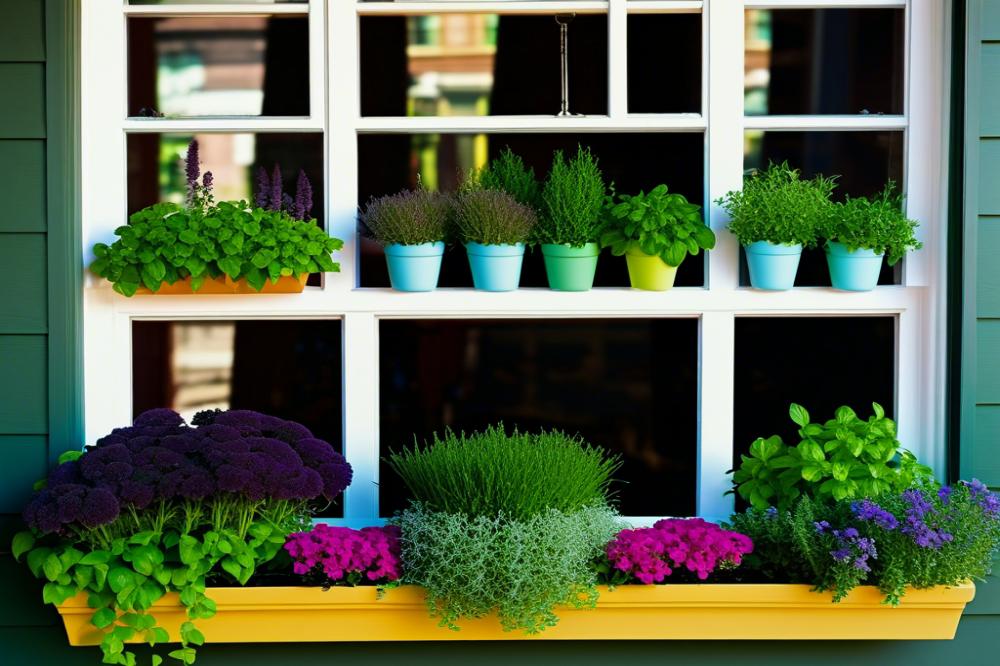
Growing herbs requires adequate sunlight. Most varieties, such as basil and parsley, thrive in full sun, meaning they need at least six hours of direct sunlight each day. Chives and thyme can also tolerate partial shade, but they perform best with ample light. When choosing a window box location, assess how much sunlight the area receives throughout the day. Consider the orientation of your window. South-facing windows typically get the most sunlight, making them ideal for many herbs. Be mindful, however, that too much direct heat can wilt delicate plants like cilantro or mint.
Soil Quality and Drainage
Soil plays a critical role in the health of herbs. A high-quality potting mix specifically designed for container gardening will yield the best results. Choose a mix that promotes drainage. Rosemary and sage prefer well-draining soil since they are prone to root rot. Mixing in some perlite or sand can improve drainage. Herbs like oregano and dill also appreciate soil that doesn’t retain too much water. Make sure the window box has drainage holes at the bottom. Without proper drainage, you risk overwatering and damaging your plants.
Watering Practices
Watering can be a balancing act. Most herbs prefer the soil to dry out slightly between watering. Check the top inch of the soil; if it feels dry, it’s time to water. Basil and mint might need a bit more moisture compared to drought-resistant herbs like rosemary. Early morning is often the best time to water herbs, allowing the leaves to dry before evening. Overwatering can lead to problems like fungal diseases. Both water and spray bottles can be useful, but always be careful not to drench the soil too quickly. Keeping consistent watering practices will ensure your herbs thrive.
Troubleshooting Common Issues
Pest Management Strategies
Maintaining your herbs can sometimes attract pesky visitors. Insects like aphids, spider mites, and whiteflies can invade your window box. To combat these pests, try introducing natural predators. Ladybugs and lacewings are great options. Neem oil is another effective deterrent. Mix it with water and spray on affected plants. If handpicking is acceptable, remove visible pests directly. Garlic or pepper sprays can also help repel these critters. Regular inspections can help catch problems early.
Dealing with Diseases
Herbs can also face diseases. Fungal infections like powdery mildew may show up, especially in humid conditions. Keeping air circulation around your plants is important to prevent this. Consider spacing herbs like basil and thyme appropriately. Watering in the early morning allows foliage to dry throughout the day. If you spot any sick leaves, trim them right away. Dispose of them far from your other plants, to stop the spread. Always monitor for signs such as discoloration or wilting.
Managing Growth and Harvesting Tips
Growth management is essential for healthy herbs. Basil and parsley thrive with consistent pruning, which encourages bushier growth. Don’t hesitate to pinch off tips regularly. Harvesting can also help keep plants productive. When herbs like cilantro and dill begin to flower, consider cutting them back. This will prevent them from going to seed too early. Always use clean scissors to avoid introducing germs. Remember that frequent harvesting leads to more flavorful plants. Regularly checking hydration levels is key too. Herbs prefer moist soil without becoming waterlogged. Stay attentive, and your window box will flourish beautifully.
Final Thoughts on Growing Herbs in Window Boxes
Growing herbs in window boxes offers many benefits. First, it provides easy access to fresh ingredients. There’s nothing quite like snipping off a few leaves of basil or parsley right when you need them for a recipe. These little plants can beautify your outdoor space, too. They bring a touch of greenery and fragrance, enhancing the overall atmosphere of your home.
The variety of herbs that can thrive in these small spaces is impressive. From aromatic thyme to vibrant oregano, the choices are abundant. Anyone can find a combination that suits their taste and gardening style. Bad weather or limited yard space is no longer a barrier to enjoying the pleasures of home gardening.
It’s time to take the plunge and start growing a medley of herbs. Your culinary adventures will be transformed as you introduce these delightful flavors into your everyday meals. Imagine the satisfaction of using your very own home-grown herbs, elevating even the simplest dishes.
As you embark on this gardening journey, remember that each plant has its own personality and growing needs. Engage with your herbs. Observe their growth and appreciate their unique characteristics. The joy of nurturing plants will bring a sense of accomplishment and connection to nature.
Delight in the fresh flavors and aromas that your window box herbs will provide. Experience the transformation of your cooking with every snip from your little indoor garden. Your kitchen will thank you, and so will your tastebuds.