Introduction
Epazote stands out as a vital ingredient in many traditional Mexican dishes. Known for its strong aroma and distinct flavor, this herb adds depth to recipes, particularly in beans and soups. Renowned Mexican herbs often include this unique green, making it a favorite among chefs and home cooks alike.
The importance of cultivating this herb cannot be overstated. Fresh epazote enhances the taste of your favorite meals, providing a freshness that dried versions lack. Many culinary enthusiasts prefer growing epazote rather than buying it, as nothing beats the quality of freshly harvested leaves.
Understanding the benefits of using fresh comes down to flavor and potency. Fresh herbs generally offer a more vibrant taste. Dried epazote can sometimes lose some characteristics, altering the intended experience of a dish. For those interested in diverse epazote recipes, having access to a supply right from home opens up numerous cooking possibilities.
Gardening tips for successful epazote care can guide anyone interested in herb gardening. This plant thrives in sunny outdoor gardening spaces, making it an excellent choice for those with a green thumb. Pest control can also be simplified when growing herbs like this, as epazote helps deter certain harmful insects.
With growing epazote, cooks can explore many culinary uses. Its bold flavor can change how you approach your meals. Try incorporating it into your next dish, and you may just find a new favorite addition!
Growing Epazote
Optimal Conditions for Growing Epazote
Epazote thrives in a warm climate. It prefers temperatures between 70°F and 90°F. Young plants can tolerate cooler nights, but they will not grow as vigorously. This herb can flourish in various conditions, though. Plenty of sunlight is essential. Aim for a location that receives at least six hours of direct sunlight daily. If grown indoors, a south-facing window works well.
Soil Requirements and Preparation
Well-draining soil is vital for this member of the Mexican herbs family. A loamy or sandy soil mix is ideal. Adding organic compost to the soil before planting will improve its quality. Mix in compost at least one foot deep in the planting area. A slightly acidic to neutral pH, around 6.0 to 7.0, is best for epazote care. Regularly check soil moisture, but avoid waterlogging. Good drainage will promote robust root development.
Choosing the Right Location for Outdoor Gardening
When selecting a spot for outdoor gardening, consider the surrounding space. Choose an area away from strong winds or heavy foot traffic. It’s also wise to plant epazote in a dedicated herb garden or near other culinary herbs. This arrangement makes cooking with epazote more convenient. Be mindful of pest control as well; companion planting can help deter unwanted insects. Consider pairing it with crops that repel pests naturally. Finally, keep an eye on your plants as they grow, and enjoy the fresh aromas while gathering inspiration for epazote recipes.
Epazote Care
Watering and Light Requirements for Healthy Growth
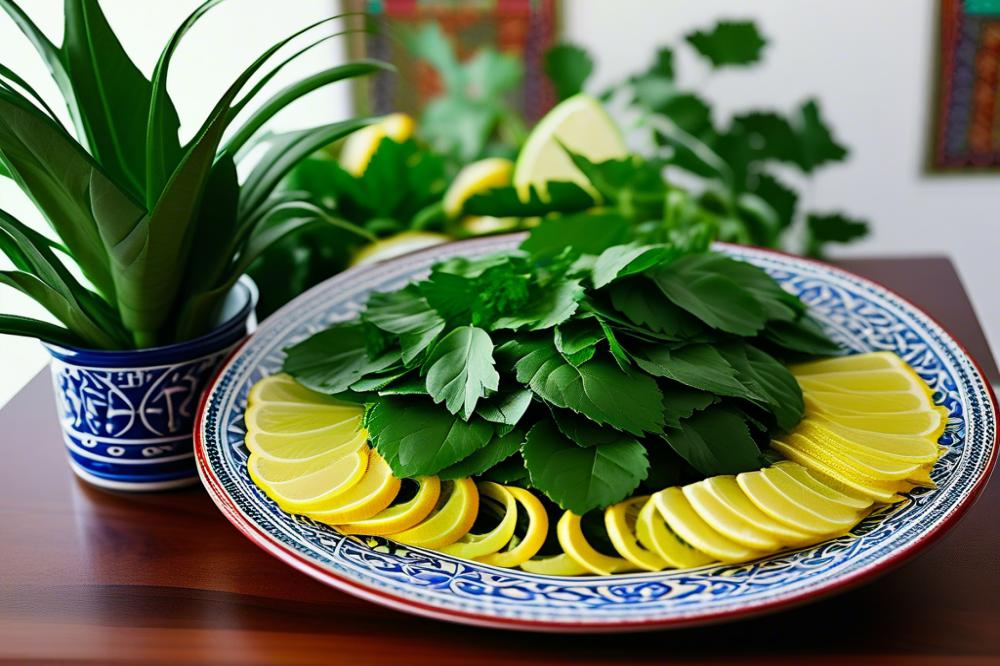
Epazote thrives in well-draining soil, so chose a pot with drainage holes if growing indoors. Regular watering is essential. The plant prefers its soil to dry slightly between watering sessions. It enjoys full sun but can tolerate partial shade. In an outdoor garden, place it in a sunny area for optimal growth. This herb is drought-tolerant once established, but don’t let it get too dry. Overwatering can lead to root rot, which is detrimental to plant health.
Pruning and Harvesting Techniques
Pruning promotes bushier growth. Trim the tops of the stems to encourage new leaves. Harvest leaves as needed, but take care not to remove more than one-third of the plant at a time. This technique allows the plant to continue producing for your cooking needs. Always use clean scissors when cutting to avoid transferring pests or diseases. While it has a strong flavor, fresh leaves can be overwhelming, so start with small amounts in your epazote recipes.
Seasonal Care and Maintenance Tips
During the growing season, fertilize every few weeks with a balanced fertilizer. This supports healthy leaf growth, which is critical when cooking with epazote. As the season shifts to fall, reduce watering. Epazote is sensitive to frost, so plan to bring potted plants inside as temperatures drop. If you’re growing herbs outdoors, cover them with frost cloth when chilly nights arrive. Pest control is necessary; watch for aphids and spider mites. Regular inspections will help keep your plants healthy. Regularly check for any signs of pests or disease, as prevention is key in herb gardening.
Pest Control in Epazote Gardening
Common Pests and Diseases Affecting Epazote
Gardening can invite a host of pests, and epazote is no exception. Aphids are among the most common culprits. They feed on the tender leaves of this herb, causing harm over time. In addition to aphids, spider mites can also become a problem, especially in dry conditions. These tiny pests can turn healthy foliage into a speckled mess if left unchecked. Furthermore, diseases like root rot may affect epazote, particularly in overly wet soil. Identifying these threats early is critical to maintaining healthy plants.
Natural Pest Control Methods
Embracing natural pest control methods can be effective. Planting marigolds nearby can deter harmful insects. Beneficial insects such as ladybugs can also help by preying on aphids. Another method is to use neem oil, a natural pesticide that disrupts the life cycle of pests without harming your epazote. Homemade insecticidal soap, made from liquid soap and water, offers another simple solution. Applying this mixture can help manage small pest populations.
Preventive Measures to Ensure Healthy Plants
Taking preventive measures is vital for robust epazote care. Start by selecting healthy seeds or plants, which can reduce the chances of introducing pests. Proper spacing can improve air circulation, lessening the likelihood of mold and pests. Regularly monitoring the plants is key; inspect the leaves and stems for early signs of trouble. Additionally, keeping the garden tidy by removing debris can discourage pests from settling in. Watering early in the day helps reduce humidity around the plants, which is beneficial. When practiced consistently, these gardening tips can lead to a thriving herb garden.
Using Epazote in Cooking
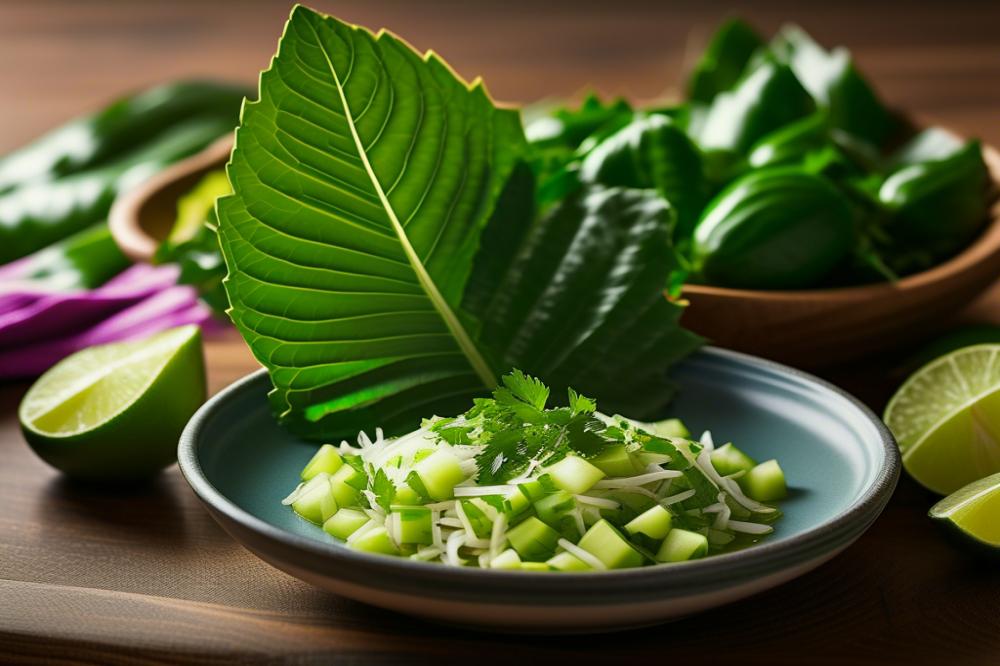
Epazote offers a distinct flavor that elevates many Mexican dishes. Traditionally, it finds a place in soups, stews, and beans. The herb’s bold aroma is often described as pungent, with hints of citrus and mint. Modern recipes have adapted to feature this herb in unexpected ways, showcasing its versatility in both classic and contemporary cooking.
Overview of Traditional and Modern Recipes
In Mexican cuisine, epazote is an essential ingredient in various dishes. Many families include it in bean recipes to reduce flatulence, a common concern when consuming legumes. Additionally, traditional Oaxacan dishes often incorporate this herb to add depth. On the other hand, modern chefs are now using epazote in sauces, marinades, and even infused oils. Experimenting with it in pesto or as a garnish can give your meals an exciting twist.
Regional Variations of Epazote in Mexican Cuisine
Different regions of Mexico have unique ways of incorporating mexican herbs, including epazote. In Puebla, for instance, you’ll find it in spicy mole recipes. Meanwhile, in the Yucatán, the herb complements fresh seafood dishes. These variations reflect local flavors and ingredients. It’s worth trying out recipes from diverse areas to understand how epazote changes the character of each dish.
Innovative Ways to Incorporate Epazote into Dishes
Don’t shy away from using epazote creatively in your cooking. One option is to infuse it into oils for dressings or marinades. Another idea is to use it in herbal teas, where its flavors can shine through. Additionally, it pairs well with other culinary herbs, enhancing their taste while bringing its distinct character forth. People are finding joy in adding it to scrambled eggs or even in pizza toppings. The herb can bring life to your outdoor gardening by serving as a natural pest control agent, making it even more appealing for enthusiastic gardeners.
Tips for Successful Herb Gardening
Cultivating culinary herbs can bring an array of flavors to your kitchen. Start by choosing the right location with plenty of sunlight. Most herbs thrive in full sun for six to eight hours a day. Organic soil with good drainage is crucial. Testing your soil’s pH can help you understand its nutrient content. Aim for a pH between 6.0 and 7.0 for optimal growth. Water the plants regularly but avoid over-saturation.
General Gardening Tips for Cultivating Culinary Herbs
Mulching can help retain moisture and suppress weeds. Trim herbs frequently to encourage bushy growth. Fertilizing using organic methods can strengthen plants. Consider using compost or well-rotted manure to enrich the soil. When you notice pests, act quickly. Handpicking insects or using insecticidal soap can be effective methods for pest control. Growing in containers can also provide flexibility in gardening. Herbs can be moved easily for sunlight or shelter from the wind.
Companion Planting with Other Mexican Herbs
Companion planting can enhance growth and deter pests. Pairing epazote with beans can improve flavor and yields. Other Mexican herbs like cilantro and oregano work well together, too. They often have similar water and light requirements. Moreover, placing mint nearby can help keep certain pests away. Just be cautious—not all herbs get along. Always research before planting companions to avoid competition for nutrients. Creating an environment where herbs thrive together can lead to a flourishing garden.
Creating a Herb Garden Layout for Maximum Yield
Designing your garden layout is vital for successful herb gardening. Placing taller herbs at the back ensures they do not shade shorter ones. Consider grouping herbs based on their watering needs. For example, cluster water-loving herbs like basil together. Arrange culinary herbs that you frequently use closer to your kitchen for convenient access. Organizing plants by variety can also simplify maintenance. Leave space for growth, as these plants can expand. This layout not only maximizes yield but also creates an enjoyable gardening experience.
Final Thoughts on Growing Epazote
Planting epazote at home offers numerous benefits. This herb not only adds rich flavor to various Mexican dishes but also serves as a natural pest deterrent in the garden. Having fresh epazote at your fingertips allows for healthier cooking with culinary herbs, promoting a more enjoyable cooking experience. Cultivating your own herbs reduces reliance on store-bought options, which can often lack freshness. Homegrown plants often boast a stronger flavor and aroma, enhancing your dishes remarkably.
Don’t be afraid to venture into the world of herb gardening. Experimenting with various Mexican herbs can open up a new realm of flavors and culinary possibilities. Each plant you grow brings a fresh perspective to your meals, inviting creativity into your kitchen. Trying different growing techniques can yield surprising results. It’s about discovering what works best for you.
The joys of outdoor gardening extend beyond flavor. Nurturing plants allows for personal growth and a deeper connection to food. The simple act of planting can be both calming and rewarding. Not only does it provide fresh ingredients, but it also brings a sense of accomplishment. Imagine stepping outside, gathering herbs, and crafting a delightful recipe with what you’ve grown.
Embrace the potential of your culinary creations. Start small if you need to, and gradually expand your garden. As you cultivate epazote and other herbs, you may find yourself enjoying the journey as much as the end meal. Finding joy in gardening can enrich your life in countless ways; it can transform not just your dishes, but your connection to food itself.