
Introduction
Overview of the Blue Nile River Basin
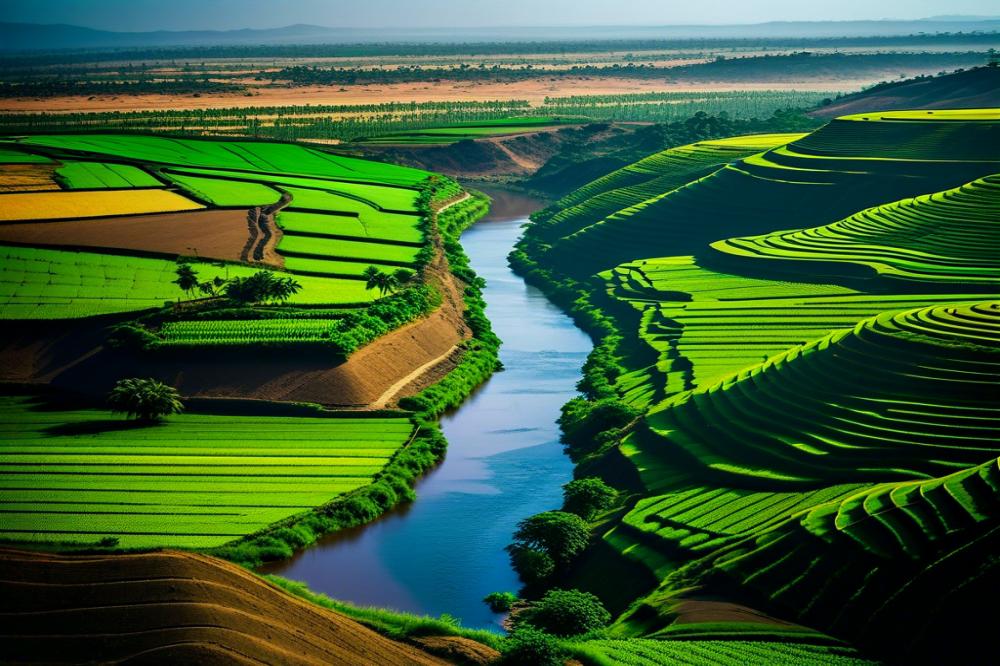
The Blue Nile River Basin stretches across several countries in East Africa, playing a vital role in the region’s ecology and economy. This area is marked by diverse landscapes, from majestic mountains to sprawling plains. Water flows from the highlands of Ethiopia and meanders through Sudan before joining the White Nile. Such a journey supports countless communities along its path. Long recognized for its rich resources, this basin serves as a lifeline for millions, providing water, food, and opportunities for livelihood.
Significance of the Blue Nile River Basin in East Africa
Importance of this river basin cannot be overstated. It is central to the agricultural practices found in the region. The river supplies water for irrigation, enhancing food production. Many farmers depend on this resource to grow crops such as coffee, cereals, and vegetables. Besides, the basin supports local fisheries, which are crucial for nutrition. Economic growth is often tied to the health of the river system. Moreover, environmental protection initiatives here promote sustainable agriculture practices that benefit both the land and its people.
Impact of Soil Erosion on the Environment and Communities
Soil erosion poses a severe threat to the Blue Nile River Basin. It leads to land degradation, reducing agricultural productivity. Communities struggle when their fields lose fertility. Loss of topsoil not only affects crops but also impacts water quality in rivers and streams. Sedimentation clogs waterways and disrupts aquatic ecosystems, threatening biodiversity preservation. Climate change adaptation is essential, as shifting weather patterns exacerbate erosion. Effective river basin management practices are crucial for soil erosion prevention. Through reforestation and water conservation efforts, the aim is to stabilize soil and restore degraded lands. Community engagement remains central to these efforts, ensuring active participation in protecting the environment and securing sustainable futures for generations to come.
Understanding Soil Erosion
Causes of Soil Erosion in the Blue Nile River Basin
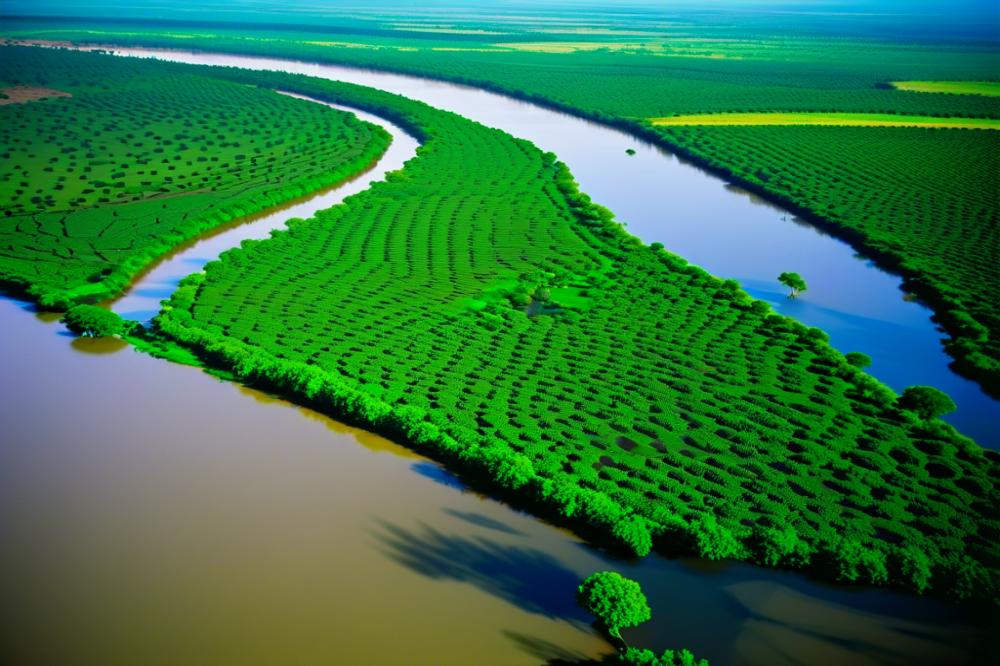
Soil erosion occurs when topsoil is removed by wind or water. In East Africa, various factors contribute to this problem. Deforestation is a significant cause; trees hold the soil together, preventing erosion. When people cut down trees for wood or farming, the risk of losing soil increases. Overgrazing by livestock also plays a major role. Animals trample the soil, compacting it and making it more vulnerable to erosion.
Additionally, unsustainable farming practices worsen the situation. The use of heavy machinery can damage the soil structure. As a result, the land loses its ability to retain water. Poor agricultural techniques, like monocropping, deplete nutrients from the earth, leading to more land degradation. These activities create a vicious cycle that is hard to break.
Consequences of Land Degradation for Agriculture and Biodiversity
Land degradation has serious implications for agriculture and biodiversity. When soil erodes, it loses its nutrients, making it difficult to grow crops. Farmers face declining harvests, leading to food insecurity for communities. Without healthy soil, the local economy also suffers.
Biodiversity is affected as well. Plants and animals depend on diverse ecosystems for survival. Soil erosion can lead to habitat loss, threatening various species. Insects, birds, and larger mammals may disappear from the area. When these creatures leave, the entire ecosystem can become unbalanced, impacting food webs and natural processes.
Link Between Soil Erosion and Climate Change
Climate change is an important factor in soil erosion. Changing weather patterns lead to extreme weather events, such as heavy rain and floods. These conditions can wash away valuable topsoil in a short period. Water conservation becomes increasingly vital in managing these challenges.
Furthermore, dried-out soil is more susceptible to wind erosion during droughts. This can create dust storms, further affecting air quality and health. Communities must adapt to these changes while promoting sustainable agriculture. Reforestation initiatives can help restore damaged areas, building resilience against climate impacts. Community engagement plays a crucial role in these efforts.
As people work together, they can implement effective river basin management practices. This collaboration fosters a sense of ownership for environmental protection and sustainability. Biodiversity preservation can be achieved through restoring native plant species, aiding in recovery from land degradation.
The Blue Nile River Basin Protection Initiative
Goals and objectives of the initiative
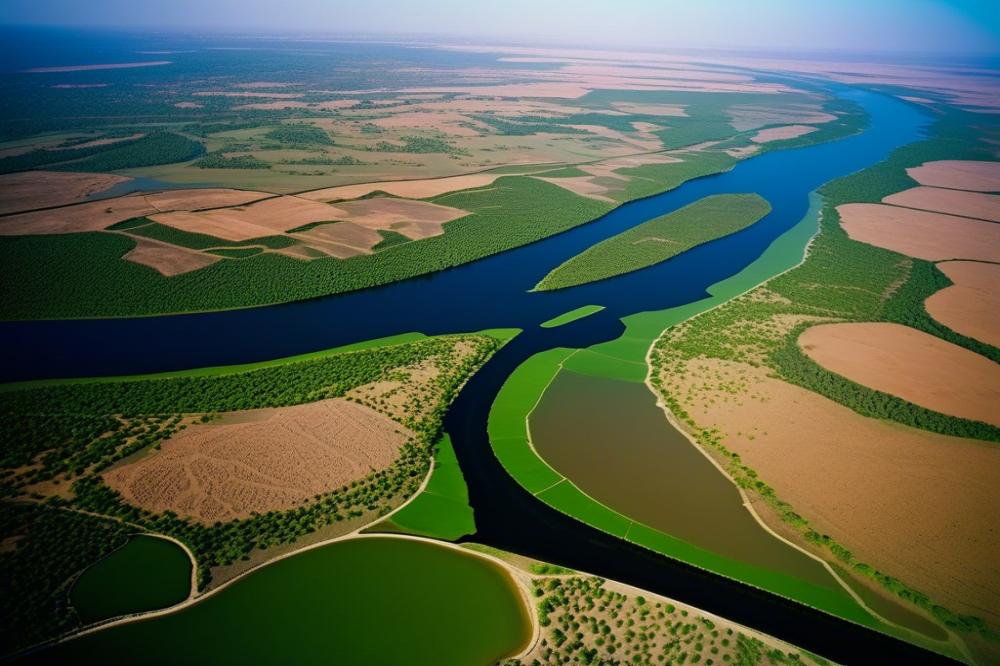
The initiative aims to protect the environment in East Africa. Its main goals focus on reducing soil erosion and improving water quality. By tackling these issues, the program seeks to foster sustainable practices. Local communities benefit from a healthier ecosystem, leading to better livelihoods. One important objective is to restore balance within the river basin. This can help support crops and biodiversity.
Strategies for river basin management and environmental protection
Effective river basin management requires a range of strategies. Reforestation plays a crucial role in stabilizing soil and enhancing water retention. Planting trees along riverbanks helps prevent land degradation. Furthermore, the initiative encourages water conservation practices. These methods include rainwater harvesting and the maintenance of wetlands. Community engagement is key to the success of these strategies. Local people must be involved in decision-making processes. Training sessions and workshops promote awareness about environmental issues.
Role of sustainable agriculture in preventing soil erosion
Sustainable agriculture offers promising solutions to soil erosion. Techniques such as contour plowing can help maintain soil structure. Additionally, crop rotation prevents the depletion of nutrients in the soil. Farmers are encouraged to adopt organic farming methods. These practices reduce chemical use and enhance soil health. Climate change adaptation is also a factor in agricultural planning. Understanding changing weather patterns is essential for successful farming. Ultimately, when communities thrive, the environment benefits as well. Biodiversity preservation is vital for a balanced ecosystem. Healthy agricultural practices contribute to both food security and environmental stability.
Community Engagement and Participation
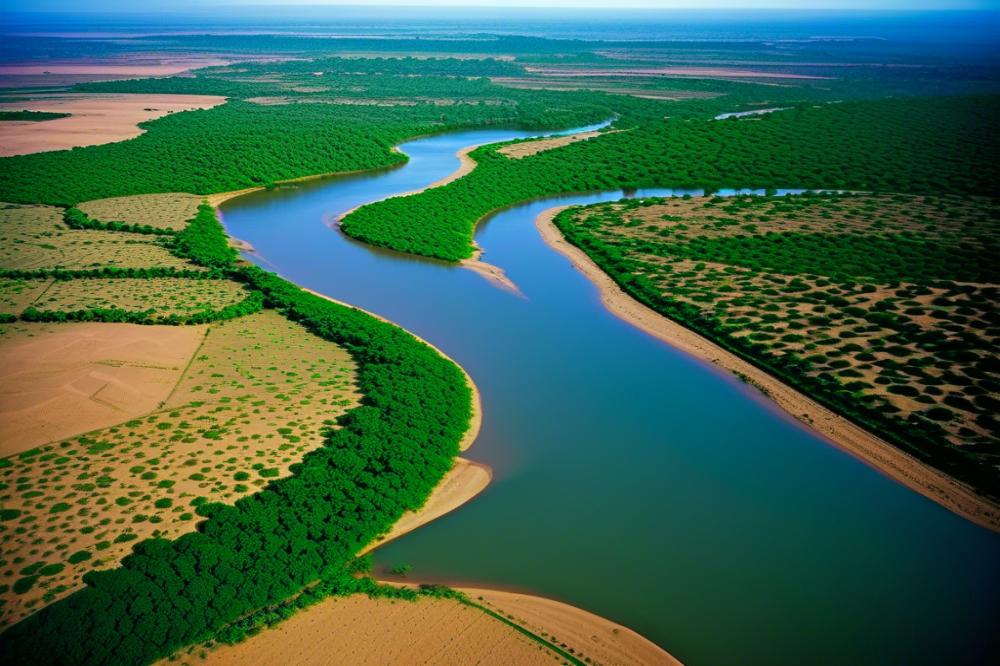
Local communities play a crucial role in conservation efforts. Their deep connection to the land makes them essential partners in protecting natural resources. Engaging these communities leads to better outcomes for environmental protection. They often have valuable traditional knowledge that can enhance river basin management.
Importance of Local Communities in Conservation Efforts
The well-being of local populations directly ties to the health of the environment. When communities thrive, so does biodiversity preservation. Supporting sustainable agriculture practices helps reduce land degradation and improves food security. This fosters a sense of ownership over local resources, empowering communities to protect their environment.
Methods for Fostering Community Involvement
Several methods can enhance community engagement. Workshops and training sessions build awareness about climate change adaptation and its impacts. Additionally, planting trees together during community events strengthens social bonds and promotes reforestation efforts. Collaboration with local leaders can help tailor initiatives to the specific needs of the community.
Case Studies Highlighting Successful Community Initiatives
One remarkable case involves a small village in East Africa. Residents came together to create a water conservation project. They built terraces on hillsides to prevent soil erosion and improve agricultural productivity. Workshops on sustainable farming empowered farmers with new techniques, leading to better crop yields.
Another inspiring example took place along a river. A local group organized a campaign to clean up litter from riverbanks. They encouraged schoolchildren to participate, fostering environmental stewardship from a young age. As a result, the river’s health improved, much to the delight of the fishing community.
In both cases, community engagement transformed the landscape. People learned that protecting their environment directly benefits their lives. These initiatives not only addressed immediate environmental issues but also paved the way for long-term sustainability.
Reforestation and Water Conservation Efforts
Overview of Reforestation Projects in the Blue Nile Region
Many reforestation projects aim to restore areas that have been harmed by land degradation. Communities in East Africa participate actively in these initiatives. Local organizations partner with governments to plant trees native to the area. These efforts not only provide shade but also help keep soil intact. Communities learn about the benefits of trees, such as fruit production and timber supply. Each tree planted represents a step toward fighting climate change. Involving the youth in these projects nurtures future environmental advocates.
Impact of Reforestation on Soil Stability and Biodiversity Preservation
Trees play a significant role in stabilizing soil. Their roots bind particles together, which reduces erosion. A stable environment allows various plant and animal species to thrive. Biodiversity preservation is crucial for maintaining healthy ecosystems. When native trees are planted, they create habitats for local wildlife. This helps restore ecological balance that has been disrupted by human activities. Healthy soil contributes to sustainable agriculture practices as well. Farmers benefit from improved land conditions, which leads to better crop yields.
Water Conservation Practices and Their Role in Ecosystem Health
Water conservation practices are essential in the region. Simple methods, such as building check dams, help slow down rainwater runoff. This allows water to seep into the ground, replenishing local aquifers. Protecting waterways and wetlands also supports water quality. Rainwater harvesting systems capture and store precious resources. These techniques empower communities to manage water more effectively. Active community engagement fosters a sense of stewardship toward the landscape. Healthy ecosystems rely on such practices to resist the effects of climate change. The overall health of the environment increases, benefiting both people and wildlife.
Challenges and Opportunities
Barriers to Successful Implementation of the Initiative
Many factors hinder effective implementation of the initiative. One major barrier is the lack of funding. Financial resources are crucial for projects like reforestation and water conservation efforts. Political instability can also derail progress. In East Africa, conflicts may disrupt community engagement, making it hard to gather support. Additionally, there is often a gap in knowledge about sustainable agriculture practices among local farmers. This lack of education can result in continued land degradation. Implementing river basin management strategies meets resistance from those reliant on old agricultural habits.
Opportunities for Collaboration with NGOs and Government Bodies
Partnerships with NGOs present a powerful way to address these issues. These organizations can provide technical expertise and additional funding. Collaborating with government bodies could enhance legal frameworks for environmental protection. Joint projects may focus on community involvement, ensuring that local voices are heard. Engaging local populations in decision-making strengthens ownership of initiatives. Together, they can promote sustainable practices that address food security. Shared goals between governments and NGOs can drive effective resource management within the region.
Potential for Adapting to Climate Change Impacts
Climate change poses significant threats to East Africa. However, communities can adapt through innovative strategies. Reforestation efforts not only help combat soil erosion but also support biodiversity preservation. These initiatives can create buffers against extreme weather events. Implementing sustainable agriculture techniques can enhance resilience. Crop rotation and improved irrigation methods are examples of adaptable practices. Building awareness about these techniques empowers farmers. Engaging communities in climate change adaptation can lead to more effective solutions.
Final Thoughts
Importance of Protecting This Vital Ecosystem
Protecting the river basin is crucial for the well-being of communities in East Africa. Healthy rivers support agriculture, drinking water supplies, and biodiversity. When soil erosion occurs, it leads to loss of land and disrupts lives. People depend on this ecosystem for their livelihoods, making its preservation a priority. Water quality is directly affected by soil erosion, which can harm fish populations and other aquatic life. By maintaining the health of this area, we contribute to food security and economic stability.
Call for Action
People must continue supporting the Blue Nile River Basin Protection Initiative. Every contribution matters, whether it’s through volunteering, donating, or spreading the word. Local communities, governments, and organizations can work together to create effective solutions. With everyone’s involvement, we can combat soil erosion and advocate for better river basin management. This is not just a regional issue. It affects the entire population, and united efforts will lead to lasting change.
A Vision for the Future
Imagine a future where East Africa thrives with balanced ecosystems and vibrant communities. A resilient environment reduces the impact of soil erosion and climate change. Sustainable practices create a foundation for growth and safeguard resources for future generations. When we protect our rivers, we ensure clean water and fertile land for all. A collaborative approach builds a bright horizon for all communities involved. Let’s commit to this vision and work towards a better tomorrow. Together, we can make a real difference.


