

The Florida manatee habitat restoration: Ensuring Safe Waterways for endangered marine mammals
Importance of Florida manatees
Florida manatees play a crucial role in maintaining healthy aquatic ecosystems. As a keystone species, their presence supports various marine life, including seagrass beds that thrive in the warm waters of Florida. Manatees graze on these underwater plants, keeping them healthy and allowing them to flourish. This balance fosters diverse habitats for fish and other marine organisms, promoting biodiversity.
Endangered Status
Unfortunately, Florida manatees are classified as endangered marine mammals. Threats include habitat loss, pollution, and boat collisions, which have significantly diminished their populations. The need for effective habitat restoration has never been clearer. On top of that, rising water temperatures jeopardize their food sources. These factors contribute to declining manatee numbers and highlight the urgency for action.
Need for Habitat Restoration
Habitat restoration efforts focus on enhancing seagrass beds and improving wildlife corridors. These projects are vital for ensuring manatees have safe, accessible areas to feed and thrive. Waterway safety must also be part of this equation. Boating speeds should be regulated to prevent accidents that often lead to injuries or fatalities among these gentle giants.
Support for Marine Conservation
Marine conservation is essential to protect these magnificent creatures. Stronger protections for their habitats align with broader environmental protection goals. Restoration and conservation efforts not only help manatees but also contribute to the overall health of Florida’s aquatic ecosystems. Everyone can play a role, from policymakers crafting regulations to local communities engaging in cleanup events. Together, we can foster a safer environment for the Florida manatee and other wildlife.
manatee habitat restoration
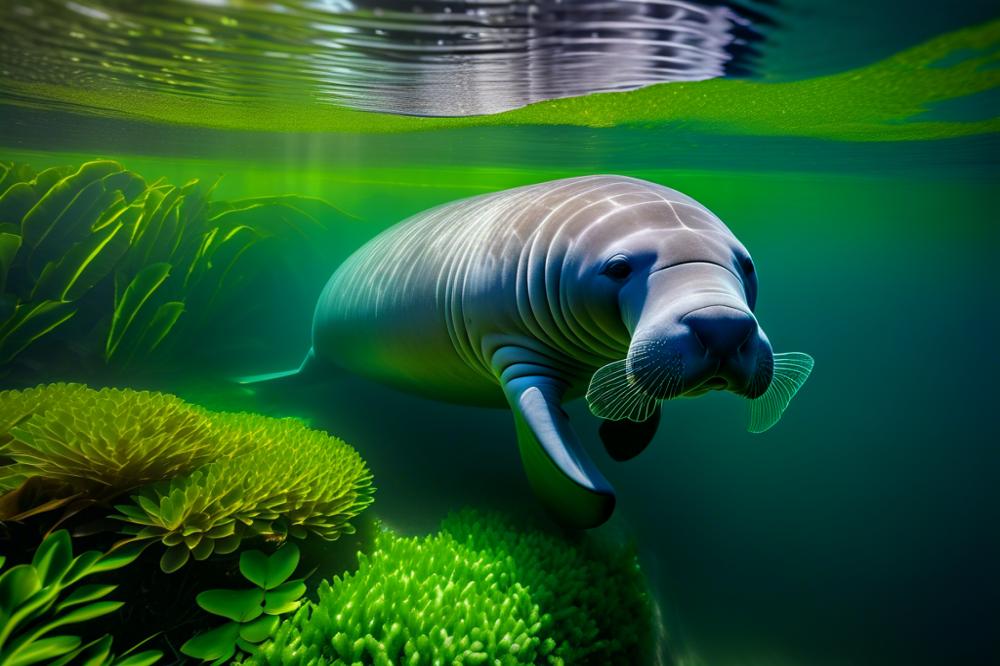
The term manatee habitat restoration refers to activities aimed at improving environments where these gentle giants live. This issue holds great importance for aquatic ecosystems. Healthy habitats support not only Florida manatees but also a wide range of other marine species. When we focus on preserving these delicate environments, we benefit the entire ecosystem.
Key components of manatee habitats include warm water refuges and seagrass beds. Warm water refuges provide manatees with necessary protection from cold temperatures, especially in winter. These areas are essential for their survival and play a major role in their migration patterns. In addition, seagrass beds serve as vital feeding grounds. Manatees graze on the seagrass, helping to keep these underwater plants healthy and thriving.
Restoration projects can significantly benefit Florida manatees. By improving habitats, we create safer waterways. Safe waterways lead to healthier manatee populations and reduce the risks of injury from boat strikes. Additionally, successful restoration leads to enhanced biodiversity. This means not only manatees flourish but other species also thrive. Enhancing wildlife corridors through these projects allows animals to move freely and safely between habitats.
Increased waterway safety plays a crucial role in marine conservation. As habitats recover, advocates for environmental protection see improvements in the overall health of aquatic ecosystems. Conservation efforts that focus on manatees indirectly support numerous other marine organisms. Comprehensive ecosystem restoration mitigates threats like pollution and human encroachment. Each step taken towards improving manatee habitats strengthens the fabric of our marine environments.
Waterway Safety and Its Importance

Waterway safety plays a critical role in the survival of Florida manatees. These gentle giants depend on healthy aquatic ecosystems. Yet, threats like watercraft collisions pose serious risks to their population. The waters where manatees roam often become dangerous when boats speed through. Each year, many manatees suffer injuries or lose their lives due to these incidents.
Moreover, pollution threatens the very habitats that manatees rely on. Nutrient run-off can lead to harmful algal blooms. These blooms deprive seagrass beds of sunlight, impacting food sources for these marine mammals. Clean waterways contribute to thriving ecosystems, which is vital for the long-term survival of Florida manatees.
Various strategies exist to enhance waterway safety. Implementing wildlife corridors can help manatees navigate through busy waterways without danger. Establishing designated slow-speed areas in key habitats is also effective. Educational campaigns raise awareness among boaters, promoting safer practices on the water. Their actions could save lives and assist in marine conservation efforts.
Restoration projects focus on revitalizing seagrass beds that have degraded. These habitats provide critical foraging areas for manatees. Environmental protection initiatives aim to safeguard these essential ecosystems. Collaborative efforts between government agencies, non-profits, and local communities lead the way in addressing these challenges. Through concrete action and public engagement, we can support comprehensive conservation efforts that benefit manatees and their habitat.
The success of these initiatives relies on everyone coming together. Each person can play a role in reducing pollution and promoting safe boating practices. Together, we can foster a safer and healthier environment for Florida manatees to thrive in their natural habitat.
Conservation Efforts and Restoration Projects
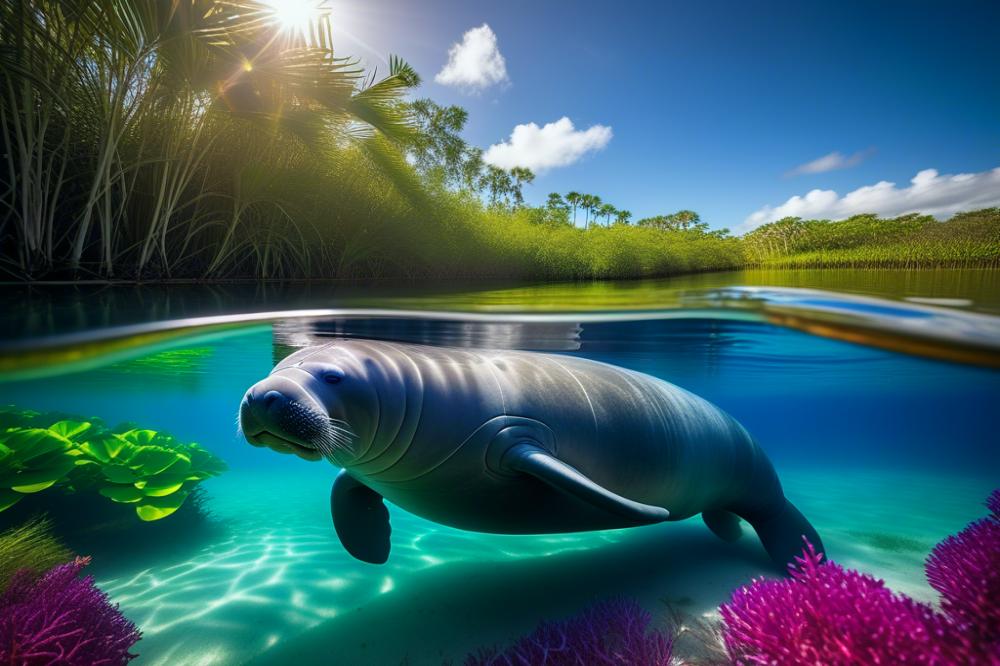
Conservation efforts in Florida are crucial for the survival of the manatee population. Many organizations focus on restoring habitats that are vital for these gentle giants. Projects aim to improve aquatic ecosystems that support Florida manatees. Healthy seagrass beds are essential, as these crucial plants provide food and shelter. Without these beds, the survival of manatees and other marine life becomes difficult.
Successful restoration projects have had a notable impact on wildlife corridors. For example, the efforts along the Indian River Lagoon have revitalized large areas of seagrass. These initiatives not only benefit manatees but also enhance the overall health of the ecosystem. By connecting different habitats, wildlife can move freely and safely. Such corridors support various species, maintaining the biodiversity that is pivotal for a balanced environment.
Community involvement plays a significant role in these restoration efforts. Local residents participate in beach clean-ups and advocacy campaigns. Educational programs raise awareness about marine conservation. People become more informed about the risks that threaten these animals and their habitats. Governmental support bolsters these initiatives. Grants and regulations can provide the necessary funding and legal framework needed for effective habitat restoration.
Collaborative projects between state agencies and non-profit organizations show promising results. Together, they monitor manatee populations and health, creating data-driven strategies. Such synergy helps address threats like waterway safety and pollution. Community volunteers reinforce these efforts, contributing their time and energy to protect this endangered species.
Effective management of waterway safety is equally essential. Boating regulations and speed zones reduce risks to manatees navigating through shallow waters. These policies require strict enforcement to ensure they have a real impact. As awareness grows, more people realize the importance of keeping these animals safe from human activity.
In conclusion, the push for habitat restoration in Florida highlights a communal effort. From grassroots organizations to government agencies, everyone plays a role. Protecting the environment requires teamwork. Ultimately, the goal is to maintain healthy ecosystems for Florida’s unique wildlife, including manatees.
Seagrass Beds and Aquatic Ecosystems
Seagrass beds play a crucial role in supporting Florida manatees and the overall health of aquatic ecosystems. These underwater meadows provide essential food sources for manatees, who rely on them for survival. Healthy seagrass not only nourishes marine mammals but also offers habitat for various fish and invertebrates. In the sunshine state, these habitats are a cornerstone of marine conservation efforts.
Restoration projects aimed at reviving degraded seagrass habitats take many forms. Techniques include replanting efforts, reducing nutrient pollution, and protecting waterway safety through policy changes. Each of these strategies helps combat the impacts of human activity and climate change. When seagrass grows back, it enhances biodiversity, which benefits all marine species residing in the area.
Ecologically, there is a significant connection between seagrass beds, manatees, and broader ecosystem restoration initiatives. These plants act as wildlife corridors, allowing various species to thrive. Fish find refuge among the blades, while other organisms contribute to the food chain. As manatees graze, they help maintain the health of the seagrass beds, creating a balanced environment.
Environmental protection measures are essential for ensuring the long-term survival of these habitats. Conservation efforts aimed at reducing boat traffic and pollution can significantly improve seagrass health. The ripple effects of these actions can be seen throughout the aquatic ecosystem. Healthy seagrass beds mean healthier populations of not just manatees, but also countless marine species.
In summary, seagrass beds are vital for Florida manatees and the overall health of marine environments. Restoration efforts bolster these habitats, bringing life back to areas once deemed lifeless. The synergy between seagrass, manatees, and broader ecosystem restoration demonstrates the importance of nurturing our natural resources. Protecting and restoring these underwater gardens will yield benefits for generations to come.
Future Directions in Manatee Habitat Restoration
Emerging trends in habitat restoration show promise for the future of Florida manatees. Innovative technologies, such as drone monitoring and remote sensing, make it easier to survey seagrass beds and waterways. These tools allow researchers to track ecosystem health and identify areas needing attention. Restoration projects can benefit greatly from this data.
Long-term monitoring is critical. Conservation efforts must adapt to changing conditions. Regular assessments help managers understand how environments fluctuate and which strategies succeed. With ongoing monitoring, teams can make informed adjustments to their plans.
In addition to monitoring, fostering wildlife corridors is essential. These pathways connect different habitats, allowing manatees to travel safely. A network of corridors improves the chances for these marine mammals. Such connections also support broader aquatic ecosystems, promoting biodiversity.
Predictions for the future of Florida manatees are cautiously optimistic. If current restoration initiatives continue, habitats will likely improve. Cleaner waterways and healthier seagrass beds foster a suitable environment for feeding and breeding. However, ongoing environmental protection efforts remain vital. Without addressing pollutants and threats from boat traffic, progress may stall.
Marine conservation efforts in Florida must prioritize integrated strategies. Collaborations between local governments, non-profits, and communities enhance effectiveness. These partnerships can rally support for restoration initiatives and engage the public in conservation.
Overall, the path ahead for Florida manatees is intertwined with these restoration projects. Prioritizing ecosystem restoration will help safeguard these endangered marine mammals. As new techniques emerge, the hope is that Florida’s waterways will become safer and more vibrant for manatees and the entire marine life that shares their habitat.
The Path Forward for Florida Manatees
Restoring the habitats of Florida manatees is more critical than ever. These gentle giants face numerous threats including habitat loss and boat strikes. A focus on creating safe waterways can significantly contribute to their survival. Without immediate action, we risk diminishing these precious marine mammals to mere memories.
Collective efforts in environmental protection are essential. Families, schools, and communities can come together to raise awareness. Support for restoration projects can bring lasting change. Everyone has a part to play in safeguarding aquatic ecosystems.
Individuals can advocate for policy changes that protect manatee habitats. Volunteering for local conservation groups or participating in clean-up events also makes a difference. Donations to organizations that work directly on these initiatives can provide them with the resources they need.
Continued support for manatee habitat restoration will create a brighter future for these endangered creatures. As stewards of the environment, we have a responsibility to ensure that Florida’s waterways remain safe. Together, we can foster a thriving community for all marine life. The journey toward restoration begins with each of us taking a stand.
Let’s make a commitment to protect Florida’s manatees and the beauty of our natural world. The time to act is now.


