
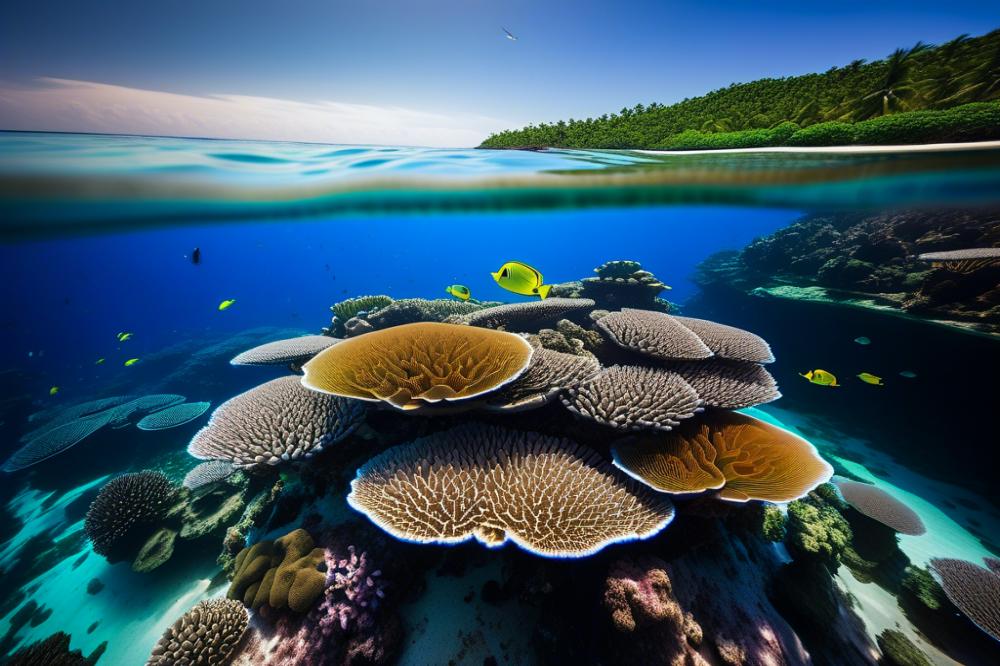
The Gulf of Thailand coral reef rehabilitation: Restoring marine biodiversity in Southeast Asia
Coral reefs in the Gulf of Thailand represent one of the most vital ecosystems in Southeast Asia. They support an incredible variety of marine life, serving as a habitat for fish, crustaceans, and countless other species. The health of these reefs is crucial for maintaining marine biodiversity, which plays a significant role in the overall balance of our planet. When coral reefs thrive, they offer essential ecosystem services like coastal protection, nutrient cycling, and opportunities for sustainable tourism.
However, these incredible underwater worlds face various threats. Overfishing, pollution, and coral bleaching have severely impacted their resilience. Climate change has exacerbated these challenges, leading to widespread degradation. The decline of coral reefs can result in reduced fish populations and loss of habitats. This situation not only affects marine life but also threatens the livelihoods of local communities relying on fishing and tourism.
coral reef rehabilitation emerges as a crucial solution to combat these issues. Efforts to restore and protect these delicate ecosystems are essential for promoting biodiversity protection. Engaging local communities in restoration projects can create awareness and foster a sense of ownership. Additionally, implementing effective environmental policy can aid long-term recovery efforts. By focusing on conservation and restoration, we can make significant strides towards healthier marine ecosystems.
Marine conservation is particularly important in the Gulf of Thailand. A commitment to restoring these reefs can lead to improved fish stocks and healthier habitats. Sustainable tourism practices can benefit both the economy and the environment, ensuring that the beauty of the reefs is preserved for future generations. As stakeholders collaborate on reef restoration initiatives, the region can hope for a brighter ecological future.
Coral Reef Rehabilitation
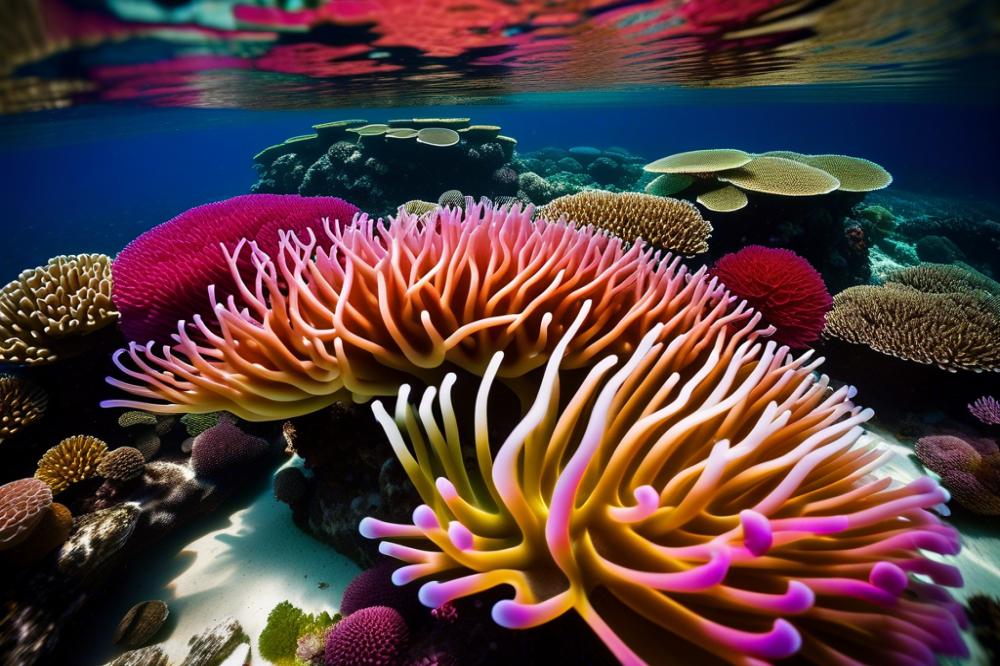
Coral reef rehabilitation refers to the efforts made to restore damaged marine ecosystems. It focuses on rebuilding coral populations and enhancing marine biodiversity. The main objectives involve improving the health of coral reefs, increasing fish populations, and supporting local communities that rely on these ecosystems.
In the Gulf of Thailand, several methods are employed for reef restoration. One common method is coral gardening. This approach involves growing coral fragments in nurseries before transplanting them to natural reefs. Coral gardeners often use small pieces of healthy coral, which can thrive and spread when placed in suitable areas. Over time, these transplanted corals can help create a more resilient ecosystem.
Another technique widely used is the construction of artificial reefs. These structures provide a habitat for various marine species. They can be made from different materials, such as concrete or metal. By creating new surfaces for corals to attach, these reefs enhance biodiversity protection. Local fishermen and divers often benefit from these artificial habitats as well.
Successful case studies highlight the effectiveness of these restoration strategies. For example, projects in Koh Tao have shown promising results. Volunteers and local residents participate in coral planting, actively engaging in marine conservation. This community involvement fosters a sense of responsibility and pride in protecting the environment.
Another noteworthy effort occurred near Koh Lanta. An artificial reef installation resulted in increased fish abundance. Divers and snorkelers flocked to the area, promoting sustainable tourism. This surge in visitors not only boosts the local economy but also raises awareness of reef conservation.
In recent years, coral bleaching has posed significant challenges to the region’s reefs. Rising water temperatures and pollution contribute to this alarming phenomenon. Rehabilitation programs aim not only to restore damaged areas but also to build resilience against future environmental threats. Careful attention to environmental policy supports these goals and addresses long-term sustainability.
Ultimately, coral rehabilitation in the Gulf of Thailand is about more than just restoring beauty. It plays a crucial role in maintaining vital ecosystem services that benefit both marine life and humans. By investing in these rehabilitation efforts, communities can protect their marine resources while promoting health and biodiversity.
Challenges to Coral Reefs
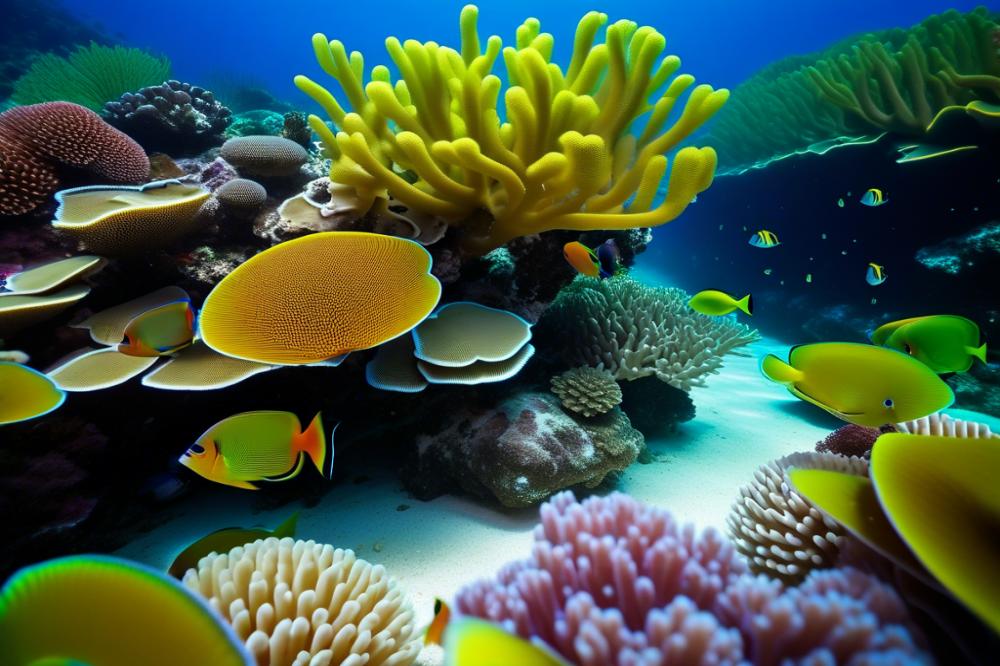
The Gulf of Thailand faces numerous threats that put its coral reefs in jeopardy. Coral bleaching, primarily driven by rising sea temperatures, is one of the most alarming issues. When corals become stressed, they expel the symbiotic algae living in their tissues. This process not only turns them white but also makes them vulnerable to disease and mortality, threatening the entire ecosystem.
Overfishing presents another major danger. Fish populations are not merely sources of food; they play critical roles in maintaining the health of coral reefs. Removing too many fish disrupts the balance, leading to an overgrowth of algae that can smother corals. This imbalance significantly impacts marine biodiversity, reducing the variety of species that inhabit these vibrant ecosystems.
Pollution also poses serious challenges. Runoff from agriculture, urban areas, and tourism brings harmful chemicals and waste into coastal waters. These pollutants can create dead zones, where oxygen levels are too low to support marine life. Sedimentation from coastal developments further clouds waters, inhibiting sunlight penetration necessary for coral growth.
Climate change complicates these issues. Rising ocean temperatures and acidification negatively affect coral’s ability to build their structures. Extreme weather events, like typhoons, can physically damage coral formations, leaving them more susceptible to other threats. Each of these challenges diminishes the ecosystem services that coral reefs provide, including coastal protection, fisheries support, and tourism opportunities.
Efforts in marine conservation are crucial to combat these threats. Engaging local communities is equally important. Education and awareness can foster a sense of responsibility towards protecting these invaluable resources. Sustainable tourism practices can also help mitigate some impacts; promoting responsible travel reduces pollution and stress on marine life.
Environmental policy plays a big role in reef restoration. Effective regulations can help manage fishing practices and control pollution. Strong policies ensure that marine environments are safeguarded for future generations. By implementing these measures, the Gulf of Thailand can work towards recovering its marine biodiversity. The challenges may be immense, but through combined efforts, there remains hope for the coral reefs of Southeast Asia.
Community Involvement in Rehabilitation
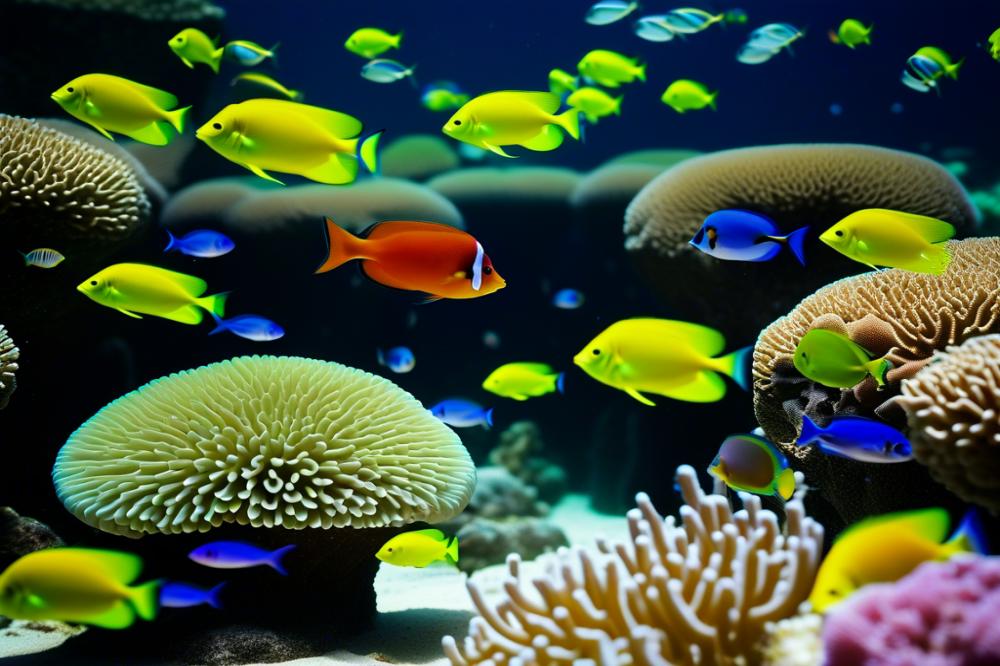
Local communities play a vital role in efforts to restore the coral reefs in the Gulf of Thailand. Without their engagement, many marine conservation initiatives struggle. Various initiatives focus on educating locals about the importance of reef ecosystems. Workshops and seminars have been effective in raising awareness about the impact of coral bleaching due to climate change.
In places like Koh Tao, community-led programs promote sustainable tourism practices. This island has transformed its approach to tourism, encouraging visitors to participate in reef cleanup events. Tourists often join locals in these efforts, creating a bond between visitors and the community. Such collaboration benefits both parties while helping to conserve marine habitats.
Case studies illustrate the success of these community projects. For example, fishermen in Koh Phangan have shifted their focus. They now participate in reef restoration activities instead of overfishing. By using sustainable practices, these locals contribute to biodiversity protection while ensuring ecosystem services remain intact.
Education programs often target young people, teaching them about the importance of coral reefs. Schools engage students in marine conservation activities, fostering a sense of responsibility towards nature. Some educational initiatives include beach clean-ups and monitoring local marine life. As students grow, many become advocates for environmental policy changes in their communities.
Tourism operators also play a crucial role in this movement. They partner with local communities to promote eco-friendly excursions. Visitors can enjoy snorkeling or diving while learning about coral ecosystems and the threats they face. In this way, tourism becomes a means to support reef restoration and marine conservation efforts.
Stories of community involvement abound across Southeast Asia. These narratives highlight the power of local action. Residents understand that their livelihoods depend on vibrant and healthy ecosystems. As they realize the impact of their choices, many communities have taken a stand to protect their marine environment.
The commitment of these communities is inspiring. They not only advocate for change but also drive it. With their continuous effort, the possibilities for successful coral rehabilitation appear more achievable. The collaborative spirit between residents and tourists creates a strong foundation for future marine conservation.
Impact of Environmental Policy
Environmental policy plays a vital role in the conservation of marine ecosystems in the Gulf of Thailand. Current regulations focus on protecting endangered species, managing fishing quotas, and limiting coastal development. These measures aim to reduce human impact on coral reefs and support wildlife recovery. However, challenges remain in effective policy enforcement.
Marine conservation efforts often lack sufficient resources. Effective policy implementation is crucial for successful reef restoration. Local communities need to engage in these efforts to promote sustainable practices. Increased community involvement can lead to enhanced biodiversity protection by fostering awareness and local stewardship.
Coral bleaching presents a significant threat, particularly as ocean temperatures rise. Policies must address climate change impacts by promoting initiatives that reduce greenhouse gas emissions. Protecting marine habitats requires a cooperative approach. Nations in Southeast Asia must collaborate to create a unified strategy for protecting their shared resources.
Sustainable tourism is another key element. It offers economic incentives while conserving natural environments. Policies that promote ecologically responsible travel can provide funding for conservation projects. By educating tourists on the importance of marine ecosystems, these initiatives can further support reef health.
Ecosystem services that coral reefs provide are invaluable. They contribute to local fisheries and tourism, thus enhancing the livelihoods of coastal communities. However, many policies do not adequately account for these benefits. Governments should prioritize the integration of ecosystem services into marine conservation strategies.
Stronger international cooperation is necessary. Environmental challenges often cross national borders. To combat issues like overfishing and pollution, countries must work together. Regional partnerships can help share resources and knowledge, making conservation efforts more effective.
In conclusion, the Gulf of Thailand is at a critical point. The success of marine conservation largely hinges on the strength and effectiveness of environmental policy. Collaboration within Southeast Asia can lead to a brighter future for both coral reefs and the communities that depend on them.
Sustainable Tourism and Marine Conservation
The Gulf of Thailand is a precious marine environment. Sustainable tourism plays a key role in its future. Responsible practices can help protect delicate coral reefs and the rich life they support. People often flock to this beautiful region for its stunning views and vibrant underwater scenes. Therefore, it is crucial to manage tourism in a way that promotes both enjoyment and conservation.
When tourists engage in eco-friendly activities, they contribute to the local economy. Spending on tours, local crafts, and restaurants boosts businesses. This financial support enables communities to focus on marine conservation efforts. Hotels that practice sustainability often adopt policies that protect the surrounding environment. They may choose to use fewer resources or reduce waste. These benefits connect tourism with reef restoration directly.
Community involvement is essential. Local residents usually know their environment best. By participating in conservation projects, they enhance biodiversity protection. Education programs can increase awareness about the threats to coral reefs, such as coral bleaching. Engaging citizens in these initiatives encourages pride in their natural surroundings. When communities take action, tourists notice. This sense of responsibility can further promote sustainable tourism.
Many tour operators are now adopting environmentally friendly practices. This shift leads to reduced harm to marine ecosystems. Visitors might participate in guided snorkeling trips that highlight conservation messages. Such activities create lasting memories and teach respect for nature. Understanding the importance of marine conservation enhances the overall visitor experience. Tour companies that are committed to protecting the Gulf of Thailand’s waters set examples for others.
Environmental policy plays a significant role. Effective regulations help manage tourism and protect marine resources. Restrictions on fishing and limitations on large vessels can reduce adverse impacts. These measures help maintain healthy ecosystems for the future. Sustainable tourism, when implemented correctly, supports not only the economy but also nature.
Promoting reef conservation through tourism encourages balanced growth. Tourists become advocates for the environment when they understand its value. Their support can lead to effective funding for rehabilitation projects. By fostering a shared appreciation for marine ecosystems, people can make real contributions to preservation efforts.
Final Thoughts
Coral reefs are vital to the ecosystem of the Gulf of Thailand, acting as the home for many marine species. Their rehabilitation is essential for restoring marine biodiversity in this region. Healthy reefs provide shelter, breeding grounds, and food for a multitude of sea creatures. They also play a significant role in supporting local fisheries and tourism, contributing to the economies of Southeast Asia.
Collaboration stands out as a key element in these efforts. Governments, communities, and stakeholders must work together to address the various challenges facing coral ecosystems. This could include stricter environmental regulations, community awareness programs, and scientific research. Each group has a role to play in caring for these unique underwater environments.
There is no doubt that marine biodiversity relies heavily on the health of coral reefs. As these ecosystems recover, the benefits will ripple through the entire marine food web. Protecting and restoring coral diversity ultimately leads to a more balanced ecosystem. Efforts made today will pave the way for future generations to enjoy the beauty and resources of the Gulf of Thailand.
In conclusion, the longevity of coral reefs depends on our combined actions. Emphasizing teamwork can lead to significant positive changes. Only through a concerted effort can we hope to maintain the richness of marine life in this vital part of the world.


