
Introduction
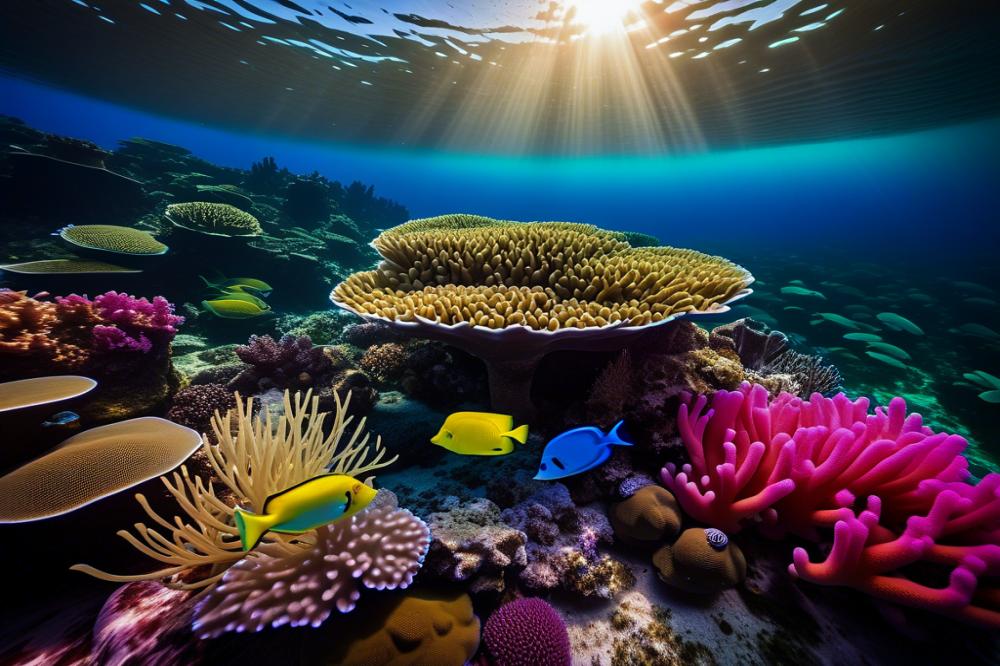
The Honduras Mesoamerican Reef is a vital part of our planet’s marine ecosystems. Stretching over 1,000 kilometers along the Caribbean coasts of Mexico, Belize, Guatemala, and Honduras, it creates a habitat for countless species. Healthy coral communities are essential for maintaining the region’s biodiversity. They provide shelter and food for numerous marine animals, from tiny fish to majestic sea turtles.
coral health plays a crucial role in the overall well-being of the Caribbean. When coral reefs thrive, they support vibrant communities of marine life. Sadly, these precious ecosystems face major threats from climate change, pollution, and human activities. Coral bleaching is a visible sign of this damage, indicating that corals are stressed and unable to survive. Without immediate action, many reef species may face dire consequences.
Conserving and restoring these reefs is not just beneficial; it’s necessary. Reef conservation efforts help maintain the balance of marine ecosystems. They also contribute to environmental sustainability, making it possible for future generations to enjoy these underwater wonders. Innovative reef restoration techniques are being used to counteract the effects of damage and promote coral recovery. Protecting marine life means establishing healthy habitats that can support both local communities and diverse species.
In summary, the importance of coral protection cannot be overstated. Reefs support rich marine biodiversity while offering essential services to coastal populations. Engaging in coral restoration is vital for reversing the damage done and preserving these ecosystems for years to come.
The Importance of the Honduras Mesoamerican Reef
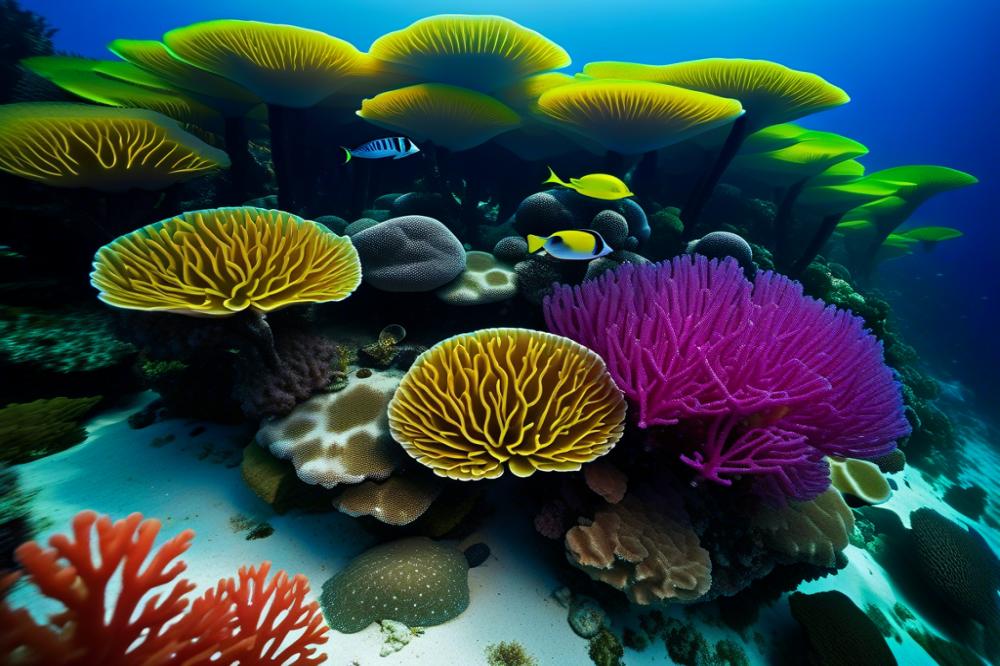
The Mesoamerican Reef is a spectacular underwater wonder located in the Caribbean. It holds a vast variety of marine species, showcasing an incredible level of biodiversity. Over 500 species of fish, along with numerous types of corals, can be found here. This natural structure not only supports a rich array of life but also plays a crucial role in maintaining healthy marine ecosystems.
Healthy coral reefs are essential for the environment. They provide habitats for many sea creatures, including fish, crustaceans, and mollusks. This ecological support system is vital for the survival of many species. Without these coral landscapes, entire marine communities would struggle to thrive. Additionally, the reef acts as a natural barrier against storms, protecting coastlines and reducing erosion.
The economic impact of the reef extends to local communities as well. Many families depend on fishing and tourism, which thrive because of this vibrant ecosystem. When coral health improves, both marine life protection and fishing yields increase. Tourists are drawn to the beauty of colorful corals and diverse fish, bringing money into the region. This income helps fund local businesses and promotes environmental sustainability.
To maintain the health of this underwater paradise, reef conservation efforts are vital. These initiatives embrace innovative reef restoration techniques aimed at reversing coral bleaching and other forms of damage. Habitat restoration not only fosters coral growth but also strengthens overall ecosystem resilience. Local communities, scientists, and conservationists are working together to preserve this treasure for future generations.
In summary, the significance of the coral-rich reef cannot be overstated. It is a natural marvel that supports a delicate balance of marine ecosystems while also serving as a lifeline for many people. Protecting and restoring this reef highlights the connection between nature and humanity.
Challenges Facing the Honduras Mesoamerican Reef
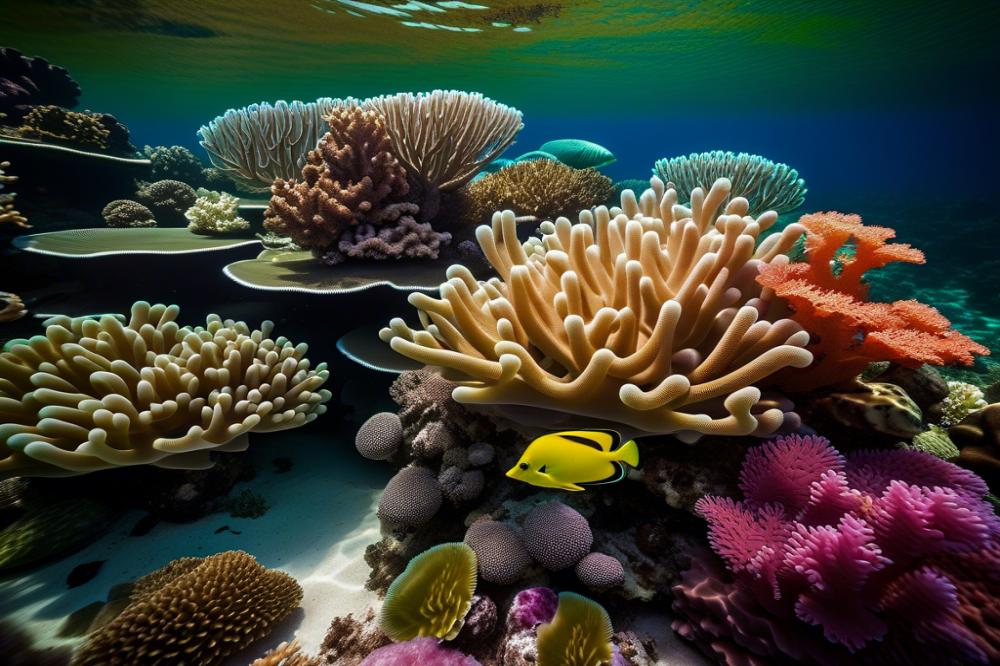
The health of coral in the Caribbean has faced severe challenges. Coral bleaching is one of the most pressing issues. Warmer water temperatures, a consequence of climate change, lead to this phenomenon. When corals get stressed, they expel the colorful algae known as zooxanthellae. This results in white, lifeless coral structures. Without the algae, corals struggle to survive and reproduce. Over time, this impacts the entire reef ecosystem. The loss of coral affects various marine species that depend on the reef for food and shelter.
Pollution also poses a significant threat to the delicate balance of marine ecosystems. Nutrient runoff from agriculture contributes to algal blooms. These blooms can suffocate reefs by blocking sunlight needed for photosynthesis. Plastics and other debris litter the coastlines and oceans. This pollution not only harms coral but also endangers fish and other wildlife. Communities relying on fishing may face declining catches due to the changing health of these waters.
Protection of marine life is essential for long-term recovery. Many species are on the brink of extinction due to habitat loss and environmental stress. Coral reefs, rich in biodiversity, need special attention. Local governments and organizations must prioritize reef conservation initiatives. Efforts in habitat restoration can help rebuild these crucial environments. Applying effective reef restoration techniques encourages healthier ecosystems. Considering both ecological and economic factors is vital for environmental sustainability. The well-being of local communities depends on the health of the marine environment.
Innovative Reef Restoration Techniques
Overview of Proven Restoration Methods
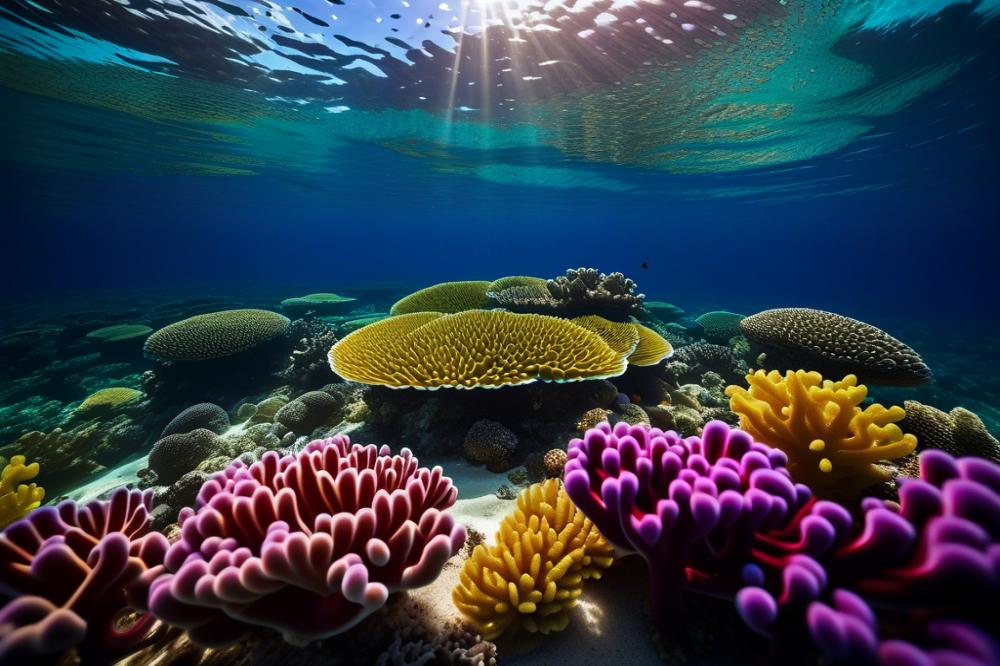
Restoration efforts play a critical role in promoting coral health in the Caribbean. Different methods have proven effective in combating issues like coral bleaching. Scientists and conservationists often focus on enhancing the resilience of marine ecosystems. By using techniques such as coral nurseries, they can cultivate healthy coral in controlled environments. Once mature, the coral can be planted back onto damaged reefs. This process helps to restore habitat and revive local biodiversity.
Coral Farming and Transplantation Strategies
Coral farming has emerged as one of the most promising restoration strategies. It involves growing coral from small fragments or larvae in underwater nurseries. These nurseries are often located near damaged reefs to facilitate easy transplantation later. After corals grow to a suitable size, they are reattached to the reef using materials like epoxy or cables. This method not only helps with habitat restoration but also fosters genetic diversity among corals. Transplantation allows for a selection of coral species that are better suited to withstand climate change.
Community Involvement in Restoration Projects
Local communities play a vital part in reef conservation initiatives. Their knowledge of the marine environment enhances the effectiveness of restoration projects. Engaging residents fosters a sense of ownership and responsibility towards marine life protection. Educational programs help raise awareness about the importance of coral reefs and their role in environmental sustainability. Workshops and volunteer programs allow community members to directly participate in hands-on restoration tasks. This collaboration promotes not only scientific understanding but also cultural connections to the sea.
Environmental Sustainability and Coral Health
Strategies for Promoting Environmental Sustainability
Fostering environmental sustainability is crucial for the future of the Caribbean’s marine ecosystems. Various strategies can help achieve this goal. Implementing reef restoration techniques is one of the most effective methods. These practices aim to rehabilitate coral populations and create a more balanced habitat. Local communities also play a significant role in these conservation efforts. Encouraging sustainable fishing practices protects coral from harmful activities. Many initiatives focus on reducing pollution in coastal waters. Raising awareness about the importance of clean waterways supports coral health. Collaboration among scientists, governments, and residents often leads to better outcomes.
Importance of Protecting Marine Biodiversity
Marine biodiversity is vital for the health of our oceans. A rich variety of species promotes resilience in ecosystems. Coral reefs provide important habitats for numerous marine creatures. When biodiversity is threatened, the entire food chain can suffer. Protecting every species, from fish to invertebrates, helps maintain balance. Healthy coral reefs also support tourism and local economies. Tourists are drawn to vibrant underwater landscapes filled with life. Therefore, preserving marine biodiversity is not only an environmental priority but also an economic necessity.
Long-Term Benefits of Healthy Coral Ecosystems
Investing in the health of coral ecosystems leads to various long-term advantages. Healthy reefs protect shorelines from erosion, which is increasingly important as climate change progresses. They act as natural barriers against strong waves and storms. Additionally, thriving corals resist coral bleaching better. This resilience means they can withstand changes in water temperature and quality. The presence of robust coral also aids in the growth of other marine species. These interconnected relationships strengthen the overall ecosystem. In the end, prioritizing coral health is an investment in a sustainable future.
Case Studies of Successful Restoration Projects
Successful coral restoration projects offer valuable insights into improving coral health in the Caribbean. One notable initiative occurred in Belize, where local communities and scientists teamed up to restore damaged reefs. Using innovative reef restoration techniques, they actively propagated coral species and attached them to degraded areas. This project showed a significant increase in coral cover and the return of marine life to the region.
Another example is in the Bahamas, where efforts concentrated on the recovery of the critically endangered Staghorn coral. In this project, collaboration among various stakeholders made a difference. NGOs provided scientific expertise while the government offered support through policies that protected the coral habitats. As a result, researchers reported a thriving coral population. The project highlighted the importance of marine ecosystems and the role of healthy reefs in supporting biodiversity.
From these projects, lessons emerged that can guide future efforts. Engaging local communities is crucial. Their firsthand knowledge of the environment adds depth to restoration activities. Furthermore, ongoing education about reef conservation helps foster long-term commitment. Regular workshops and community discussions encouraged participants to take pride in their local marine resources. This connection to the sea motivates many to actively protect their environment.
Collaboration among NGOs, governments, and local communities proved vital in these success stories. Each group brought different strengths to the table. NGOs often lead the charge for awareness and innovative techniques. Governments provide the framework for protection through legislation. Local people contribute by ensuring that restoration efforts meet the community’s needs. This united approach not only enhances environmental sustainability but also paves the way for adaptive management in coral health improvement.
Overall, these case studies illustrate the transformative power of teamwork in reef restoration. Effective communication among all stakeholders remains essential. Marine life protection thrives when everyone is involved, from government leaders to everyday citizens. Together, they can combat challenges such as coral bleaching and habitat restoration more efficiently.
The Future of the Honduras Mesoamerican Reef
Goals for future conservation efforts
Protecting reefs is essential for the health of marine ecosystems. Future conservation efforts must focus on improving coral health. Restoration programs should aim to increase biodiversity in these vital areas. Educating local communities about the importance of reefs is critical. Partnerships with local fishermen can promote sustainable practices. These collaborations will not only enhance reef resilience but also support marine life protection. Events like beach cleanups can help raise awareness among residents and tourists alike. Emphasizing the economic benefits of a healthy reef can encourage community investment in conservation.
Role of technology in reef restoration
Innovative reef restoration techniques are crucial for future efforts. Science and technology can provide tools for monitoring coral health. Drones can survey large areas of the reef to detect changes in the environment. Researchers can utilize underwater sensors to track water quality. Artificial intelligence can help analyze patterns in data collected from these sensors. Using these advancements allows for timely interventions when reefs face threats like coral bleaching. Virtual reality can also play a role, providing experiences that educate people about the importance of reefs. This technology can foster a deeper understanding of the intricacies of marine ecosystems.
Call to action for global support and awareness
Raising global awareness of the importance of reef conservation is essential. Individuals can contribute to conservation efforts through donations or volunteering. Supporting organizations that focus on habitat restoration can drive necessary change. Social media can amplify messages about the need for protecting these ecosystems. Every small action counts toward larger goals. Schools can implement educational programs that inspire youth to become stewards of the environment. Governments need to commit to policy changes that promote environmental sustainability. It is time for everyone to unite in the fight to save our precious coral reefs in the Caribbean.
Looking Ahead: The Future of Coral Health
The Honduras Mesoamerican Reef plays a vital role in maintaining the balance of marine ecosystems. It not only supports a wide variety of marine life but also protects coastal communities. Coral reefs, like those found in the Caribbean, are crucial for biodiversity. With numerous species of fish, invertebrates, and other organisms relying on these habitats, the loss of coral health can lead to a decline in overall ocean health.
Efforts in reef restoration are essential for reversing damage and promoting recovery. Continued work by researchers, conservationists, and local communities is necessary for the reef’s survival. This collaboration has shown promising results in coral planting and habitat improvement. Active participation can lead to tangible changes. Together, we can create a healthy marine environment that future generations will appreciate.
Preserving coral ecosystems requires commitment from all of us. It takes awareness, education, and action to make a real difference. Individuals can contribute by supporting sustainable practices and advocating for ocean protection. Every small effort counts toward a larger solution. Let us unite in this mission and focus on maintaining the beauty and health of our oceans.
Ultimately, the future of marine ecosystems depends on our collective actions today. By fostering coral health and supporting restoration projects, we help secure a thriving underwater world. The importance of coral reefs cannot be overstated; they are treasures that need care. For the sake of our oceans and the life they support, let’s keep pushing for change.


