
The Kamchatka Peninsula Wild River Protection Plan: Safeguarding Russia’s Pristine Salmon Streams
Overview of the Kamchatka Peninsula‘s Natural Landscape
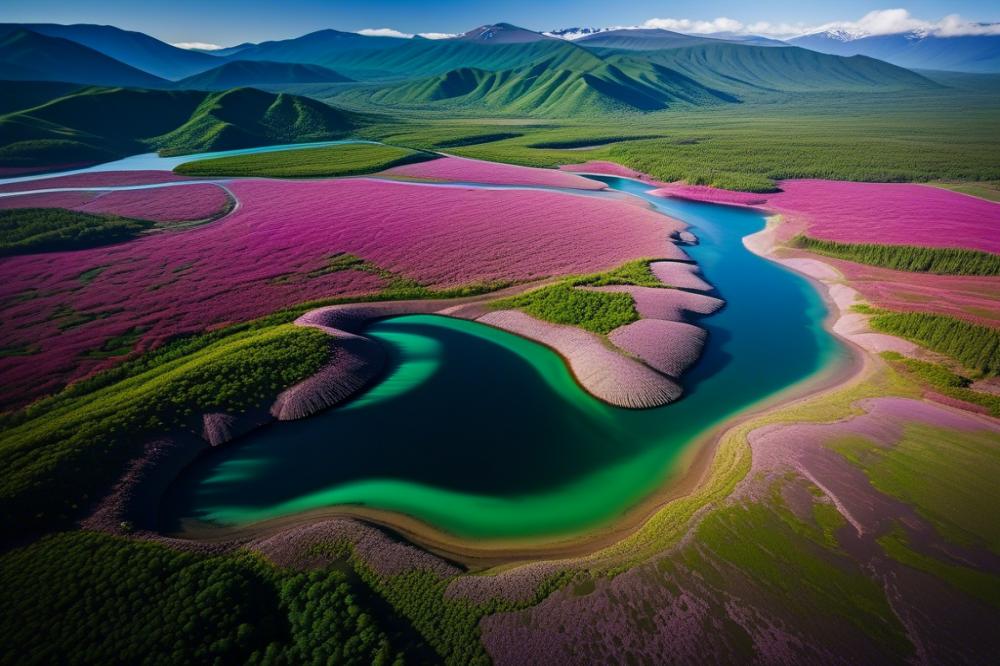
The Kamchatka Peninsula boasts a diverse and breathtaking landscape. Towering volcanoes rise above the lush valleys, where rich forests thrive. This area is known for its numerous wild rivers that meander through the terrain. These waterways serve as vital lifelines for various species. Among the most significant residents are the salmon that return each year to spawn. This region stands out, not only for its beauty but for the vital ecosystems it supports.
Importance of wild rivers for Biodiversity and Ecological Balance
Wild rivers are crucial for maintaining biodiversity. They provide a range of habitats that support fish, plants, and wildlife. Healthy aquatic habitats are essential for the different stages of life, especially during salmon migration. Rivers affect the surrounding environment, influencing soil quality and plant life. This interconnectedness is crucial for the overall ecological balance. Conservation efforts aimed at protecting these waterways play a significant role in preserving diverse ecosystems.
Goals of the Wild River Protection Plan
The Wild River Protection Plan has clear objectives. Its primary aim is to enhance ecological protection across the region. By focusing on sustainable fishing practices, the plan hopes to address the needs of both wildlife and local communities. Environmental policy is a key component, advocating for strong regulations that limit harmful activities. Additionally, the initiative promotes wildlife preservation, ensuring future generations will also enjoy these natural wonders. Salmon Conservation is another significant focus, protecting these iconic fish and their habitats throughout their life cycles. Ultimately, this plan strives to safeguard the unique richness of Russian ecosystems for years to come.
The Kamchatka Peninsula
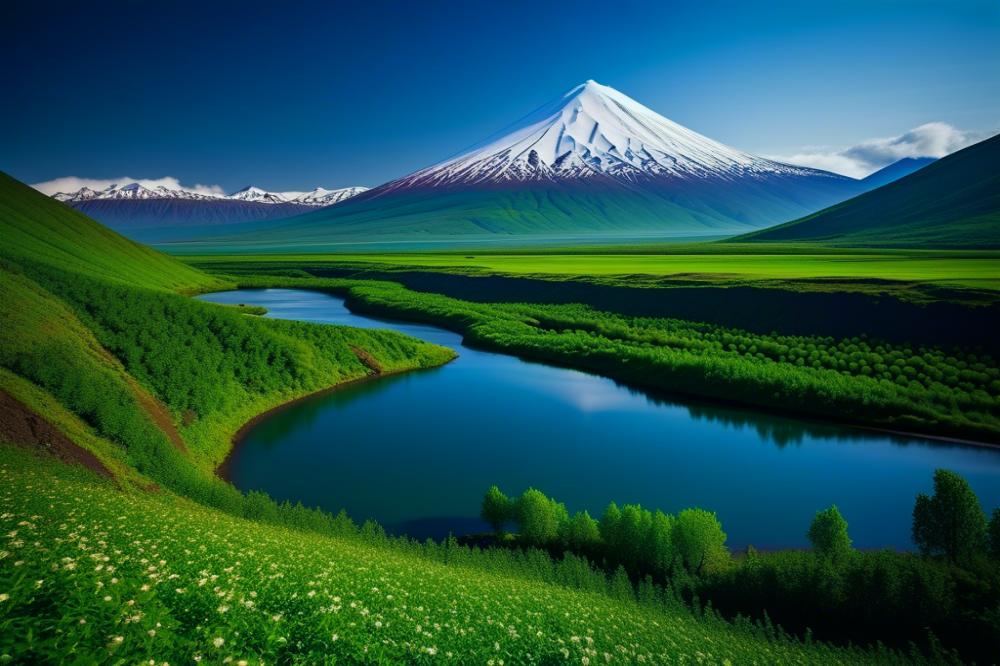
The geographical significance of the Kamchatka Peninsula lies in its diverse ecosystems and rich natural resources. Stretching into the Pacific Ocean, this rugged land is home to numerous wild rivers. These waterways serve as essential lifelines to their surroundings, shaping the ecological landscape. The sheer volume of these rivers contributes to the area’s healthy aquatic habitat.
Several features make the rivers of this region special. With crystal-clear waters and swift currents, they create ideal conditions for salmon migration. Each year, these fish travel upstream to spawn, marking a vital event in the life cycle of the local ecosystem. Furthermore, the rivers support a host of other species, from bears to eagles, all relying on salmon as a food source.
In local biodiversity, salmon streams play an irreplaceable role. They sustain various wildlife, including mammals and birds that depend on this nutrient-rich resource. Healthy fish populations contribute to a balanced food web. Preservation of these streams directly impacts environmental policy and ongoing conservation efforts in the region.
Fishing sustainability is particularly important for the communities that rely on these resources. By focusing on responsible practices, both the fish and their habitats can thrive. Local fishermen and conservationists often collaborate to protect these vital waters. Balancing human needs with wildlife preservation of the area is crucial for maintaining its ecological integrity.
Russian ecosystems depend heavily on the health of the Kamchatka Peninsula. The interconnectedness of its rivers and land illustrates how critical this area is to overall biodiversity. It is not merely a region with beautiful landscapes; its wild rivers serve as a foundation for various life forms. Understanding these dynamics is key to effectively safeguarding the unique natural heritage found here.
The Wild River Protection Plan

Objectives of the Plan in the Context of ecological protection
The Wild River Protection Plan aims to maintain the natural balance of ecosystems. Protecting the wild rivers of the Kamchatka Peninsula is essential for preserving biodiversity. Salmon streams play a crucial role in the health of Russian ecosystems. This plan focuses on reducing human impact on these areas. It promotes sustainable fishing and aims to support wildlife preservation practices. Efforts are directed toward preventing pollution and habitat destruction, essential for strong salmon migration patterns.
Strategies for Restoring Aquatic Habitats and Wild River Systems
Several strategies are in place to enhance aquatic habitats. Establishing protected areas helps to restrict damaging activities. Restoration projects aimed at improving riverbanks and water quality are already underway. Reintroducing native plant species supports the overall ecological health. Creating underwater habitats for fish and other organisms is equally important. The plan stresses collaboration with scientists to monitor river conditions continuously. These actions combine to promote the long-term sustainability of wild river systems.
Involvement of Local Communities and Stakeholders
Engaging local communities is vital for the plan’s success. Their deep knowledge of the land can inform better practices for ecological protection. Workshops and discussions encourage community participation in conservation efforts. Stakeholders, including local fishermen and environmental groups, contribute valuable insights. By working together, they can share resources and ideas for better fishing sustainability. Supporting local traditions and practices helps align ecological goals with community needs. Collaboration creates a sense of ownership, increasing commitment to preserving wild rivers.
Conservation Efforts
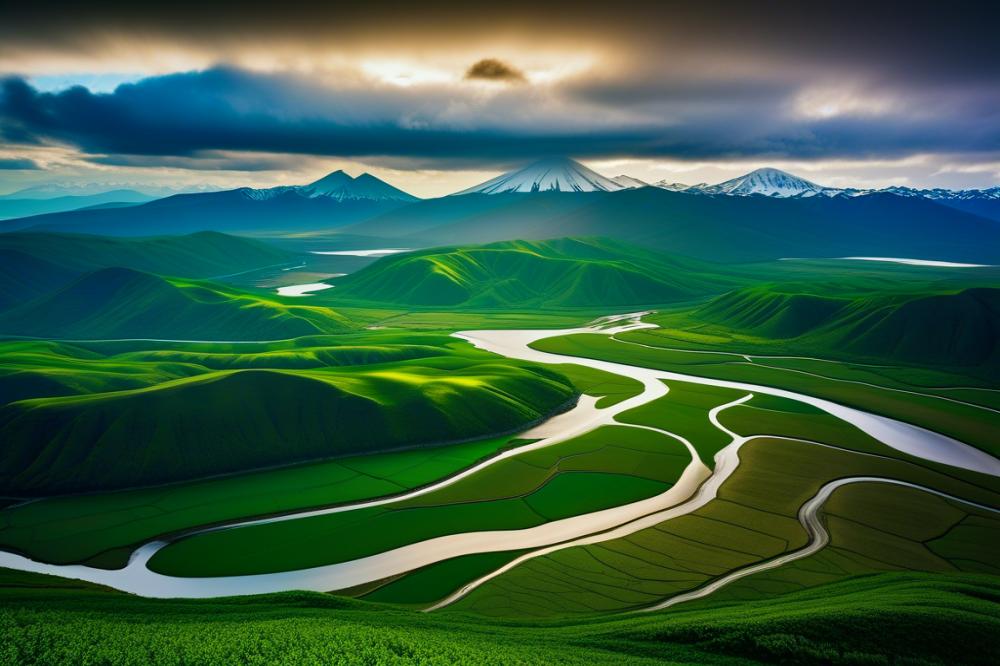
Current initiatives aim to protect key salmon migration routes across Russia’s diverse landscapes. Organizations work to reclaim wild rivers and restore ecological balance. Projects to monitor salmon populations have been set up. These efforts help track changes in migration patterns. Protecting these routes is essential for maintaining biodiversity.
Assessment of Fishing Sustainability Practices
Fishing practices face scrutiny for their impact on aquatic habitats. By promoting responsible fishing methods, local communities can contribute to conservation. These strategies include catch limits and seasonal closures aligned with salmon life cycles. Stakeholder collaborations help ensure transparency in fishing operations. Evaluating fishing sustainability involves looking at the long-term health of fish populations and their ecosystems.
Impact of Environmental Policy on Wildlife Preservation
Environmental policies directly affect wildlife preservation in Russian ecosystems. Strong regulations promote protection of critical habitats. Support for conservation initiatives varies by region, impacting effectiveness. These rules often focus on limiting pollution and habitat destruction. When local government enforces these policies, wildlife benefits significantly. Educational programs raise awareness about the importance of safeguarding nature. They aim to engage the public in the effort to protect these amazing ecosystems.
Benefits of the Protection Plan
Enhancements to local biodiversity and ecosystem health
The Kamchatka Peninsula is home to many wild rivers, which are vital to various species. Protecting these waterways leads to healthier aquatic habitats. Salmon migration relies on clear and clean streams for successful spawning. When conservation efforts focus on these waters, it helps preserve diverse wildlife. Rich biodiversity plays a crucial role in maintaining ecological balance. By safeguarding these ecosystems, we prevent the loss of unique plant and animal species. The protection plan aims to strengthen these environmental policies for a better future.
Promotion of sustainable fishing and tourism practices
Sustainable fishing practices become more important as the rivers are protected. Guidelines for local fishermen will encourage the responsible use of resources. It is essential to balance fishing activities with the needs of the ecosystem. Tourists visiting the area benefit from the stunning landscapes and healthy wildlife. Promotions for eco-tourism can support the economy while protecting nature. This approach draws more visitors to the region, fostering awareness about environmental preservation. Sustainable tourism methods help to maintain the natural beauty of the rivers.
Long-term impact on the Kamchatka Peninsula’s environmental landscape
Long-term, the protection plan can reshape the environmental landscape. Preserving crucial habitats promotes resilience in Russian ecosystems. Healthy rivers contribute to the overall health of the surrounding areas. These efforts will reinforce the stability of the region’s natural resources. Maintaining ecological protection ensures rivers remain vibrant for years to come. Healthy ecosystems will support local communities and their way of life. Such initiatives have the potential to create a positive ripple effect on both nature and society.
Challenges and Future Directions
Several potential threats endanger the wild rivers and salmon habitats in Russia. Climate change poses a significant risk. Altered temperatures and unpredictable weather patterns can disrupt salmon migration. Additionally, pollution from agriculture and industry threatens the purity of aquatic habitats. Overfishing has also contributed to declining fish populations, which impacts the entire ecosystem.
Ongoing conservation efforts are essential for protecting these unique environments. This includes updating environmental policies to address emerging challenges. Stronger regulations on fishing and industrial activities can help maintain fishing sustainability. Furthermore, restoring damaged habitats must be a priority to support biodiversity. These actions will ensure a balanced ecosystem where wildlife can thrive.
Engagement with international organizations is vital for comprehensive ecological protection. Collaboration with experts in environmental science strengthens local initiatives. By sharing knowledge and resources, these partnerships can enhance conservation strategies. It is crucial for the global community to recognize the importance of Russian ecosystems. Preservation efforts should include a focus on native species and their habitats.
Through joint efforts, the future of Kamchatka’s rivers can be protected. Both local communities and global entities must work together. They must raise awareness about the significance of healthy salmon populations. Increased advocacy can lead to better management practices that support long-term viability. Together, we can embrace the challenge of safeguarding these precious resources for future generations.
Final Thoughts on the Kamchatka Wild River Protection Plan
The Kamchatka Peninsula Wild River Protection Plan plays a vital role in preserving the area’s natural beauty and ecological integrity. Diverse ecosystems thrive here, thanks to the clean, flowing waters that support salmon and other wildlife. Protecting this region means safeguarding not just the fish, but also the livelihoods of communities that depend on these resources.
Support for conservation efforts remains essential. Engaging with local communities and international organizations can lead to better awareness and action. People can contribute by advocating for responsible policies, participating in clean-up events, or supporting wildlife initiatives. Every little action counts when it comes to preserving these beautiful, wild rivers.
The future of Kamchatka’s pristine landscapes looks bright if we continue working together. Envision a place where salmon swim freely in crystal-clear streams and ecosystems flourish without the threat of pollution or development. Every generation has a responsibility to protect this natural heritage. Having healthy rivers ensures the survival of countless species and the well-being of local cultures.
Joining hands for ecological protection will make a significant difference. Let’s all take part in this journey. Together, we can ensure that the remarkable beauty of Kamchatka lives on for future generations to enjoy.


