

Introduction
The Maldives is a stunning chain of islands located in the Indian Ocean. Known for its crystal-clear waters and vibrant marine life, this tropical paradise attracts millions of tourists each year. However, the beauty of the Maldives is under threat. rising sea levels, driven by climate change, pose a dire challenge to its existence.
Beach restoration plays a vital role in combating the effects of coastal erosion. As the shoreline retreats, the need for effective beach management becomes increasingly urgent. Projects aimed at restoring beaches are not just about protecting sand; they are integral to maintaining the delicate balance of local marine ecosystems. When beaches erode, habitats are lost, affecting both wildlife and the communities that rely on these resources.
Focusing on island sustainability and environmental conservation is essential for the future of the Maldives. Many locals are actively involved in shoreline defense initiatives, strengthening their connection to the land and its resources. Community engagement is a key aspect of these restoration projects. It ensures that efforts to combat rising sea levels are both effective and culturally relevant. By prioritizing such actions, the Maldives can work toward a more sustainable future.
In conclusion, the need for robust beach restoration efforts in the Maldives cannot be overstated. As the world grapples with climate change, this island nation serves as an example of the challenges faced by vulnerable coastal communities. Addressing these issues is not just about saving a paradise; it is about protecting a way of life for generations to come.
Maldives beach restoration
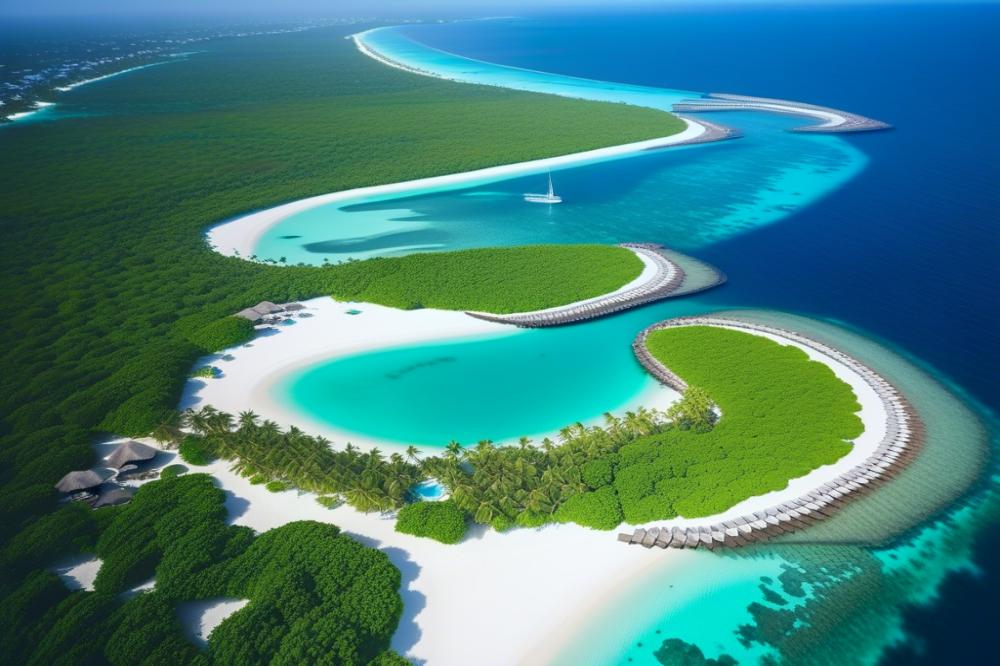
Beach restoration refers to the process of rebuilding and preserving coastal areas impacted by erosion. This practice holds significant value, particularly for vulnerable places like the Maldives. Here, rising sea levels pose a threat to local communities, marine wildlife, and tourism, which is vital for the country’s economy.
Restoration projects are carefully designed to tackle the challenges presented by climate change. By creating barriers, such as artificial reefs or sand dunes, they act as shoreline defense systems. These initiatives not only guard against storms but also create habitats for various marine ecosystems. Implementing such strategies is essential for long-term island sustainability.
The role of beach management is crucial in this context. Effective management involves planning and executing projects that prevent erosion while also enhancing natural coastlines. Throughout the Maldives, local governments and organizations strive to implement the best practices for coastal protection. Involving community engagement in these efforts strengthens the connection residents have to their environment.
Several successful examples of restoration efforts can be found across the Maldives. Projects in places like Thulusdhoo and Maafushi have shown promising results. These areas have seen the introduction of eco-friendly materials and techniques that respect the local environment. As a result, the beaches have been replenished, attracting tourists and supporting local livelihoods. Such efforts highlight how collaboration can lead to impactful environmental conservation.
Impact of Rising Sea Levels and Climate Change
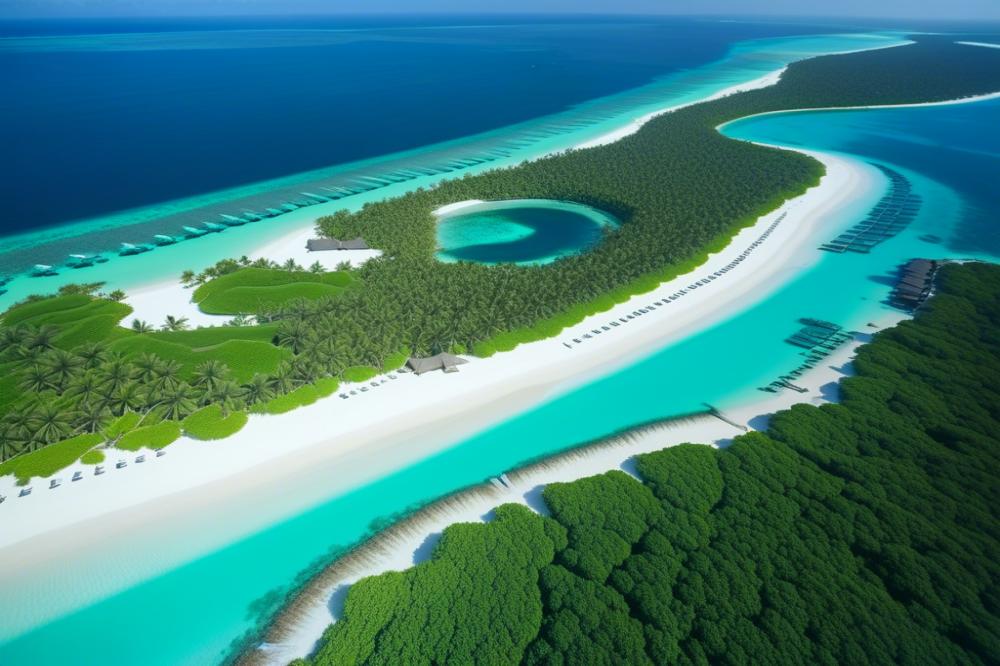
The Maldives faces a challenging reality. As one of the lowest-lying countries in the world, rising sea levels pose a significant threat. High tides and storm surges increasingly endanger coastal areas and local communities. Reports indicate that these levels could rise several feet by the end of the century. This situation raises concerns about island sustainability and the future of its inhabitants.
Climate change is not only about warmer temperatures; it also causes shifting weather patterns. These alterations lead to increased rainfall and stronger storms. Such changes contribute to coastal erosion, which affects the very fabric of island life. Each year, more land is lost to the relentless impact of the ocean. Restoring beaches and implementing effective beach management are critical for maintaining safety and comfort for locals and tourists alike.
Marine ecosystems suffer significantly from these environmental changes. Coral reefs, essential for biodiversity, are under stress from higher temperatures and ocean acidification. These underwater communities serve as homes for countless species. Their decline affects fish populations and the overall health of the ocean. Protecting these vital habitats through environmental conservation is crucial for sustaining life both on and near the shores.
Addressing these challenges requires a multifaceted approach. Restoration projects play a vital role in reversing some of the damage. Shoreline defense techniques can safeguard against the advance of the sea. Community engagement also fosters a shared sense of responsibility. When local residents participate in these initiatives, it strengthens their commitment to protecting their environment and future.
Community Engagement in Restoration Efforts
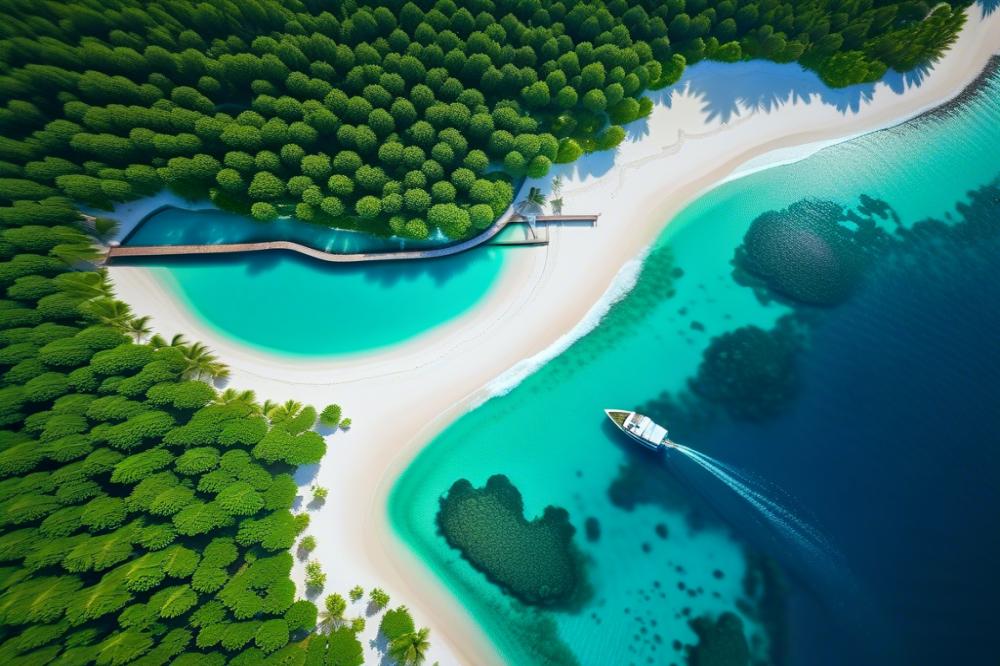
Local communities play a vital role in beach restoration efforts across the Maldives. Residents understand their environment and are often the first to notice changes. Engaging these communities can lead to more effective solutions in combating rising sea levels and coastal erosion.
Raising awareness about the impact of climate change is essential. Education programs help people understand the consequences of their actions on marine ecosystems. Workshops and training sessions can empower locals to take the lead in restoration activities.
Initiatives that involve the community in restoration projects are gaining momentum. Programs often invite volunteers to participate in planting vegetation along coastlines. This not only protects the shoreline but also fosters a sense of ownership among residents.
Case Studies of Successful Community-Led Efforts
One notable example is the island of Dhigurah. Here, local fishermen joined forces with environmental organizations to build natural barriers. These barriers are designed for shoreline defense, effectively reducing the impact of waves and preventing erosion.
Another success story comes from the island of Maafushi. Community members established a beach management plan that includes regular clean-up drives and educational outreach. Their initiatives have not only restored the beach but also improved local tourism.
These examples highlight the power of community engagement in environmental conservation. When locals take part in restoration efforts, the benefits extend beyond the beaches. They foster a culture of island sustainability and inspire neighboring islands to adopt similar practices.
Engaging communities in coastal protection not only strengthens their connection to the land but also builds resilience against future challenges posed by climate change. Collaborative efforts become a crucial part of the long-term strategy for managing the Maldives’ beaches.
Innovative Technologies and Strategies
Modern methods play a crucial role in beach restoration efforts around the globe. These techniques focus on combating rising sea levels and managing coastal erosion. Different strategies now exist to help protect the fragile ecosystems of the Maldives.
Natural solutions hold significant importance in shoreline defense. They not only preserve the environment but also enhance community engagement in conservation efforts. Living shorelines, for instance, utilize plants and natural materials to create barriers against the waves.
The use of geotextiles is another pioneering approach. These synthetic fabrics help stabilize beaches and prevent sand from washing away. Installing geotextiles can significantly reduce the impact of storm surges on the coastline.
Moreover, reef rehabilitation has gained attention in recent years. Healthy coral reefs can break the force of incoming waves, providing vital protection for shorelines. Restoring these underwater ecosystems is essential for maintaining marine biodiversity and bolstering coastal protection.
Sand nourishment is commonly employed to replenish beaches. This method involves adding new sand to eroded beaches to restore their natural shape. By redirecting sand from other areas, restoration projects can enhance beach management while improving island sustainability.
In addition to technical strategies, community involvement is vital. Local residents often participate in beach cleanups and restoration activities. Their engagement fosters a better understanding of environmental conservation and long-term benefits.
All these technologies work together to strengthen the Maldives against climate change. Innovations in beach restoration offer hope for maintaining these beautiful islands. The focus on sustainability ensures that the environment remains balanced and resilient for generations to come.
The Future of Beach Restoration in the Maldives
Efforts to restore beaches in the Maldives face numerous challenges. Rising sea levels threaten these small islands constantly. Coastal erosion undermines not only the land but also the communities that rely on tourism and fishing. Restoration projects often require significant funding and resources, which can be hard to come by. Natural disasters exacerbated by climate change make ongoing maintenance difficult.
Planning for the long term is crucial. Island sustainability must be at the forefront of any strategy. This includes thinking about the health of marine ecosystems, which are vital for the overall health of the beaches and the surrounding environment. Restoring beaches is not just about adding sand; it’s about creating resilience against future threats. Powerful storms can wash away newly restored areas if adequate shoreline defense structures are not incorporated.
Collaborative efforts offer great potential. National agencies can work alongside local communities, ensuring that everyone benefits from restoration. Engaging local populations in restoration projects brings invaluable knowledge and support. International partnerships also play a key role, as many nations face similar issues. Sharing technology and expertise can lead to innovative solutions for beach management.
A vision for the future focuses on sustainable beach management and coastal protection. This approach goes beyond simple restoration; it includes comprehensive strategies that integrate environmental conservation. Protecting beaches means also protecting the livelihoods of those who depend on them. A balanced strategy can help communities adapt to the realities of climate change. Through community engagement, individuals feel a sense of ownership and responsibility toward local environments.
Final Thoughts on Restoration Efforts
The work being done to restore the Maldives’ beaches is essential for the future of this island nation. Coastal erosion and rising sea levels pose a significant threat to both the environment and local communities. If these challenges are not addressed, the consequences could be dire. Restoring beaches helps protect the ecosystem while also safeguarding homes and livelihoods.
Support for these initiatives is vital. Communities, governments, and individuals must engage in efforts to maintain beach restoration projects. This collective engagement can lead to lasting improvements in resilience against climate change. Everyone has a role to play, whether through volunteering, funding, or spreading awareness about the issues at hand.
In closing, environmental conservation plays a critical role in protecting vulnerable island communities like those in the Maldives. Sustainable practices not only contribute to the health of the ecosystem but also support the long-term survival of the islands and their inhabitants. By investing in restoration efforts, we invest in a sustainable future for generations to come.


