Creating a Relaxing Atmosphere with aromatic plants
Gardening enthusiasts understand the power of scent in transforming a space. fragrant herbs play an important role in crafting a relaxing outdoor seating area. Their delightful aromas can evoke memories and stir emotions. Imagine sipping tea in a cozy nook surrounded by aromatic plants that not only smell wonderful but also enhance the experience.
Adding these herbs for patios does more than improve fragrance; it enriches the garden’s overall scents. Each plant contributes its own unique scent, creating layers of fragrance that mingle beautifully. Basil, mint, rosemary, and lavender are just a few options that can fill the air with their fragrant leaves, inviting relaxation and calm.
Incorporating these plants into your outdoor decor is simple. Consider herbal planters bursting with vibrant greenery. A sensory garden teeming with aromatic varieties can turn any patio into a personal oasis. From the fresh scent of basil to the sweet notes of chamomile, these plants for relaxation can make all the difference.
Designing your herb garden can reflect your personal style and preferences. Positioning fragrant herbs strategically can elevate your outdoor seating area. The calming presence of these aromatic plants offers not only pleasant aromas but also a touch of nature to daily life. Dive into this experience and elevate your surroundings with these elements of natural fragrance.
The Appeal of Fragrant Herbs
Fragrant herbs offer a world of sensory benefits that can transform your outdoor seating area into a relaxing retreat. Aromatic plants have a way of uplifting spirits and enhancing any moment spent outdoors. Their delightful scents can trigger memories and evoke emotions, leading to a happier atmosphere.
Consider the soothing qualities these plants provide. Just a few deep breaths of their natural fragrance can reduce stress and contribute to overall well-being. When you sit among these green companions, the atmosphere shifts. You feel more connected to nature and more at ease in your surroundings.
Garden scents play a vital role in outdoor decor. The way a pleasant aroma mingles with the air can create an inviting environment. An herb garden design that incorporates fragrant leaves not only pleases the nose but also enhances the visual appeal. Colorful blooms paired with lush greens draw the eye while the gentle scents do the rest.
Herbs for patios can provide a sensory experience that transcends traditional decor. Think of lavender as a calming presence or mint offering a refreshing note. These plants for relaxation do more than beautify. They invite you to unwind and savor your time outdoors.
Creating herbal planters filled with various aromatic plants can tailor your garden to your preferences. Imagine the unique scent of basil mingling with the bright smell of rosemary. The combination of smells can engage all the senses, making your outdoor space a true sensory garden.
Incorporating these delightful plants adds depth to your outdoor experience. As the sunlight sets and the evening breeze flows, the scents linger and create a calming ambiance. Enjoying this sensory richness allows one to appreciate nature on a more profound level.
Selecting the Right Fragrant Herbs

Choosing the right aromatic plants can make a big difference in enhancing your outdoor seating area. First, consider the scents that you enjoy. Some people prefer sweet, floral aromas, while others like fresh, green fragrances. Your preferences will guide you in selecting herbs for patios.
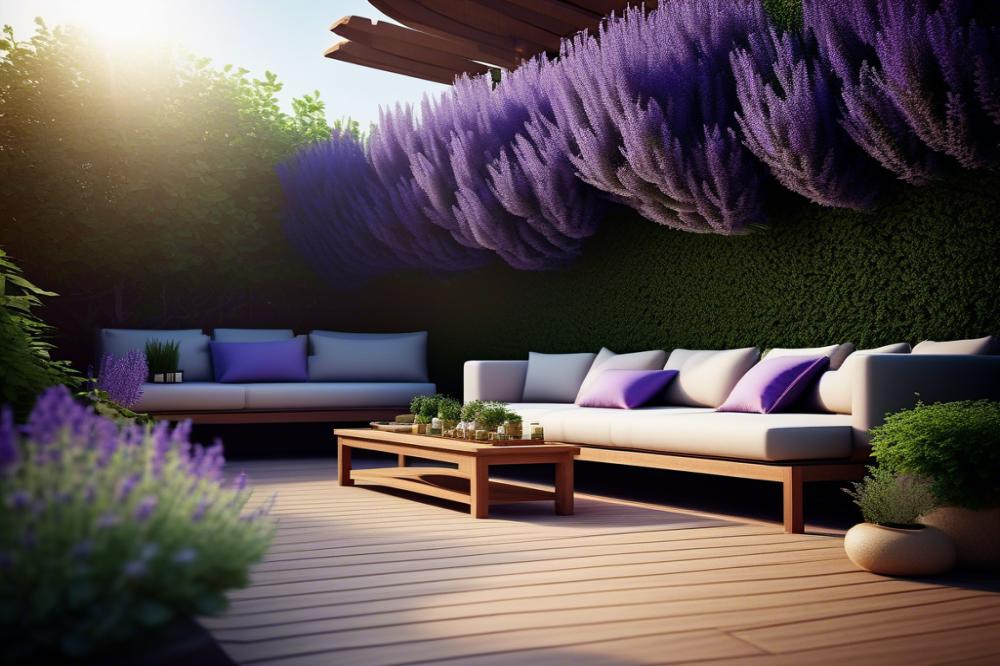
Lavender is a popular choice for many outdoor spaces. Its soft purple flowers and calming scent create a peaceful ambiance. When brushed against, lavender releases a rich, floral fragrance that is known for its relaxing qualities. Positioning lavender in a sunny spot will help it thrive and provide a beautiful addition to any garden scents.
Rosemary offers a different kind of aroma. This herb has a robust, pine-like scent that can brighten up a patio. Its fragrant leaves have culinary uses too, making it perfect for those who enjoy cooking. Imagine sitting outside while the scent of rosemary fills the air, perhaps while grilling or entertaining friends.
If you want something refreshing, mint might be the answer. With its invigorating aroma, mint is perfect for summer gatherings. The smell alone can be uplifting. Consider adding mint to herbal planters or even as a border plant in your herb garden design.
Basil is another excellent choice for outdoor decor. Its sweet, slightly spicy scent is a summer favorite. In addition to its lovely aroma, it can enhance many dishes. Plucking fresh basil leaves while seated outdoors can be a sensory experience that adds to your enjoyment.
When selecting your herbs, think about their growth habits and sunlight needs. Some plants prefer full sun, while others thrive in partial shade. A balanced mix can create a diverse sensory garden that appeals to all your senses.
Make sure to position these fragrant plants near seating areas. Having them close by allows you to enjoy their natural fragrance whenever you sit down to relax. A thoughtfully arranged herb garden can elevate your outdoor space into a vibrant oasis.
Using these fragrant leaves isn’t just for aesthetics. They can also contribute to a calming atmosphere. The right combination of scents can make your outdoor setting a perfect retreat for relaxation.
Cultivating and Maintaining Aromatic Plants

Growing fragrant herbs involves specific techniques that can lead to a thriving garden. First, consider the soil type. Most of these aromatic plants thrive in well-drained soil with a good amount of organic matter. You might want to mix compost or peat moss into the soil to enrich it. The right texture will help with drainage and provide essential nutrients.
Sunlight is another critical factor. Most herbs for patios require at least six hours of direct sunlight daily. Placing your herbal planters in a bright spot can help maximize growth. Choose areas that capture the sun’s rays but avoid spots where heavy shade persists.
Watering practices also play a vital role. These plants prefer to dry out slightly between waterings. Over-watering can lead to root rot, so always check the soil moisture before adding more. Aim for a balance that keeps the plants hydrated without saturating them.
Pest management should not be overlooked. Common pests like aphids and spider mites can threaten the health of your aromatic garden. Simple solutions include using insecticidal soap or neem oil to keep these nuisances at bay. Regular inspections will help catch any issues early.
Design is key in creating a sensory garden filled with delightful garden scents. Strategically place different herbs to create a beautiful and functional outdoor decor. This approach can enhance the fragrance experience while allowing easy access for harvesting. Grouping fragrant leaves together can create a stunning visual display as well as an inviting aroma.
Plants for relaxation, like lavender and rosemary, are excellent choices. Designing your herb garden with seating nearby can make it a personal retreat. Think about layout: tall herbs can offer shade, while shorter ones provide easy access for cooking or infusing your favorite teas.
Ultimately, paying attention to these tips will help you cultivate a vibrant and aromatic herb garden. The right care combined with thoughtful planning will lead to flourishing plants and delightful outdoor spaces.
Creating Herbal Planters for Outdoor Spaces
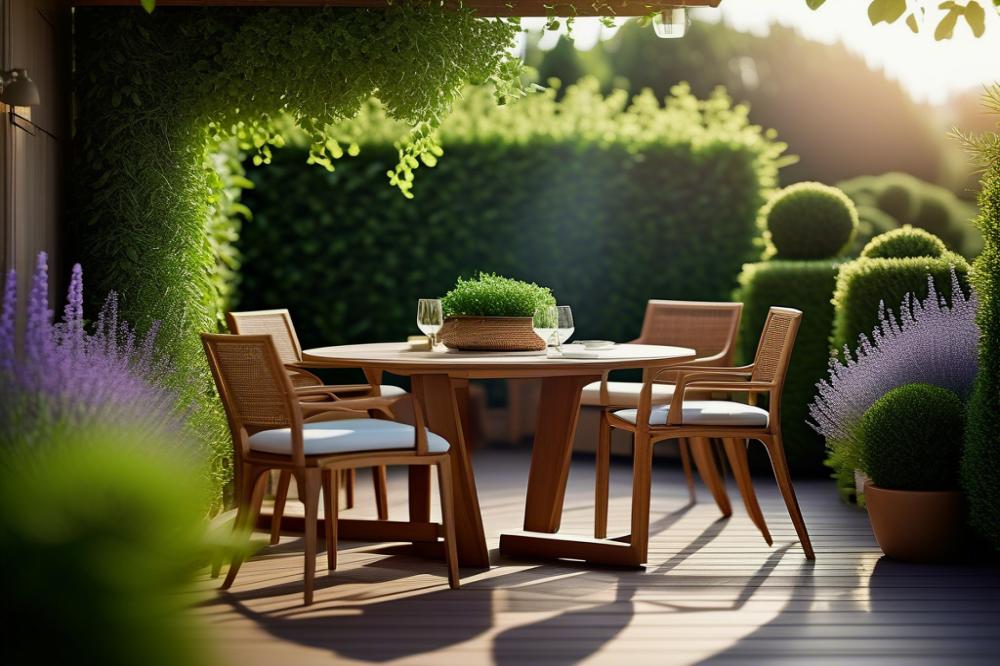
Designing herbal planters can transform your outdoor seating area into a peaceful sanctuary. Combining different aromatic plants allows for a visual feast and a delightful blend of smells. Start by choosing a variety of herbs for patios—basil, mint, and rosemary make excellent choices. Their fragrant leaves not only elevate the senses but also add vibrant colors to your space.
Arranging these plants thoughtfully plays a key role in your garden scents. Position taller herbs like lavender towards the back of the planters. This creates layers that draw the eye. Place shorter varieties, such as chives or thyme, in front to avoid crowding. This layered look enhances visual appeal while letting each plant shine.
Create a sensory garden by incorporating texture. Some herbs, like sage, have soft, velvety leaves. Others, such as oregano, boast a compact growth habit. Mixing these textures adds interest and keeps the eye moving. Consider adding edible flowers like nasturtiums for pops of color and further diversity.
Consider container choice carefully. Rustic wooden planters or sleek ceramic pots can contribute to your outdoor decor. Natural materials blend beautifully with greenery, enhancing the overall aesthetic. Don’t forget a well-draining potting mix to keep your plants healthy and flourishing.
To truly enhance your space, think about spacing. Avoid overcrowding your herbal planters to allow each plant to thrive. An ideal arrangement allows air circulation, which is essential for maintaining healthy plants for relaxation. Additionally, consider grouping pots of different heights on a small table or staggered on shelves for added dimension.
Incorporating herbs that attract pollinators can also add life to your sensory garden. Plants like lemon balm and catnip can invite bees and butterflies. This creates a lively atmosphere while contributing to the environment. Being mindful of arrangements and plant choices helps create a tranquil yet stimulating outdoor oasis.
Integrating Fragrant Herbs into Outdoor Decor
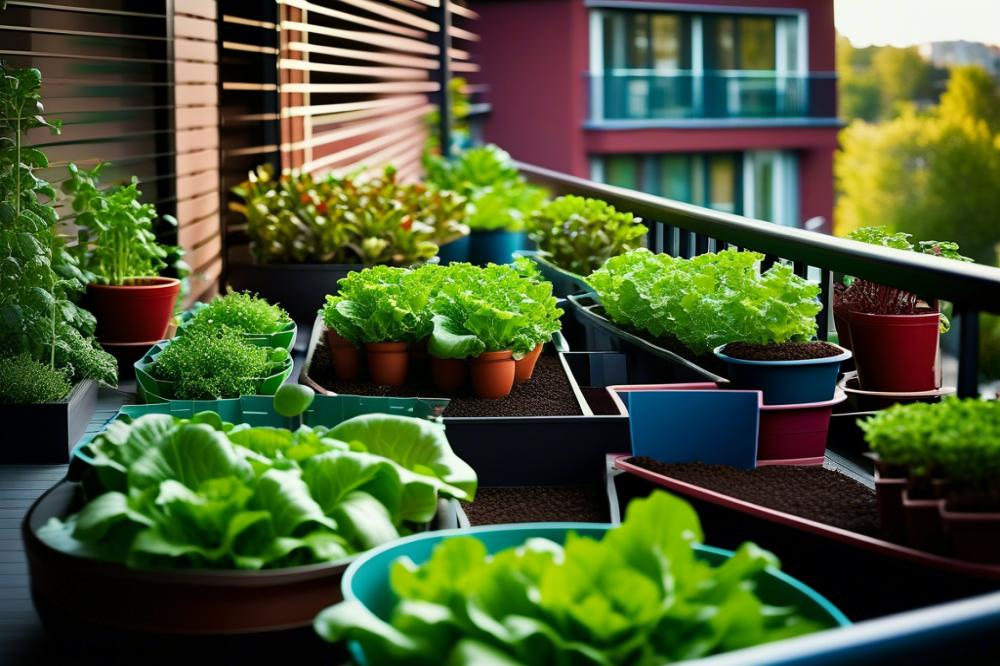
Transforming your outdoor space with aromatic plants offers a delightful way to enhance relaxation. Hanging planters provide vertical interest while filling the air with inviting scents. Creating a sensory garden along a trellis can elevate a simple patio into a fragrant retreat. Choose lightweight containers, and consider using jute or macramé hangers for added texture.
Window boxes present another charming option. Fill them with herbs for patios like lavender, basil, and thyme. These not only beautify the area but also provide a handy supply of fresh flavors for cooking. Decorative pots can line pathways or frame seating areas, drawing the eye while inviting a gentle whiff of natural fragrance as guests stroll by.
DIY projects for incorporating plants can be both fun and rewarding. Craft your own herb garden design by using reclaimed materials, such as wooden crates or tin cans. Painting these containers in cheerful colors can brighten any corner of your outdoor decor. You can also plant fragrant leaves in varied heights for visual appeal.
Arranging herbal planters on tables can create an inviting atmosphere. Small pots filled with different plants offer a playful variety of garden scents. Grouping them together can enhance the overall aesthetic while making them easy to reach for a quick fresh sprig. Adding a few larger plants can also draw attention and create a cozy ambiance.
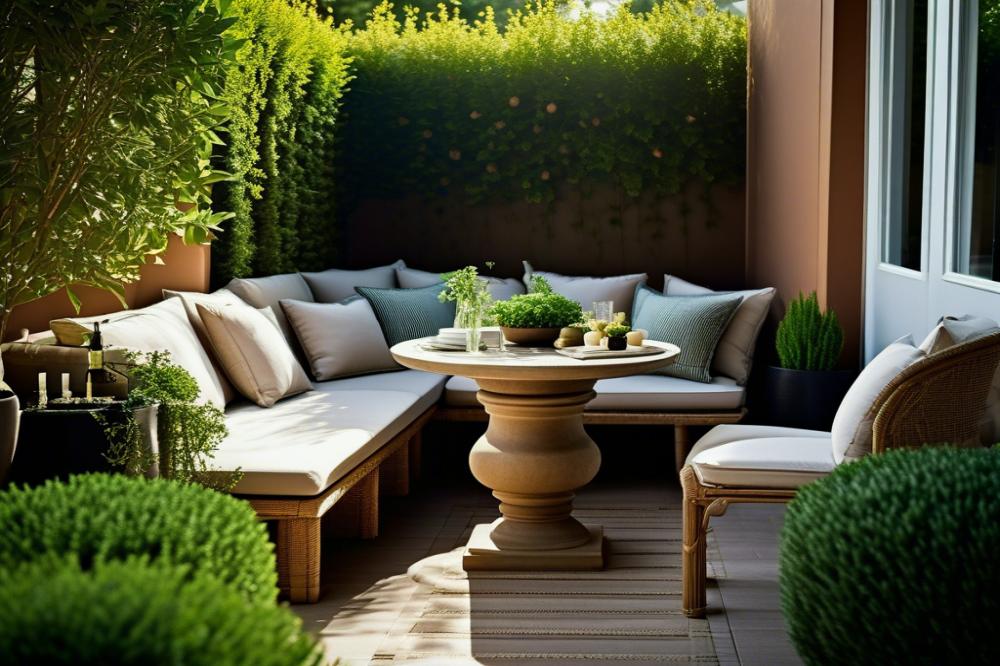
Consider creating an outdoor lounge area surrounded by plants for relaxation. Use a combination of seat cushions and throw pillows to make your space feel welcoming. With some careful planning and creativity, you can build an inviting atmosphere enhanced by the captivating aromas of your chosen herbs. Each detail, from container choice to plant variety, plays a significant role in the overall feel.
Benefits of a Sensory Garden
Creating a sensory garden centered around aromatic plants offers multiple advantages. When fragrant herbs are included, they not only enhance outdoor decor but also attract various forms of wildlife. Butterflies, bees, and other beneficial insects are drawn to the scent produced by these herbs. This action promotes biodiversity in your garden and encourages a delicate ecosystem to thrive.
Those who sit in such a serene environment often find relaxation. The garden scents from fragrant leaves can calm the mind and soothe the body. People naturally feel peace as they breathe in the luscious aromas. This sensory experience creates an inviting space for gatherings with friends or quiet moments alone.
Herbs for patios provide a delightful way to decorate and enhance the atmosphere. They can be planted in herbal planters, which allows for mobility and easy care. Scents vary, giving each area a unique smell that contributes to the overall ambiance. Whether you prefer spicy basil or sweet mint, every plant offers distinct aromas that enrich your outdoor area.
Designing a space with plants for relaxation in mind is essential for making it a sanctuary. The simple act of tending to these plants provides joy and engagement. Furthermore, the act of gardening can serve as a therapeutic outlet. Choosing the right blend of herbs can transform your space into a fragrant haven.
A sensory garden is not just about looks but also about providing a feast for the senses. The combination of colors, scents, and textures contributes to a complete sensory experience. Incorporating fragrant leaves encourages a more immersive outdoor experience. As you create your herbal garden design, consider how these scents interact with the surrounding environment.
In conclusion, think about the layers you can add to your outdoor seating area. Each aromatic plant serves a purpose, whether it’s attracting wildlife or offering a calming scent. Such gardens enrich the quality of life, fostering tranquility and connection to nature.
Final Thoughts
The addition of fragrant herbs can truly transform your outdoor seating area. People often underestimate the power of scent. Aromatic plants create a welcoming environment that invites relaxation and enjoyment. Imagine settling into your favorite chair, surrounded by the soothing scents of lavender, rosemary, or mint. These plants not only enhance the atmosphere but also bring pleasing visual elements. Vibrant greens and subtle flowers give life to any patio.
With the right selection, you can create a diverse sensory experience. Consider how different herbs for patios can complement one another. Some may add a sweet fragrance, while others provide a refreshing zest. This variety offers opportunity for personal expression. Growing these plants can be both a rewarding hobby and a way to create a cozy paradise outdoors.
Don’t hesitate to explore growing your own aromatic plants. It can be a fun and fulfilling journey. Whether you have a large garden or a small balcony, there is ample space for creativity. Start small, and you might find joy in nurturing your plants. Take the time to experiment with different varieties. Your outdoor space will thank you with every fragrant breeze. Embrace this chance to enrich your outdoor decor and relaxation strategies. You won’t regret it.