

Introduction
The Orinoco Delta in Venezuela is a vital ecosystem. It is characterized by its intricate network of wetland habitats. These ecosystems support various forms of life, including numerous fish, birds, and plant species. wetlands play a crucial role in maintaining biodiversity. They also help with flood control and provide clean water resources. In a country like Venezuela, where natural beauty attracts many ecotourism opportunities, preserving these areas is essential.
Indigenous peoples have lived in harmony with these landscapes for generations. Their deep connection to the land informs their knowledge of ecological practices. These communities have long been at the forefront of environmental protection. They understand the importance of conserving their cultural heritage alongside the natural world. By tapping into traditional ecological wisdom, they contribute significantly to conservation efforts across the region.
The Indigenous-Led Conservation Program has emerged as a dynamic response to these needs. By integrating traditional knowledge with modern conservation strategies, the program aims to protect valuable ecosystems while promoting sustainable development. Efforts focus on ecosystem restoration and safeguarding biodiversity. This initiative not only helps the environment but also empowers local communities. It fosters a sense of ownership and responsibility towards the land. Overall, the Orinoco Delta stands as a testament to the powerful intersection of culture and conservation, forging a path for future generations.
The Orinoco Delta and Its Importance
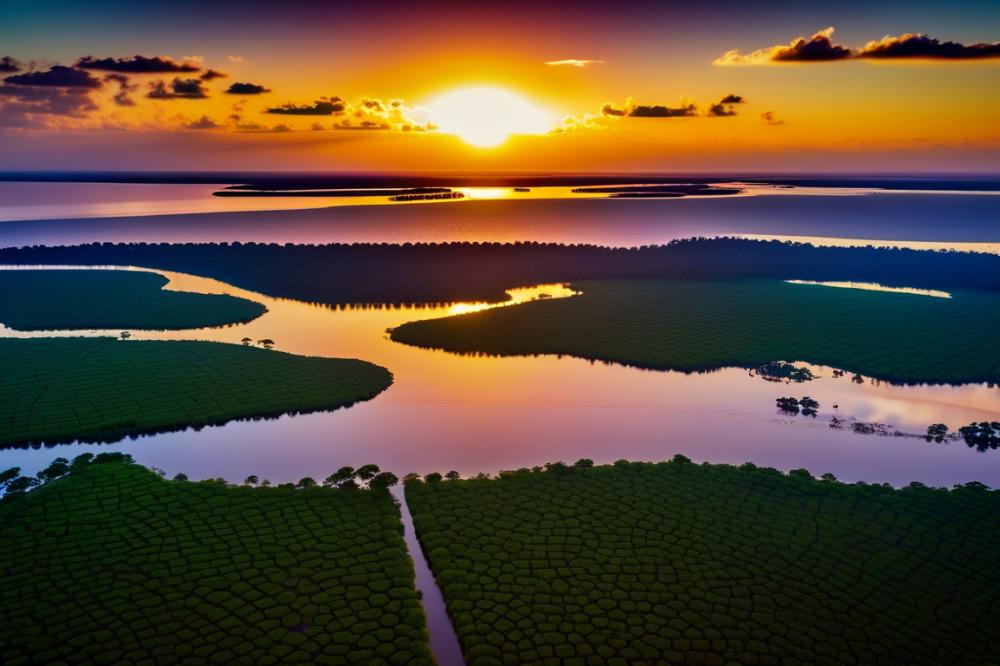
The Orinoco Delta is an extensive wetland ecosystem located in Venezuela. This area is a maze of rivers, islands, and marshes. It serves as a critical habitat for various plant and animal species. Rich biodiversity thrives here, making it one of the most important ecological zones in the country. Endangered species like the Amazon river dolphin and several types of manatees find refuge in these waters.
Significance of Biodiversity in the Delta
Biodiversity is essential for maintaining the health of the ecosystem. Plants and animals interact in complex ways, creating a balanced environment. The delta’s rich variety of life supports local economies through fishing and tourism. Ecotourism has emerged as an important aspect of sustainable development in this region. Visitors come to experience its natural beauty and learn about the unique wildlife. By preserving this rich array of life, locals can benefit economically while promoting environmental protection.
Cultural Heritage of Indigenous Peoples in the Region
The indigenous peoples residing in the delta have a deep connection to the land. Their cultural heritage includes unique languages, traditions, and customs. Many communities depend on the wetlands for their livelihood. They fish, gather plants, and utilize resources in sustainable ways. Knowledge of the ecosystem has been passed down through generations. This wisdom is invaluable in modern conservation efforts and ecosystem restoration.
Challenges Faced by the Delta’s Ecosystems
Indigenous Peoples and Their Role in Conservation
Overview of Indigenous Communities in the Orinoco Delta
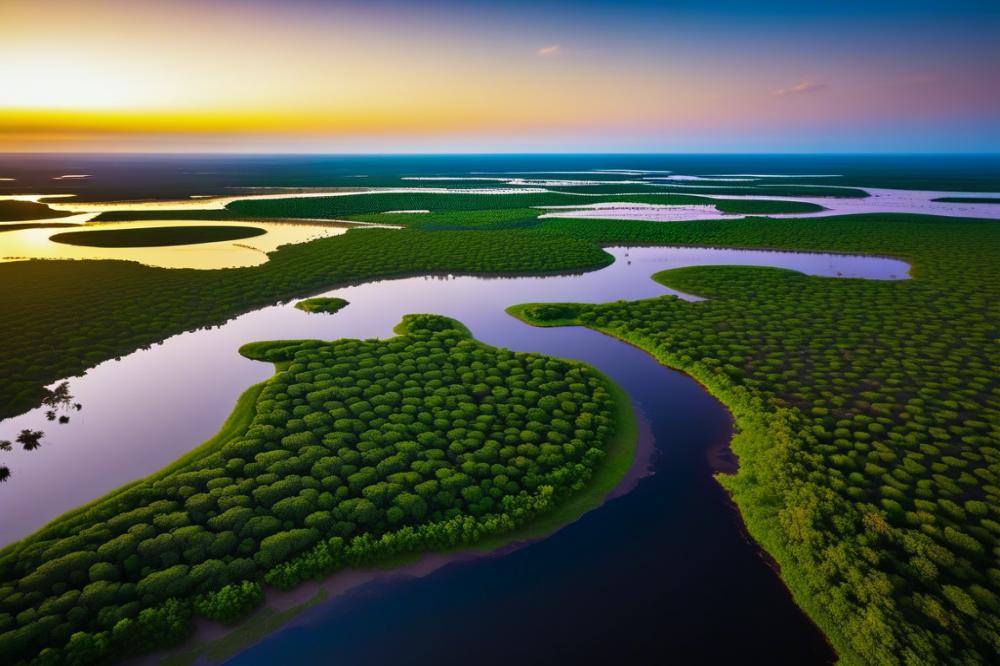
Indigenous peoples in the Orinoco Delta hold a deep connection to their land. These communities have lived in harmony with the wetlands of Venezuela for generations. They possess intricate knowledge about the natural world around them. Their way of life is closely tied to the rhythms of the ecosystem. This rich cultural heritage includes traditions that respect nature and biodiversity.
Traditional Knowledge and Practices for Ecosystem Management
Traditional practices play a vital role in managing local ecosystems. For centuries, these communities have used methods that promote sustainability. For example, they know when to fish or harvest plants to let populations recover. Their understanding of seasonal changes guides these activities. This wisdom helps maintain the balance of the wetlands. Such insightful approaches can contribute to broader conservation efforts.
Impact of Indigenous Leadership in Environmental Protection
Indigenous leadership is crucial for protecting the environment. These leaders often advocate for the rights of their communities and the land. Their perspective brings unique insights into conservation strategies. Collaborating with governmental and non-governmental organizations enhances these efforts. By using their voice, they can influence policies that affect their territory. Working together fosters stronger protections for vulnerable ecosystems.
Importance of Incorporating Cultural Perspectives in Conservation
Cultural perspectives are essential in conservation efforts. They help create a more comprehensive approach to environmental protection. Understanding how indigenous peoples interact with their surroundings can lead to more effective strategies. Ecotourism, for example, can benefit from these insights. When cultural heritage is respected, biodiversity also thrives. Integrating these views supports sustainable development initiatives in the region.
Conservation Efforts in the Orinoco Delta
Details of the Indigenous-Led Conservation Program
Many indigenous peoples in Venezuela are taking charge of conservation efforts in the region. This program allows local communities to protect their land and resources. It emphasizes traditional knowledge in managing natural habitats. These groups are often the best stewards of the environment. Their deep connection to the wetlands is central to the success of the initiative.
Goals of the Program for Wetland Restoration
Restoring the wetlands stands as a primary goal of this program. The aim is to rejuvenate areas damaged by climate change and human activities. Communities strive to sustain biodiversity and support ecosystems. Protecting these vital habitats also helps the local culture. By restoring wetlands, this initiative helps secure traditional ways of life.
Strategies for Protecting Biodiversity and Ecosystems
Different strategies are in place to safeguard local biodiversity. Introduced conservation practices focus on monitoring species and restoring habitats. Communities work to balance farming and fishing with environmental protection. Sustainable development is key to ensuring future generations thrive. Ecotourism opportunities are being explored, providing both economic benefits and environmental awareness.
Partnerships with NGOs and Government Entities
Collaboration is vital for achieving conservation goals. The program partners with various NGOs focused on environmental issues. These organizations bring expertise and resources to support the work. Government entities also play a role, providing necessary support and regulations. Together, they work towards a unified vision for the wetland’s future.
Ecotourism and Sustainable Development in the Orinoco Delta
Potential of Ecotourism as a Tool for Conservation
Ecotourism offers a promising way to fund conservation efforts. It encourages eco-friendly practices that help preserve wetlands in Venezuela. By attracting visitors who are eager to learn about the unique ecosystems, natural resources see better protection. This type of tourism raises awareness about environmental issues. It creates a direct link between economic growth and the safeguarding of biodiversity. When people understand the value of these environments, they are more likely to support their protection.
Benefits of Ecotourism for Local Communities and Cultural Heritage
Local communities stand to gain significantly from ecotourism. Jobs created in tourism can provide stable incomes for indigenous peoples. Visitors often seek authentic experiences, which highlights local culture. This interest can lead to a revival of traditional practices and customs. Enhanced recognition of cultural heritage ties communities closer to their land. Consequently, they are motivated to engage in conservation efforts. When communities benefit economically, they often feel a greater responsibility towards environmental protection.
Examples of Sustainable Tourism Initiatives in the Delta
Several sustainable tourism initiatives have emerged within the delta. Guided tours run by local tribes showcase their knowledge of the region’s flora and fauna. Such initiatives allow visitors to observe wildlife in their natural habitat. In addition, community-run lodges emphasize sustainable practices. These accommodations minimize their ecological footprint and educate travelers. Kayaking trips through mangroves showcase the beauty of the region while promoting ecosystem restoration. Both tourists and locals learn how to coexist peacefully with nature.
Balancing Economic Development with Environmental Protection
Finding a balance between growth and conservation can be challenging. Economic development should not come at the expense of the wetlands. Policymakers play a crucial role in promoting regulations that encourage responsible tourism. Strategies must prioritize sustainable development, ensuring long-term health for ecosystems. With careful planning, the benefits of ecotourism can align with the goals of conservation efforts. Overall, achieving a harmonious coexistence between humans and nature is possible.
Ecosystem Restoration Techniques Used in the Delta
Overview of ecosystem restoration methodologies
Ecosystem restoration in the delta involves various techniques. The focus is on reclaiming damaged wetlands. Many methods include planting native vegetation. This approach helps restore biodiversity. Additionally, controlling invasive species is essential. These actions assist in promoting ecological stability. Indigenous peoples play a key role in these efforts. Their traditional knowledge is invaluable. They understand the land and its needs. Their practices often blend modern science with age-old wisdom.
Success stories from the Indigenous-Led program
In recent years, the indigenous-led conservation program has shown success. One notable effort involved replanting mangroves along coastlines. These trees are crucial for fighting coastal erosion. They also provide habitats for fish and birds. The community saw an increase in fish populations. This outcome supports both local diets and ecotourism. Another significant achievement was the restoration of water quality in local waterways. Cleaner water has made it easier for wildlife to thrive. Residents are proud of the changes in their environment. The benefits to both biodiversity and cultural heritage are evident.
Monitoring and evaluating the impact of restoration efforts
Ongoing monitoring is a major part of these restoration efforts. The indigenous communities keep detailed records. They track changes in wildlife populations and plant health. Evaluating these factors helps to measure success. Scientists often collaborate with local leaders in this process. Data collected provides insights into ecosystem health. This information is crucial for future decisions. It can guide adaptations in restoration practices. Communication among all stakeholders is encouraged. This ensures that everyone understands the progress being made.
Future directions for restoration practices in wetlands
Looking ahead, there’s a strong focus on sustainable development. Future restoration practices will continue to prioritize environmental protection. Partnerships with local communities will expand. Enhancing ecotourism opportunities is also a goal. More visitors can drive funding for conservation efforts. Education about the unique wetlands of Venezuela can be integrated into programs. This raises awareness and appreciation. Moreover, embracing new technologies could improve restoration outcomes. Innovative tools might offer smarter ways to monitor ecosystems. As the challenges change, so must the strategies. Continued collaboration will be vital for ongoing success.
Final Thoughts on Indigenous-Led Conservation
Efforts to protect the wetlands in Venezuela are essential. The unique ecosystem of the Orinoco Delta is facing significant threats. However, local indigenous communities lead the charge, demonstrating their deep commitment to conservation. Their knowledge and traditions play a crucial role in managing these vital lands. Without their active participation, these areas may struggle to survive.
Supporting initiatives led by indigenous people is vital for success. Their connection to the land gives them insights that outsiders may overlook. By respecting and including their perspectives, we recognize their rightful role as stewards of the environment. Furthermore, these collaborations can inspire others. They show that lasting solutions often come from within the communities most affected.
Raising awareness about the importance of wetland protection is necessary. Everyone can contribute in some way. Simple actions like sharing information or participating in local efforts can make a difference. Governments and organizations should also prioritize funding for these initiatives. Increased support not only helps preserve biodiversity but also fosters greater respect for indigenous rights.
Looking ahead, a vision for the future is essential. Sustainable development must be a focus in Venezuela. Practicing eco-friendly strategies will pave the way for healthier ecosystems and communities. Together, we can promote a balance between human needs and the preservation of the natural world. By joining hands, we enable a brighter future for generations to come.


