

The Rio Grande River Restoration: Rehabilitating Water Flow Between the US and Mexico
Overview of the Rio Grande River
The Rio Grande River is one of North America’s longest rivers, stretching over 1,900 miles. It serves as a natural border between the United States and Mexico, flowing from the Rocky Mountains to the Gulf of Mexico. This river has been vital for both nations, providing water for agriculture, drinking supplies, and various natural habitats. Over time, however, the river has experienced significant challenges due to drought, overuse, and pollution.
Importance of Water Flow
Water flow between the two countries is critical for many reasons. Agriculture in the region depends on the river for irrigation. Many farmers rely on this water to cultivate their crops. Communities on both sides of the border share the river as a source of drinking water. Without steady flows, the local populations face dire shortages. Environmental health also hinges on the river’s vitality. A healthy flow supports diverse wildlife that calls the Rio Grande home.
Significance of nature rehabilitation
Rehabilitation initiatives are essential for restoring the river’s health. Projects aim to improve water quality and flow rates. These efforts can help revitalize ecosystems along the riverbank. Restoring natural habitats not only benefits wildlife but also strengthens community ties. People in both countries are recognizing the need to act. By working collaboratively, they can address water management issues. This partnership encourages sustainable practices that respect the river’s ecological balance.
The restoration of the Rio Grande River symbolizes a brighter future for the region. Both nations are acknowledging their shared responsibility. Collaborative efforts, such as the #anchor_text_1#, will promote a healthier river and communities that thrive. While challenges remain, the commitment to rehabilitation shows promise. Through these actions, a stronger relationship between the US and Mexico can develop. Initiatives like the #anchor_text_2# are critical for ensuring a sustainable future.
The Historical Significance of the Rio Grande
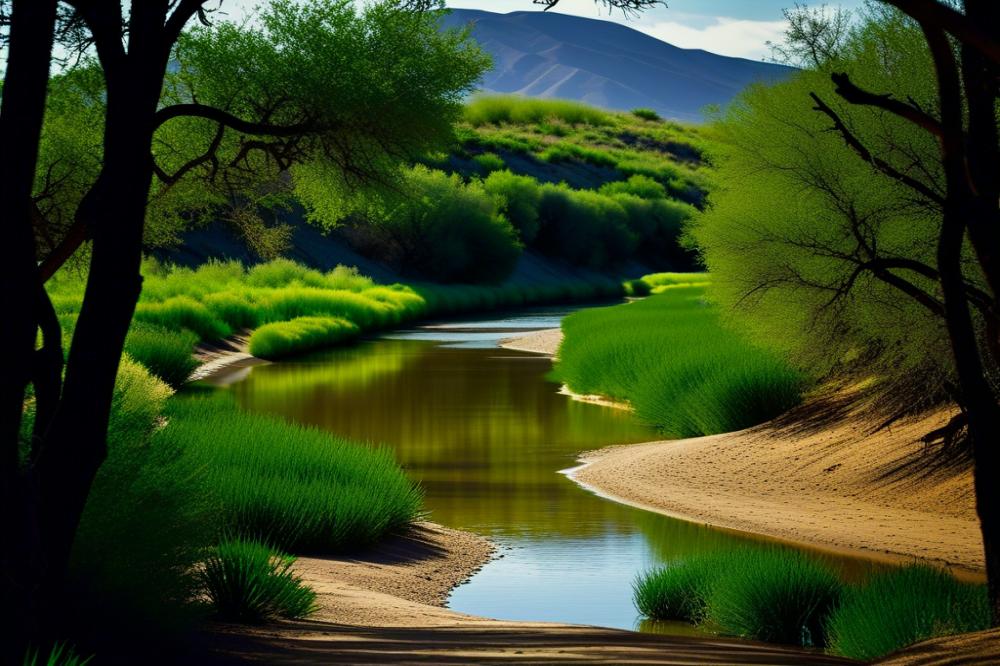
The Rio Grande River has long been a vital resource for both the United States and Mexico. Its waters have supported diverse cultures for thousands of years. Native American tribes relied on the river for fishing and agriculture. Today, it remains a crucial water source for millions of people in both nations.
Ecologically, the river serves as a habitat for many species. Birds, fish, and plants thrive in its banks. The unique ecosystems along the river are rare and valuable. They provide important services, such as water purification and flood control, which benefit surrounding communities.
Throughout history, alterations to the river’s flow have had significant impacts. Dams and irrigation projects changed natural patterns, affecting wildlife and habitats. Over time, human intervention reshaped the river’s ecosystem. These changes have often disrupted local biodiversity and diminished the river’s health.
Human activities continue to have a profound effect on the area. Urban development along the banks has increased pollution levels. Agriculture often diverts water away from natural ecosystems, further stressing the fragile habitats. As populations grow, competition for water resources intensifies. This situation leads to conflicts between agricultural needs and conservation efforts.
Restoring this vital river is essential for ensuring its future. Both countries recognize the importance of collaboration. Programs aimed at rehabilitating water flow are now in progress. Such efforts aim not only to restore the river but also to foster stronger ties between communities on both sides of the border.
Current Challenges Facing the Rio Grande
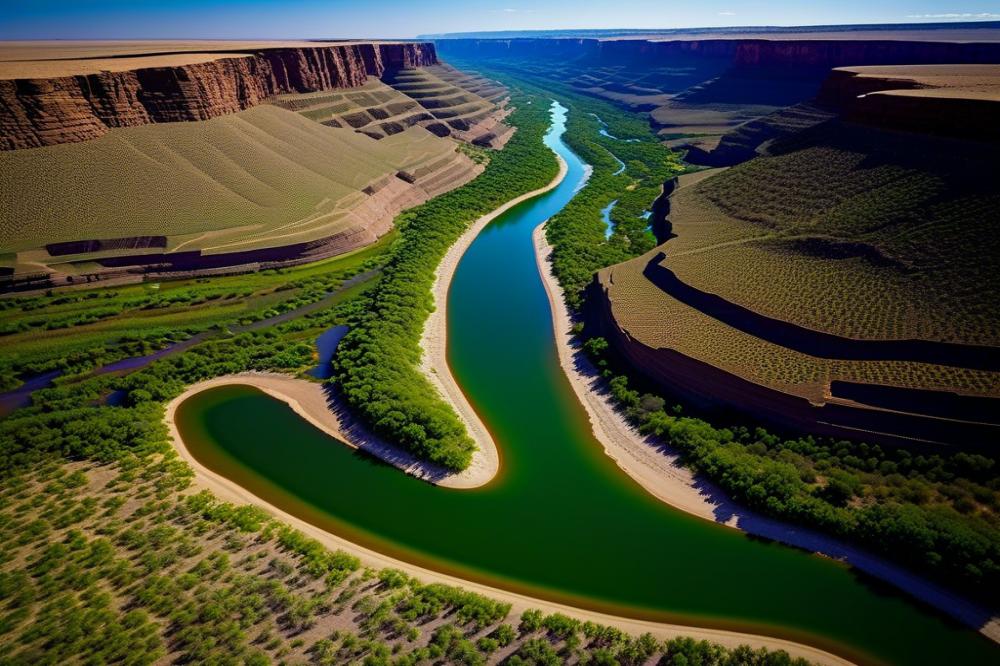
Water scarcity is a pressing concern for many communities along the Rio Grande. Farmers struggle to irrigate their crops, and families face dry taps. This shortage affects daily life, as people rely on the river for drinking water and economic activities. Dwindling water supply can lead to higher prices, causing more stress on households already facing financial challenges.
Pollution represents another significant threat. Industrial runoff, agricultural chemicals, and untreated sewage often find their way into the river. This contamination not only harms aquatic life but also threatens the health of local residents. Communities near polluted areas may experience higher rates of illness. Residents deserve clean water for drinking and recreation, but many are forced to make do with unsafe options.
Legal issues complicate the situation further. Water rights between the U.S. and Mexico often spark disputes. Negotiations can be lengthy and frustrating, leaving residents unsure of their water future. Local governments face challenges in managing these limited resources effectively. Political differences sometimes hinder cooperative measures that could benefit both countries. As cities grow, the need for a sustainable water-sharing agreement becomes increasingly vital.
The environmental degradation is also troubling. Loss of wetlands and habitats around the river diminishes biodiversity. Wildlife that once flourished in the area struggles to survive. As vegetation dies off, erosion increases, worsening the situation. Everyone living near the Rio Grande feels the consequences of these challenges, whether through economic hardship or environmental loss.
Addressing these issues calls for collaboration. Engaging communities, government officials, and environmental groups is essential. Without joint efforts, the Rio Grande could continue to suffer, impacting countless lives. Understanding the complexity of these challenges is the first step toward meaningful change. Open dialogue and practical solutions can foster a healthier river and a more secure future for all who depend on it.
Initiatives and Efforts for Restoration

Various projects aim to restore the Rio Grande River and enhance its flow for both the United States and Mexico. One major initiative is the use of water-sharing agreements. These agreements allow each country to access and manage water more effectively. Such cooperation is essential in addressing water scarcity challenges faced by local communities.
Overview of Key Restoration Projects
Several important restoration projects focus on specific areas along the river. The Rio Grande Water Conservation District has been involved in efforts to reduce water loss through evaporation. Projects like sediment removal and invasive plant control also play significant roles. These actions help maintain a more natural flow and improve the river’s health.
Collaborative Efforts Between the US and Mexico
Partnerships between the two countries are increasingly crucial. The International Boundary and Water Commission (IBWC) is a key player in these collaborative efforts. Established agreements help manage shared water resources efficiently. Recently, initiatives like the “Binational Rio Grande Assessment” have been launched. This assessment examines river conditions and identifies areas needing attention.
Role of Local Communities and Organizations in Rehabilitation
Local communities often serve as the backbone of restoration efforts. Various grassroots organizations mobilize residents to participate in clean-up events and educational programs. The involvement of these groups fosters a sense of ownership and accountability. Moreover, educating the public about the river’s importance enhances community engagement. Involving citizens encourages sustainable practices that benefit the river ecosystem. This collaborative spirit ultimately leads to a healthier environment for all.
Ecological Benefits of Restoration
The restoration of the Rio Grande has tremendous ecological benefits. Reestablishing natural habitats is crucial for revitalizing landscapes that have suffered from overuse. By restoring these areas, diverse ecosystems can begin to flourish once again. This is vital for many species that depend on these habitats for survival.
Biodiversity relies heavily on healthy ecosystems. A thriving river supports numerous wildlife species, from fish to birds. When water flows naturally, animals can move freely between habitats. This movement increases their chances of finding food and mates, strengthening genetic diversity.
Water quality also significantly improves with restoration efforts. Cleaner water leads to healthier organisms throughout the ecosystem. Pollution levels drop, benefiting both aquatic life and those who depend on the river for drinking water. As sediment settles, clearer water allows sunlight to penetrate, encouraging plant growth.
Restoring water flow can revive areas that had been dried up. Streams and side channels that were lost to upstream withdrawals can return, creating new spaces for wildlife. These rejuvenated spaces can support different species, enhancing the river’s overall health. Many migratory birds and fish species use the river as a corridor, highlighting the region’s connectivity.
Ultimately, comprehensive restoration of the Rio Grande provides numerous ecological advantages. Every small change contributes to a more vibrant landscape. Better ecosystems not only support wildlife but can enhance recreational opportunities for communities along the river too.
Community Involvement and Education
Community engagement plays a vital role in the restoration of the Rio Grande. Local residents can offer insights and share valuable knowledge about their environment. When people are involved, efforts can be more effective. They understand the struggles and joys of the land and water. This connection enhances the commitment to preserving the river.
Importance of Public Engagement in Restoration Efforts
Getting the public involved is essential to any restoration project. When citizens participate, they become stewards of their surroundings. This stewardship fosters a sense of ownership. Communities can help monitor water quality, plant native species, and organize clean-up events. Each contribution, no matter how small, can have a significant impact on the health of the river.
Educational Programs Promoting Awareness and Sustainability
Educational programs have emerged to raise awareness about the river’s condition. Workshops and seminars teach residents about the ecosystem. Topics include the importance of maintaining water flow and the impact of pollution. Schools often collaborate on projects that connect students with their environment. Children engage in hands-on activities, like studying wildlife and testing water samples. This experiential learning builds a foundation for future environmental advocacy.
Case Studies of Successful Community-Led Initiatives
Several case studies highlight the success of local efforts. For instance, a community group in New Mexico implemented a tree-planting program. Volunteers gathered to plant native species along the riverbanks. These trees help prevent erosion and provide habitats for wildlife. Another example involves residents rallying together to clean up a polluted section of the river. Their teamwork resulted in a noticeable recovery of the area’s natural beauty.
These initiatives demonstrate how collective action can lead to positive change. Community-led projects empower people and create lasting memories. Engaging in restorative activities helps foster a deeper connection to the Rio Grande. Together, they become advocates for sustainability in their own backyards.
Future Prospects for the Rio Grande Restoration
Long-term goals for rehabilitating water flow involve achieving a balance between environmental health and human needs. Conservation efforts seek to restore the river’s natural capacity. Communities on both sides have expressed the desire for a thriving ecosystem. They want sustainable agriculture and recreational opportunities without sacrificing water quality.
However, significant challenges lie ahead. Intermittent droughts remain a constant concern. Water management policies can lead to conflict between states and countries. Collaboration among governments and local organizations is essential. Slow bureaucratic processes may hinder timely action. Public awareness and engagement can help motivate change, but it requires a shared commitment.
Opportunities for improvement abound. Innovative technologies can enhance water usage efficiency. Restoration projects could promote tourism and economic development in border towns. Collaborative work on both sides of the river might strengthen community bonds. Building partnerships with indigenous groups can add vital perspectives to the discussion.
A vision for a sustainable and healthy river ecosystem centers on harmonizing human activities with nature. Biodiversity must be prioritized, fostering habitats for local wildlife. Education initiatives could raise awareness about the river’s critical role. Future generations should learn the importance of preserving this unique resource. Shared responsibility will be key to ensuring the river thrives for years to come.
Restoring Balance and Building a Future
Restoring the Rio Grande is crucial for both environmental health and community resilience. Once a vibrant ecosystem, the river’s flow has been significantly disrupted. This affects not only wildlife but also the people who depend on its waters for agriculture and daily life. Healthy waterways support biodiversity and contribute to a stable climate. The restoration efforts symbolize hope for both nations involved—America and Mexico.
Collaborative efforts between the two countries are essential for successful nature rehabilitation. Local communities have joined hands with various organizations to address the challenges at hand. This partnership is a powerful example of how united action can yield positive results. By sharing resources and expertise, they are paving the way for a more sustainable future. Everyone has a role to play, from policymakers to everyday citizens.
Awareness is key to sustaining these initiatives. Continuous support from the public and stakeholders will help maintain momentum. Citizens must advocate for regular updates on restoration progress and push for necessary funding. This is not just a local issue; it affects everyone who values clean water and healthy ecosystems. Let’s rally behind these efforts and recognize our shared responsibility. Together, we can make a lasting impact. Join the movement and stay informed about what’s happening along the Rio Grande. Visit #anchor_text_3# to learn more about these ongoing projects. Your voice matters in this crucial fight.
As we move forward, remember the river’s significance. It tells a story of connection and dependence that spans borders. Committing to its restoration reflects a commitment to our environment and future. Explore ways you can help by visiting #anchor_text_4#. Together, we can bring back the flow of life to the Rio Grande.


