Introduction
Lemon Verbena is a fragrant herb renowned for its many uses. With long, slender leaves and a bright, citrus scent, it captivates the senses and serves various purposes. This herb is not only a lovely addition to gardens but also a favorite in herbal remedies and aromatherapy.
People have embraced this plant for its essential oils, which can uplift mood and promote relaxation. Many enjoy its calming properties, turning gently to Herbal Tea made from its leaves. The refreshing taste and aroma enhance any tea-drinking experience.
Growing this plant is crucial for those who wish to enjoy its benefits at home. Having your own supply can save money and provide fresh ingredients for various uses. Both indoor plants and outdoor varieties flourish under the right conditions. Understanding the soil requirements, sunlight needs, and watering tips is essential for a successful garden. By nurturing Lemon Verbena, you can enhance your well-being while enjoying the joys of gardening.
Understanding Lemon Verbena
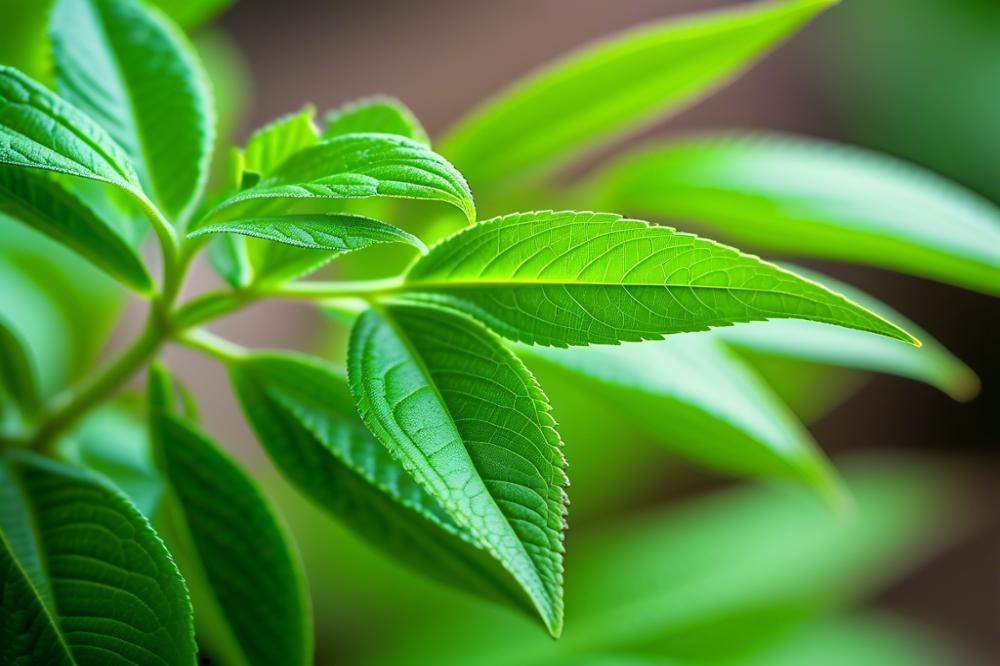
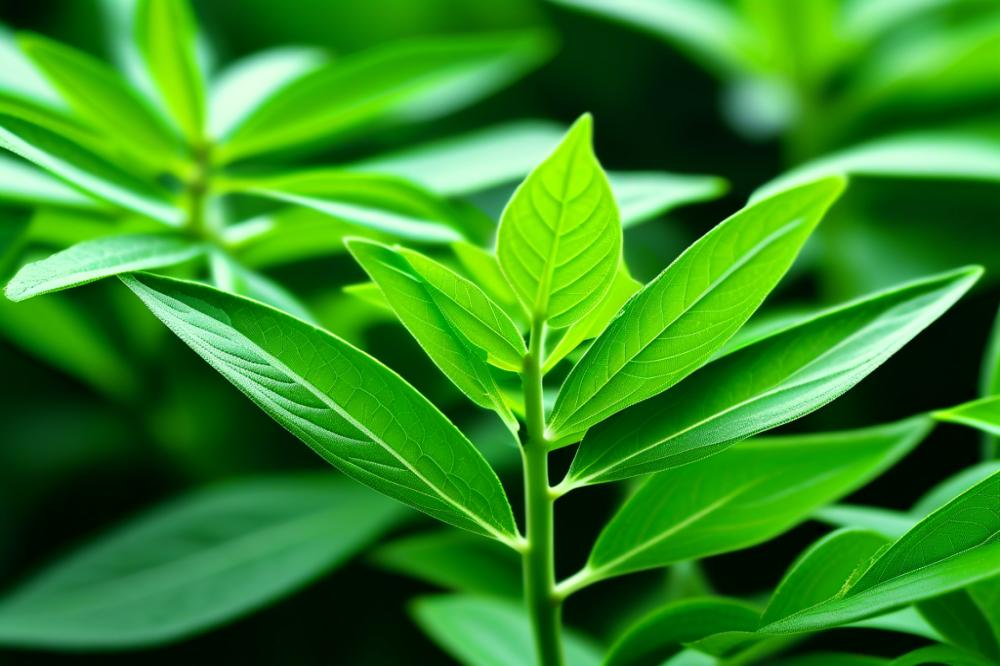
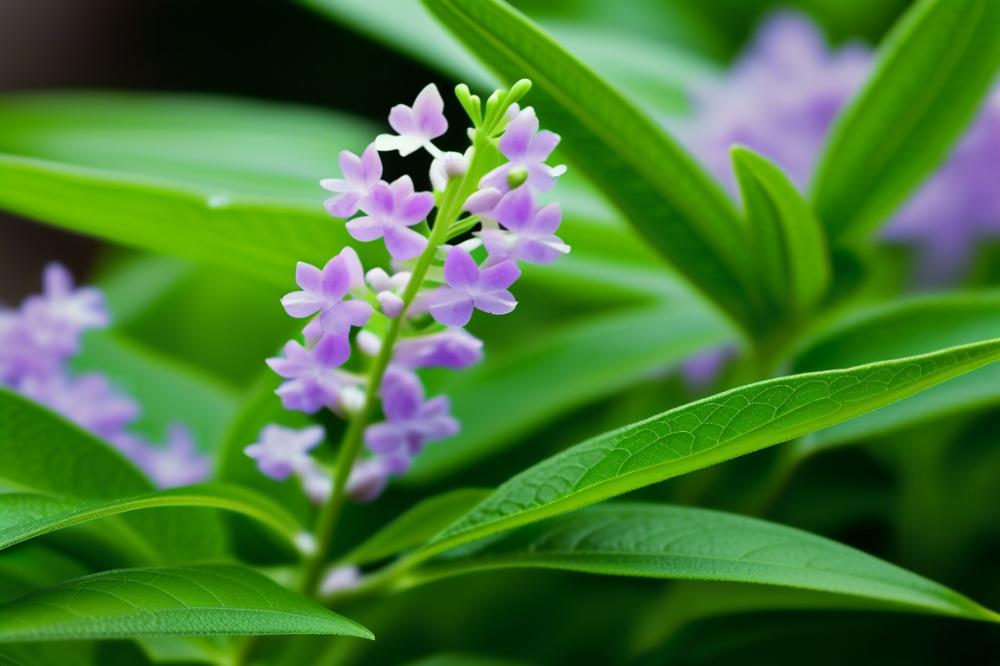
This plant is known for its long, slender leaves that emit a delightful, fresh scent. Green and glossy, the leaves can reach lengths of about 3 to 5 inches. When brushed against, they release a fragrance reminiscent of lemon peel, making the plant a favorite among gardeners and herbalists alike. The tiny, pale purple flowers that bloom in summer add charm to this aromatic herb, though the leaves are the real treasure.
Historically, this herb has been used in herbal remedies across various cultures. Ancient civilizations, including the Incas, valued it for its soothing properties. People have turned to lemon verbena for centuries to aid digestion, reduce stress, and promote relaxation. In aromatherapy, the scent is often utilized to create calming environments. This makes it ideal for use in essential oils, where its uplifting aroma helps to relieve anxiety and enhance mood.
Drinking tea made from this plant offers numerous benefits. Many enjoy its flavorful taste, which can boost overall wellness. Those who sip on a warm cup may experience improved relaxation and better sleep. Additionally, the herb is known for its potential to alleviate digestive issues, making it a great choice after meals. Sipping tea infused with this plant can also be a refreshing experience, lifting one’s spirit. Furthermore, the use of its essential oils in aromatherapy provides similar effects. Breathing in the scent can promote a sense of calm and peace.
While often grown outdoors, this herb can also thrive as an indoor plant. Proper care is vital for achieving robust growth. Sunlight is essential, so placing it in a bright spot will promote healthy development. Soil requirements should include well-draining soil to prevent root rot. Watering tips are straightforward; let the soil dry out slightly between waterings. This ensures the plant does not become waterlogged, which can lead to issues.
Choosing the Right Environment for Lemon Verbena
Sunlight Requirements
Lemon verbena thrives in bright, sunny locations. At least six to eight hours of direct sunlight are ideal for healthy growth. A sunny windowsill can be perfect for indoor plants. Outdoors, a spot that receives ample sun will help the plant flourish. Be mindful that insufficient sunlight will lead to weak growth and less aromatic leaves. Sufficient exposure is key for those looking to harness the herb’s potential for tea and aromatherapy.
Indoor Plants vs Outdoor gardening
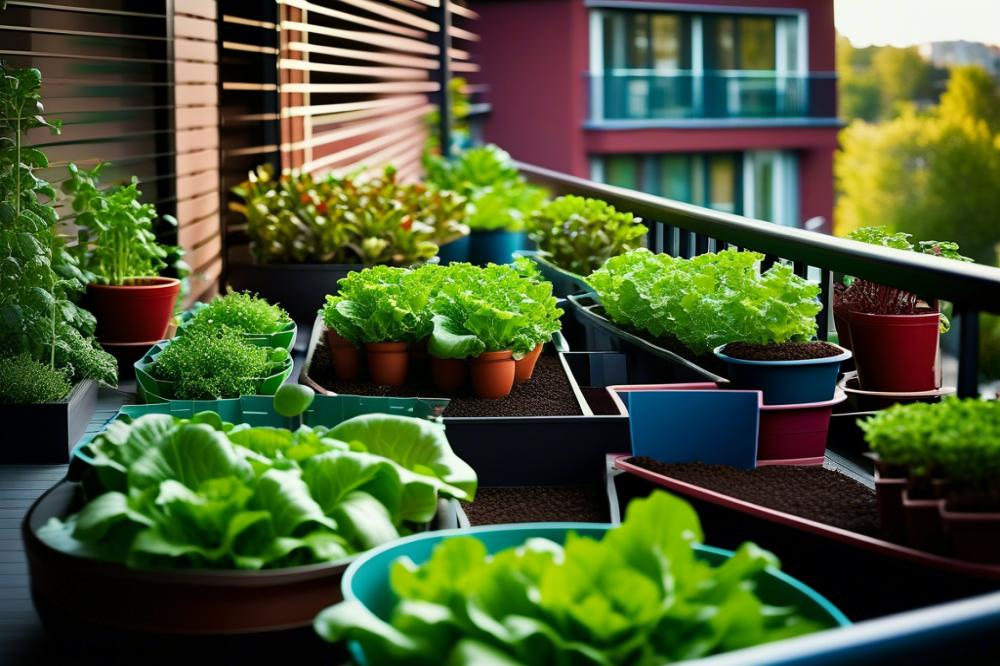
When deciding on the right setting, consider your space. Indoor plants can be delightful additions to your home. They can also provide fresh leaves for herbal remedies. If you prefer outdoor gardening, ensure the area is protected from strong winds. A garden bed or container can work well, provided it has room for the roots to spread. Indoor and outdoor options each have their charm, so choose what suits your lifestyle best.
Soil Requirements
Proper soil is crucial for robust, thriving plants. A well-draining mix is essential, as standing water can lead to root rot. Raised beds or pots with drainage holes promote healthy growth. Mixing potting soil with sand or perlite can improve drainage. Measuring pH levels can help too; lemon verbena prefers slightly acidic to neutral soil. Watering tips are also significant; keep soil evenly moist but never soggy. By carefully considering these factors, you’ll create a nurturing environment for your aromatic plant.
Planting Lemon Verbena

Growing lemon verbena can be a rewarding experience. Follow this step-by-step guide to ensure a successful planting. First, choose a location that receives full sunlight. Ideally, the plants should get at least six hours of direct sun each day. This will promote healthy growth and a strong scent, perfect for tea and aromatherapy.
Select your soil carefully. Well-draining soil is crucial for these plants. A mix of potting soil and sand works well. You can also add compost for better nutrients. When you’re ready, dig a hole for the plant or sow seeds.
Starting from Seeds vs. Cuttings
Growing from seeds is one option. Start them indoors about eight to ten weeks before the last frost. Use small pots filled with moist soil and sprinkle the seeds lightly on top. Keep them warm and consistently water the soil until they sprout, which usually takes around 14 days.
If you prefer cuttings, snip a healthy branch from an existing lemon verbena plant. The cutting should be about 6 inches long. Remove the lower leaves, and then place it in water or directly into damp soil. Roots will begin to develop within a couple of weeks, making it a faster option.
Companion Planting and Its Benefits
When gardening, consider companion planting. Pairing lemon verbena with other herbs can promote healthy growth. Some good companions include basil and oregano. These plants help deter pests and attract beneficial insects. A diverse plant community can boost the overall health of your garden.
In addition to pests, think about sunlight and watering tips. Always keep an eye on how much sunlight each plant gets. Water your herb regularly, but be cautious of overwatering. Allow the soil to dry out between waterings. Proper care leads to richer flavors and stronger essential oils in your harvest.
Use lemon verbena leaves to brew herbal remedies or create calming essential oils. The scent will fill the air and provide a refreshing aroma. Taking the time to plant it correctly will reward you with a bountiful supply of this delightful herb.
Watering and Care Tips
Best practices for watering Lemon Verbena
Watering is a crucial aspect of caring for this fragrant plant. Focus on the soil, as proper moisture levels help with growth. Begin with a well-draining mix, as it promotes healthy roots. During the growing season, the soil should remain slightly moist but not soggy. For indoor plants, check the moisture level every few days. Always water at the base to avoid wetting the leaves, which can lead to disease. In the summer, you might need to water more frequently due to increased evaporation.
Common signs of overwatering and underwatering
Observe your plant closely. Overwatering often shows symptoms like wilting leaves that look droopy and yellowing. Mold or a soggy top layer can also hint at excess water. On the other hand, underwatering causes leaves to curl and become crisp. If the leaves turn brown at the edges, it’s a sign they aren’t getting enough moisture. Finding the right balance is essential for healthy growth.
Fertilization techniques for robust growth
Fertilizing your plant can enhance its vigor and aroma. Use a balanced fertilizer that is rich in nutrients, especially nitrogen, during the growing season. Well-timed fertilization every couple of months helps your plant thrive. Explore organic options if you prefer gardening methods that have less chemical impact. Compost can also be a great choice. Applying it not only improves soil requirements but also boosts overall health. Always follow the directions on your fertilizer product to avoid overdoing it. Too much can harm your plant just as much as too little can.
Harvesting and Using Lemon Verbena
Proper Methods for Harvesting Leaves
Timing plays a crucial role when it comes to harvesting leaves. The best time is in the morning after the dew has dried. This timing helps to preserve the oils and flavors in the leaves. Carefully select longer stems with many healthy leaves. Use sharp scissors or pruning shears to make clean cuts. Avoid tearing or pulling the leaves off, as this can damage the plant. Collect leaves in a basket to avoid bruising. Once harvested, wash them gently under cool water to remove any dirt. Pat them dry with a soft cloth or paper towel.
Suggested Uses in Tea and Aromatherapy
Many enjoy using the leaves to brew tea. Lemon verbena tea is refreshing and fragrant. Simply steep a handful of fresh leaves in boiling water for about five minutes. Adding a touch of honey or lemon can enhance the flavor even more. Besides tea, this herb shines in aromatherapy. The scent is uplifting and calming. You might consider using it in potpourri or in a diffuser. Some even add dried leaves to bathwater for a spa-like experience. This herb’s aroma creates a soothing atmosphere, perfect for relaxation.
Creating Essential Oils and Other Herbal Remedies
Creating essential oils from the leaves can be a fun project. To do this, you can use a simple steam distillation process. This method requires equipment but yields a highly concentrated oil. Remember, this oil is suitable for use in various applications. You can mix it with carrier oils for topical use. Herbal remedies can also be crafted easily. Consider making tinctures or infused oils at home. Start by filling a jar with chopped leaves and then covering them with alcohol or oil. After a few weeks, strain the mixture, and you have a potent herbal remedy. These preparations will allow you to enjoy the benefits of lemon verbena throughout the year.
Maintaining Lemon Verbena Plants
Seasonal Care and Maintenance Tips
Watering tips matter significantly for growing healthily. During the warm months, keep the soil slightly moist but not soggy. If you grow this plant indoors, ensure it receives plenty of sunlight. Bright, indirect light works well, especially in winter. In cooler seasons, reduce watering since the plant’s growth slows down. Pruning can boost growth. Trimming back stems in early spring encourages bushier, more robust plants. Apply balanced fertilizer every month during the growing season to support development.
Pest and Disease Management Strategies
Keep an eye out for common pests like aphids and spider mites. Inspect the leaves regularly, as noticing a problem early helps prevent damage. Use insecticidal soap for treatment; it’s generally safe for indoor plants and does not harm essential oils in leaves. Fungal diseases sometimes affect lemon verbena. Air circulation is crucial, so avoid crowded pots. Good drainage in containers helps prevent root rot. If you observe yellowing leaves, that could indicate overwatering or pests.
Encouraging Healthy Growth and Longevity
Soil requirements play a big role in health. Aim for well-draining soil to facilitate root growth. Mixing potting soil with perlite or sand improves drainage. Fertilizing isn’t the only way to nourish the plant. Consider using organic compost as an excellent alternative. The distinct scent of lemon verbena can brighten indoor spaces. Create a peaceful atmosphere by incorporating it into your home for both tea and aromatherapy. Additionally, giving plants enough space allows them to thrive. Indoor plants benefit from occasional rotation to promote even light exposure. Regular attention enables them to flourish and live longer.
Final Thoughts on Growing Lemon Verbena
Growing lemon verbena brings numerous joys and benefits to any personal garden. Its delightful fragrance fills the air, creating a soothing atmosphere. The leaves provide a unique flavor for teas that can uplift the spirits. Watching a small plant flourish into a lush source of both beauty and utility is rewarding.
Using this herb in daily routines can enhance life in unexpected ways. You can add a few leaves to your favorite drink or use them in a homemade infusion for relaxation. Incorporating lemon verbena into your aromatherapy practices can transform your spaces into calming retreats. The essential oils extracted from its leaves can invigorate both mind and body.
Consider adding this versatile herb to your gardening plans. With proper care, it can become a staple in your home. Its resilience makes it a great choice for both beginners and seasoned gardeners. Whether used fresh in culinary dishes or as part of a soothing blend, the benefits are many. Embrace the experience of nurturing this plant, and enjoy the aromas and flavors it brings into your life.