The Secrets to Growing Marjoram for Aromatic Cooking
Herbs play a vital role in the world of cooking. They add depth and richness to dishes, transforming simple ingredients into remarkable meals. Aromatic herbs are particularly sought after for their intense flavors and appealing scents. Among these, marjoram holds a special place, renowned for its versatility and delightful contributions to various culinary creations.
Marjoram, a member of the Mediterranean herbs family, is widely appreciated in kitchens around the globe. This herb’s sweet and mild flavor beautifully complements a range of dishes, enhancing everything from soups to roasted meats. Cooking with marjoram doesn’t just elevate taste; it also brings an enticing aroma that fills the kitchen with warmth. Those who enjoy herb gardening often find marjoram to be an essential part of their collection, valued for both its culinary potential and its ease of care.
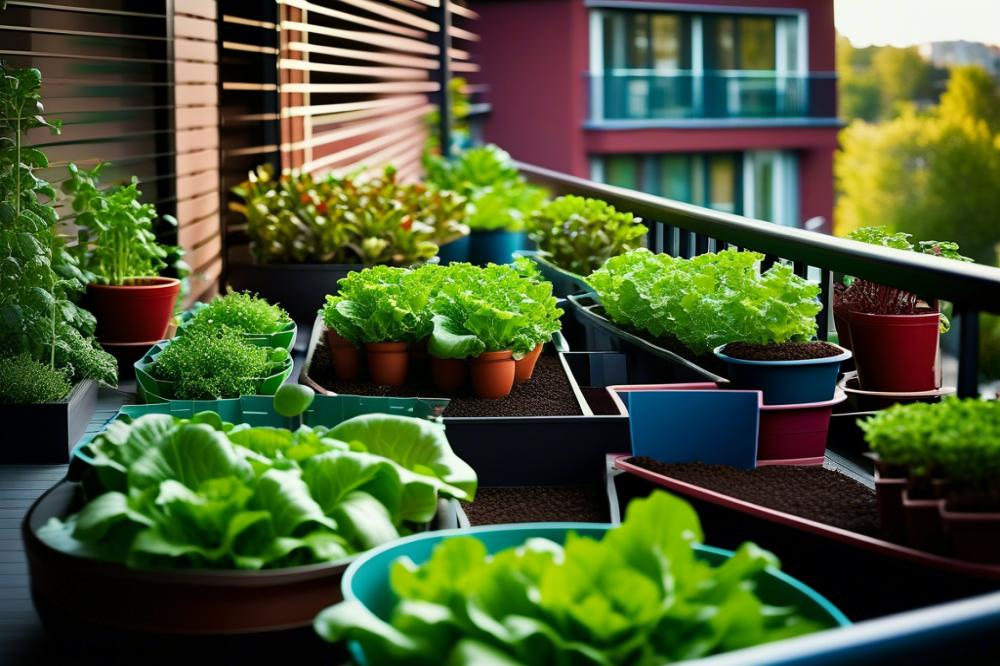
Growing Marjoram offers numerous benefits beyond just flavor enhancement. This herb can thrive in pots or garden beds, making it perfect for indoor gardening or outdoor spaces. Home cooks appreciate having fresh herbs at their fingertips, as it allows for more vibrant and healthier meals. With the right marjoram care and some practical growing tips, anyone can cultivate this delightful herb, adding a touch of flavor and freshness to their culinary adventures.
Growing Marjoram
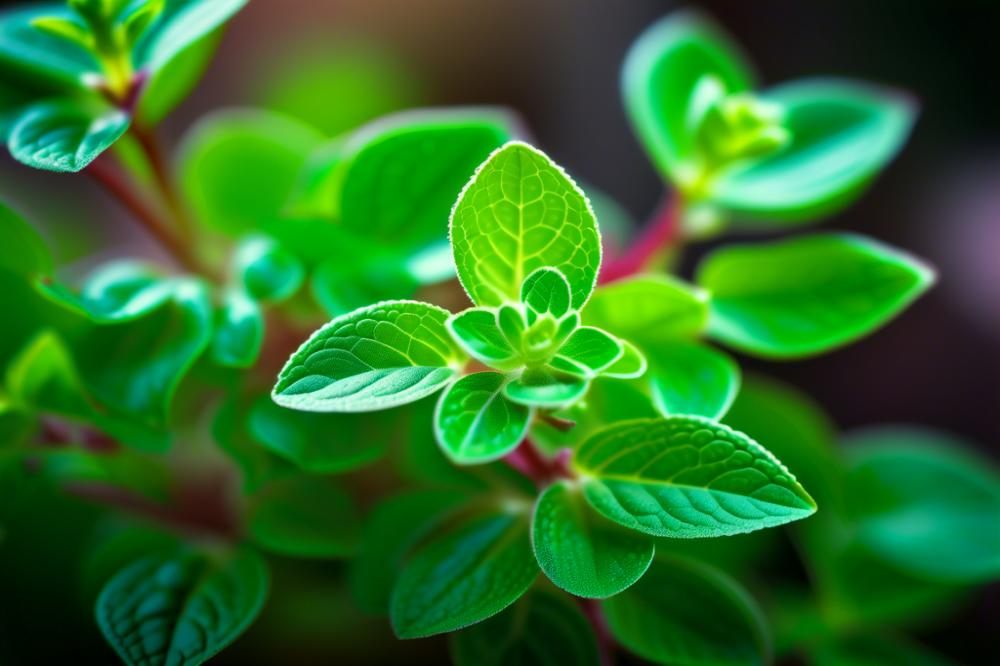
Marjoram is a delightful herb known for its fragrant leaves and versatility in cooking. This plant belongs to the mint family and brings a warm, slightly sweet flavor that enhances various dishes. Common varieties include sweet marjoram, which is most popular for culinary uses, and oregano, its close relative with a bolder taste. Growing both types can provide an interesting twist in your kitchen.
Ideal Growing Conditions
Soil plays a vital role in marjoram’s growth. Well-drained, sandy soil mixed with organic matter creates an ideal foundation. Sunlight is another crucial factor; marjoram thrives in full sun and requires at least six hours of direct light each day. As for temperature, this herb prefers warmer climates, ideally ranging from 65°F to 70°F (18°C to 21°C). Too much cold can stress the plant and stunt its growth.
Starting Marjoram from Seeds or Plants
There are two main methods for starting marjoram: from seeds or established plants. If you choose seeds, sow them indoors about 6-8 weeks before the last frost. Cover the seeds lightly with soil and keep them moist but not soggy. Another option is to purchase seedlings from a nursery, which can save time. When transplanting, space the plants about 10 to 12 inches apart to give them room to grow.
Best Practices for herb gardening with Marjoram
Proper marjoram care can make a significant difference in your herb gardening success. Regular pruning encourages bushier growth and keeps the plant healthy. Harvest the leaves before the plant flowers for the best flavor. Cooking with marjoram becomes even more rewarding when the leaves are fresh. Use them in soups, stews, and salad dressings to elevate dishes with Mediterranean herbs’ unique tastes.
Consider indoor gardening if outdoor conditions are not ideal. Marjoram adapts well to pots, allowing you to enjoy the fresh aroma year-round. Place pots in a sunny window and maintain the soil’s moisture, but avoid waterlogging. Implement these growing tips, and your kitchen will benefit from the lovely flavor enhancement marjoram offers in a variety of herbal recipes.
Marjoram Care
Watering and Fertilizing Techniques
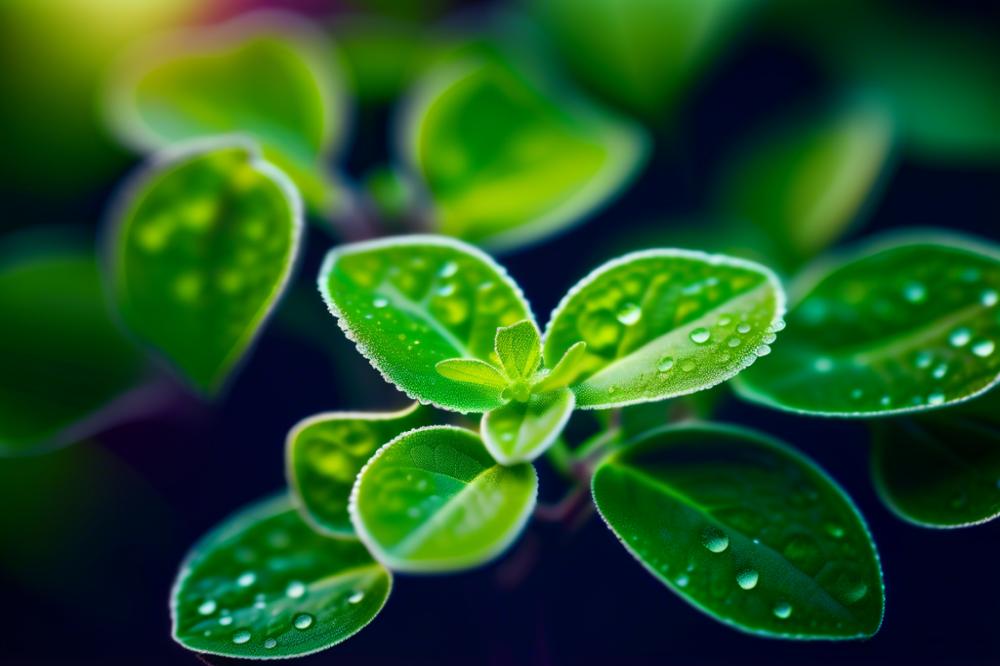
Marjoram thrives in well-draining soil. Water the plant deeply but infrequently, allowing the top inch of soil to dry out between waterings. Overwatering can lead to root rot, which is detrimental. When it comes to fertilizing, a balanced, all-purpose fertilizer works well. Apply it every four to six weeks during the growing season. This helps support robust growth. A light feeding is often sufficient for this herb.
Common Pests and Diseases to Watch For
Several pests may trouble marjoram. Aphids and spider mites are among the most common. Inspect the leaves regularly for signs of these tiny invaders. If you spot them, consider washing them off with water or using insecticidal soap to treat the plant. Fungal diseases can also be an issue, especially in humid conditions. To prevent this, ensure good airflow around the plants. Proper spacing can help avoid dampness that breeds mold.
Pruning and Harvesting Tips to Encourage Growth
Pruning marjoram promotes a bushy growth habit. Snip back the stem tips regularly; this encourages new growth and enhances flavor. Harvesting should ideally occur in the morning when the oil content is highest. Use clean scissors to cut leaves and stems. Keep in mind that regular harvesting will not only provide flavor for your culinary herbs but will also stimulate the plant’s growth.
Seasonal Care Strategies for Marjoram
Different seasons require distinct caring approaches. In spring, focus on planting or repotting your marjoram. This is when it begins to thrive after the cold winter months. During the summer, ensure frequent watering and protection from intense heat. In the fall, reduce watering as the growth slows. When winter arrives, consider bringing container plants indoors. They can continue to provide fresh flavor enhancement for your cooking with marjoram throughout the colder months.
Indoor Gardening with Marjoram
Benefits of Growing Marjoram Indoors
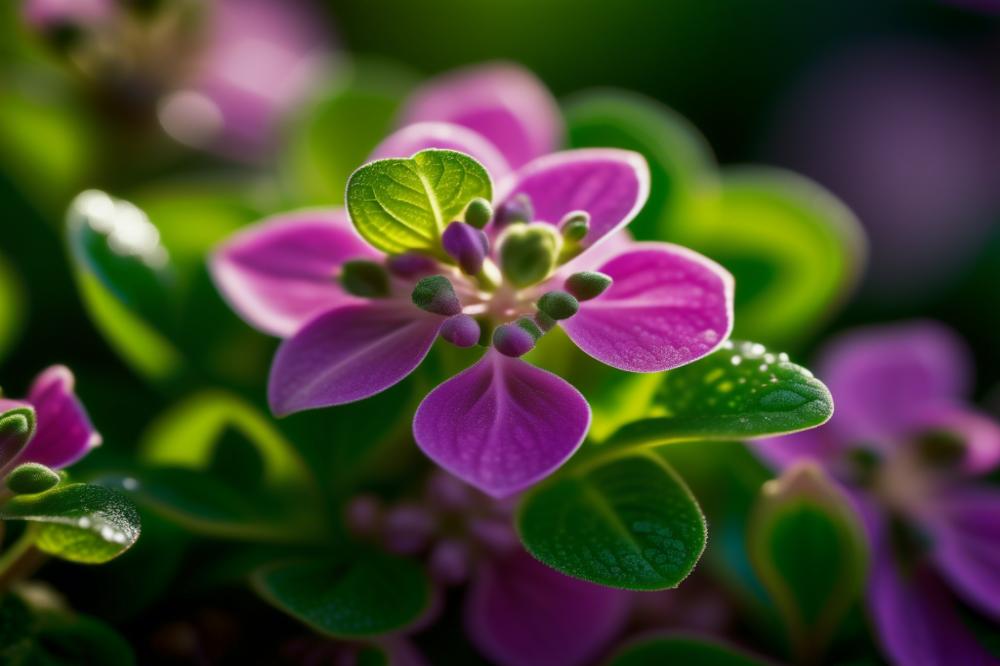
Growing marjoram indoors has several advantages. First, it provides fresh herbs right in your kitchen. Having access to culinary herbs can elevate your dishes and give your meals a burst of flavor. Furthermore, indoor gardening allows you to control the environment. This control helps in avoiding pests that might harm your plants outside. Additionally, marjoram is known for its aromatic qualities, which can enhance the atmosphere of your home.
Choosing the Right Containers and Potting Soil
Selecting appropriate containers is crucial for marjoram care. Choose pots with drainage holes to prevent water from pooling. Terra cotta pots are popular. These materials can help with airflow around the roots. As for potting soil, use a well-draining mix. A combination of regular potting soil and perlite or sand will work well. This blend keeps the soil loose, allowing marjoram roots to thrive.
Steps to Successfully Cultivate Marjoram Inside
Begin by sowing seeds or transplanting young plants into the chosen containers. Water them lightly after planting. Keep the soil moist but not soggy. Regular watering will help your plants establish roots. During growth, pinch back the stems to encourage bushiness. This tactic is vital for robust growth and a fuller appearance. Fertilize sparingly with a balanced fertilizer every few weeks. This nourishing is beneficial during active growing seasons.
Maintaining Proper Lighting and Humidity Levels
A bright location is key in indoor gardening. Marjoram needs at least six hours of sunlight each day. A south-facing window is ideal for this herb. If natural light is limited, consider using grow lights. These artificial lights can provide the necessary energy for healthy growth. Additionally, humidity is essential for plant health. Regularly misting the leaves can help create a comfortable moisture level. Another option is placing a tray of water near the plants, allowing evaporation to naturally increase humidity.
Cooking with Marjoram
Historical and Cultural Significance in Cuisine
Marjoram has a long history in cooking across many cultures. Ancient Greeks prized this fragrant herb and often used it in their dishes. Romans believed it was a symbol of happiness and used it in celebrations. Over centuries, this herb spread throughout Europe, becoming a staple in Mediterranean cuisine. Today, it remains a beloved ingredient, sought after for its aromatic qualities.
The Flavor Profile of Marjoram and Its Culinary Uses
Marjoram offers a sweet, slightly peppery flavor that distinguishes it from other herbs. Its taste is often described as warm with a hint of citrus. This versatility makes marjoram suitable for seasoning meats, vegetables, and soups. Chefs value it for adding depth to tomato sauces and stews. It enhances dishes without overpowering the existing flavors, providing an inviting aroma at the same time.
Pairing Marjoram with Other Mediterranean Herbs
Combining marjoram with other Mediterranean herbs can elevate your culinary creations. For instance, it pairs beautifully with thyme, oregano, and basil. These combinations work well in salad dressings or marinades. When crafting your herb mixtures, consider the balance of flavors. Using marjoram alongside rosemary can create a robust seasoning for grilled dishes, while its softness complements the sharpness of parsley in fresh salads.
Simple Herbal Recipes Featuring Marjoram for Flavor Enhancement
Creating delicious meals using marjoram is simple and rewarding. One quick recipe involves sautéing vegetables like zucchini and bell peppers with olive oil, minced garlic, and fresh marjoram. Just a sprinkle of this herb can transform a basic vegetable medley into a delightful dish. For a comforting soup, try adding marjoram to a classic tomato base; it enhances the flavor remarkably.
Another easy dish is marjoram-infused chicken. Marinate chicken pieces in lemon juice, olive oil, and chopped marjoram before grilling. This technique brings out its refreshing notes, perfect for summer evenings or cozy indoor dining. Engaging with marjoram through these recipes allows you to explore the depth of culinary herbs while enjoying the process of herb gardening and plant care.
Growing Tips for New Gardeners
Starting a garden can be exciting, especially with an aromatic herb like marjoram. This herb is a favorite among culinary enthusiasts and offers a burst of flavor in various dishes. However, herb gardening requires some basic understanding and care.
Essential Tips for Beginners in Herb Gardening
Begin by choosing a sunny location. Marjoram thrives in well-drained soil and loves sunlight, so at least six hours of sunlight daily is ideal. Watering should be done carefully. Allow the soil to dry out slightly between watering sessions. Overwatering can lead to root rot, which is harmful to the plant.
Mistakes to Avoid When Growing Marjoram
Many new gardeners make the mistake of planting marjoram too early in the season. Wait until the threat of frost has passed. Another common mistake is neglecting pests. Regular checks for tiny insects can save your plants. Also, avoid overcrowding marjoram. This herb needs space to grow properly, so give each plant enough room to flourish.
Resources and Tools Needed for Successful Cultivation
Simplify your gardening tasks with a few essential tools. A small trowel, pruning shears, and a watering can are great starting points. Consider using pots if you’re into indoor gardening. They allow you to control the environment more easily. Many online resources offer detailed guidance on marjoram care, so don’t hesitate to seek help if you need it.
Encouragement to Experiment with Marjoram in Cooking
Cooking with marjoram is a delightful way to enhance your meals. This herb works wonderfully in herbal recipes, providing a unique Mediterranean flavor that can elevate dishes. Experimentation is encouraged. Try adding it to pasta, sauces, or sprinkled over roasted vegetables. Each discovery can lead to a new favorite recipe and inspire your culinary skills.
Wrapping Up the Journey with Marjoram
Growing this delightful herb brings many benefits, from enhancing the flavor of your dishes to filling your garden with delightful scents. Understanding the basics of marjoram care will help you cultivate a thriving plant that can last through the seasons. Adding fresh marjoram into your cooking can elevate your meals, offering a robust and earthy sweetness that dried herbs simply cannot replicate.
Cook with marjoram by tossing it into pasta dishes, sprinkle it on roasted vegetables, or mix it into sauces for a depth of flavor. Use this herb to surprise your family and friends with its aromatic qualities. Enjoying the freshness of home-grown herbs makes cooking not just a task but an adventure.
Herb gardening offers a unique way to connect with your food and the earth. Each step of growing marjoram is rewarding, from planting the seeds to harvesting the leaves. Don’t hesitate to experience this joy for yourself. Start small and explore the possibilities. Your culinary practices will be enriched, and your taste buds will thank you!