
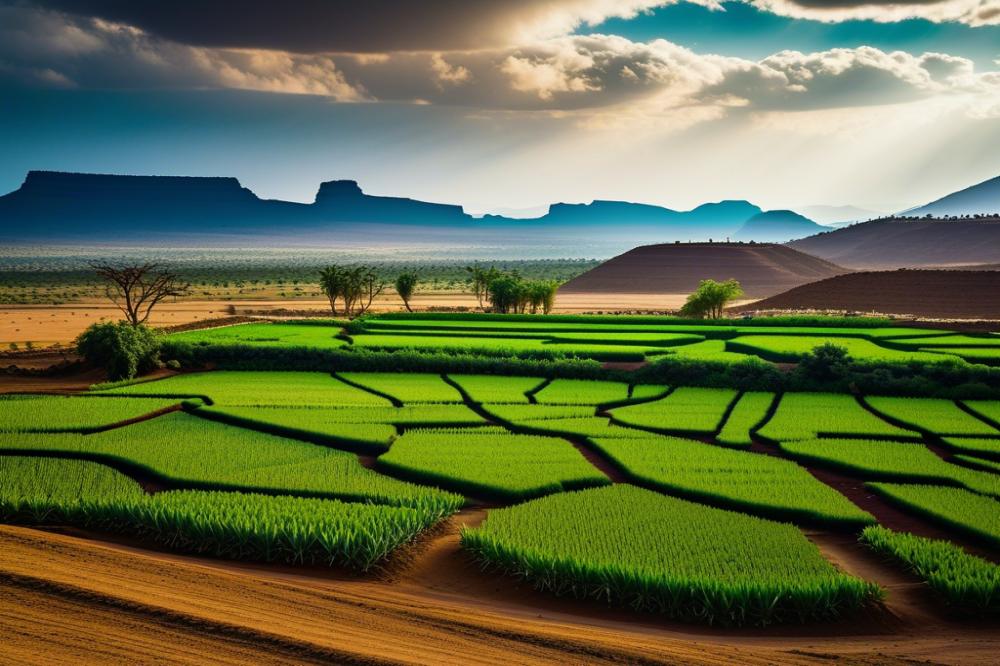
Overview of Desertification Issues in Ethiopia
Ethiopia faces significant challenges due to Desertification. This process leads to the degradation of arid and semi-arid land, impacting agriculture and livelihoods. Regions like Tigray have been especially affected. Over time, the loss of vegetation and poor land management practices have resulted in severe soil erosion. The consequences often include diminished agricultural productivity and loss of biodiversity. Climate change exacerbates these issues, creating more extreme weather conditions. Continuous droughts further threaten the community’s ability to sustain itself.
Importance of Dryland Restoration in Tigray
Dryland restoration holds immense value for Tigray’s future. Communities that depend on agriculture need healthy land to thrive. Reviving these areas can help combat desertification and improve food security. Efforts in dryland restoration lead to enhanced soil quality and support sustainable agriculture practices. In turn, these initiatives contribute to increased biodiversity, creating habitats for various species. Healthy ecosystems are crucial for community resilience, especially in regions where climate impacts are felt the hardest. Engaging local populations in restoration efforts fosters a sense of stewardship and promotes environmental conservation.
Objectives of the Tigray Dryland Recovery Project
The Tigray Dryland Recovery Project aims to address these pressing challenges. Key objectives include promoting sustainable agricultural practices and improving soil health. Restoring degraded lands helps enhance the environment while securing livelihoods. Additionally, the project seeks to build community resilience against climate change. Supporting local farmers with resources and education will empower them to protect their land. Collaborative efforts involving government and non-governmental organizations are essential for success. By focusing on these goals, the initiative aims to create a lasting impact in Tigray and beyond.
Understanding Desertification
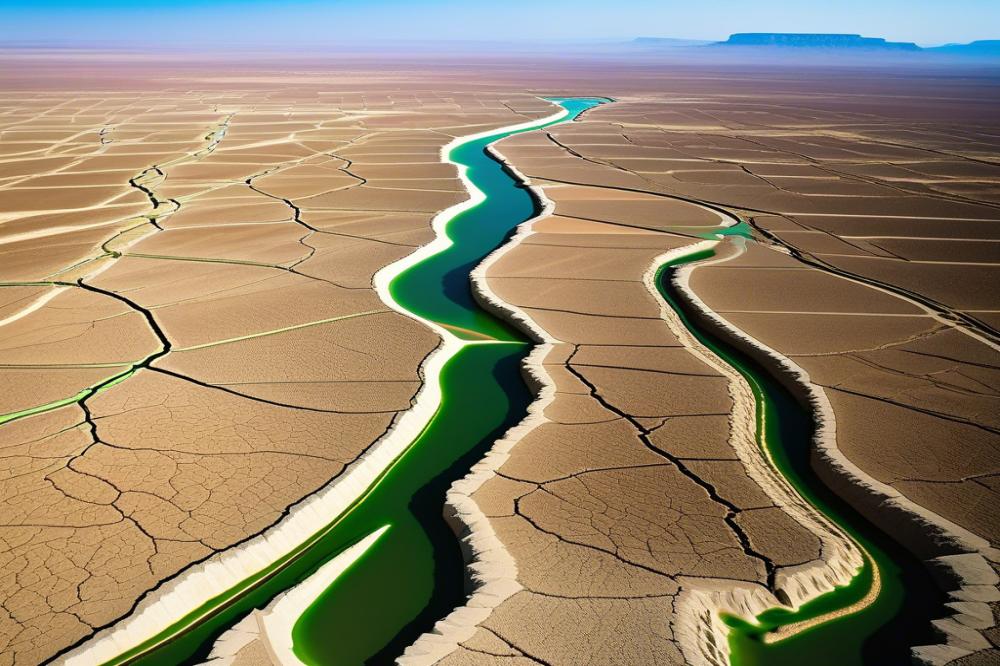
Desertification refers to the process where fertile land becomes increasingly arid, turning into desert. This significant issue affects many regions around the world. In Northern Ethiopia, particularly in Tigray, several factors contribute to this alarming transformation. Deforestation, poor farming practices, and overgrazing are major culprits. These activities lead to soil erosion and depletion of nutrients. As a result, the land loses its ability to support crops and vegetation.
The impact on ecosystems in this region is severe. Biodiversity is at risk as many plant and animal species struggle to survive. Communities also face dire consequences. Lower crop yields mean less food for families. Increased migration occurs as people search for better living conditions. Additionally, the cultural fabric of local societies may fray, as traditions tied to the land become threatened.
Challenges are further intensified by climate change. Rising temperatures and unpredictable rainfall patterns worsen the already fragile situation. Land degradation becomes more pronounced during periods of drought. Farmers find it harder to practice sustainable agriculture under these conditions. The dryland recovery efforts aim to support farmers as they adapt to changing climates.
Community resilience is vital for overcoming these challenges. Initiatives focus on restoring the drylands through various methods. Enhancing soil health is essential to prevent deterioration. Environmental conservation efforts can protect remaining natural resources. Without strong action, both ecosystems and human communities in Tigray will continue to face an uncertain future.
The Tigray Dryland Recovery Project
Background and inception of the project
The Tigray Dryland Recovery project began in response to severe challenges faced in Northern Ethiopia. This region has suffered from long-term land degradation and soil erosion, primarily due to climate change and unsustainable farming practices. Communities in Tigray faced food insecurity as a result of these environmental issues. With a focus on dryland restoration, local and international organizations collaborated to create a plan for improvement. Their aim was to enhance the living conditions of the people while protecting the environment.
Goals and strategies for sustainable agriculture
The primary goal involves promoting sustainable agriculture practices. Farmers are encouraged to adopt techniques that conserve resources and improve crop yields. Education programs teach the importance of planting cover crops and maintaining soil health. Such strategies help communities build resilience in the face of changing climate conditions. Traditional farming methods are integrated with modern techniques to optimize productivity. By increasing the knowledge of local farmers, the project strives to create food security and economic stability.
Techniques used for soil restoration and biodiversity enhancement
Soil restoration techniques play a vital role in the project. Terracing and contour farming are implemented to reduce erosion, allowing water to absorb more effectively into the ground. Farmers also practice agroforestry, which involves planting trees alongside crops. This method not only improves biodiversity but also offers shade and protection to vulnerable plants. Reforestation serves as another key strategy, helping to restore the land and combat desertification. Each approach contributes to a more balanced ecosystem. The project supports environmental conservation while addressing land degradation. By fostering these techniques, communities in Tigray can thrive with a healthier, more sustainable environment.
Community Involvement and Resilience
Role of Local Communities in the Project
Local communities play a crucial role in combating desertification in northern Ethiopia. Their participation is vital for the success of programs aimed at dryland restoration. Residents understand the land better than anyone else. They share knowledge about traditional practices that may protect the environment. Their efforts help combat soil erosion and land degradation effectively. When communities are involved, initiatives benefit from their insight. People create bonds as they work together on common goals.
Training and Education Initiatives
Training serves as a foundation for building resilience among community members. Workshops cover various topics related to sustainable agriculture and environmental conservation. These sessions empower individuals to adopt new techniques. Topics include managing resources wisely and enhancing biodiversity. Educators encourage farmers to experiment with methods that improve soil health. They focus on teaching planting methods that hold moisture and prevent erosion. Increased knowledge leads to more effective practices in daily farming.
Case Studies of Successful Community-Led Initiatives
One successful initiative involved a group of farmers in Tigray. They collaborated to build terraced fields on steep slopes. This action reduced soil erosion significantly. Harvests improved as a result of less runoff and enhanced soil quality. Another example covers women forming cooperatives to plant trees in their villages. These groups not only foster teamwork but also create green spaces. Such spaces help combat climate change while boosting local biodiversity. Stories like these reflect the strength and creativity of communities facing harsh conditions. Their collective actions bring hope and progress to the region.
Environmental and Economic Benefits
Impact on biodiversity and ecosystem services
The Tigray Dryland Recovery Project plays a crucial role in preserving biodiversity. Dryland restoration efforts help to rebuild habitats that many plant and animal species rely on. Without action, land degradation threatens the survival of these unique species. Increased vegetation brings various organisms back, supporting a healthier ecosystem. By fostering native plants, the overall ecosystem services improve. Pollination, seed dispersal, and nutrient cycling all benefit from these efforts in Ethiopia.
Enhancements in agricultural productivity and food security
This project improves agricultural productivity significantly. Farmers adopt sustainable agriculture practices that lead to better crop yields. Techniques like crop rotation and organic fertilization enrich the soil. Healthier soil means stronger plants. With more abundant harvests, local communities experience increased food security. Economic stability grows as families can feed themselves and sell surplus produce. Reduced soil erosion also contributes to a more sustainable agricultural environment.
Long-term benefits for climate change mitigation and adaptation
There are notable long-term benefits to tackling climate change through such projects. Restoration efforts improve resilience against climate change impacts. Healthy ecosystems can absorb more carbon dioxide, helping to mitigate climate changes. Communities become less vulnerable as land degradation decreases. Environmental conservation efforts provide a buffer against extreme weather events. Lastly, local populations develop skills and knowledge that empower them in adapting to future challenges.
Challenges and Future Directions
Barriers faced during project implementation
Many obstacles have hindered the successful implementation of the Tigray Dryland Recovery Project. Communication gaps between different stakeholders often create misunderstandings. Resources needed for effective restoration were frequently unavailable or insufficient. Local communities faced difficulties adapting to new agricultural techniques. Climate change has exacerbated existing problems like soil erosion and land degradation. As a result, many farmers struggled to see the benefits of dryland restoration. Furthermore, political instability in Ethiopia sometimes diverted focus from recovery efforts. These challenges pose serious threats to long-term goals.
Possible improvements and adjustments
There are numerous ways to enhance the project’s effectiveness. First, increasing community involvement could help foster trust. Training programs that focus on sustainable agriculture methods may improve knowledge among local farmers. Accessible resources should be provided to support these practices. Partnerships with local organizations can also strengthen the efforts. Engaging younger generations will promote conservation and awareness. Adapting practices based on feedback from the community may prove beneficial as well. Adjustments are essential to reach the desired long-term outcomes.
Long-term vision for dryland recovery in Tigray and beyond
A vision for the future includes robust community resilience against climate challenges. Continuous efforts in biodiversity conservation can lead to thriving ecosystems. Educated and active communities play a vital role in environmental protection. Restoration projects should aim for sustainable practices that benefit all. As Tigray makes progress, sharing knowledge with neighboring regions would be advantageous. Long-term success depends on a commitment to tackling soil erosion and land degradation. Together, these initiatives can create a greener, healthier future for Ethiopia and inspire similar efforts elsewhere.
Final Thoughts on the Tigray Dryland Recovery Project
In summary, the Tigray Dryland Recovery Project has significantly altered the landscape of northern Ethiopia. By addressing desertification, it has rejuvenated local ecosystems and provided communities with sustainable resources. The efforts made have not only promoted environmental health but have also improved food security and livelihoods for many families. This initiative serves as a model for similar projects worldwide.
Ongoing efforts are crucial for combating desertification. The challenges faced by communities affected by land degradation are ever-present. Continuous dedication to restoration practices can lead to long-term improvements. Support from both local and international levels is essential. Communities must be empowered to take charge and maintain these vital efforts.
Adopting sustainable practices can change the future. Everyone has a role to play in this initiative. Engaging with local populations fosters better understanding and respect for their needs. Together, we can spread awareness about the importance of preserving our environment. This action will not only benefit Ethiopia but also protect our planet for generations to come.


