
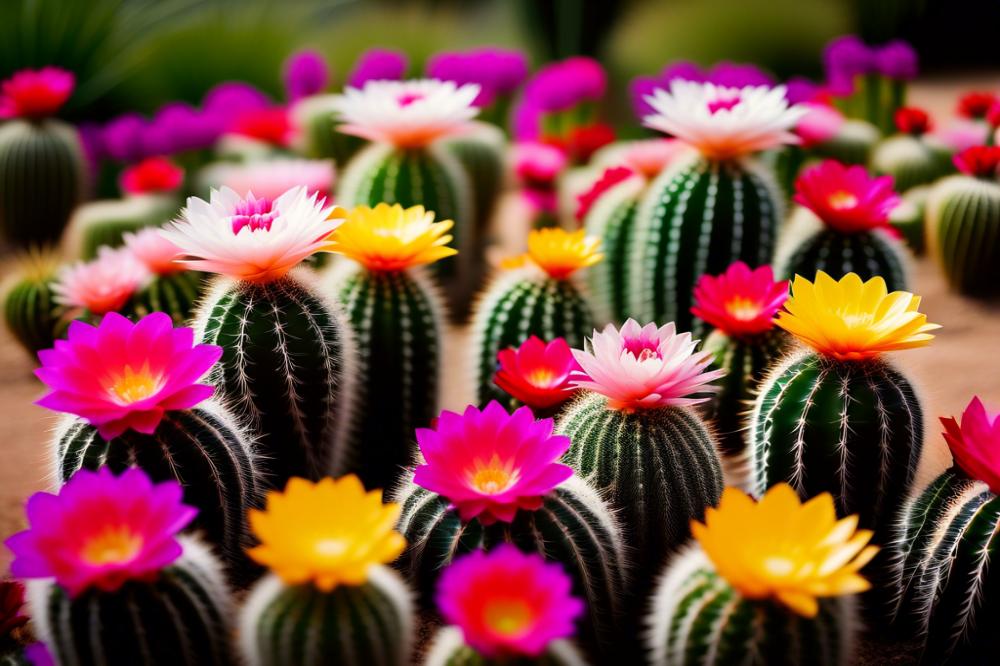
The Top Cold-Hardy flowering cacti for cooler regions
Are you curious about adding some flair to your garden despite living in cooler regions? cold-hardy cacti might be the answer you’ve been looking for. These special plants are not just survivors; they are stunning additions that can thrive in less forgiving climates. Selecting the right species for your locale is essential. With careful choice, you can enjoy a vibrant display of color even when the temperatures drop.
In cooler areas, traditional garden plants can struggle during harsh winters. Garden design requires a thoughtful approach if you want blooms to brighten your landscape. flowering cacti offer a solution, as they bring beauty and color through seasons that are often bleak. They adapt well to the chilly embrace of winter while still standing out as remarkably attractive landscape plants.
Especially in outdoor gardening, drought-resistant plants play a vital role. Cacti require minimal water, making them perfect for xeriscaping projects. This not only conserves water but also ensures your garden remains low-maintenance and vibrant. Imagine a garden filled with hardy succulents, each bloom a testament to your thoughtful selections. These desert plants will enhance your space without demanding excessive care or resources.
Ultimately, the allure of flowering cacti lies in their resilience. They provide striking visuals without sacrificing the environment. Learning about succulent care can open up exciting possibilities for your cold-weather garden. As you explore these unique plants, you will find that they bring joy and beauty to your outdoor space, even in the coldest climates.
Understanding cold-hardy cacti
Cold-hardy cacti are exceptional plants that thrive in cooler regions where temperatures dip significantly. These resilient species have adapted to withstand frost and icy conditions. Grown properly, they can survive harsh winters while also bringing beauty to your outdoor spaces.
Drought-resistant plants, like these cacti, have evolved to require minimal water. Their unique adaptations allow them to conserve moisture, making them perfect for low-water gardening. Many desert plants develop thick skin and specialized tissues that store water, ensuring they can endure dry spells.
Types of Cold-Tolerant Flora
For those in cooler climates, the world of cold-tolerant flora offers a variety of stunning options. Some popular choices include the Opuntia species, often known as prickly pear, and the Echinocereus genus, famous for their colorful blooms. Both types add interest and vibrancy to any garden design.
Hardy succulents play a vital role in creating beautiful landscapes. With a range of textures and colors, they enrich any xeriscaping project. These versatile plants not only look great but can also withstand the rigors of changing seasons.
The Importance of Succulent Care
Taking care of these plants is crucial. Proper succulent care includes ensuring they are planted in well-draining soil to prevent rot. Watering should be measured, as too much can harm these resilient beauties. Choosing the right landscape plants can enhance your garden and provide year-round interest.
Outdoor gardening with cold-hardy species opens up new possibilities. Imagine a garden filled with textures from cacti and succulents, showing off vibrant flowers even as temperatures drop. Embrace these unique plants and create an inviting space that thrives despite the chilly environment.
Popular Cold-Hardy Flowering Cacti
Finding the right flowering cacti for cooler regions can be a rewarding experience. Many gardeners seek resilient plants to brighten their landscapes while navigating challenging climates. Let’s explore some of the top choices that flourish in outdoor gardening, offering both beauty and durability.
Acuña Cactus – Unique Attributes and Care Tips
The Acuña cactus stands out with its striking appearance and vibrant blooms. This hardy succulent thrives in drier conditions, making it ideal for xeriscaping. In addition to being drought-resistant, it can tolerate chilly nights. When caring for the Acuña, opt for well-drained soil to prevent rot. Providing full sunlight promotes its best growth. During the winter months, mulch can help protect the roots. Overall, this cactus is a fantastic choice for charm and resilience.
Opuntia (Prickly Pear) – Versatility and Garden Applications
Opuntia, commonly known as prickly pear, shines in versatility. This cactus species can adapt to various landscapes. Along with colorful blooms, it produces edible fruit. The pads are also useful in garden design, serving as superb focal points. For best results, plant in areas with good drainage. These cacti thrive in full sunlight and require minimal watering. Whether you’re enhancing a border or creating a desert garden, prickly pears are fantastic landscape plants.
Echinopsis – Vibrant Blooms and Optimal Growing Conditions
Echinopsis cacti are celebrated for their spectacular flowers. These plants often bloom in stunning colors, capturing attention in any garden. Being cold-tolerant flora, they are a perfect addition for cooler climates. They prefer a mix of sun and shade, particularly during the hottest parts of the day. When planting, choose sandy loam to enrich growth. Proper succulent care includes watering them during the active growing season while allowing them to dry out between blooms. Grow Echinopsis to add cheerful vibrancy to your space.
Sclerocactus – Characteristics and Landscape Utility
Sclerocactus is a charming choice with its distinct, spiny appearance. This cactus species thrives in rocky environments and enjoys full sun exposure. Known for its resilience, it can endure tough conditions. These hardy succulents require little maintenance, making them an excellent option for busy gardeners. During outdoor gardening, consider grouping them with other desert plants for a cohesive look. Their unique shape adds interest to any landscape design, providing wonderful aesthetic value.
Planting and Care Tips
Best Practices for Planting Cold-Hardy Cacti
Choose a sunny location for these drought-resistant plants. They thrive best in well-drained areas, so think about your garden design. Gently remove the cactus from its container. Dig a hole slightly larger than the root ball. Place the cactus carefully in the hole, and backfill with soil. Be cautious not to damage the sensitive spines. After planting, give it a good drink of water to settle the soil.
Soil Requirements and Drainage Solutions
A mix of potting soil and sand works wonders for these hardy succulents. This blend promotes excellent drainage, which is crucial for their survival in cooler regions. If your garden soil retains too much moisture, create raised beds. These barriers help manage excess water, keeping your cacti happy. You can also incorporate gravel at the bottom of the hole for more drainage. Mixing in perlite can further enhance soil aeration and water flow.
Watering and Succulent Care Techniques
Water sparingly, as desert plants do not need much moisture. A common mistake is overwatering. Instead, only hydrate when the soil feels dry. This usually means watering every few weeks during the growing season. Monitor the cacti’s appearance for signs of dehydration. If they wrinkle or soften, it’s time to water. Avoid watering in winter when plants enter dormancy.
Seasonal Care and Protection from Extreme Weather
As winter approaches, begin preparing for cold weather. Cover your cacti with protective cloth to shield them from frost. If experiencing extreme temperature drops, bringing them indoors can be beneficial. During harsh conditions, consider applying a layer of mulch. This can help maintain soil temperature and moisture levels. When spring arrives, gradually expose them to outdoor gardening once more. They’ll appreciate the warmth, aiding their growth and blooming.
Incorporating Cold-Hardy Cacti into Your Garden
Integrating cacti into your garden can create an eye-catching landscape. Plant them in groups or as standalone features. This strategy draws attention to their stunning blooms and unique shapes. Consider using them near pathways or in focal points to make a statement.
Ideas for Integrating Cacti into Garden Design
Designing with cold-tolerant flora involves creativity. Use a variety of colors and textures. Pairing cacti with other drought-resistant plants can enhance your outdoor space. By selecting diverse species, you add both interest and visual appeal. Cacti look incredible alongside ornamental grasses or vibrant perennials. They thrive even in cooler regions, showcasing their resilience.
Creating Xeriscaping with Flowering Cacti
Xeriscaping is a practical approach to gardening in areas with limited water. Utilize flowering cacti as key players in this design. This method reduces water usage while maintaining beauty. Grouping succulents and cacti allows for effective moisture management. Think about layering plants to create depth. Spaces can feel more inviting when designed with these elements in mind.
Combining Desert Plants with Hardy Succulents
Combining desert plants with hardy succulents can create a captivating landscape. These arrangements thrive together, offering a lively contrast. Certain succulents share similar care needs with cacti, making maintenance easier. Try experimenting with colors and heights for more visual interest. Create diverse pockets of foliage that change throughout the seasons.
Enhancing Landscape with Complementary Foliage
Adding complementary foliage enriches your garden’s overall look. Explore various textures to add dynamism. Dark green leaves can complement bright cactus flowers brilliantly. Additionally, consider using decorative stones or gravel for a finished touch. This type of layering not only creates depth but also helps with drainage. Selecting the right landscape plants can lead to a stunning outdoor environment.
Final Thoughts on Cold-Hardy Flowering Cacti
Cold-hardy flowering cacti are essential for gardeners in cooler regions. These resilient plants bring color and life to landscapes that might otherwise seem dull during chillier months. By incorporating these hardy varieties, you can enjoy beautiful blooms without sacrificing your passion for gardening despite the climate.
Successful gardening in cooler areas starts with understanding your environment. Selecting the right plants is crucial. Consider the soil types and light conditions of your garden. Well-drained soil will support these cacti and allow them to thrive. Protecting them during particularly harsh winters can also make a difference. Using mulch or other coverings helps shield roots from freezing temperatures.
You are encouraged to explore diverse plant options. There are many drought-resistant plants that pair nicely with cold-hardy cacti. Creating a vibrant and dynamic garden is possible, even when faced with challenges. Whether you choose colorful blooms or interesting textures, each plant will contribute something special.
By investing time in learning about these unique species, you’ll transform your outdoor space. In summary, embrace the potential that lies in your garden and enjoy the journey of creating a lively, resilient landscape. Happy gardening!


