Importance of Herbs in Gardening
Herbs play a vital role in gardening. They not only enhance the flavors of our meals but also offer numerous health benefits. Incorporating herbs into your garden can improve overall well-being, as many contain essential oils and nutrients. Additionally, they attract beneficial insects, which help with pollination. Herbs can thrive even in limited areas, making them ideal for small space gardening enthusiasts.
Overview of Fennel as a Beneficial Herb
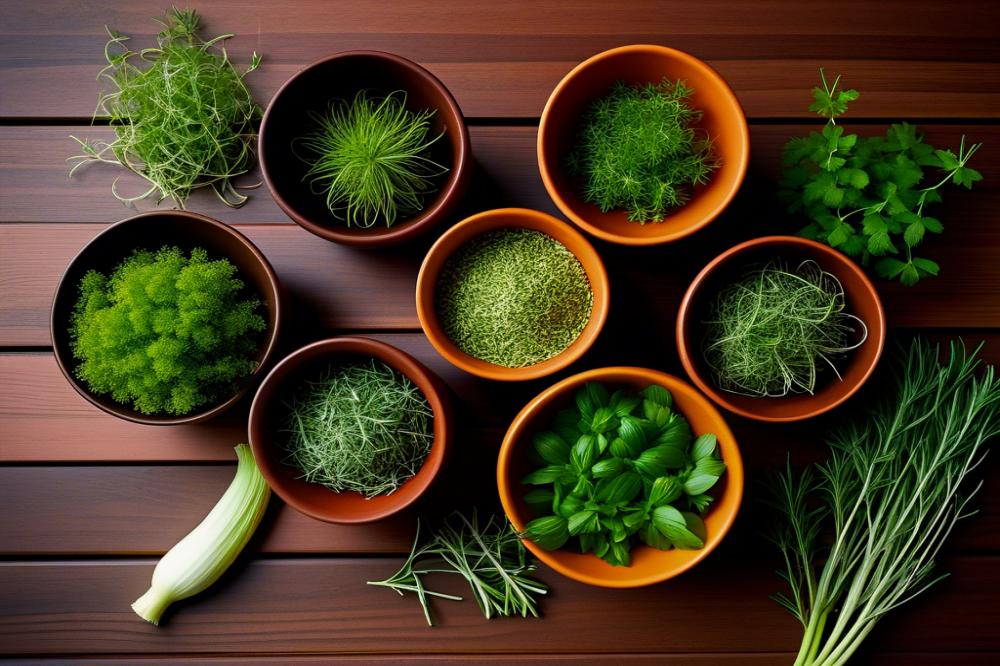
Fennel stands out as a beneficial herb treasured in various cuisines. This hardy plant boasts an array of uses. Its unique flavor can elevate dishes, adding a slight sweetness with a hint of anise. Beyond culinary uses, fennel is rich in vitamins and minerals. It can aid digestion and may even have anti-inflammatory properties. With the right care, this herb can flourish and become a staple in your kitchen.
Focus on growing fennel in Small Spaces
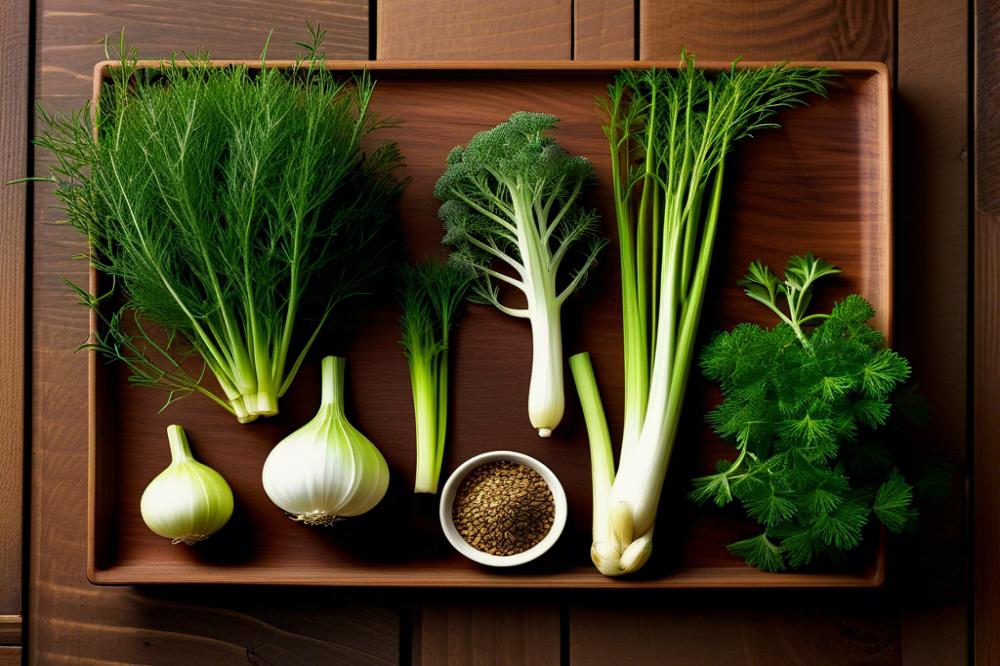
growing fennel in small spaces requires careful planning. container gardening is a popular method for those with limited room. Selecting the right pot is essential; it should be deep enough to accommodate fennel’s long roots. Proper spacing between plants is vital to allow for healthy growth. Understanding soil requirements is another critical factor. Fennel thrives in well-drained soil enriched with organic matter. Sunlight needs also play a significant role; this herb loves full sun, so choose a sunny spot for the best results.
Watering should be consistent but not excessive. Allow the top inch of soil to dry out between waterings, as too much moisture can lead to root rot. Pruning helps maintain the plant’s health and encourages bushier growth. Harvesting fennel is an exciting stage, as you get to enjoy the fruits of your labor. When it comes to companion planting, fennel pairs well with certain herbs and vegetables, enhancing both growth and flavor.
In summary, fennel offers unique benefits for both culinary and health purposes. For those engaged in small space gardening, this herb is a delightful addition. By following proper fennel tips, anyone can enjoy the process of cultivating this valuable plant.
Growing Fennel: An Overview
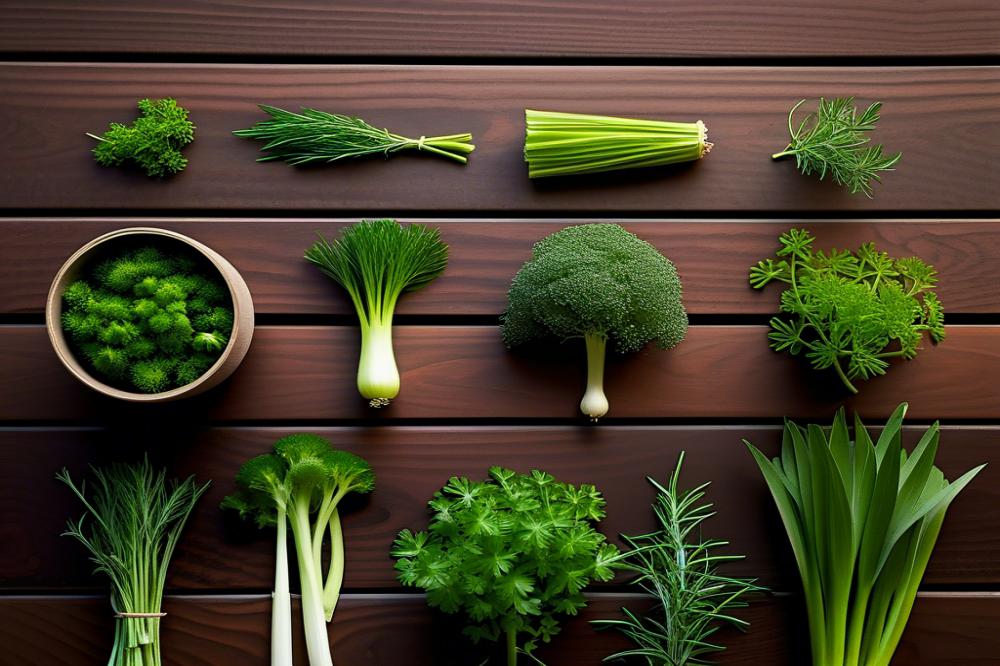
Fennel is an herb that brings a distinct flavor and texture to various dishes. Its feathery foliage and bulbous base make it a visually appealing addition to any garden. This perennial herb can grow rather tall, often reaching heights of 4 to 5 feet, depending on the variety. The plant features a sweet, anise-like aroma, which many find delightful. Fennel can be divided into two primary types: Florence fennel, which forms a bulb, and herb fennel, primarily grown for its leaves and seeds.
Varieties Suitable for Small Spaces
For those with limited gardening space, choosing the right variety is important. Florence fennel is often recommended for containers, as it produces a compact bulb that can thrive even in smaller pots. Another great option is the herb fennel. This type doesn’t develop a substantial bulb but offers a generous yield of aromatic leaves. Pick varieties that are known for their dwarf characteristics to maximize growth in confined areas.
Benefits of Growing Fennel in herb gardening
Growing fennel in your herb garden provides numerous benefits. First, it enhances your dishes with its unique flavor profile, pairing well with fish and salads. Incorporating fennel also attracts beneficial insects, which can improve your garden’s overall health. With proper spacing, you can cultivate several plants close together without crowding them. Good soil requirements include well-draining, nutrient-rich options, so consider mixing compost with your potting mix.
Sunlight needs for fennel are usually around six hours of direct sunlight each day. Regular watering is crucial but avoid waterlogged conditions, as they can cause root rot. Pruning the leaves can encourage bushier growth and prevent the plant from becoming leggy. Harvesting occurs when the bulb is firm and about 3 to 4 inches in diameter. Remember to practice companion planting, as fennel can benefit nearby crops like tomatoes and basil.
Container Gardening for Fennel
Choosing the Right Container
Finding the perfect container is crucial for growing fennel in small spaces. Select a pot that allows for good drainage. Consider the variety of fennel you are growing. Some types can become quite large. A sturdy container will support a healthy plant. Look for options that provide ample room for roots to stretch.
Recommended Pot Sizes and Materials
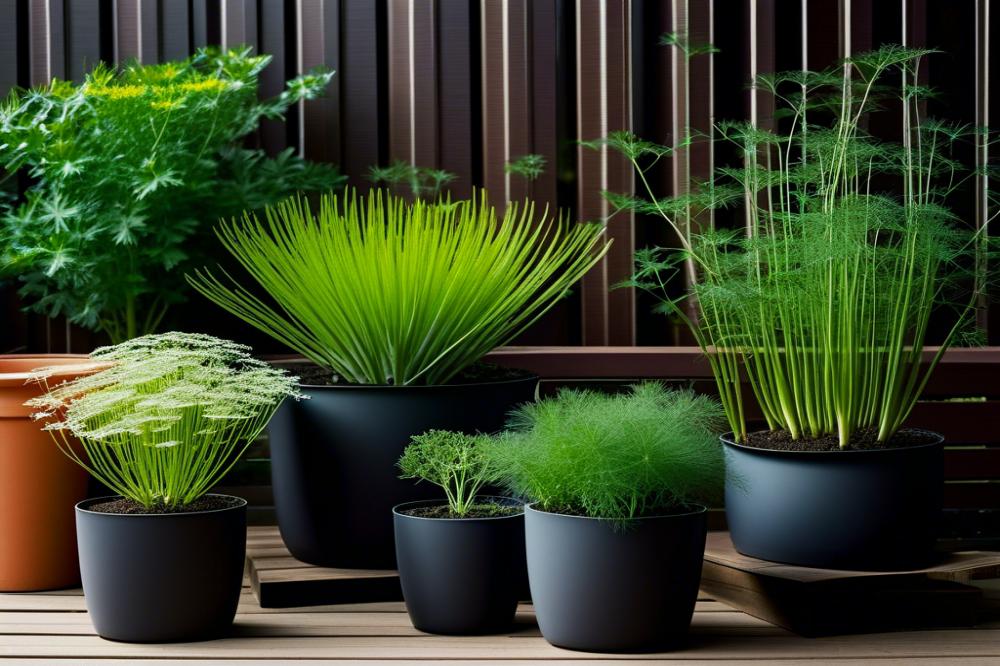
A pot that is at least 12 inches deep is ideal. This depth allows for sufficient root development. Choose a container with a minimum width of 12 to 18 inches. This provides ample spacing for the plant to grow. Materials like ceramic or plastic work well. They retain moisture and are lightweight. Avoid metal pots, as they can heat up too quickly. Ensure the chosen pot has drainage holes at the bottom. This will help prevent root rot, which is crucial for successful herb gardening.
Ideas for Creative container gardening
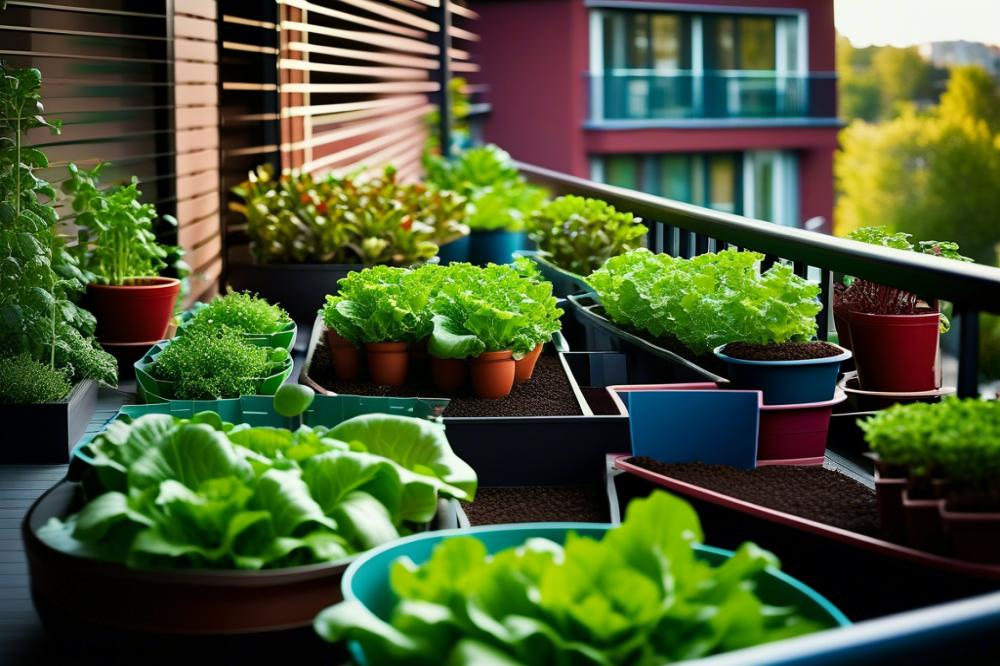
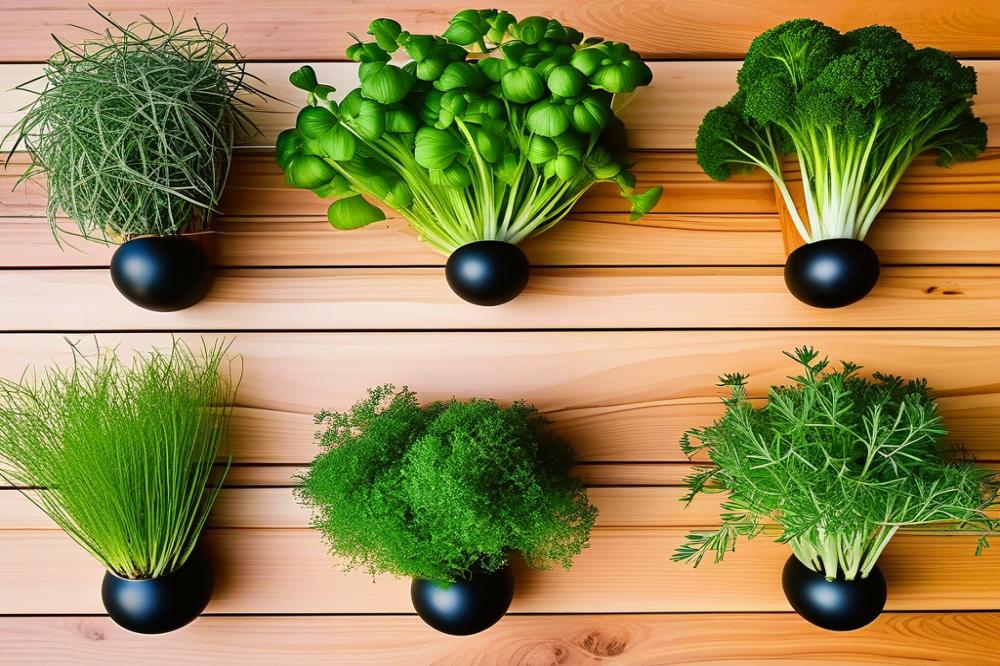
Consider using vertical planters to maximize your space. Hanging pots can also add a decorative touch and save ground space. Mixing fennel with other herbs can create a vibrant and fragrant garden. Companion planting with basil or parsley can even enhance flavors. Adding colorful layers of foliage from herbs can be visually appealing. Regular watering is essential but avoid letting the soil stay soggy. Pruning will encourage bushier growth and better harvests. Place containers where they can receive full sunlight. Most fennel types thrive in areas that get at least six hours of light each day. Experimenting with different container shapes and designs can make gardening fun and rewarding.
Soil Requirements for Fennel
Ideal Soil Composition
Fennel thrives best in soil that is rich in organic matter. A loamy mix with a balance of sand, silt, and clay promotes healthy growth. Aim for soil that has a pH of 6.0 to 7.0, as this range is optimal for nutrient absorption. When engaging in herb gardening or container gardening, consider combining regular potting soil with compost. This blend not only provides essential nutrients but also retains moisture, which is crucial for fennel’s development.
Importance of Well-Draining Soil
Drainage plays a vital role in the health of fennel plants. Waterlogged roots can lead to rot, significantly impacting their growth. Choosing a container with drainage holes ensures excess water can escape. If you notice slow drainage in your garden bed, you should amend the soil with perlite or coarse sand. Such amendments help prevent the roots from sitting in water, thereby promoting a vigorous and lengthy growth period.
How to Amend Existing Soil for Fennel
Improving your current soil can greatly benefit fennel plants. Start by testing the soil type. If it appears compacted, loosening it with a fork can enhance aeration. Blending in organic materials such as well-rotted manure or peat moss increases nutrient availability. Compost also enriches the soil and boosts beneficial microbial activity. Adequate spacing between plants improves airflow and reduces competition for nutrients. These considerations will ensure your fennel has the best chance to flourish in its small space.
Sunlight Needs for Fennel
Ideal light conditions
Growing fennel requires plenty of sunlight. Ideally, it needs about six to eight hours of direct light each day. Without sufficient light, the plants may become leggy. A sunny spot is essential for robust growth and flavor. If your area does not receive full sun, consider alternatives. Fennel plants can grow in partial shade but will thrive better with more light.
Strategies for maximizing sunlight in small spaces
Finding a suitable location in small spaces can be tricky. Placing containers on a balcony or windowsill can help utilize available sunlight. Vertical gardening options can also make use of walls, freeing up floor space. Consider planting fennel near taller plants that won’t block the light. Stagger planting times or use compact varieties to optimize light exposure throughout the garden.
How to use reflective surfaces to enhance light exposure
Using reflective surfaces can greatly improve sunlight access. Mirrors, aluminum foil, or light-colored walls can bounce sunlight onto your fennel. Position these materials strategically around your containers. This setup increases the total amount of light the plants receive. Additionally, shiny surfaces create an interesting visual in herb gardening. Experiment with different angles to find the best setup for your small garden.
By carefully considering sunlight needs and implementing these fennel tips, your plants will flourish even in confined spaces.
Watering Fennel
Watering frequency and techniques
Growing fennel requires careful attention to watering. Regular watering is crucial, especially in container gardening. A good rule of thumb is to water once or twice a week, depending on weather conditions. Use a soaker hose or a watering can to deliver water directly to the soil. This method reduces the risk of wetting the foliage, which can lead to fungal issues. Always check the soil moisture before watering. Stick your finger about an inch deep into the soil. If it feels dry, it’s time to water.
Signs of overwatering and underwatering
Overwatering can create problems for your plants. Yellowing leaves often signal too much moisture. Additionally, a mushy base may indicate root rot. On the flip side, underwatering leads to droopy foliage. Leaves may also become brown at the tips. Understanding these symptoms helps you manage your herb gardening better. If you notice either issue, adjust your watering routine immediately.
The importance of moisture consistency
Consistency in moisture is key for successful fennel growth. Plants perform best when their environment is stable. Fluctuating from too wet to too dry stresses the plant. To keep moisture consistent, consider using mulch. It helps retain soil moisture and promotes even watering throughout the week. Remember that fennel likes well-drained soil, so avoid water pooling. By creating a balanced watering regimen, you prepare your fennel to thrive. Focus on this aspect if you’re serious about your garden. Healthy plants lead to better harvesting!
Spacing and Companion Planting
Recommended spacing for fennel in small areas
Planting fennel in limited space requires careful consideration of spacing. Each plant needs room to grow without crowding its neighbors. Aim for a distance of about 12 to 18 inches between each fennel plant. This spacing allows for the bulbs to develop well while also ensuring proper air circulation. In container gardening, a single fennel plant can thrive in a pot that is at least 12 inches in diameter. Containers should have good drainage to avoid waterlogging, keeping the soil moist but not soaked.
Benefits of companion planting with fennel
Companion planting can enhance the growth of fennel and improve overall garden health. Certain plants can help deter pests that commonly afflict fennel. Others may enhance growth or flavor. By strategically choosing companion plants, you can create a more balanced ecosystem. This practice can reduce the need for synthetic fertilizers and pest control methods. So, incorporating companion plants is not only beneficial for fennel but also for the garden as a whole.
Suitable companion plants to grow alongside fennel
Several plants grow well next to fennel. One excellent option is the vibrantly colored marigold. These flowers repel pests while attracting beneficial insects. Another choice includes herbs like basil or dill, which can promote healthy growth. Be cautious with certain crops though; some plants, such as carrots and tomatoes, may be negatively affected by fennel. Both its strong aroma and unique growth habits can hinder their development. Thus, it’s wise to evaluate your planting strategy carefully to maximize benefits. Always research which plants will thrive together in herb gardening. By carefully selecting companions, you create a healthier garden space.
Pruning and Maintenance
Pruning Techniques for Healthy Growth
Pruning fennel is essential for strong, healthy plants. Begin by removing any yellowing or wilting leaves to encourage new growth. Each time you prune, look for crowded areas where stems compete for light. Thin those out to give remaining plants more space. Focus on cutting stems at their base to promote a bushier appearance. Use clean, sharp scissors to avoid spreading diseases. Regular maintenance helps in both aesthetics and overall plant vigor.
Tips for Maintaining Fennel Plants
Proper watering is critical. Fennel plants thrive with consistent moisture but dislike soggy soil. Check the top inch of soil regularly; if it feels dry, it’s time to water. Sunlight requirements also play a key role in growth. Aim for at least 6 hours of direct sunlight each day. When planting, consider spacing your seedlings properly. This typically means about 12-18 inches apart to allow them room to expand. For those engaged in herb gardening or container gardening, remember that larger pots can help prevent root binding.
Common Pests and Disease Management
Keeping an eye out for pests is crucial. Aphids and caterpillars are common threats, but they can be managed easily. A simple solution involves rinsing them off with water or using insecticidal soap. Additionally, maintaining healthy soil decreases susceptibility to diseases. Always use well-draining soil rich in organic matter. Companion planting can also aid in pest control. Marigolds, for instance, repel pests that may harm your fennel. Monitoring for signs of disease such as fungal spots or wilting helps catch problems early. Acting quickly can save your plants from severe damage and yield a better harvest.
Harvesting Fennel
When and How to Harvest Fennel
Fennel is ready for harvesting when the bulbs reach about three to four inches in diameter. This usually occurs around 90 days after planting. The best time to pick is in the morning when the bulbs are crisp and full of moisture. Gently pull the bulb from the ground. Use a sharp knife to cut the plant at the base, being careful not to damage surrounding plants. Trim away any damaged outer layers to prepare for storage or cooking.
Tips for Maximizing Yield
To maximize your harvest, consider spacing plants adequately to promote air circulation. Crowded plants are more prone to disease. Regular watering is crucial, especially during dry spells, to encourage growth. Applying a balanced fertilizer can boost bulb formation. Pruning unnecessary fronds can direct energy towards bulb development. Companion planting also plays a vital role. Pairing fennel with herbs like basil or coriander may improve growth and flavor. Observing sunlight needs is important too. Fennel thrives in at least six hours of direct sunlight each day.
Uses for Harvested Fennel in Cooking and Herbal Remedies
Fennel has many culinary uses. The crisp bulbs can be added to salads, providing a refreshing crunch. Sautéing slices enhances dishes with its sweet, anise-like flavor. Fennel fronds make a wonderful garnish or can be used in pestos. This plant is also known for its digestive benefits in herbal remedies. Making fennel tea is a great way to soothe an upset stomach. Incorporating fennel into your cooking can enhance both flavor and nutrition. With so many applications, incorporating this herb can offer unique culinary experiences.
Wrapping It Up
To recap the essential tips for successfully cultivating fennel in smaller spaces, remember to choose the right container. Select one that is at least 12 inches deep. Good drainage is crucial for healthy growth. Providing ample sunlight is key, as fennel prefers bright, direct light for several hours each day. Regular watering helps maintain moisture, but avoid overwatering to prevent root rot. Additionally, consider giving your plants ample room, as fennel needs space to grow and thrive.
Starting this journey into container gardening can be a rewarding experience. Even with limited space, growing fennel can be manageable and enjoyable. This unique herb not only adds flavor to your dishes but also gives your small space a touch of greenery. Imagine the joy of harvesting fresh fennel from your own home, transforming your meals with natural ingredients. It’s the perfect way to dive into herb gardening and make the most of what you have.
Gardening often brings a sense of peace and satisfaction. Caring for plants can lower stress levels and foster a connection to nature. Beyond practical benefits, it allows you to appreciate the growth process. With a little effort and attention, the rewards can be significant. Embrace the challenge of growing herbs like fennel, and you might discover a new passion. So, gather your containers, grab some seeds, and get started. You may find that even small spaces can lead to great moments of joy with your gardening success!