
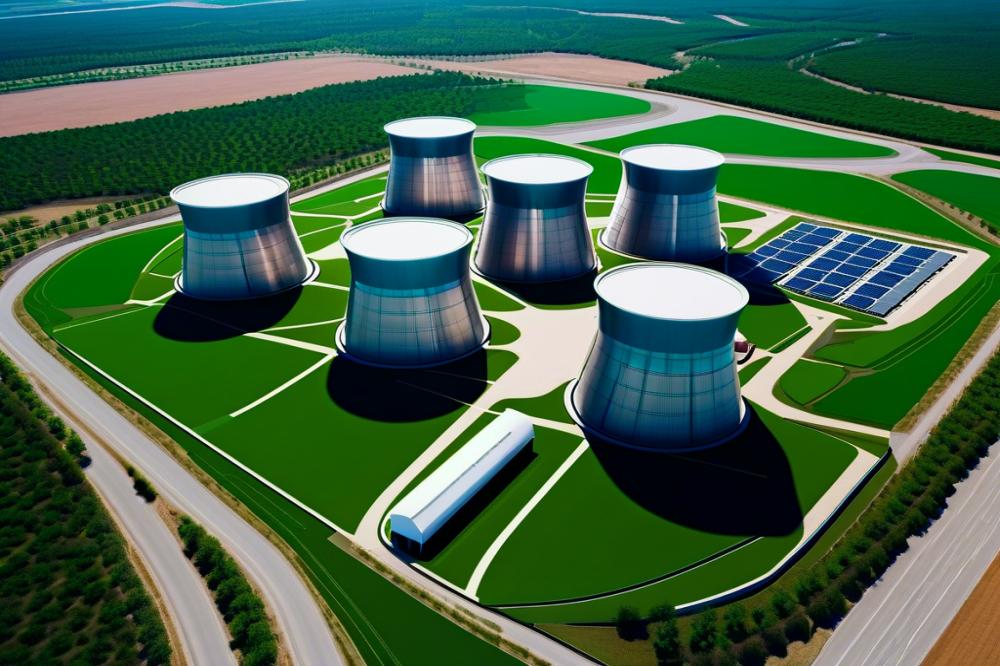
Transition from Conventional to Advanced Nuclear Reactors
nuclear energy plays a significant role in the global energy landscape, serving as a low-carbon alternative to fossil fuels. The energy it generates contributes to electricity supplies while helping combat climate change. Still, traditional technology has its limitations. Conventional Nuclear Reactors, while reliable, often face criticism regarding safety and long-term waste management. Addressing these concerns is essential in transitioning to a more advanced framework.
The shift toward Advanced Nuclear Reactors is paramount for several reasons. These technologies promise enhanced safety improvements, increasing public trust and confidence. Furthermore, they are designed with sustainability in mind, potentially reducing waste and utilizing resources more efficiently. Innovations in nuclear reactor design, such as small modular reactors and fast reactors, offer improved performance and adaptability. This flexibility aligns with ongoing energy transition efforts globally.
Through this article, we will explore key topics surrounding the evolution of nuclear technology. The discussion will include an analysis of thermal reactors versus advanced designs, the implications for energy policy, and the role of innovation in nuclear energy. Understanding these elements will illuminate the path forward, highlighting the importance of embracing advanced reactor systems in our quest for a sustainable energy future.
Understanding Advanced Nuclear Reactors
Advanced nuclear reactors represent a modern evolution in reactor design. These systems are characterized by their innovative technologies, which often lead to greater efficiency and improved safety compared to traditional models. They aim for a more sustainable form of nuclear energy production while addressing the growing global energy demands.
Comparison between Conventional Reactors and Advanced Reactor Designs
Conventional reactors primarily use light water as a coolant and moderator. In contrast, advanced designs may employ various coolant types and fuel cycles. Safety improvements are a hallmark of these newer systems; many are designed with inherent safety features that reduce the risk of accidents. Traditional reactors often require complex external systems to manage safety, whereas advanced designs integrate numerous safety mechanisms directly within the reactor structure.
Another significant difference lies in sustainability. Advanced reactors may utilize fuels with a lower environmental impact or recycle spent fuel more effectively. This innovative approach enables a more circular fuel cycle. As the world shifts towards low-carbon technology, these reactors can help facilitate the energy transition necessary to combat climate change.
Types of Advanced Nuclear Reactors
Three key types of advanced nuclear reactors illustrate the variety within this category: small modular reactors, fast reactors, and thermal reactors. Each offers unique advantages catered to specific energy needs and operational contexts.
Small modular reactors (SMRs) present a flexible approach to nuclear energy deployment. Their compact size allows for easier integration into various power grids while minimizing upfront costs. This modular nature facilitates gradual scaling, which can be particularly beneficial in regions with limited infrastructure.
Fast reactors utilize fast neutrons to sustain the fission process, enabling a more efficient fuel cycle. They can maximize the energy extracted from uranium and even utilize actinides, which are typically waste products in conventional reactors. By doing so, these reactors contribute to sustainability and resource optimization.
Thermal reactors, while more traditional, have seen advancements that incorporate innovative technologies. These designs utilize slow neutrons for fission, creating a stable nuclear reaction. Enhanced safety systems in new thermal reactor models demonstrate how innovation in nuclear technology can improve both performance and reliability.
Safety Improvements in Advanced Nuclear Reactors
Reactor design has evolved significantly in recent years. Advanced systems incorporate a range of safety features aimed at addressing the shortcomings of conventional nuclear energy facilities. Improved materials and innovative engineering techniques enhance structural integrity and resilience. This evolution is key to promoting sustainability and achieving broader acceptance of nuclear power.
Key safety features of advanced nuclear reactor designs
Small modular reactors (SMRs) exemplify modern safety advancements. Their compact size allows for significant passive safety measures, which require minimal operator intervention. These designs frequently implement a combination of natural circulation and inherent safety mechanisms to cool the reactor without external power. Failure modes are analyzed thoroughly during the design process to mitigate potential risks. Furthermore, advanced systems often utilize simplified designs that allow for easier maintenance and inspection. Such streamlined operations can minimize human error and improve overall safety.
Lessons learned from past nuclear incidents
Historical nuclear incidents have shaped contemporary safety protocols. Lessons learned from events like Fukushima and Chernobyl highlight the importance of robust safety culture. Regulatory bodies now emphasize comprehensive training and preparedness for all personnel involved in reactor operations. Additionally, numerous reactor designs now feature advanced containment structures designed to withstand extreme external events. Technologies that monitor reactor conditions in real-time also play a pivotal role in preventing incidents.
Innovations enhancing reactor safety and public trust
Innovation in nuclear technology continues to be at the forefront of safety advancements. Fast reactors, for example, utilize different fuel cycles that can enhance safety while reducing waste. Incorporating artificial intelligence for predictive maintenance is gaining traction, enabling systems to identify vulnerabilities before they escalate. Public trust can be built through transparency in operational practices and safety assessments. Engaging communities and providing clear information about these innovations helps remove stigma associated with nuclear power. Enhanced safety protocols contribute positively to the energy transition toward low-carbon technology.
Sustainability and Environmental Impact
Role of Advanced Nuclear Reactors in Promoting Sustainability
Innovations in nuclear energy are pivotal for enhancing sustainability. Through improved reactor design, advanced systems offer efficient energy conversion. Furthermore, technologies such as small modular reactors become vital in regions where energy demand is fluctuating. These systems not only generate electricity but also minimize the ecological footprint. By integrating advanced safety improvements, they address public concerns about nuclear energy.
Advantages Over Fossil Fuels and Other Low-Carbon Technologies
When comparing energy sources, advanced reactors present clear advantages over fossil fuels. Their operational emissions are significantly lower, contributing to cleaner air and reduced greenhouse effects. While other low-carbon technologies, such as wind and solar, rely on weather conditions, nuclear energy provides constant baseload power. This reliability complements the energy transition toward a more sustainable grid. Additionally, advanced thermal reactors and fast reactors can utilize fuels more efficiently, further decreasing environmental impacts.
Lifecycle Assessment of Advanced Reactors and Waste Management Options
Conducting a lifecycle assessment reveals the environmental implications of advanced reactors from inception to decommissioning. This comprehensive approach evaluates resource extraction, construction, operation, and eventual disassembly. Effective waste management strategies are essential for minimizing long-term environmental consequences. Current innovations focus on recycling spent fuel and reducing the volume of high-level waste. By developing better storage solutions, nuclear energy can maintain a sustainable legacy within the energy mix. Through these efforts, the nuclear industry can create safer, more resilient infrastructures that align with global sustainability goals.
Innovation in Nuclear Technology
Emerging technologies in nuclear energy are reshaping the landscape of power generation. Several advanced reactor designs are now in development, aiming to enhance efficiency and safety. Small modular reactors (SMRs) have garnered significant attention due to their ability to be built in factories and transported to sites, allowing for cost-effective deployment. These reactors also promise improved safety features, reducing the risks associated with traditional thermal reactors.
Research and Development Efforts in Advanced Reactor Designs
Companies and research institutions are delving into various advanced designs, such as fast reactors that utilize a closed fuel cycle. These innovations not only aim to improve fuel efficiency but also contribute to sustainability by recycling nuclear material. Ongoing projects focus on high-temperature gas-cooled reactors and molten salt reactors, each offering distinct advantages in terms of operational flexibility and thermal efficiency. These developments represent a significant shift towards low-carbon technology, aligning with global energy transition goals.
Collaborations and Partnerships in the Nuclear Innovation Sector
Collaboration plays a crucial role in advancing nuclear innovation. Public-private partnerships are increasingly common as they leverage resources and knowledge from multiple entities. Through these alliances, companies can share insights into reactor design and safety improvements. Furthermore, international cooperation enhances research by facilitating the exchange of best practices and technological advancements worldwide. The combined efforts within this sector are pivotal for addressing the challenges of climate change and meeting energy demands sustainably.
The Role of Advanced Nuclear Reactors in the Energy Transition
Advanced nuclear reactors play a pivotal role in the shift toward cleaner energy sources. Their design features emphasize safety improvements and sustainability, making them attractive alternatives to traditional power generation methods. By harnessing nuclear energy effectively, these systems contribute significantly to reducing greenhouse gas emissions.
How Advanced Nuclear Contribute to the Energy Transition
Innovations in nuclear technology have led to the development of reactors that are more efficient and environmentally friendly. Thermal reactors and fast reactors represent two categories that showcase enhanced performance and fuel utilization. Small modular reactors (SMRs) serve as a highlight of this innovation, offering flexibility in deployment and potentially quicker construction times.
Energy transition involves diversifying the energy mix. Introducing these advanced systems alongside renewable sources allows for a more resilient power grid. Moreover, they provide a stable energy source, capable of supplying electricity even when solar or wind resources are low. The integration of nuclear into the energy mix enhances reliability and reduces dependency on fossil fuels.
Integration of Advanced Nuclear into Existing Energy Grids
Grid operators face unique challenges when incorporating new technologies. Advanced reactors require grid infrastructure that supports their characteristics, including load-following capabilities and flexibility in output. A thoughtful approach to the integration process can optimize performance and utilization across energy networks.
Balancing electricity supply and demand is crucial. Advanced nuclear systems can play a supportive role by providing a steady power source. Their operation can complement intermittent renewable resources, smoothing out fluctuations in energy availability. As established fossil fuel plants gradually decommission, a transition to advanced nuclear can stabilize supply.
Future Prospects and Potential Challenges in Adoption
While the benefits of advanced nuclear reactors are evident, several challenges must be addressed. Public perception of nuclear energy can hinder its acceptance. Misconceptions about safety and waste management must be countered with transparent information and engagement. Education is paramount in building public trust and support.
Regulatory frameworks also require adaptation to accommodate new reactor designs. Ensuring that safety standards keep pace with innovation is essential. Streamlining the approval process can accelerate the deployment of small modular reactors and other advanced technologies.
Future growth in the adoption of nuclear energy hinges on collaborative efforts among governments, industry stakeholders, and researchers. As climate change intensifies the need for low-carbon technology, advanced nuclear could provide crucial support in achieving energy targets. However, ongoing innovation and commitment to safety will be essential to navigate the landscape ahead.
Summary of the Transition from Conventional to Advanced Nuclear Reactors
The shift from traditional nuclear reactors to more advanced designs marks a significant evolution in the field of energy generation. Conventional plants have served us well for decades, producing large amounts of energy with relatively low carbon emissions. However, challenges such as safety concerns, waste management, and aging infrastructure have created a pressing need for innovation. New reactor designs aim to address these challenges head-on, enhancing safety and efficiency while minimizing environmental impact.
Advanced nuclear systems incorporate modern technologies that allow for greater flexibility and lower operational costs. Innovations such as small modular reactors and liquid metal cooled reactors promise to optimize performance and reduce the risks associated with large-scale projects. Greater resilience against accidents is a key benefit these systems provide. Furthermore, developments in fuel cycle management reflect a proactive attitude toward waste reduction.
The integration of advanced nuclear reactors into the energy mix holds substantial potential for creating a sustainable energy future. Policymakers, scientists, and the public must engage in informed discussions about the role of nuclear energy in combating climate change. Embracing these new technologies can lead to a more diverse and reliable energy portfolio, reducing our dependence on fossil fuels.
In closing, the transition to state-of-the-art reactor design promises to revolutionize how we think about nuclear energy. It is a complex journey requiring collaboration across multiple sectors. As we look to the future, understanding the balance between innovation and public perception will be crucial. This transition will not only redefine nuclear energy but also contribute significantly to a sustainable and resilient energy landscape.


