Introduction
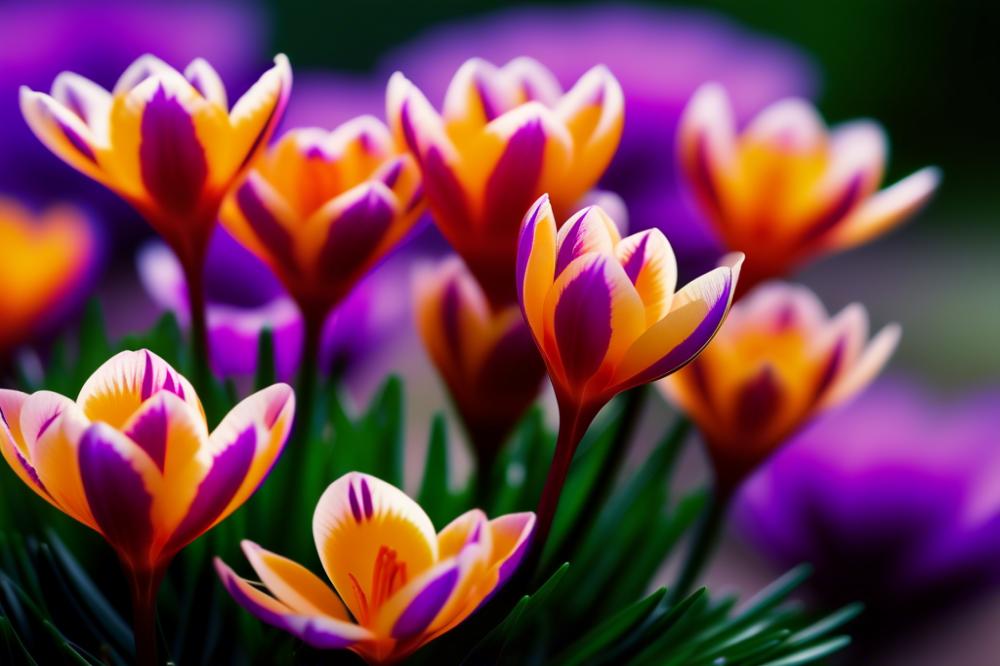
Saffron crocus, renowned for its vibrant purple flowers, is not just a stunning addition to any garden; it is a truly special plant that offers culinary delights, too. Known as one of the most expensive spices in the world, saffron requires careful cultivation to yield its precious threads. growing saffron, especially in home gardens, can be both rewarding and fulfilling.
Many gardeners are realizing the benefits of incorporating saffron into their planting routine. This flower not only adds beauty but also contributes to a diverse garden ecosystem. By nurturing these plants, enthusiasts cultivate the opportunity for self-sufficiency and sustainability. Fresh saffron can elevate dishes, making it a desirable ingredient for those who appreciate gourmet cooking.
Furthermore, organic gardening with saffron promotes a healthier environment. Cultivating plants without synthetic fertilizers or harmful pesticides supports local wildlife while also providing delicious, chemical-free saffron. Proper saffron crocus care includes attention to soil requirements, irrigation practices, and pest control, making the experience both educational and enjoyable for novice and veteran gardeners alike.
Choosing sunny locations for saffron planting is essential for the plants’ growth; they thrive in well-drained soil and bask in warm conditions. The fall flowers bloom beautifully but demand dedication from their caretakers. Understanding how to effectively manage these unique plants can lead to a rewarding harvest season for those willing to put in the effort. With the right garden tips and nurturing, anyone can enjoy the satisfaction of growing their own saffron.
growing saffron: Understanding saffron bulbs

saffron bulbs are the starting point for cultivating this luxurious spice. These small, corm-like structures store nutrients for the plant until they are ready to grow. What is fascinating about saffron is that the bulbs are essential to its life cycle. They develop into beautiful crocus flowers, which ultimately produce the saffron threads used in cooking. Knowing about saffron bulbs is crucial for successful garden planting.
Description of Saffron Bulbs and Their Significance
Each saffron bulb is designed to thrive in specific soil and weather conditions. Typically, they are brownish and slightly more rounded than your common bulbs. When they bloom, vibrant purple flowers emerge, but the magic lies beneath the soil. Healthy bulbs lead to a robust harvest for saffron enthusiasts. Their significance extends beyond just planting; they play a vital role in the spice’s flavor and quality.
Selecting High-Quality Saffron Bulbs for Planting
Choosing the right saffron bulbs is fundamental for a successful crop. Look for bulbs that are firm and free from any signs of rot or disease. Quality bulbs will have a larger size, often indicating stronger growth potential. When purchasing, opt for organic sources whenever possible. This practice aligns with sustainable gardening methods and promotes healthier plants. Remember, the right selection sets the stage for bountiful flowers and vibrant threads.
When to Buy Your Saffron Bulbs
The timing of your purchase is just as important as the quality. Most gardeners buy saffron bulbs in late summer, typically around August or September. This timing aligns with the fall planting season, which is crucial for good growth. Ensure you plant the bulbs in well-draining soil before the first frost. Early preparation helps to enhance your saffron harvesting potential later on. When you plan accordingly, you will enjoy a beautiful display of fall flowers while maximizing yield.
Saffron Planting: Preparing Your Garden

Choosing Sunny Locations for Optimal Growth
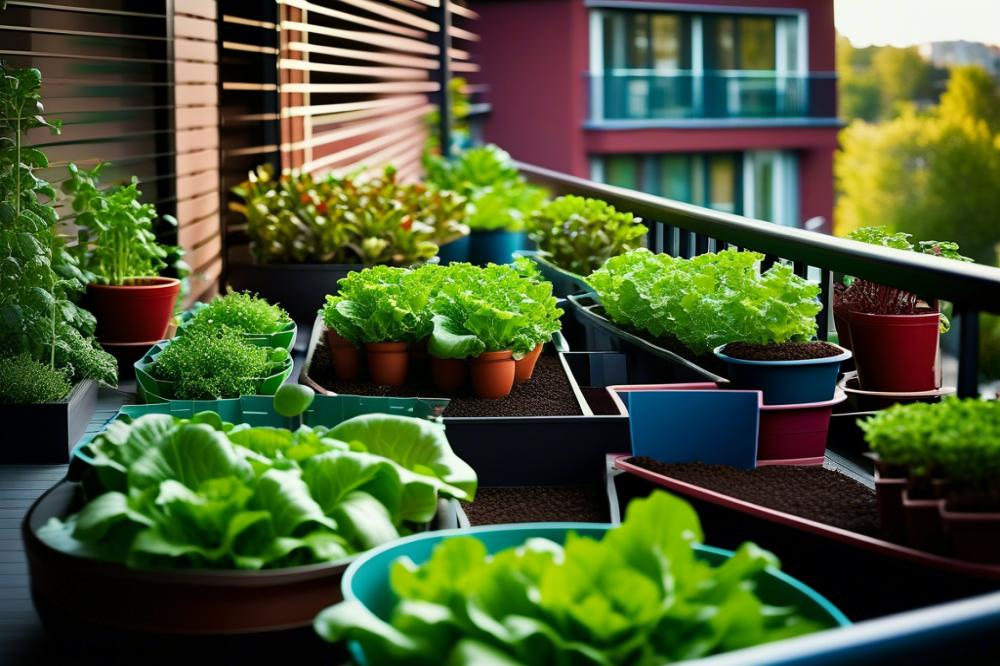
Saffron thrives in sunny locations. Select a spot that receives full sun for most of the day. The more light, the better the flowers will bloom. A warm environment boosts bulb development and increases your yield. Consider areas that avoid heavy shade from trees or buildings. If space is limited, a well-lit balcony can also work.
Soil Requirements: pH, Drainage, and Nutrient Needs
Soil quality is crucial for saffron planting. Ideal pH levels hover around 6 to 8. This range supports healthy root systems. Good drainage is equally important. Saffron bulbs can rot in waterlogged soil. Using sandy loam is a great option if you can manage it. Nutrient-rich soil will also promote better growth, so adding organic compost can be beneficial.
Preparing the Soil for Saffron Planting
Start preparing the soil a few weeks before planting. Remove any weeds, as they compete for nutrients. Loosen the earth to allow oxygen to reach the roots easily. Testing your soil can reveal its nutrient profile. This information helps in making necessary amendments. Mix in organic matter to enhance fertility and moisture retention.
Best Practices for Planting Saffron Bulbs
Timing plays a significant role in the success of saffron cultivation. Plant bulbs in well-prepared soil during the fall. Aim for a depth of about 4 to 6 inches. Spacing them 6 to 8 inches apart allows room for growth. Efficient irrigation practices are crucial in the early stages. Water gently after planting but avoid over-watering. Proper saffron pest control methods should also be in your gardening toolkit. Keeping an eye on your plants helps in spotting issues early. Enjoy watching fall flowers emerge as you nurture your saffron garden.
Garden Tips for Successful Saffron Growth

Ideal Irrigation Practices for Saffron
Saffron thrives in environments with well-draining soil. Overwatering can harm the bulbs and lead to rot. Maintaining the right moisture level is crucial. Water your saffron crocus after planting to help them settle in. Following a dry spell, a good soak is necessary. However, be careful not to drown the plants. An irrigation system that delivers water slowly is often more effective. Aim to water in the early morning to reduce evaporation. Adjust your practices based on local weather conditions. Less frequent, deeper watering is often better than daily shallow watering.
Understanding Pest Control for Saffron
Pests can pose a challenge in saffron gardening. Common pests include aphids and spider mites. Keeping an eye on your plants is essential. An organic approach works well for pest control. Introduce beneficial insects, like ladybugs, to help manage these bugs naturally. Neem oil can also repel unwanted guests without harming your plants. Regularly inspect the leaves and bulbs for signs of infestation. Quick action can prevent severe damage. Avoid synthetic pesticides, which may harm beneficial organisms in the soil. Always prioritize a balanced ecosystem in your garden.
Companion Planting Strategies to Enhance Growth
Companion planting can be beneficial in multiple ways. Certain crops can improve the growth of saffron while deterring pests. Consider planting garlic or onions nearby. They can repel aphids and other harmful insects. Additionally, planting fall flowers like marigolds can attract pollinators. These flowers may also distract pests away from your saffron bulbs. Choose companions that share your saffron’s needs for sunlight and moisture. Keep in mind the importance of space; overcrowding can stunt growth. Each plant should have ample room to spread out and thrive. Use organic gardening methods to enrich the surrounding environment.
Caring for Saffron Crocus Throughout the Growing Season
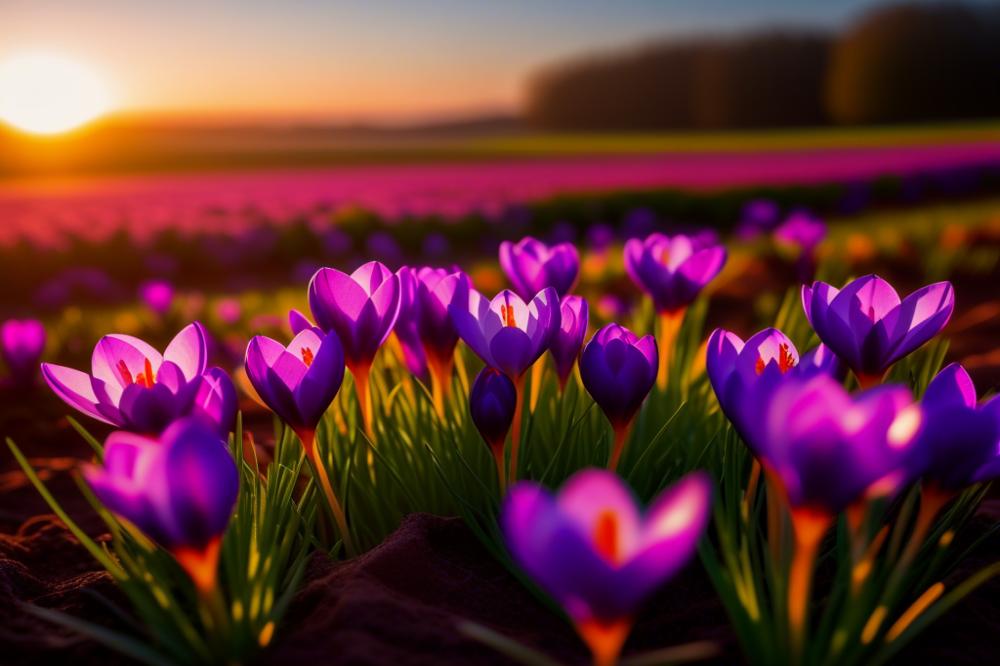
Regular maintenance tasks are crucial for the health of saffron crocus plants. Start by monitoring the soil. Saffron bulbs require well-draining soil with a slightly alkaline pH. Mix in compost if you want to enrich the earth. This will promote strong growth and flowering.
Watering is another vital aspect. Saffron prefers dry conditions once the bulbs are established. After planting in the fall, regular irrigation is necessary until the roots develop. Avoid overwatering, as soggy soil can lead to bulb rot. Maintaining proper irrigation practices will keep your plants happy.
Signs of Thriving Saffron Plants vs. Signs of Distress
Healthy saffron crocus plants have distinct indicators. Look for vibrant flowers blooming in autumn, usually a deep purple hue. Strong foliage will emerge as well. Green leaves should stand upright and be lush. These signs show that your saffron is thriving and ready for harvesting.
Conversely, wilting leaves or stunted growth can signal distress. Browning or yellowing leaves often indicate overwatering. Pests may also attack your plants, leading to further issues. Common pests include aphids and spider mites. Implement saffron pest control measures at the first sign of these invaders.
Adapting Care to Changing Weather Conditions
Weather fluctuations can significantly impact your saffron crocus. During dry spells, increase your irrigation, ensuring the soil remains adequately moist without being soggy. In contrast, during wet periods, ensure the soil drains well. Wet soil can damage the bulbs.
Planting in sunny locations is critical since saffron crocus thrives under full sun. Keep an eye on late frost conditions in spring. If frost threatens, protective measures such as covers can shield delicate flowers. Organic gardening techniques can also help. For example, choose natural fertilizers and pest remedies to promote healthy growth.
Adapting your care routine based on seasonal changes will ensure your saffron plants flourish. By following these garden tips, you can enjoy a vibrant saffron harvest when the time comes.
Saffron Harvesting: The Best Time and Methods
Identifying the Right Time for Saffron Harvesting
Timing is crucial for successful saffron harvesting. Flowers bloom during late fall, typically from October to November in most regions. Observing your saffron plants is key. When the crocus flowers fully open, it signals that the saffron threads are ready. Morning hours are ideal for harvesting. At this time, the delicate flowers are still fresh. Warm temperatures can cause flowers to wilt quickly. Gardeners often aim to pick the blooms before noon for the best results.
Techniques for Harvesting Saffron Threads
Using a gentle approach is essential when harvesting. Each flower usually produces three crimson threads, known as stigmas. Carefully pluck these threads with your fingers. Avoid pulling the entire flower; you’ll want to leave the bulb intact for future growth. Harvesting tools like scissors can also come in handy. Some gardeners prefer this method to minimize damage. Remember to work slowly and delicately. This ensures that the precious saffron threads remain intact and undamaged.
Post-Harvest Care and Drying of Saffron
After collecting saffron threads, focus shifts to drying them. Spread the threads out on a clean, dry surface. A paper towel or a tray works well for this purpose. The drying process should take place in a warm, dark area. A controlled environment helps prevent moisture absorption, maintaining flavor and color. Typically, saffron takes around 24 hours to dry completely. Once dried, store your saffron in an airtight container. Keep this container in a cool place, away from direct sunlight. Proper storage preserves the quality for months. Following these post-harvest steps allows you to enjoy your homegrown saffron for cooking and other uses.
Final Thoughts on Cultivating Saffron
In summary, growing saffron can be a rewarding endeavor. Start by selecting high-quality saffron bulbs and prepare your garden with well-drained soil. Pay attention to sunlight, as these crocuses thrive in bright conditions. Water them moderately, particularly during their early growth phases. After the blooms appear, harvest the delicate threads with care. Timely picking is crucial to achieving the best flavor and aroma.
Cultivating saffron in your home garden opens up a world of unique culinary possibilities. While the process may require patience, the satisfaction of watching your plants flourish is immense. Each saffron crocus you nurture will become a small, vibrant addition to your space, enhancing not just your meals but also your gardening experience.
Engagement with fellow gardeners can further enrich this journey. Share your successes and challenges in growing these beautiful flowers. Discussing techniques and strategies for saffron planting can inspire others and lead to great tips. Together, you may uncover new ways to enhance your yields and maximize flavor. Enjoy your gardening adventure and connect with others who share your passion!