
The Vjosa River National Park Project: Preserving Europe’s Last Wild River in Albania
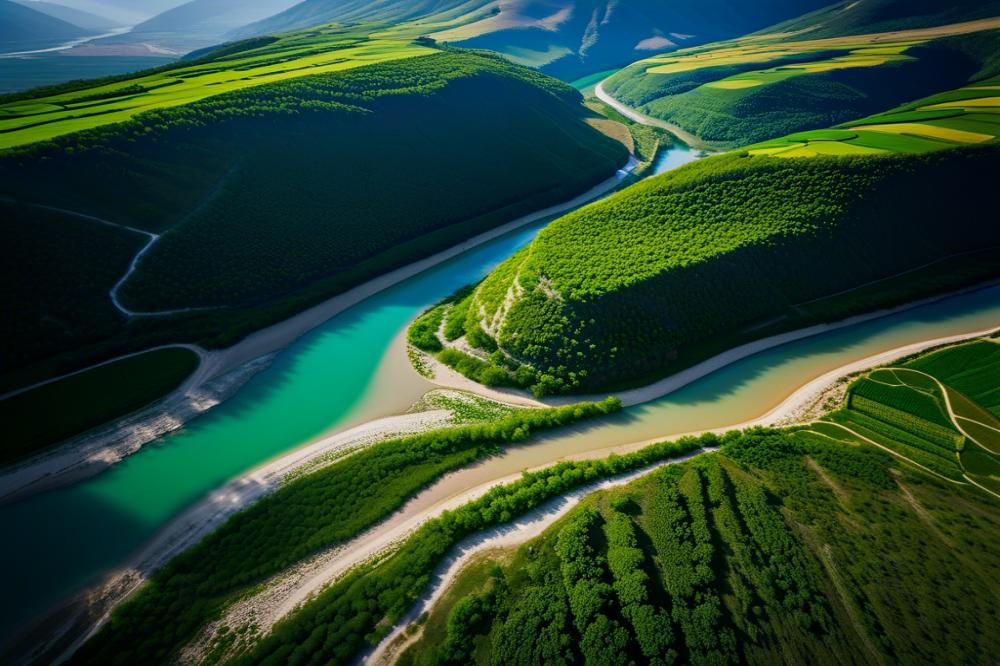
The Vjosa River flows through the heart of Albania, a remarkable waterway that is one of Europe’s last remaining wild rivers. This river system, rich in biodiversity, is home to countless species of flora and fauna. Its banks brim with life, supporting various ecosystems that thrive in a natural state. As industrialization and human encroachment expand globally, the allure of intact natural landscapes like the Vjosa River becomes increasingly precious.
Preserving this vital landscape is crucial for several reasons. First, it represents a sanctuary for many endangered species. The health of freshwater ecosystems depends heavily on keeping habitats intact. biodiversity flourishes in untouched areas, and this river’s survival is vital for maintaining it. Furthermore, the area’s ecological integrity may hold keys to environmental protection for future generations.
Considering the context of nature rehabilitation, the Vjosa River stands as a promising model. River restoration efforts can lead to enhanced environmental health. Communities surrounding the river can benefit greatly from sustainable tourism initiatives. By promoting responsible travel, locals can both enjoy and protect their natural resources. Education becomes key in this regard, fostering a conservation ethic that connects people with their environment.
Overall, the Vjosa River National Park Project offers hope for the preservation of Albania’s stunning landscapes. Through ecological research and community involvement, the project looks to cement the river’s status as a national treasure. In a world where wild places are vanishing, the effort to protect this wild river is more important than ever.
The Vjosa River: A Unique Ecosystem
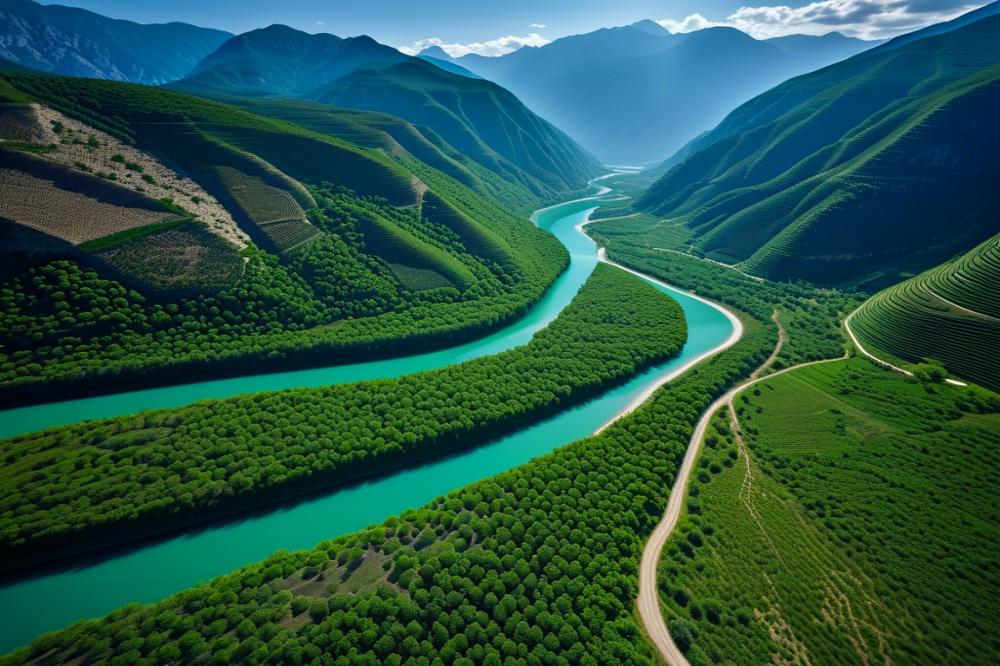
The Vjosa cuts its path through Albania, winding across stunning landscapes. Its waters flow swiftly, shaping diverse terrains from rocky beds to gentle valleys. This river is known for its natural features, such as pristine gravel bars and dynamic riverbanks. These elements create habitats that support various forms of life.
Rich biodiversity thrives in the surrounding areas. Many species call this environment home, including fish, birds, and plants. More than 120 fish species have been documented. Notably, the river serves as a critical habitat for rare and endangered species. The interplay of land and water fuels a vibrant community of flora and fauna, making the ecosystem rich and diverse.
Freshwater ecosystems play a vital role in the region’s health. They contribute to water quality and support livelihoods through fishing and tourism. Healthy rivers can offer clean water to communities and sustain agriculture. Conservation efforts are essential to maintain this natural wonder. Environmental protection initiatives focus on preserving the unique features of the river while fostering sustainable tourism.
River restoration projects aim to mend damage caused by human activity. These efforts prioritize ecological research to understand the river’s needs and challenges. Awareness about the importance of the Vjosa encourages a sense of responsibility among locals and visitors. By valuing this wild river, communities can work together to ensure its protection for future generations.
Conservation Efforts in the Vjosa River National Park Project
Goals of the Vjosa River National Park Project
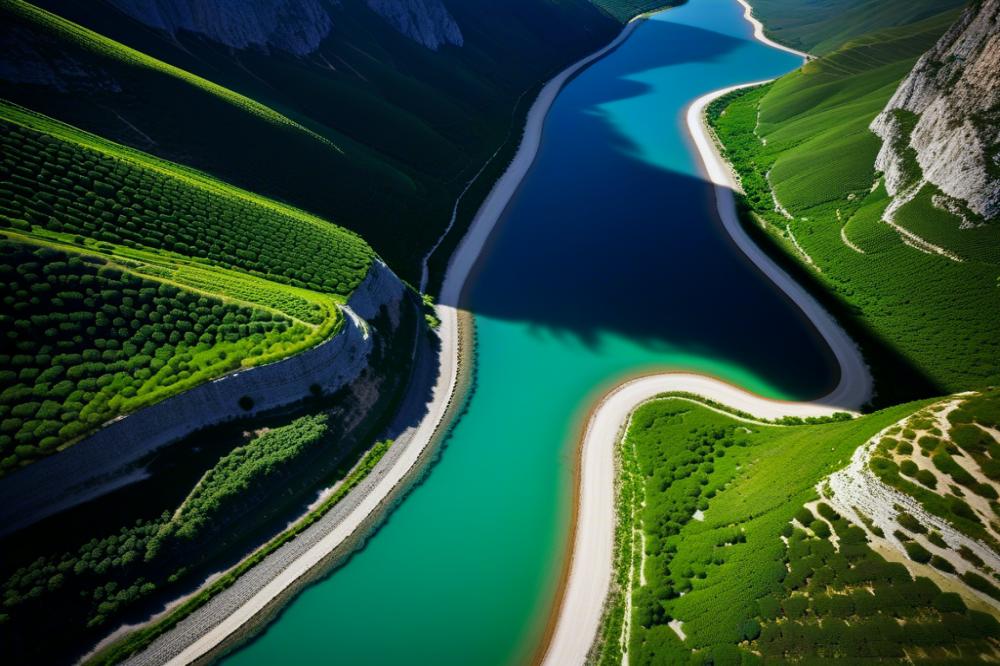
The Vjosa River National Park strives to protect Europe’s last wild river. This initiative aims to preserve the diverse ecosystems that thrive in Albania. One primary goal focuses on maintaining biodiversity and preventing habitat degradation. Conservationists seek to create a safe haven for various species. Additionally, promoting sustainable tourism is a key objective. This allows visitors to appreciate nature without harming it. Education plays a vital role too. Building awareness about the importance of environmental protection strengthens community involvement.
Strategies for River Restoration and Habitat Rehabilitation
Strategies for river restoration involve a multifaceted approach. First, removing obstacles like dams restores the natural flow of water. This change benefits freshwater ecosystems by improving water quality. Alongside this, experts analyze the current health of the river and its surroundings. Monitoring these areas helps identify issues early. Rehabilitation also includes planting native vegetation along riverbanks. These plants help reduce erosion and provide habitats for local wildlife. Researchers study both aquatic and terrestrial species to understand the ecosystem better. Their findings guide effective conservation methods, ensuring that the balance of life is maintained.
Role of Local and International Conservation Organizations
Local communities are essential partners in conservation efforts. They often have valuable knowledge about the river’s history and its ecology. Workshops and programs encourage residents to participate actively in protecting their natural resources. International conservation organizations also provide critical support. They bring expertise, funding, and global attention to the project. Collaborative efforts enable the sharing of best practices from around the world. By joining forces, these groups increase the overall impact of their initiatives. Together, they aim to create a sustainable future for the Vjosa River and its surrounding habitats.
Impact on Biodiversity and Environmental Protection
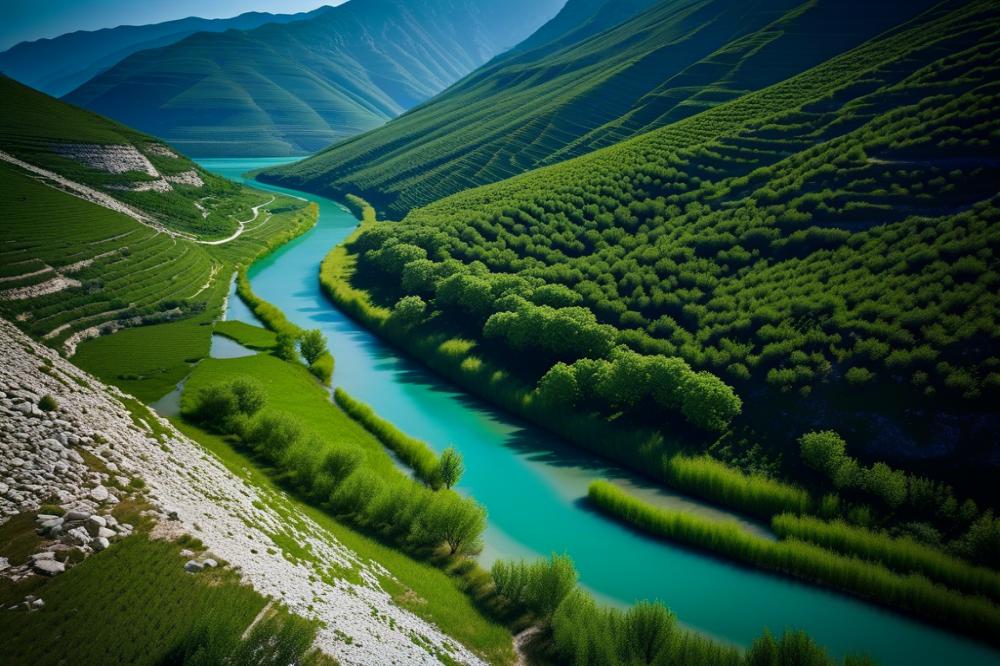
Preserving the Vjosa River plays a vital role in supporting biodiversity in Albania. This wild river hosts a myriad of plant and animal species, many of which are rare or endangered. By protecting the area, we help create a safe haven for these organisms. Freshwater ecosystems, like the Vjosa, are often threatened by pollution and development. Conservation efforts focus on maintaining these natural habitats.
The diverse range of flora includes unique plants that thrive along riverbanks. Some of these species are important for the health of the ecosystem. They provide shelter and food for various animals. Birds, fish, and mammals rely on this habitat for their survival. The river itself is home to many fish species, some of which migrate from the sea. Keeping the river clean and free-flowing is essential for these fish to complete their life cycles.
Effects on Flora and Fauna in the Ecosystem
A healthy environment helps to keep the ecological balance in check. Changes in the river can disrupt breeding patterns and feeding habits of local wildlife. As plants adapt to their surroundings, they support an intricate web of life. Each species interacts with others in ways that maintain the ecosystem’s stability. Disruptions can lead to declines in some species, affecting others that depend on them.
Environmental protection measures aim to safeguard these connections. Restoration projects can mend degraded habitats and bring life back to the area. Such efforts not only restore balance but also enhance the presence of diverse species. Research into these ecosystems is crucial for effective conservation strategies. Understanding how various organisms interact helps tailor efforts for sustainable tourism and protection.
Importance of Maintaining Ecological Balance
Preserving ecological balance is not just about saving individual species. It also includes the overall health of the environment. When biodiversity thrives, ecosystems can better withstand changes and stressors. This resilience benefits everyone, from local communities to future generations. They depend on clean water, healthy soil, and rich natural resources.
Ultimately, maintaining this balance positively impacts the economy as well. Sustainable tourism thrives in regions that showcase natural beauty and diversity. Tourists are drawn to experience Albania’s stunning landscapes and unique wildlife. Protecting the river ensures that these natural wonders remain for years to come. The interconnectedness of life in this region highlights why conservation efforts are so crucial.
Sustainable Tourism and Community Involvement
Potential for Sustainable Tourism Around the Vjosa River
Albania is home to one of Europe’s last wild rivers. Tourists are increasingly drawn to its natural beauty and pristine waters. Sustainable tourism can play a vital role in protecting this ecosystem. Visitors who enjoy activities like kayaking, hiking, and birdwatching help promote conservation efforts. Local businesses can benefit from this trend, creating a win-win situation. Well-managed tourism can preserve biodiversity while providing income for nearby communities. It is important that these activities are conducted responsibly to safeguard natural resources.
Engagement of Local Communities in Conservation Efforts
Partnerships with local communities are essential for the success of conservation projects. Residents often have deep ties to the land and its resources. Training and involving them in tourism initiatives can lead to better protection of the river. Workshops on river restoration and ecological research can empower locals. Engaged communities are more likely to partake in environmental protection. Their participation creates a sense of ownership over the region’s natural heritage.
Benefits of Ecotourism for Both the Environment and Local Economy
Ecotourism can significantly boost the local economy in Albania. By attracting visitors, it creates jobs in areas such as hospitality and guided tours. This economic benefit can foster a greater appreciation for the natural environment. A healthy economy encourages sustainable practices among residents. Protecting freshwater ecosystems also helps maintain local wildlife and plant species. Balancing tourism and conservation promotes long-term ecological health, creating a sustainable future for both nature and humans.
Ecological Research and Monitoring
Current Research Initiatives Related to the Vjosa River
Various studies focus on the ecological integrity of Albania’s last wild river. Researchers are investigating the diverse species that inhabit the area. The goal is to understand the complex interactions within this unique ecosystem. New projects aim to map the river’s habitats and assess the range of biodiversity present. This work is crucial for identifying key areas that require protection. Scientists also study water quality, sediment transport, and the overall health of the river.
Data Collection Methods and Ecological Studies
Data collection involves both fieldwork and remote sensing technologies. Teams often conduct surveys to monitor fish populations and plant life along the banks. They use water sampling techniques to analyze chemical parameters that affect freshwater ecosystems. Ecologists also deploy cameras to track wildlife activity near the river. These methods provide valuable insights into how species interact with their environment.
Importance of Ongoing Monitoring for Conservation Success
Constant monitoring plays a vital role in ensuring the success of conservation efforts. Tracking changes over time helps identify potential threats to the ecosystem. With sustainable tourism in mind, it is important to find a balance between local community needs and environmental protection. Regular assessments highlight the effectiveness of river restoration initiatives. Preservation efforts will greatly benefit from this commitment to ongoing research. Engaging local communities in these endeavors also promotes awareness about the significance of biodiversity and conservation.
Wrapping Up the Vjosa River National Park Project
The Vjosa River National Park Project represents a significant step in preserving one of Europe’s last wild rivers. This initiative is critical not just for Albania but for the entire region. It safeguards various ecosystems and protects a wealth of biodiversity that thrives along the riverbanks. Keeping this area free from dams and other developments allows natural habitats to remain intact for years to come.
Looking ahead, the prospects for conservation are bright. As locals and environmentalists unite in this effort, a strong message of protection emerges. Community involvement is vital. Enhancing local education about the river’s value will build a sense of ownership among residents and visitors alike. Innovations in eco-tourism could provide sustainable ways to support the area’s economy while preserving its natural beauty.
Support for this project must continue. Awareness about the importance of the Vjosa can encourage more people to advocate for its protection. Engaging with local groups, participating in events, and sharing information on social media can all make a difference. Together, we can promote the idea that preserving this unique river is not just essential for the environment; it’s a legacy for generations to come. Everyone has a role to play in keeping Albania’s natural wonders alive.


