
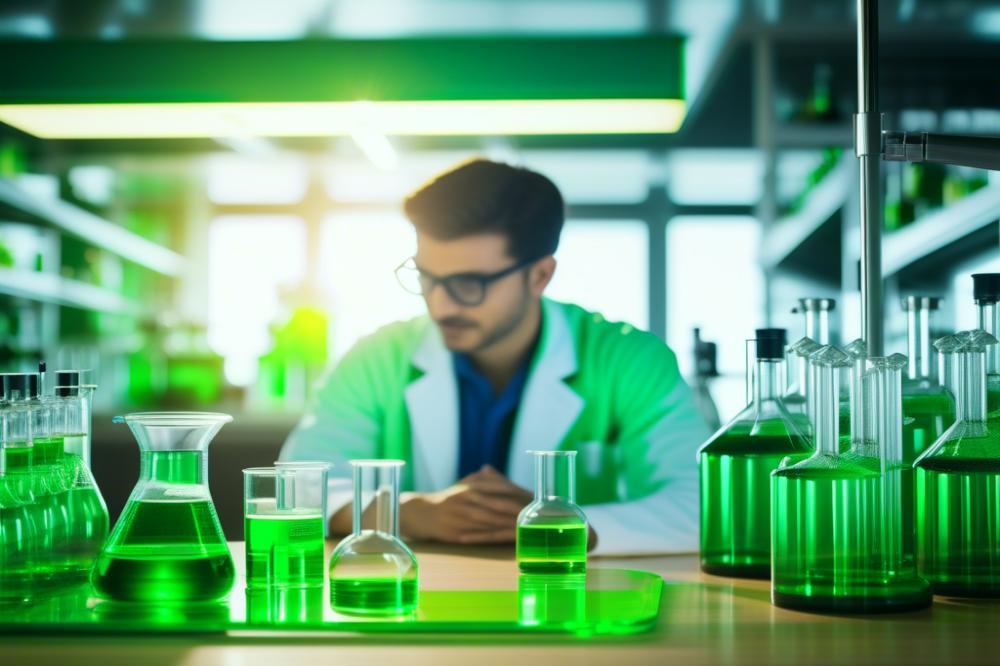
Transitioning to Green Chemistry: Engineering Eco-Friendly Solutions
The shift towards eco-friendly practices is more urgent than ever. The world faces challenges from pollution and resource depletion. These issues highlight the need for innovative solutions. Green Chemistry represents a pathway to a more sustainable future. By focusing on environmentally safe practices, it redefines how we approach chemical engineering.
Environmental impact is a central concern today. Many industries contribute significantly to pollution and waste. As a result, businesses must rethink their methods. sustainable practices can dramatically reduce harmful effects. This movement promotes the use of renewable resources and green solvents. These alternatives help decrease reliance on harmful substances. By adopting biodegradable materials, companies can further minimize their ecological footprint.
Current trends show a shift in how industries are evolving. There is increasing interest in green manufacturing processes. Many firms are now conducting lifecycle assessments of their products. Understanding a product’s full environmental impact can lead to better choices. Such evaluations help identify areas for improvement, guiding the adoption of safer alternatives.
The purpose of this article is to explore the benefits of transitioning to environmentally friendly practices. We will discuss innovative approaches that lead to effective pollution reduction. By understanding the importance of these advancements, individuals and businesses can contribute to creating a healthier planet. The journey toward green chemistry is not just beneficial; it is essential for a sustainable future.
Understanding Green Chemistry

Definition and Principles
Green chemistry focuses on designing products and processes that minimize environmental hazards. It offers a framework to innovate while protecting the planet. The principles guide scientists and engineers to embrace sustainable practices. Understanding these principles is the first step toward meaningful change.
Key Concepts
Pollution reduction is a core idea. Fewer harmful substances lead to cleaner air and water. Making this a priority drives better outcomes for everyone. Renewable resources play a vital role as well. When we use materials that can replenish naturally, we create a sustainable cycle. This leads to less waste and lower dependency on fossil fuels.
Role in chemical engineering
Chemical engineering professionals are at the forefront of this movement. Their expertise helps develop green solvents and biodegradable materials. This shift can radically alter production methods. By focusing on green manufacturing, they can reduce carbon footprints. Innovations are necessary to provide safe alternatives to traditional processes.
Impact on Environmental Sustainability
The environmental impact of traditional chemistry practices cannot be ignored. Unsustainable techniques waste resources and create dangerous pollutants. Transitioning to Eco-Friendly Solutions helps combat these issues effectively. Lifecycle assessment becomes crucial in this context. It evaluates the environmental effect of products from start to finish. Understanding the full impact allows for informed decisions that promote sustainability. With collective efforts, a healthier planet is within reach. Transitioning to greener methods is not just beneficial; it is essential for our future.
Sustainable Practices in Green Chemistry

Transitioning to eco-friendly solutions requires adopting sustainable practices. One key area is the use of green solvents. These solvents minimize environmental impact and help reduce pollution. Depending on their origin, many green solvents are derived from renewable resources. Using them can significantly lower the harmful effects commonly associated with traditional solvents.
Another crucial practice is embracing biodegradable materials. These materials break down naturally over time, unlike conventional plastics. Companies that switch to biodegradable options play a vital role in decreasing waste in landfills and oceans. Not only do these materials lessen pollution, but they also support a healthier ecosystem.
Integration of safe alternatives is essential in the processes of chemical engineering. This means substituting hazardous substances with less risky options. By prioritizing safety, industries can protect their workers and communities. Additionally, safe alternatives can lead to greater efficiency in manufacturing processes.
Several industries exemplify best practices worth highlighting. The automotive sector increasingly opts for green solvents during paint applications, resulting in reduced emissions. In the cosmetic industry, innovative companies have shifted to using biodegradable packaging. This advancement illustrates how businesses can contribute positively to the environment while appealing to eco-conscious consumers.
Finally, lifecycle assessments can further underline the benefits of these practices. By evaluating the environmental impact from creation to disposal, companies can make informed choices. It’s no longer just about immediate results. Considering the entire lifecycle helps foster sustainable innovation.
Lifecycle Assessment in Green Chemistry

What is lifecycle assessment?
Lifecycle assessment (LCA) is a method used to evaluate the environmental impact of a product throughout its entire life. It looks at everything, from the extraction of raw materials to production, use, and finally, disposal. Each stage of a product’s life can affect the environment in different ways. Understanding these impacts helps in making informed choices.
Importance in evaluating environmental impact
Assessing the lifecycle of a product is crucial for understanding its overall effects on nature. Without this assessment, manufacturers might overlook key environmental issues. For instance, using renewable resources in production can significantly reduce negative consequences. By identifying hotspots of pollution, businesses can target their efforts for pollution reduction. This ensures that the materials selected contribute to eco-friendly solutions.
Case study examples
Many companies have successfully integrated LCA into their practices. One notable example is a manufacturer of biodegradable materials. They discovered that switching to green solvents reduced chemical waste by an impressive margin. Another case involves a startup focused on green manufacturing. Their LCA revealed that using sustainable practices led to lower energy consumption during production, which ultimately benefitted the environment.
How it informs eco-friendly decision making
Armed with the knowledge gained from lifecycle assessments, companies can make more sustainable choices. Decisions influenced by LCA lead to the adoption of safe alternatives that are healthier for consumers. Using this tool, chemical engineering teams can prioritize renewable resources and green technologies. The data provided by an LCA can shape policies that support the shift towards a greener future. Each step taken, guided by these assessments, helps build a more sustainable world.
Green Manufacturing Techniques
Principles of Green Manufacturing
Green manufacturing focuses on creating processes that minimize environmental impact. It promotes sustainable practices throughout the production cycle. This approach combines efficiency and eco-friendliness. Companies strive to use renewable resources wherever possible. Reducing waste is an essential principle. The aim is to create products with the smallest environmental footprint.
Techniques for Reducing Waste and Emissions
Many methods exist to cut down on waste during production. Lean manufacturing helps streamline operations to save materials. Additionally, companies are adopting closed-loop systems. These systems recycle waste products back into production. Pollution reduction is also a significant goal. Using green solvents instead of traditional chemicals can lead to safer processes. Implementing efficient energy sources can further decrease emissions.
Emerging Technologies and Innovations
Exciting innovations are driving change in manufacturing. Advances in chemical engineering provide better processes. For instance, developing biodegradable materials can reduce landfill waste significantly. New methods of lifecycle assessment allow firms to see their products’ impact from start to finish. Adopting these technologies can offer safer alternatives for consumers. Continuous improvement and research in this field will lead to more options.
Case Studies from Various Sectors
Examining real-world examples can highlight successes in green manufacturing. The automotive sector has seen major strides in using recycled materials. Many companies now incorporate bio-based plastics into their car designs. The food industry is also shifting. Packaging made from renewable resources is gaining popularity. These cases show that change is possible and beneficial. Other sectors, like fashion, are developing eco-friendly fabrics. By sharing these stories, we can inspire further action. Sustainable practices are becoming the norm rather than the exception.
Challenges and Future Directions
Obstacles in transitioning to green chemistry
Transitioning to eco-friendly solutions is not without its difficulties. Many industries rely heavily on traditional methods that produce harmful chemicals. Changing these processes can require significant effort and investment. Developing new products with renewable resources often seems overwhelming. Cost can be a major barrier. In many cases, existing supplies and infrastructure make it hard to adopt sustainable practices. Furthermore, moving to green manufacturing requires changes in training for workers. This can take time and patience.
Economic, regulatory, and societal factors
Economic issues play a pivotal role in this transition. Companies may hesitate to invest in new technologies due to high upfront costs. Regulations can either help or hinder progress toward more eco-friendly practices. Governments need to create incentives for businesses to use safer alternatives. The public’s demand for green products is growing, but education about the benefits is essential. If society values environmental impacts, businesses will more likely make necessary changes. Additionally, support from communities is crucial. Without public backing, advancements are difficult to achieve.
Future trends and opportunities in environmental engineering
Future trends in chemical engineering show promise for innovation. Many companies are exploring biodegradable materials that lessen environmental impact. The rise of green solvents in various applications leads to a reduction in hazardous waste. Engineering sustainable solutions can also boost economic growth. Investing in technologies that lower pollution levels creates jobs. Opportunities abound for those ready to innovate in this space. Industries can transform by focusing on lifecycle assessment. This holistic view allows firms to see the full effect of their practices on the environment.
The role of research and development
Research and development play a crucial role in creating safe alternatives. Ongoing studies can provide insights into more effective sustainable practices. Universities and companies must collaborate for maximum impact. New findings can spark breakthroughs in eco-friendly chemicals. The importance of testing and refining processes cannot be overstated. Investing in R&D brings about the chance to create safer, simpler products. As we face environmental challenges, the commitment to develop better solutions will drive change. Fostering a culture of innovation is essential in moving toward a greener future.
Bringing It All Together
Transitioning to eco-friendly solutions is not just a trend; it is a necessity. Throughout this article, we’ve explored how chemistry can shift from harmful practices to safer, more sustainable alternatives. We examined the roles that innovation and responsibility play in engineering processes. The movement towards greener practices holds the promise of a planet that thrives rather than suffers. Embracing these methods can lead to long-lasting benefits for our environment and health.
Importance shines through when considering the future of our planet. With rising pollution levels and climate change, now is the time to act. A proactive approach is required from engineers and industries. The shift to greener practices must be a priority, not an afterthought. Understanding the impact of chemical engineering on our world can motivate everyone to take steps towards improvement.
Stakeholders in engineering and industry must unite. Commitments to adopting practices that are kind to the environment can reshape the future. Companies can explore innovative materials and processes that minimize waste and reduce harmful emissions. This isn’t just good for the planet; it’s also beneficial for business. Consumers are becoming increasingly aware of eco-friendly products. Being part of this shift can enhance reputation and drive success.
Imagine a future where clean air and water are the norms. By embracing eco-friendly solutions, we can foster a healthier planet. Green chemistry offers tools to make that vision a reality. It lays the groundwork for sustainable practices that can support generations to come. Together, we can turn this vision into action. The responsibility is on all of us to work towards a sustainable and bright future.


