Growing Your Own salad greens: A Green Thumb Advantage
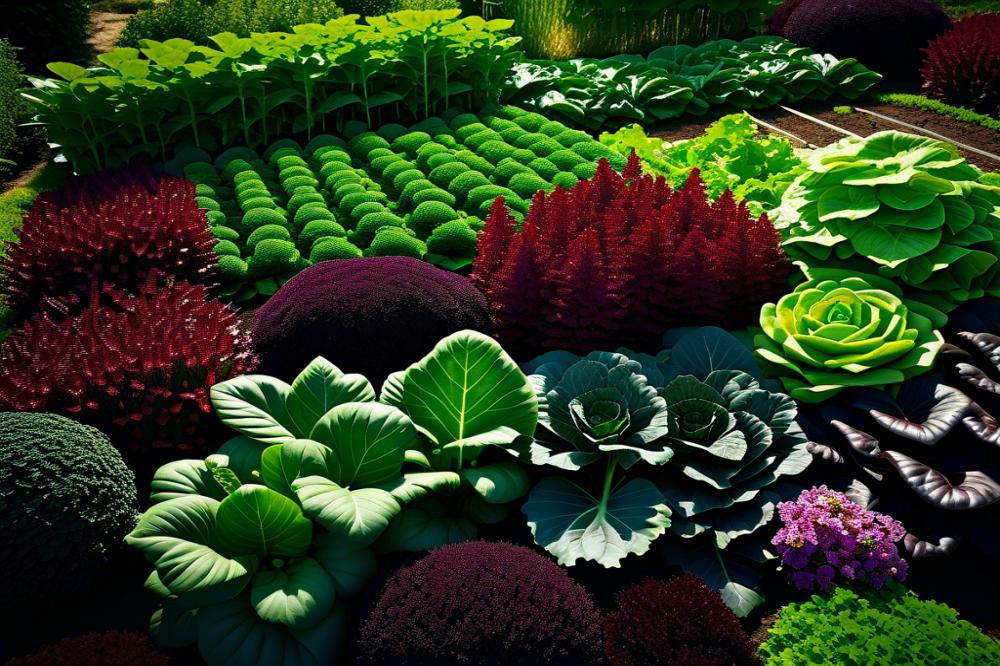
There is something special about growing your own salad greens. Many people find joy in harvesting fresh, crisp leaves right from their backyard or balcony. Convenience comes into play when you can pick what you need without a trip to the grocery store. Additionally, knowing where your food comes from adds an extra layer of satisfaction.
year-round gardening brings numerous benefits. It allows you to enjoy fresh produce regardless of the season. Both cool-season crops and warm-season crops can thrive with proper planning. Flexibility in growing times is crucial to experience a continuous harvest. More importantly, it promotes better soil health, helping to sustain the ecosystem around your garden.
Effective pest management becomes essential when you garden throughout the year. With constant monitoring, you can react promptly to any issues. Understanding nutrient requirements aids in maintaining balanced soil, which benefits the plants. Variety selection plays a significant role as well. Growing different types encourages crop rotation, which helps prevent soil depletion.
Harvesting techniques are equally important. Picking your salad greens at the right time can lead to a better taste and texture. Those who grow in containers can experience success, too. Container gardening offers flexibility for those with limited space. Overall, the rewards of cultivating your own greens are plentiful, making it an excellent choice for gardeners of all levels.
Understanding Salad Greens
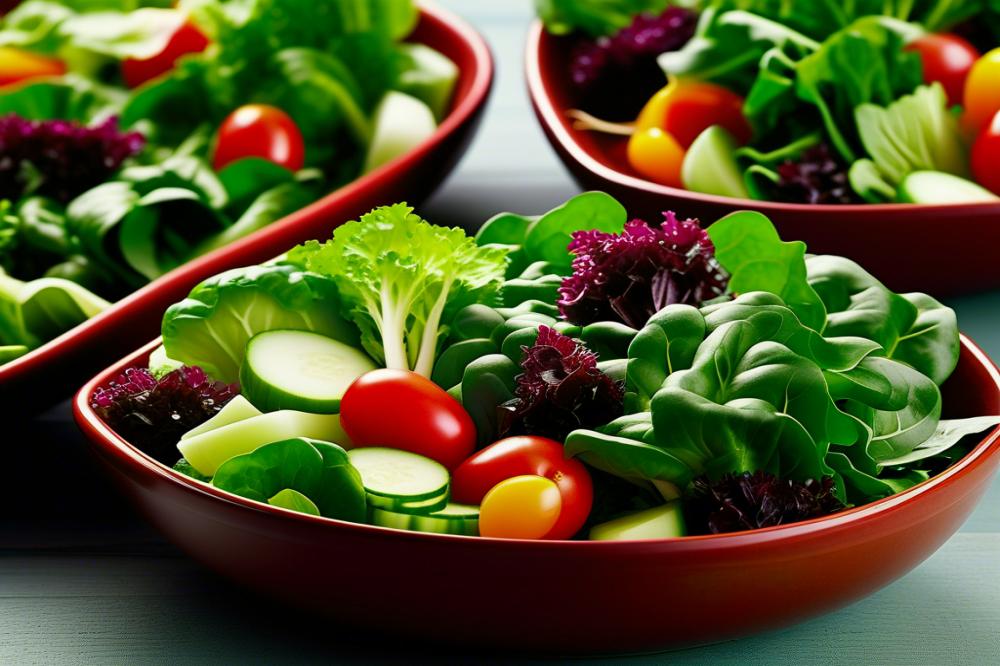
Salad greens are a diverse group of leafy vegetables typically enjoyed raw in salads. They include many types, from crisp lettuce to vibrant kale. Each type has its unique flavor and texture, which can enhance a variety of dishes. Understanding these different greens is crucial for any gardener looking to grow them year-round.
Cool-season vs. Warm-season Crops
Growing conditions vary depending on the season. cool-season crops thrive in spring and fall, preferring moderate temperatures. Examples include leaf lettuce, spinach, and arugula. They can usually survive light frosts and benefit from cooler weather.
Warm-season crops, conversely, prefer hot temperatures. They need heat to grow well and are typically planted after the last frost. Varieties such as basil, purslane, and Swiss chard fall into this category. Timing is essential to maximize growth for all salad greens.
Popular Varieties for Each Season
When planning your garden, variety selection plays a key role. For cool-season crops, consider growing ‘Butterhead’ lettuce and ‘Savoy’ lettuce due to their sweetness and tenderness. Spinach offers nutrient density, while arugula adds a peppery kick to salads.
If you’re looking for warm-season options, ‘Crisphead’ lettuce allows for crunchy texture, while ‘Red Romaine’ provides color and flavor. Swiss chard is versatile, and basil is perfect for adding to summer salads. Rotating these varieties each season helps maintain soil health and nutrient levels.
Container gardening is an excellent option for those with limited space. Many salad greens adapt well to pots, allowing you to manage watering and soil health more easily. Implementing effective pest management strategies will also keep your plants healthy. Check for any signs of trouble regularly.
Monitoring nutrient requirements is vital for healthy growth. Adding compost or organic fertilizers can boost soil quality. Additionally, employing harvesting techniques such as cutting outer leaves promotes continuous growth. This method encourages plants to produce more foliage throughout the season.
By understanding the distinctions between cool-season and warm-season crops, you can create a thriving garden. Recognizing popular varieties ensures you have a mix that suits your palate and climate. Careful attention to growing tips will lead to salad greens that are fresh and flavorful year-round.
Soil Health and Nutrient Requirements
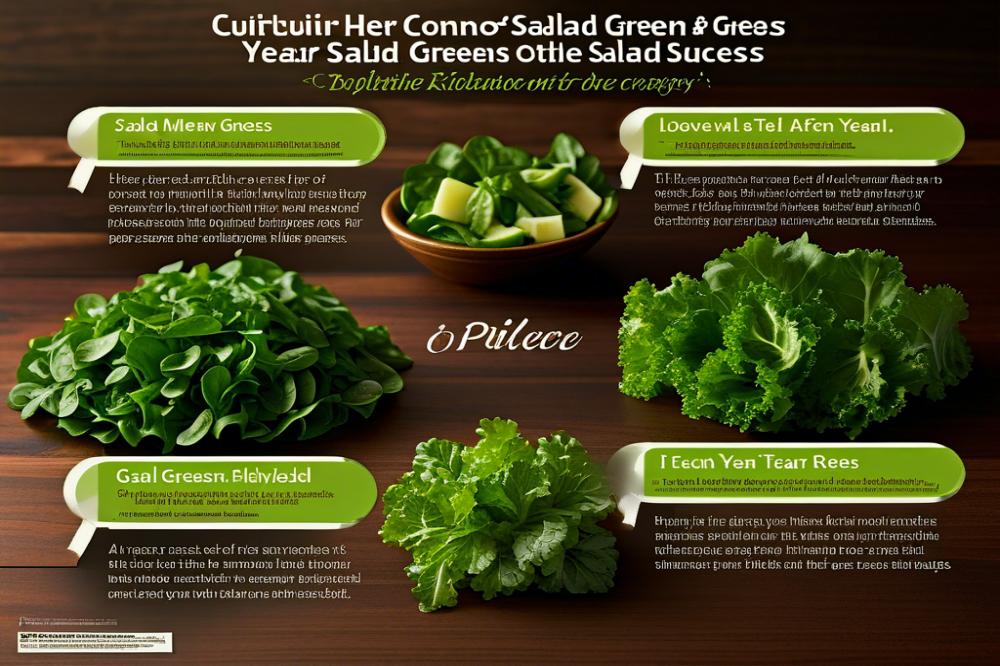
Growing salad greens successfully begins with good soil quality. Plants thrive in nutrient-rich environments. Healthy soil supports the whole ecosystem in your garden. It helps cool-season crops like spinach and arugula flourish. Warm-season crops, such as lettuce and kale, also benefit from quality soil.
Key nutrients play a vital role in plant growth. Nitrogen is crucial for leafy development, while phosphorus supports strong root systems. Potassium helps plants resist disease and promotes overall health. Additionally, micronutrients like magnesium and calcium contribute to vibrant, strong greens. Understanding these needs can make a significant difference in your harvest.
Soil testing is an essential step for successful gardening. Analyzing your soil helps identify nutrient deficiencies. You can find out the pH level and nutrient composition. Many garden centers offer testing kits. Based on the results, you might need to amend your soil with compost or organic fertilizers. This practice not only boosts nutrients but also improves soil structure.
Container gardening requires special attention to soil health too. Use a light, well-draining potting mix to support growth in pots. Amending the soil periodically helps maintain nutrient levels. Always remember to consider pest management strategies that can impact container plants. Regular monitoring will yield the best results.
Crop rotation is another useful technique for maintaining soil health. Changing the types of plants grown in a specific area helps prevent nutrient depletion. This method reduces the risk of soil-borne pests and diseases. Diverse planting promotes a thriving environment for all your crops.
Incorporating these tips can significantly improve your garden outcomes. With focused attention on nutrient requirements and soil quality, anyone can produce healthy salad greens year-round.
Variety Selection for Success
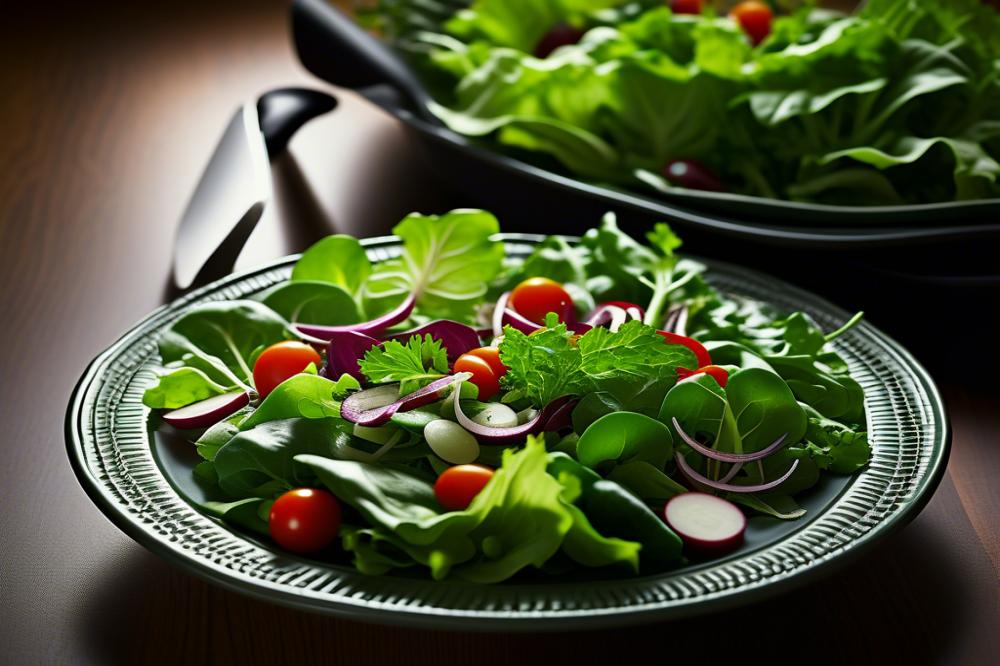
Choosing the right greens for your climate can make a significant difference in your gardening success. Different regions offer varying temperatures, which affect plant growth. Cool-season crops, like spinach and kale, thrive in the cooler months. Conversely, warm-season crops such as arugula and Swiss chard prefer the heat. Knowing what grows best in your area helps in producing a bountiful harvest.
Planting time is crucial. Early planting varieties usually germinate well in the spring and can handle slight frosts. Late planting varieties, however, excel during the summer when temperatures rise. Understanding these planting schedules can help you enjoy fresh greens throughout the year.
Staggered planting is an effective technique for continuous harvest. By planting seeds at intervals, you can enjoy fresh crops at different times. This method prevents the overwhelming task of harvesting large quantities at once. Adopting practices like crop rotation can also enhance soil health over time, keeping your garden fertile.
Gardeners should pay attention to nutrient requirements. Each variety has its needs for growth. Using quality compost can aid in meeting these demands. Additionally, pest management is essential to protect your harvest. Keeping a close eye on your plants will help you catch issues early.
If space is limited, don’t forget about container gardening. Many greens thrive in pots or raised beds, making gardening accessible to everyone. Ensure adequate drainage and choose the right soil mix to give your plants a strong start. Following these growing tips will help you cultivate a thriving garden filled with delicious greens.
Understanding specific harvesting techniques is beneficial. Some greens, like lettuce, can be cut repeatedly, while others may need to be pulled out entirely. Recognizing when and how to harvest ensures you get the most from your efforts. The right variety selection will make year-round gardening not just possible, but enjoyable.
Container Gardening for Urban Spaces
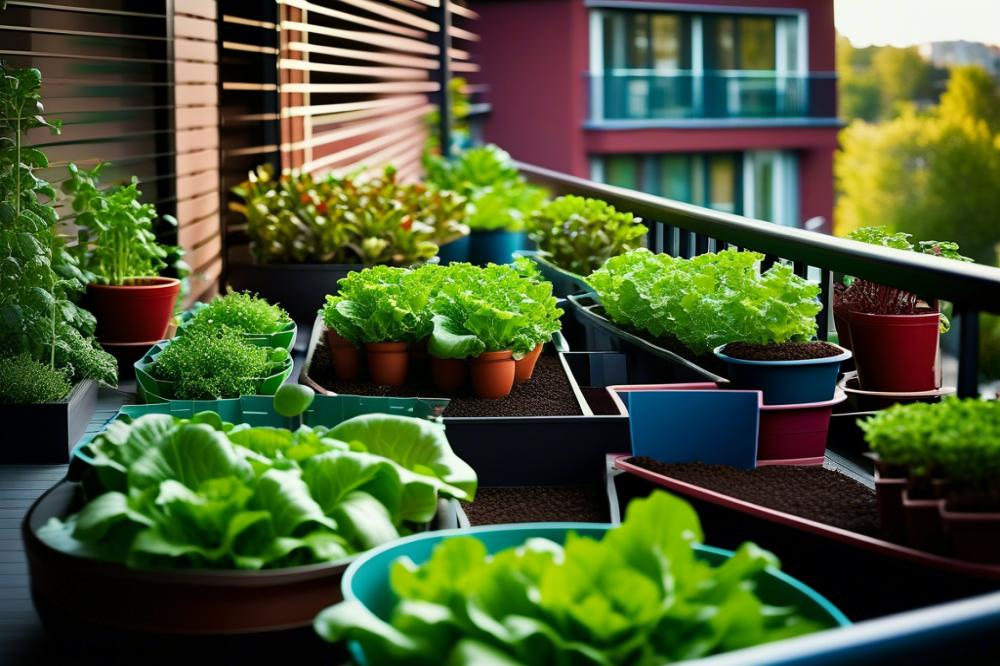
Container gardening offers fantastic opportunities for those living in urban areas. Urban spaces often mean limited ground for planting. However, using containers allows you to grow fresh greens right on your balcony or patio. This method also gives you more control over soil health. Selecting containers also adds creativity to the gardening experience.
Benefits of Container Gardening for Salad Greens
One significant advantage is mobility. Containers can be easily moved to catch the best sunlight throughout the day. Additionally, they allow for better pest management because it’s easier to inspect and treat smaller areas. Utilizing various containers also makes rotating crops simple. This practice helps in maintaining soil nutrient levels and prevents pests from becoming established.
Best Containers and Soil Mixes
Choosing the right container is crucial. Containers made of ceramic, plastic, or fabric all work well. Ensure they have adequate drainage holes. This prevents water from collecting at the bottom, which can harm roots. For the best soil mix, incorporate a blend of potting soil, compost, and perlite. This combination provides excellent drainage while retaining necessary nutrients. Remember, different crops have varying nutrient requirements.
Tips for Watering and Sunlight
Watering practices should be consistent yet adaptable. Check the moisture level daily, especially during warm months. Cool-season crops will often need less water. On the other hand, warm-season crops may require more frequent watering. Aim to water early in the morning or later in the evening to reduce evaporation. Sunlight is just as important. Most salad greens thrive with at least six hours of sunlight daily. Use window sills or a sunny outdoor spot for optimum growth.
Experimenting with different varieties can enhance your harvest. Try mixing seeds for diverse flavors and textures. Monitoring the growth regularly will help in deciding when to harvest. Appropriate harvesting techniques promote regrowth, allowing for continuous enjoyment of fresh greens. With these tips on container gardening, anyone can grow greens, regardless of space limitations.
Growing Tips and Techniques
Best Practices for Seeding and Transplanting
Start by selecting the right variety of cool-season crops for fall or spring planting. Ideal choices include spinach, lettuce, and kale. Pay close attention to seed depth; tiny seeds often need to be planted just below the surface. When transplanting seedlings, handle them gently to avoid damaging their delicate roots. Spacing is important. Each seedling should have enough room to grow, which prevents overcrowding and competition for nutrients.
Optimal Growing Conditions for Salad Greens
Light is crucial. Most greens prefer full sun, which means around six to eight hours of direct sunlight daily. Shoot for rich, well-draining soil that is packed with organic matter. Regularly check soil health by testing pH levels, keeping them in the ideal range between 6.0 and 7.0. Healthy soil promotes robust plant growth. Water consistently, keeping the soil moist but not soggy, especially during drier months. Adjustments to temperature are also important. Some varieties thrive in cooler weather, while others do better in heat.
Utilization of Growing Structures Like Greenhouses
Consider using greenhouses to extend your growing season. They provide a controlled environment, shielding plants from harsh weather conditions. This approach is particularly beneficial for warm-season crops that need extra heat. Container gardening is another option. It allows for easy movement and better drainage, which are essential for leafy greens. Use a quality potting mix that retains moisture while allowing air to reach the roots. Remember to rotate crops yearly to keep soil nutrient levels balanced and reduce the risk of pests. Regular reviews of pest management strategies will also help maintain the health of your plants.
Keep these growing tips in mind as you cultivate your greens year-round. Variety selection allows for not only a thriving garden but also a diverse harvest to enjoy. Additionally, employing effective harvesting techniques can prolong the productive life of your plants. Following these strategies helps create a sustainable solution for fresh greens in any season.
Pest Management Strategies
Many gardeners encounter pests that can quickly damage salad greens. Common offenders include aphids, snails, and whiteflies. These pests thrive in both cool-season and warm-season crops. Knowing what to watch for is half the battle when it comes to protecting your plants.
Organic and Chemical Pest Control Solutions
There are various pest control methods available. Organic solutions often include neem oil or insecticidal soap. These options can be less harmful to beneficial insects and soil health. Chemical pesticides also exist, but they require careful application. Reading the label is crucial for safety and effectiveness. Always consider the impact of chemicals on the surrounding environment.
Prevention Techniques and Companion Planting
Effective prevention is key for maintaining a healthy garden. Crop rotation helps interrupt pest life cycles. Changing where you plant each season minimizes risks. Companion planting is another strategy worth exploring. For instance, marigolds can repel certain pests and attract beneficial insects. Healthy soil is essential for robust plants that can withstand pest attacks. Nutrient requirements must be met through proper fertilization and amendments.
Container gardening can also be a good option. Limited space often means a more focused approach to pest management. Regular inspections of your plants can lead to early detection of any problems. Traps can be set up for unwanted visitors. Remember, prevention starts with variety selection. Choose robust plants known for disease resistance.
Harvesting Techniques
When to Harvest for Best Flavor
Timing matters when you want the best flavor from your greens. Most varieties prosper when harvested early in the morning after the dew has dried. This helps retain their crispness and flavor. For cool-season crops, such as spinach or arugula, pick them before they flower. This is usually before the weather gets too warm. Warm-season crops like lettuce can be harvested at any stage, but tender baby leaves often taste sweeter. As they mature, flavors can become more intense and even bitter. Aim to harvest just before the plants start to bolt for peak taste.
Best Methods for Cutting and Storing
Using proper techniques can make a difference in freshness. When cutting leaves, a sharp knife or scissors can provide a clean cut. Aim to snip leaves at the base, allowing the plant to continue growing. Avoid pulling or tearing, as this may damage the tissue. After harvesting, rinse the leaves gently to remove dirt and bugs. Dry them thoroughly, as moisture can lead to spoilage. For storage, place greens in a breathable container. A salad spinner lined with a paper towel works well. Keep them in the refrigerator’s crisper drawer for optimal freshness.
Encouraging Regrowth for Successive Harvests
Encouraging regrowth can extend the harvest season significantly. After you cut leaves, be sure to leave a portion of the plant intact. For many varieties, like leaf lettuce, this can prompt new growth. Regularly provide adequate watering and nutrients to keep plants healthy. This is crucial for container gardening as well, as soil health can diminish quickly. Crop rotation each season helps maintain soil fertility and reduces pest issues. You might want to stagger your sowing times to have different varieties ready at different stages. This practice offers a continuous supply and allows you to enjoy your labor longer.
Understanding these harvesting techniques will empower you to get the most out of your gardening efforts. With the right approach, you can keep your kitchen stocked with fresh produce year-round.
Crop Rotation and Succession Planting
Crop rotation plays a vital role in maintaining soil health. Changing the location of crops can help prevent diseases and pests that thrive in specific soils. Additionally, rotating crops improves soil fertility by varying nutrient extraction. For instance, legumes fix nitrogen in the soil, benefiting subsequent crops. Such practices are essential for a sustainable gardening approach.
Succession planting provides a continuous harvest of fresh produce throughout the year. Different crops thrive in different seasons. Cool-season crops like lettuce and spinach can be planted in early spring and late summer, while warm-season crops such as tomatoes and peppers are suited for the warmer months. Staggered planting ensures that your garden is never bare. Employing container gardening can also allow for greater flexibility in planting schedules.
Creating a seasonal garden calendar helps streamline the planting process. Take note of local growing zones and frost dates. This information will guide your variety selection. Knowing when to plant and when to harvest makes a significant difference. It also aids in pest management since many pests are seasonal. By understanding their life cycles, you can prepare better and protect your crops.
Pay attention to nutrient requirements as you plan your crop rotations. Different vegetables absorb varying nutrients from the soil. This variance means that following heavy feeders with light feeders can maintain balance. For example, after growing tomatoes, you might choose to plant a leafy green, which will utilize different soil nutrients. Adapting your planting strategy according to seasonal needs can optimize output.
Harvesting techniques can also change depending on the type of crop grown. Recognizing the difference between when to pick cool-season crops versus warm-season crops is crucial. Early morning is often the best time to harvest, ensuring freshness and flavor. By staying organized and informed, you can cultivate a thriving garden that offers bountiful crops year-round.
Wrap Up Your Garden Experience
Reflecting on the journey of cultivating fresh greens throughout the year, it’s clear that a few key points stand out. Choose the right varieties for each season, especially those suited for cool-season crops. Consider factors like sunlight, soil quality, and water needs as you plan your garden. These elements are crucial for ensuring a bountiful harvest.
Now is the perfect time to start your own garden. With the right methods, anyone can enjoy the process of growing their own food. Plus, it provides an excellent opportunity to connect with nature and learn about sustainability. You don’t need a large space; even a small container can work well.
Enjoying the fruits of your labor adds an entirely new level of satisfaction. Picture yourself tossing a fresh salad made from greens you grew yourself. It’s not just a meal; it’s a testament to your hard work and dedication. Dive into the growing tips shared in this article, and watch your garden flourish.
Every leaf harvested represents an achievement. So, embrace this wonderful journey. With patience and the right approach, your year-round salad garden can become a source of joy and nourishment.