Backyard Vegetable Plot Automation Made Simple
Importance of Home Gardening
Home gardening has gained popularity as people seek fresh produce and a connection to nature. Growing your own vegetables can offer numerous rewards. It allows you to control what goes into your food, ensuring you avoid harmful chemicals. Home gardening also encourages physical activity, which is beneficial for health. When people spend time in their gardens, they often feel more relaxed and content.
Benefits of vegetable garden automation
Automated gardening can simplify the process of maintaining a backyard plot. smart irrigation systems can water plants based on weather conditions. These systems help conserve water while keeping plants healthy. garden sensors play a crucial role in monitoring soil moisture. By tracking moisture levels, they inform gardeners when to water their plants, preventing over or under-watering. This not only saves time but also maximizes efficiency in the garden.
Hydroponics presents another innovative option for those interested in gardening technology. This method allows for soil-free growing, offering a unique way to cultivate crops indoors or in limited spaces. Automating garden planning can enhance the overall experience. By utilizing various tools, gardeners can focus more on enjoying their time outdoors rather than worrying about daily chores.
Overview of the Article
Throughout the article, we will explore how backyard gardening can be made simpler through automation. From the basics of soil moisture monitoring to more advanced systems like smart irrigation, we’ll discuss various technologies available today. Readers will learn practical tips to implement these ideas in their gardens. The aim is to inspire everyone to embrace sustainable gardening practices. With a little help from technology, anyone can enjoy a thriving vegetable plot with less hassle.
Understanding vegetable garden automation
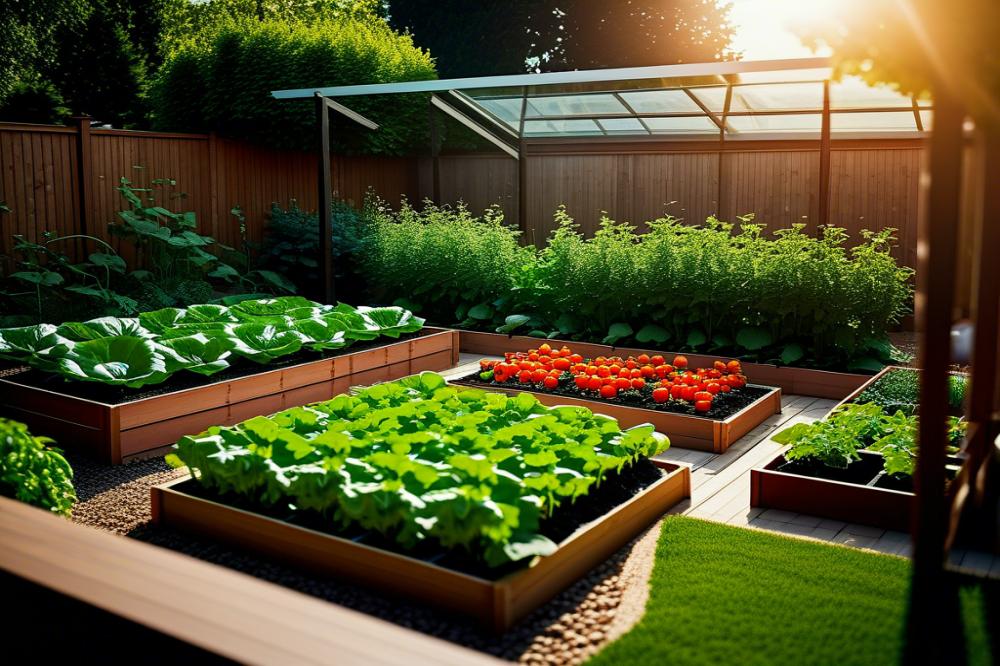
Vegetable garden automation refers to the use of technology to manage and care for plants. Its core idea is to reduce the time and effort required for planting, nurturing, and harvesting your crops. Many home gardeners are exploring this method for convenience and efficiency.
Key components play a significant role in this process. Smart irrigation systems help save water by delivering it precisely where and when it is needed. garden sensors can keep track of various factors, including temperature, humidity, and soil conditions. These tools form the backbone of effective garden planning.
People have started embracing gardening technology more than ever. Advances in hydroponics allow for the growth of vegetables without soil, using nutrient-rich water instead. Home gardening becomes much easier when you can monitor plant needs in real-time.
Automated gardening offers numerous benefits. With soil moisture monitoring, you can avoid overwatering or underwatering plants. This ensures that crops thrive while conserving resources. Additionally, automation frees up time for gardeners to focus on other tasks or hobbies. Sustainable gardening practices become more achievable with digital tools managing soil health and resource use efficiently.
Smart Irrigation Systems
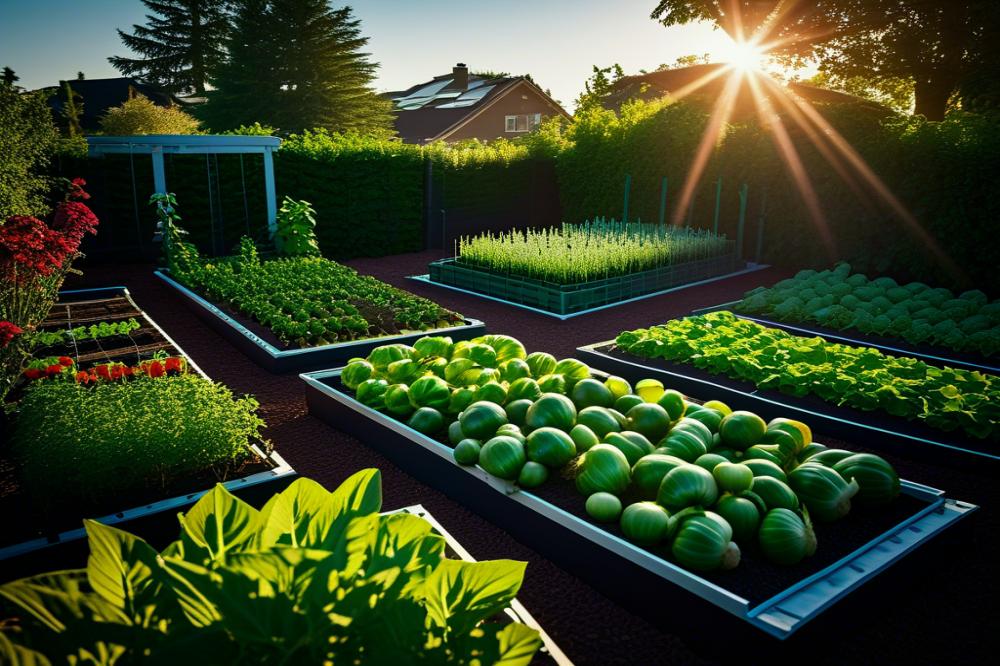
Smart irrigation systems revolutionize the way home gardening is approached. These systems automatically adjust the watering of plants based on specific conditions. This technology provides a more efficient way to maintain a vibrant vegetable plot. Watering only when needed saves water and promotes healthier plants. That efficiency benefits both the environment and your pocket.
Types of Smart Irrigation Systems
Many types of smart irrigation systems exist today. Drip irrigation is one option that minimizes water loss by delivering moisture directly to the roots. Sprinkler systems use timers to control when and where water is applied. Some advanced models even customize watering based on real-time data collected from various sources. These include local weather forecasts and soil moisture levels. Each system offers unique advantages for those interested in sustainable gardening.
Integration with Garden Sensors
Integration with garden sensors takes smart irrigation to the next level. These devices can track soil moisture levels throughout the day. They provide valuable feedback to the irrigation system for optimal watering times. When moisture dips below a certain threshold, the system activates to deliver water as needed. This seamless connection means that you don’t have to worry about over or under-watering your plants.
Adjusting Watering Schedules
Weather conditions greatly influence watering schedules in automated gardening. Smart systems can connect to local weather stations. They adjust to forecasted rainfall or temperature changes, allowing you to avoid unnecessary watering. Soil moisture monitoring also plays a vital role. When the soil is adequately moist, the system remains idle. This thoughtful adjustment maximizes water usage and helps maintain a thriving vegetable garden.
Garden Sensors and Soil Moisture Monitoring
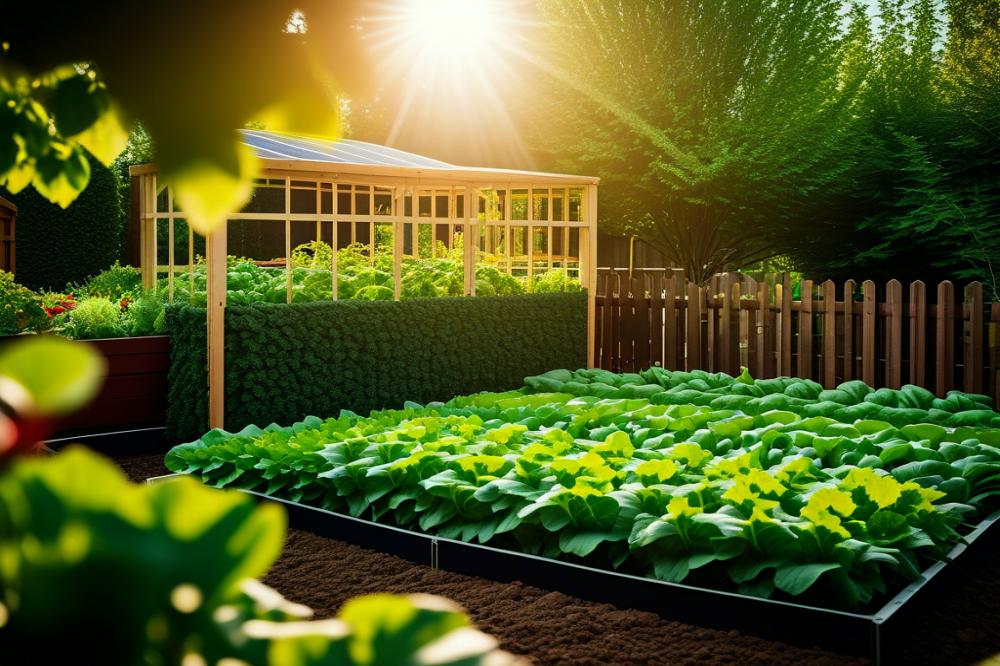
Garden sensors are tools that help home gardeners keep track of various conditions in their vegetable plots. These small devices can measure everything from temperature to light levels. Soil moisture monitoring is one of their key functions. By keeping an eye on moisture levels, gardeners can make better decisions. This technology supports sustainable gardening, as it reduces water waste and maximizes plant health.
Understanding soil moisture is crucial for any gardener. Water is essential for plant growth, but too much or too little can harm vegetables. Regular monitoring allows for precise irrigation. Automated gardening systems can adjust watering schedules based on soil needs. This method ensures plants thrive while conserving resources.
Types of Garden Sensors Available for Home Gardeners
Many types of garden sensors exist for serious home gardening enthusiasts. Soil moisture sensors are common and can be placed directly in the earth. They provide real-time data on moisture content. Temperature sensors help track ambient heat levels, while light sensors measure sunlight exposure. Some advanced models even connect to smart irrigation systems. This allows for automatic adjustments based on current conditions.
Additionally, sensors may be available for monitoring humidity and nutrient levels. These diverse tools make garden planning easier. Hydroponics systems often integrate sensors to monitor nutrient solutions closely. With various options available, gardeners can choose what suits their needs best.
How to Choose the Right Sensors for Your Vegetable Plot
Selecting the appropriate sensors for your vegetable plot is important. Start by assessing your plot’s specific needs. Think about what challenges you face. Do you struggle with overwatering? Or perhaps your plants need more sunlight? Answering these questions helps narrow down choices.
When shopping for sensors, consider compatibility with existing technology. Many modern sensors can sync with apps on smartphones. This feature allows for easy monitoring from anywhere. Also, check the sensor’s battery life. A longer battery life means less frequent maintenance for you.
Lastly, read customer reviews and gauge the effectiveness of different models. The right sensor can transform the way you approach gardening. With the help of these tools, vegetable plots can flourish more easily than ever.
Automated Feeding Systems
The integration of automated feeding techniques into home gardening marks a significant advancement in sustainable gardening. Many gardeners seek methods that simplify the nutrient delivery process. Automated systems can take the guesswork out of feeding plants. Feeding them accurately leads to improved growth and yield.
Different Methods of Nutrient Delivery
Nutrient delivery in a home vegetable plot can vary widely. Some gardeners use traditional liquid fertilizers applied manually. Others prefer nutrient-rich pellets that dissolve over time. In contrast, more advanced systems may rely on automated dispensers that release the right amount of nutrients based on a schedule.
The Role of Hydroponics
Hydroponics is a key player in the world of automated feeding. This method allows plants to grow in nutrient solutions rather than soil. By using gardening technology, hydroponic systems make it easier to precisely control nutrient levels. This technique often pairs well with garden sensors, ensuring that plants receive the exact nutrients they require for optimal growth.
Balancing Plant Nutrition with Automation
Balance is the cornerstone of successful automated gardening. It’s important to monitor conditions like soil moisture and nutrient concentration. Smart irrigation systems play a critical role in achieving this balance. They adjust water levels based on real-time data, contributing to healthy plant growth. Proper garden planning combined with monitoring techniques helps gardeners maintain the right nutrient levels.
Effective Garden Planning for Automation
Planning a vegetable plot with automation requires careful thought. First, consider what types of plants will thrive together. Some vegetables, like tomatoes and basil, benefit from being planted near each other. Others, however, may compete for the same resources. Keep plant compatibility in mind as you design your layout.
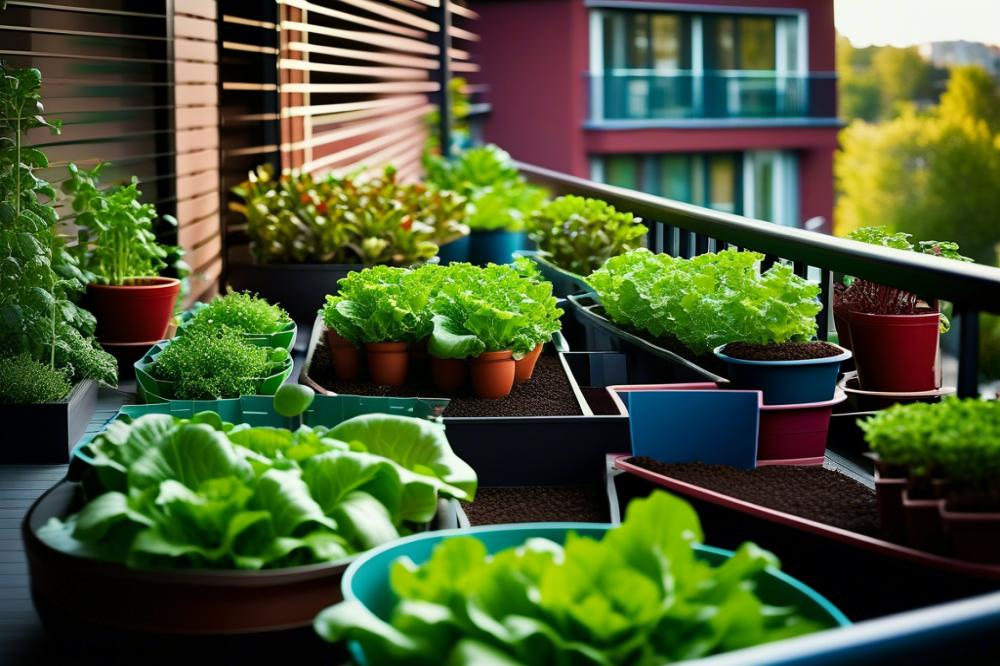
Assessing your space is crucial for successful home gardening. Measure the area you have available. If you’re working with limited space, techniques such as hydroponics can help maximize your yield. Utilizing vertical gardening methods, for example, may also allow you to grow a variety of crops while using fewer resources. Space management plays a significant role in how your automated systems are set up.
Seasonal Considerations in Automated Gardening
Seasons can greatly influence your garden’s productivity. Different crops have specific growing times; some flourish in cooler temperatures, while others require warmth. Implementing smart irrigation systems can help in maintaining optimal conditions. These systems adjust the watering schedule to fit seasonal changes, reducing water waste in the process.
Soil moisture monitoring technology can be beneficial during transitions between seasons. These sensors provide real-time feedback on moisture levels, guiding you on when to water. This proactive approach leads to healthier plants and better yields.
Tools and Apps for Garden Planning and Monitoring
Several tools and applications simplify garden planning. Garden planners can assist you in visualizing your layout, helping you optimize space effectively. Many of these apps offer features that track plant growth, suggest planting dates, and remind you when to harvest. Keeping digital records can streamline the gardening process significantly.
Moreover, gardening technology has evolved dramatically. Digital garden sensors can monitor not just soil moisture but also temperature and humidity. By implementing these tools, you create a more responsive and resilient growing environment. When combined with automated systems, your vegetable garden automation journey becomes much easier.
Sustainable Gardening Practices with Automation
Automation is changing how many people approach sustainable gardening. Using advanced technology, gardeners can create efficient systems that minimize waste. This not only saves resources but also yields healthier vegetables.
Smart irrigation systems play a key role in this transformation. These systems can be programmed to deliver water precisely when and where it’s needed. By monitoring soil moisture levels, they reduce unnecessary water use. Homeowners can now enjoy lush gardens while being mindful of their local water supplies.
Garden sensors can track various conditions such as humidity and light levels. This data helps plant owners make informed decisions about their vegetable plot. For example, automated gardening tools can alert users when conditions are right for watering or when to harvest. These tools improve plant health and increase overall yield.
Environmental Benefits and Community Impact
Vegetable garden automation also brings positive changes to the environment. By lowering water consumption and fostering healthy ecosystems, these practices support sustainable gardening goals. Reduced resource waste leads to smaller carbon footprints and contributes to soil preservation.
Community gardens benefit as well. When neighbors unite to share knowledge about gardening technology, food production becomes a shared experience. Hydroponics and other innovative techniques introduce new ways to grow fresh produce without exhausting local resources. Community gardens that adopt these technologies can inspire others to do the same.
In addition to environmental advantages, automated gardening enhances food security. Families can grow their own food at home, reducing reliance on grocery stores. The ease of garden planning through technology enables more people to contribute to their local food systems.
Wrapping It Up
Backyard vegetable plot automation makes gardening easier and more efficient. Remember the key points we’ve discussed: garden sensors can help monitor soil moisture and adjust watering needs, while smart irrigation systems can save water and time. These technologies not only simplify tasks but also boost your garden’s productivity.
Adopting gardening technology is a smart move for anyone interested in growing their own food. New tools and gadgets can enhance your experience and yield. You don’t need to be an expert; many options available are user-friendly.
Looking ahead, the future of sustainable gardening looks bright. Innovations will continue to emerge, making it easier for everyone to cultivate their own food. As more people embrace these changes, we can all play a role in promoting an eco-conscious lifestyle. Investing in tools for automation today could lead to a more fruitful garden tomorrow. With a bit of technology by your side, gardening can become an enjoyable and rewarding adventure.