
cherry trees in Your Garden: Managing Frost, Birds, and Proper planting depth
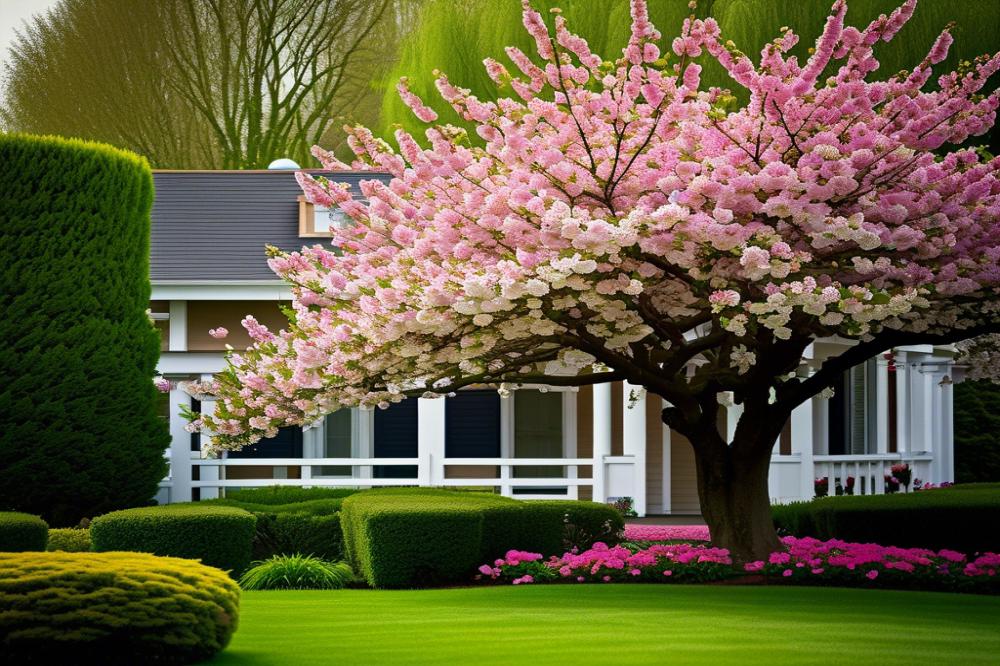
Growing cherry trees can bring immense joy to any garden. Their stunning cherry blossom displays capture the essence of spring and offer a visual feast for all who pass by. In summer, the sweet, juicy fruits provide a delicious reward for the patience and care you’ve dedicated to nurturing these trees. However, the journey to cultivate this beauty is not without its hurdles.
Seasonal changes pose challenges. frost management is critical in early spring; unexpected frosts can harm delicate blossoms. Protecting these blooms is essential for a fruitful harvest later on. Additionally, birds are attracted to the ripe cherries, often swooping in to enjoy your hard work. Implementing bird deterrent strategies can safeguard your crop against these feathery intruders.
Planting depth is another key factor to consider when establishing cherry trees. The right depth affects root development and overall health. Understanding soil requirements also plays a pivotal role in growth. Successful cherry cultivation requires awareness of these elements, as well as pollination strategies that can impact fruit yield.
Garden care goes beyond planting; it involves regular maintenance to support healthy development. Proper fruit tree maintenance ensures not just surviving, but thriving in your backyard. Adopting thoughtful planting tips can transform your small space into a flourishing oasis of blossoms and fruit. With a bit of attention to these factors, gardening enthusiasts can enjoy the best that cherry trees have to offer.
Understanding Cherry Trees
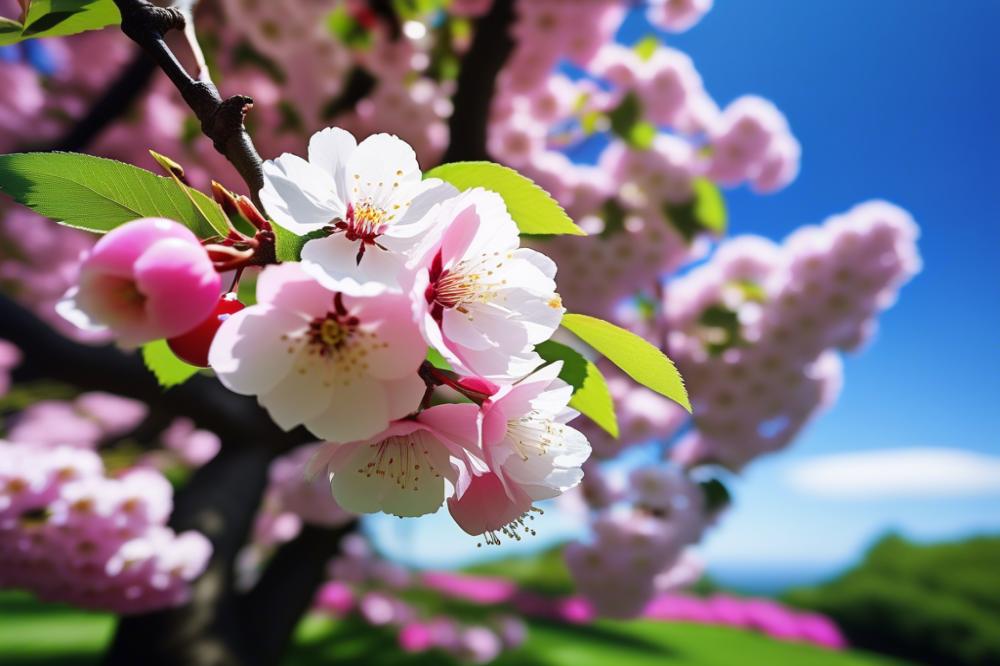
Cherry trees add beauty and charm to any home garden. Various varieties thrive in different climates, making it easier to choose the right fit. Sweet cherries, such as Bing and Rainier, are perfect for eating fresh, while sour cherries like Montmorency are great for pies and jams. There are ornamental types, too, known for stunning cherry blossom displays. Each variety has its own unique needs.
Soil Requirements
Soil quality plays a vital role in the health of these trees. A pH level between 6.0 and 7.0 works best for most cherry varieties. Well-draining soil is essential to avoid waterlogged roots. Sandy loam or clay mixed with organic matter can be ideal. Drainage helps prevent root rot, which is a common issue. Garden care should focus on testing soil to determine any amendments needed.
Pollination
Pollination affects fruit production significantly. Some sweet cherry varieties require a partner to produce fruit; others are self-pollinating. Planting tips include placing different varieties close together to increase the chances of cross-pollination. Birds, while lovely, often eat ripe cherries, making a good bird deterrent important. Netting or reflective tape can help keep them at bay, allowing trees to bear more fruit.
Seasonal Care
Managing frost protection is crucial, especially in early bloom stages. Many cherry blossoms can be vulnerable to late frosts. To help minimize damage, consider covering trees with blankets or row covers during cold nights. Proper planting depth is also vital; roots should be placed just beneath the soil surface. Following these guidelines aids in ensuring healthy growth.
Fruit Tree Maintenance
Regular care throughout the seasons can greatly enhance fruit yield. Pruning is necessary to promote air circulation and light penetration. This also helps in managing pests and diseases. Watering regularly during dry spells keeps trees hydrated, especially during fruit development. Keeping a close eye on your garden allows for timely interventions, whether handling pests or adjusting water levels.
Frost Protection
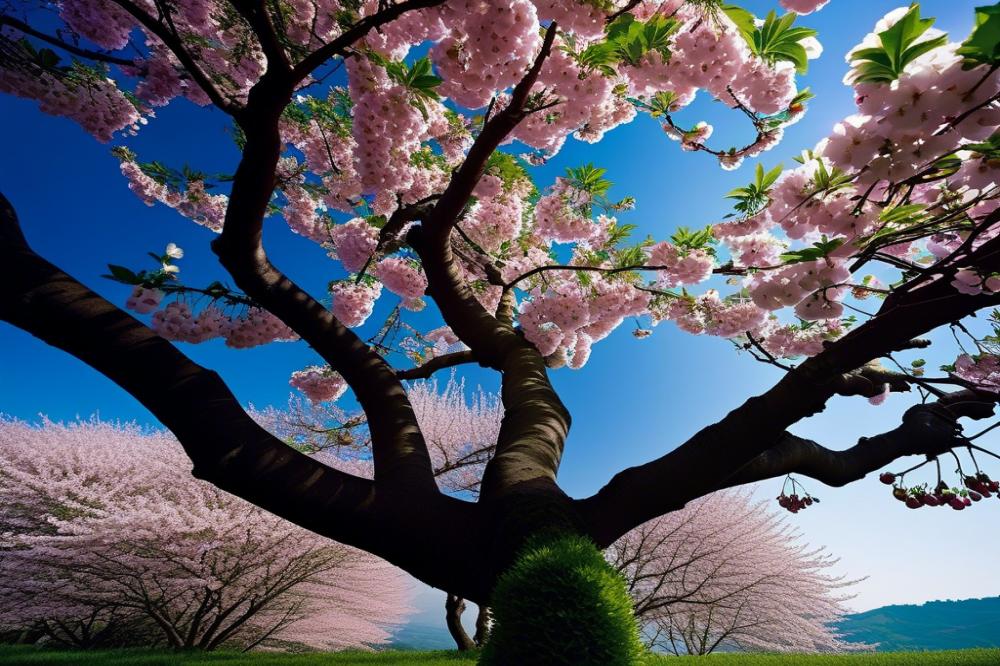
Frost can be particularly detrimental to flowering cherry trees. Late frosts often arrive just when the blossoms are doing their best to open. During this vulnerable time, temperatures can drop suddenly, killing delicate flowers and reducing fruit yield. Understanding the risks of frost is crucial for effective garden care.
There are several strategies to protect those lovely blossoms. One effective method involves covering the trees with frost cloths, especially during cold nights. These cloths act like blankets, trapping warmth and shielding blossoms from cold air. Additionally, choosing frost-resistant varieties can make a difference. Some types are more resilient and less affected by spring frosts.
Timing is another important factor. Planting your trees at the right time can reduce the risk of frost damage. Late winter or early spring is ideal for planting, as it allows roots to establish before the flowering season. With the right planting depth, trees can better withstand temperature fluctuations. Soil requirements play a role too; well-drained soil can help prevent frost from lingering around the roots.
Also, consider the positioning of your trees. If you plant them in areas where cold air naturally drains away—like hilltops or slopes—you can decrease the chances of frost damage. Careful monitoring of weather forecasts helps too, so you can prepare before a frost hits.
Incorporating bird deterrents can also be part of your frost protection strategy. While birds can harm blossoms, their presence might also alert you to temperature drops. Intervening with protective measures, based on bird behavior, is a smart gardening tactic.
Managing Birds
Birds can pose a significant threat to ripening cherries. Their beaks are well-suited for pecking, which means cherries are a tempting target. A single flock can strip a tree of its fruit in no time. Gardeners need to stay vigilant during the fruiting season to protect their harvest. Monitoring bird activity is crucial for timely interventions.
One effective bird deterrent method is netting. This can create a physical barrier that keeps birds away from the cherries. It’s important to secure the edges well, as birds are clever and might find a way in if there is an opening. Scare devices also help. Hanging shiny objects like aluminum foil strips or old CDs can create reflections that confuse birds and make them think twice about approaching.
Another strategy for keeping birds at bay is companion planting. Certain plants, such as marigolds, may deter birds while attracting beneficial insects that enhance pollination. Strategic garden care can create an environment that favors your fruit trees instead of unwanted visitors. Planting depth plays a role as well; deep-rooted plants can compete for resources and offer additional ground cover.
During the critical weeks as the cherries begin to ripen, vigilance is key. Set aside time to observe any bird patterns in your yard. If you notice a rise in bird activity, take action immediately. Effective fruit tree maintenance requires a proactive approach. Keeping an eye on both your trees and the sky can lead to a more fruitful harvest.
Proper Planting Depth
The significance of planting depth cannot be overstated when it comes to establishing a healthy cherry tree in your garden. Roots will struggle if planted too deep. Conversely, if placed too high, the tree may not anchor securely and could tip over in strong winds.
Improper planting can lead to detrimental root issues. A tree that sits too deep may experience suffocation. Water and nutrients become less accessible when roots cannot reach the soil effectively. As a result, tree health can decline, leading to stunted growth and even increased susceptibility to disease.
To avoid these problems, follow specific planting tips. Start by digging a hole that is twice as wide as the root ball. The depth should be just enough to nestle the roots comfortably without burying the graft union. This is the swollen area where the root stock meets the scion.
Positioning the root ball correctly is crucial. When placing the tree in the hole, the top of the root ball should be level with, or slightly above, the soil line. This allows for proper aeration and drainage. Gently loosen any tightly bound roots before planting to encourage healthy growth.
Paying attention to soil requirements can also enhance growth. Well-draining soil will promote strong root development. Consider mixing in compost when preparing the hole to enrich the planting environment further. This boosts nutritional content while improving the overall structure.
Ongoing garden care is necessary after planting. Monitor the moisture level during dry spells but avoid overwatering. Introducing a bird deterrent may also be a good idea, as birds can cause damage by pecking at young trees. Regularly check for any signs of pests or disease.
Seasonal care should not be neglected. Protect your young tree from frost, especially during its first few years. Mulching around the base can provide insulation during colder months. Fertilizing appropriately during the growing season supports health as well.
Understanding pollination is another essential aspect for those looking to harvest fruit. Some cherry tree varieties need a pollinator nearby to produce fruit. Check compatibility to increase your chances of a successful harvest.
Taking these steps leads to better fruit tree maintenance and allows for the vibrant bloom of cherry blossoms in the spring. Healthy roots and proper planting practices lay the foundation for a thriving tree in your garden.
Garden Care and Fruit Tree Maintenance
Cherry trees require thoughtful seasonal care to thrive and produce fruit. Regular attention throughout the year can make a significant difference. Start with pruning, which is vital for healthy growth. Removing dead or overcrowded branches helps promote better air circulation. This process encourages sunlight to reach the leaves, boosting overall vitality.
When it comes to pruning, timing is key. Late winter or early spring is the best time to shape the tree before the blossoms appear. Make clean cuts at an angle to prevent diseases. A well-pruned tree also produces more fruit, making this step essential for any gardener aiming for a fruitful harvest.
Watering is another critical aspect of garden care. It’s important not to overdo it. Both young and established trees need consistent moisture, especially during dry spells. The goal is to keep the soil evenly damp but never soggy. Mulching around the base can help maintain soil moisture, regulate temperature, and suppress weeds. Organic materials, such as wood chips, work well for this purpose.
Fertilizing plays a role in ensuring proper growth and yield. Soil requirements vary based on the specific type of soil in your garden. Testing the soil helps you understand what nutrients are lacking. Commercial fertilizers often contain the necessary elements for healthy fruit production. However, organic alternatives can also be effective.
Bird deterrents can safeguard your cherries from winged raiders once the fruit begins to appear. Reflective tape or netting can discourage birds from munching on your precious harvest. Strategies like these can protect your yield at a crucial moment.
Frost protection is vital for the health of cherry trees, especially during early bloom. A late frost can damage delicate blossoms and reduce fruit production. Covering young trees with frost cloth or using row covers can offer protection. It’s also helpful to choose a planting depth that allows roots to anchor securely while preventing frost damage.
Lastly, consider the importance of pollination. Some cherry varieties are self-pollinating, while others require a partner for fruitful yields. Planting tips suggest having at least two trees nearby if your variety demands cross-pollination. Discussing these details with a local nursery can yield valuable advice.
Final Thoughts
Managing cherry trees in your garden can be both rewarding and challenging. A few simple yet vital practices can lead to a lush, fruitful environment. Understanding how to protect your plants from frost is essential. Using protective coverings or planting in a frosty area can make a significant difference.
Birds can be a nuisance, often eager to nibble on ripe fruit. Consider employing a bird deterrent strategy to safeguard your harvest. These methods can range from physical barriers to reflective materials that frighten them away.
Paying attention to planting depth also plays a crucial role in a tree’s health. Ensure that you plant at the correct level to encourage strong root development. This foundational aspect is key to a thriving garden.
With a bit of care and consideration, cherry trees can transform any yard into a beautiful and productive space. Their blossoms bring incredible beauty, and their fruit offers delightful rewards. Embrace the joys of gardening, and watch as your efforts bloom into a harvest worth savoring.


