Introduction
In recent years, DIY automation has gained popularity among backyard gardening enthusiasts. Growing vegetables and fruits can be immensely rewarding. However, without the right approach, it often becomes labor-intensive and time-consuming. Automating certain tasks can streamline the process and make gardening more efficient. This modern twist on traditional gardening techniques has significant benefits that can appeal to any gardener.
Time savings are one of the main advantages. With automated watering systems, for instance, one can avoid spending hours each week maintaining moisture levels in the soil. Smart irrigation systems collect data from garden sensors, allowing homeowners to program the perfect watering schedule. Knowledge of soil moisture empowers gardeners to provide exactly what plants need, without guesswork.
In addition to efficiency, sustainability plays a vital role in this approach. Implementing hydroponics and vertical farming is an eco-friendly alternative to conventional growing methods. These systems require less water and can produce a higher yield in smaller spaces. By adopting such innovations, enthusiasts contribute to a healthier environment while enjoying the fruits of their labor.
Automation also enhances plant health. Climate control technologies help create optimal conditions for growth. This can significantly reduce the risk of disease and promote vigorous growth in fruit and vegetable plants. When plants thrive, gardeners enjoy a bountiful harvest, and that satisfaction makes the effort worthwhile.
Blending technology with backyard gardening creates a unique experience for many. Embracing these advancements does not mean abandoning traditional methods. Instead, they provide new tools to improve outcomes. Integrating automation into gardening practices is a step forward that can benefit both the gardener and the planet.
Understanding DIY automation
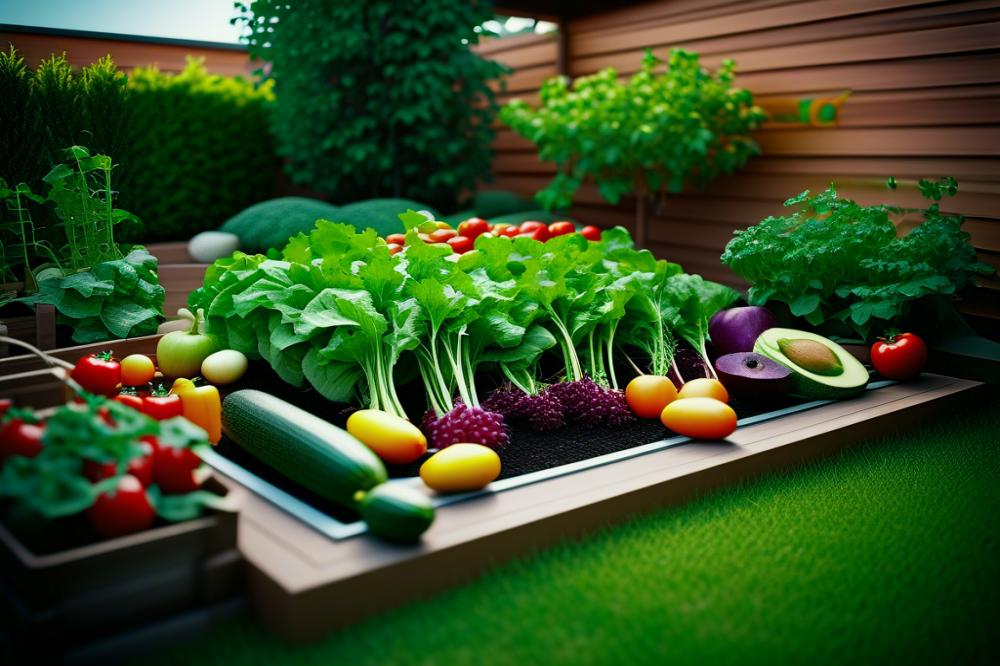
DIY automation in gardening refers to the use of technology to make growing plants easier. This concept has gained traction as more gardeners turn to innovative solutions. By using automated techniques, gardeners can optimize their backyard vegetable growing and fruit growing efforts.
Smart Irrigation Systems and Automated Watering
Smart irrigation systems are revolutionizing how we water our gardens. They can detect when plants need water and deliver exactly the right amount. Automated watering techniques help save time and reduce waste. These systems adjust based on weather conditions, making them ideal for sustainable gardening practices.
Garden Sensors and Soil Moisture Monitoring
Garden sensors play a crucial role in monitoring soil moisture. These devices measure how wet or dry the soil is at various depths. When moisture levels drop too low, the sensors can trigger watering systems. This real-time data allows for better management of resources and improves plant health.
Importance of Climate Control
Climate control becomes essential in vegetable and fruit growing. It helps regulate temperatures and humidity levels. By managing these factors, gardeners can create ideal conditions for plants to thrive. Techniques such as hydroponics and vertical farming can also benefit from controlled environments.
Understanding these concepts can empower any gardener to optimize their growing experience. Automation offers practical solutions to common gardening challenges. Embracing technology can lead to healthier plants and a more enjoyable gardening journey.
Implementing Automated Watering Systems
Types of Automated Watering Systems Suitable for Home Gardens
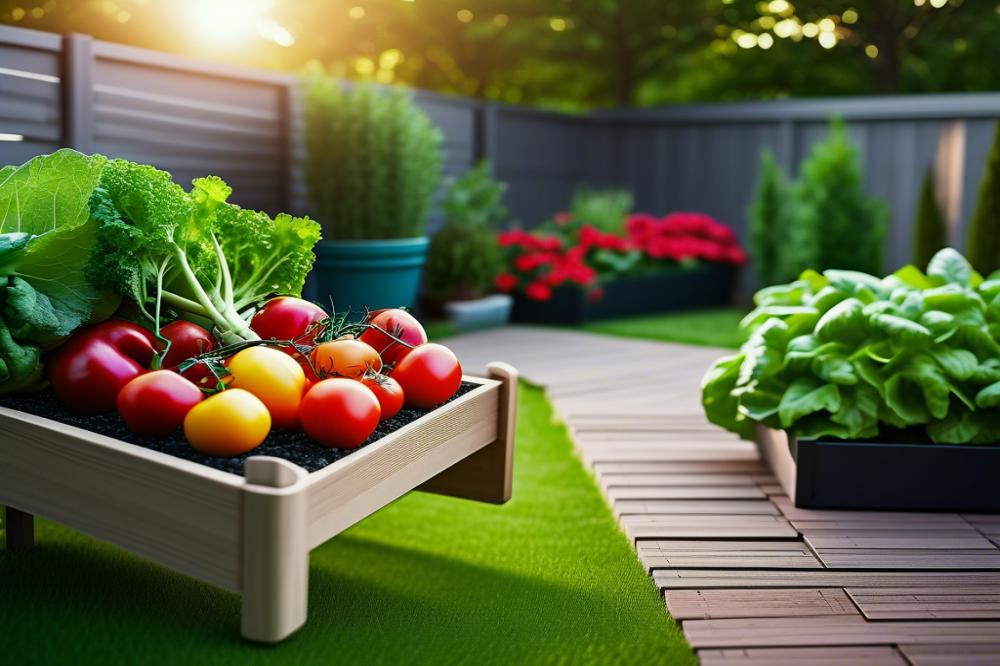
Gardening can be more efficient with the right automated watering systems. Drip irrigation is popular among vegetable growing enthusiasts. This method delivers water directly to the plant roots, reducing waste. Sprinkler systems cover larger areas and can be adjusted as needed. For fruit growing, soaker hoses often work well. These hoses allow water to seep out slowly, keeping the soil moist. Hydroponics and vertical farming setups may require specialized systems. Smart irrigation technology can be valuable. It adapts watering schedules based on weather conditions. Garden sensors measure soil moisture and help manage watering.
Step-by-Step Guide on Setting Up Drip Irrigation and Sprinkler Systems
Installing drip irrigation isn’t overly complicated. Follow these simple steps to get started. First, lay out your garden bed and plan the drip lines. Next, purchase the necessary components such as tubing, drippers, and connectors. Once you have everything, connect the tubing to a water source. Be sure to distribute the drippers evenly for healthy plant growth. Secure the lines in place using stakes. For sprinkler systems, select a suitable location. Check for existing water access points nearby. After positioning the sprayers, connect them to a timer. Regularly test the system to adjust the output as needed.
Benefits of Using Timers and Moisture Sensors for Optimal Watering
Incorporating timers into your watering system brings convenience. Watering at set intervals helps maintain a consistent schedule. This is especially beneficial during hotter months. Moisture sensors provide accurate readings of soil conditions. This technology reduces excess watering, promoting sustainable gardening practices. Both timers and sensors work together seamlessly. You can ensure that plants receive just the right amount of hydration. Healthier plants lead to better yields, whether for vegetables or fruits. This balance can significantly enhance your gardening experience.
Case Studies or Examples of Successful Installations in Home Gardens
Many homeowners have embraced automated watering systems. One case involved a family eager to grow organic vegetables. They installed a smart irrigation system that adjusts based on the weather forecast. Their garden thrived, even during a hot summer. Another successful example comes from a fruit-growing enthusiast. By using soil moisture sensors, this gardener reduced water waste significantly. The system monitored moisture levels, providing water only when necessary. Results showed a more fruitful harvest. These installations prove how effective automated watering can be in home gardens.
Feeding Your Plants with Automation
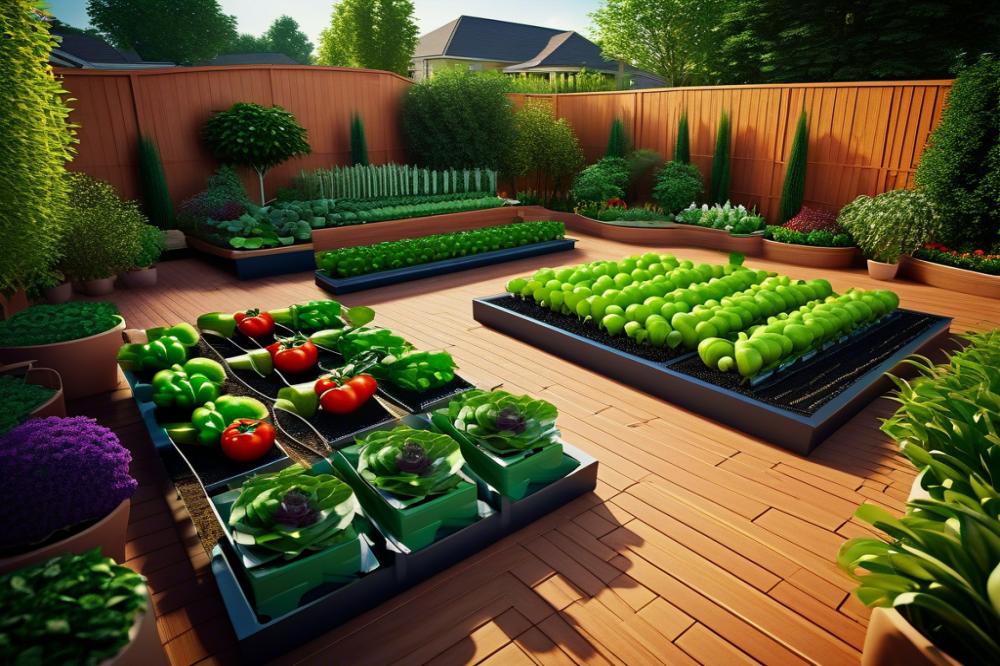
Plants need nutrients just like we do. Understanding the nutritional needs of vegetable and fruit plants is vital for a successful garden. Each type of plant has specific requirements for growth. For instance, tomatoes thrive on potassium, while leafy greens enjoy nitrogen. Soil testing can help you determine what your garden needs.
Automated feeding systems provide a modern solution to meet these needs. Several options exist, including hydroponics and vertical farming. Hydroponics allows plants to grow in nutrient-rich water without soil. Vertical farming maximizes space by stacking plants in layers. Both methods can revolutionize how you think about sustainable gardening.
DIY solutions can make nutrient delivery even simpler. Creating a simple automated watering system can integrate nutrient delivery. Many people use fish tanks or compost teas as natural fertilizers. Plumbing in drip irrigation can help target roots directly. This approach reduces waste and increases efficiency.
Don’t forget about garden sensors. They play a crucial role in monitoring nutrient levels. Soil moisture sensors notify you when to water. When paired with temperature and humidity sensors, they can help maintain climate control. This technology ensures your plants receive the utmost care.
Smart irrigation systems take automation further. These systems can connect to local weather data, adjusting watering schedules based on rainfall. Automatic dispensers for fertilizer can also be programmed based on specific nutrient requirements. This strategy supports both vegetable growing and fruit growing with precision.
Maintaining balance in your garden promotes healthier plants. By utilizing these techniques, you can create an efficient and productive environment for your fruits and vegetables. Feeding your plants with automated solutions can lead to bigger harvests and reduced labor.
Sustainable Gardening Through Automation
The role of automation in home gardening is growing. More people are exploring sustainable gardening practices. Smart technologies can assist them in areas like vegetable and fruit growing. For example, smart irrigation techniques are transforming how water is used. Homeowners can conserve water by using systems that adjust based on soil moisture. These systems help maintain the right level of hydration without waste. Garden sensors also play an important role in monitoring environmental conditions.
Integrating composting with automated solutions is another exciting avenue. Automated bins can manage organic waste efficiently. They speed up the composting process, allowing gardeners to create nutrient-rich soil without much effort. Additionally, these systems can provide data on what materials break down best. Educating gardeners on proper composting can lead to better soil health.
Water Conservation Techniques
For those interested in smart irrigation, it offers various benefits. Users can program automated watering systems to water when conditions are ideal. This minimizes water usage, making it an eco-friendly choice. By using technology, gardening can minimize its impact on our planet. Hydroponics systems also find their place in discussions about sustainable practices. They allow for growing fruits and vegetables without soil. Instead, nutrients are delivered directly to the plants in a controlled manner.
Vertical farming is on the rise, especially for urban gardeners. This technique optimizes space by stacking plants in layers. With automation, it can become even more efficient. Automated climate control within these structures creates an optimal environment for growth. Various plants can thrive without needing tons of land.
Reducing Waste and Resource Use
Incorporating automated systems in the garden does more than just save water. It supports the idea of reducing waste and resource use. Composting helps keep organic materials out of landfills. This means fewer emissions from waste decay and lower overall landfill contributions. Sustainable gardening is about creating a circular system where nutrients are reused. Each step in this process reflects a commitment to the environment.
Utilizing technology takes the guesswork out of gardening. The added precision can lead to healthier plants. Comprehensive practices like these not only benefit individual gardens but can also inspire communities. As more people adopt these methods, there’s potential for positive environmental impact. Smart gardening solutions can change traditional approaches and encourage sustainable actions.
Future Trends in DIY Automation for Backyard Gardens
Innovative technologies are changing how home gardeners grow vegetables and fruits. New tools are being developed to help people manage their gardens more efficiently. Smart irrigation systems stand out as a prime example. These systems can automatically adjust water flow based on real-time conditions, saving both time and water.
Another exciting trend is the use of garden sensors. These devices can monitor soil moisture levels. When the soil gets too dry, they send alerts or activate automatic watering systems. This kind of technology makes it easier for gardeners to maintain their plants without constant supervision. The benefits extend to hydroponics as well. Growing plants without soil can be automated, providing the perfect nutrient levels for optimal growth.
Climate control tools are also on the rise. Home gardeners can now regulate temperature and humidity more effectively. These tools make vertical farming viable even in smaller spaces. They allow for year-round production of various fruits and vegetables, regardless of weather conditions outside.
Community involvement is also becoming a big part of this trend. Local gardening groups share tips and tricks for using these new tools. Workshops and online forums provide valuable information on smart gardening techniques. People can learn from each other, creating a sense of camaraderie among urban growers.
As these technologies improve, sustaining our gardens will be easier. Smart technology will help conserve resources while maximizing produce. Accessible knowledge and community support can boost awareness of sustainable gardening practices. The future looks bright for backyard gardeners eager to embrace these advancements.
Final Thoughts on Backyard Automation
In summary, automating processes in backyard vegetable growing presents numerous advantages. More than just convenience, these systems boost efficiency and enhance plant health. Home gardeners can save time, reduce waste, and even enjoy a more bountiful harvest. With the right tools, it becomes easier to manage watering schedules and monitor plant conditions.
Adopting automation techniques can transform your gardening experience. Simple devices can handle tasks that usually take considerable effort, allowing individuals to focus on enjoying the fruits of their labor. Imagine spending less time watering and more time tasting the sweetness of home-grown fruit. Engaging with technology can streamline gardening tasks and promote sustainable practices.
The future of home gardening looks bright. As more people explore these innovative solutions, we may witness a shift in how we approach food production at home. Environmental awareness will play a role in shaping these advancements. Embracing this blend of nature and technology is vital for the next generation of gardeners. By working together, we can cultivate not only delicious crops but also resilient ecosystems.