
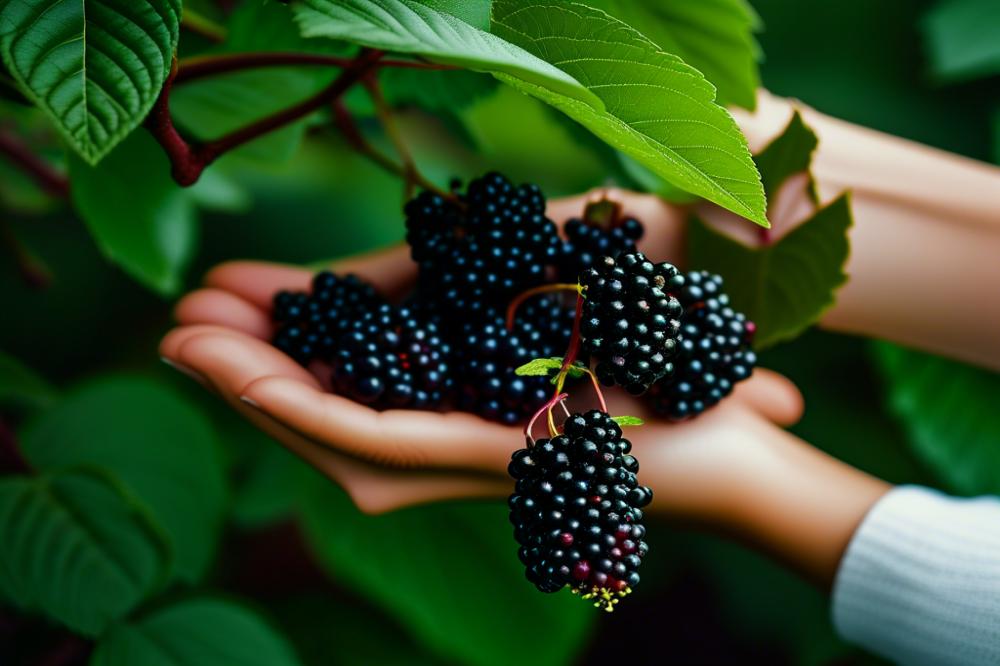
elderberries and fertilization: Feeding Your Plants for Maximum Yield and Flavor
elderberries have gained popularity among home gardeners and chefs alike. These small, flavorful fruits are not only delicious but also packed with health benefits. People often seek them for their medicinal properties, making them a sought-after crop. As interest in sustainable gardening grows, many are looking for ways to cultivate these plants effectively.
Understanding proper fertilization is crucial for anyone wanting to grow elderberries. Effective plant nutrition directly affects both yield improvement and flavor enhancement. Healthy plants produce more fruit, and those fruits are often tastier. Fertilization can dictate the overall success of your gardening efforts.
This article will provide essential tips and guidelines for caring for your elderberries. We will explore nutrient requirements and discuss how to maintain soil health. Using organic fertilizers will be emphasized as a way to promote sustainable gardening practices. Readers will also find practical harvesting techniques, ensuring every bit of potential from their plants is utilized.
Our approach will help both novice and experienced gardeners understand the intricate relationship between fertilization and plant health. Let’s dive deeper into how best to nourish your elderberry plants for bountiful yields and superior flavor.
Understanding Elderberries
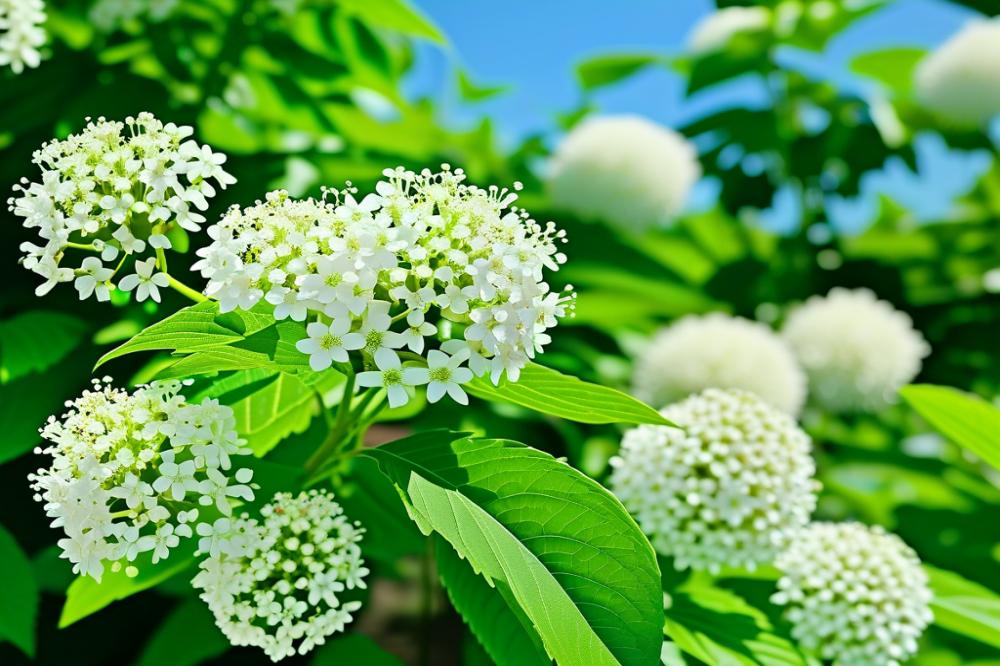
Elderberry plants have a distinctive beauty. These deciduous shrubs typically reach heights of 6 to 12 feet, with a bushy form. Blooming in late spring, they produce large clusters of small white flowers. These eventually develop into dark purple berries. Their habitat prefers moist, well-drained soils and partial sun exposure, making them suitable for gardens, borders, or hedgerows. Gardening tips emphasize their adaptability, but they thrive best in USDA hardiness zones 3 to 7.
Specific nutrient requirements play a critical role in their growth. Plants absorb nitrogen, phosphorus, and potassium in high amounts. An adequate nitrogen supply promotes lush, healthy foliage. On the other hand, phosphorus contributes to root development and flowering. Potassium enhances the plant’s overall health, making nutrients available when needed most. Using organic fertilizers can provide these vital nutrients while promoting soil health.
Soil health is vital for elderberry care. Healthy soil supports microbial life, which aids in nutrient uptake. Compacted or poor-quality soil can significantly stunt growth and reduce yield improvement. Amending soil with compost or well-rotted manure improves structure and adds essential nutrients. Regular testing can help you understand your soil’s composition and its impact on growth.
Practicing sustainable gardening ensures the long-term success of your elderberry plants. Rotating crops and planting cover crops can protect and enhance soil quality. Furthermore, proper watering during dry spells encourages strong root development and resilience. When harvesting berries, it’s best to wait until they are fully ripe for maximum flavor enhancement. Knowing these key elements leads to successful elderberry cultivation and can turn your garden into a productive oasis.
plant nutrition and soil health
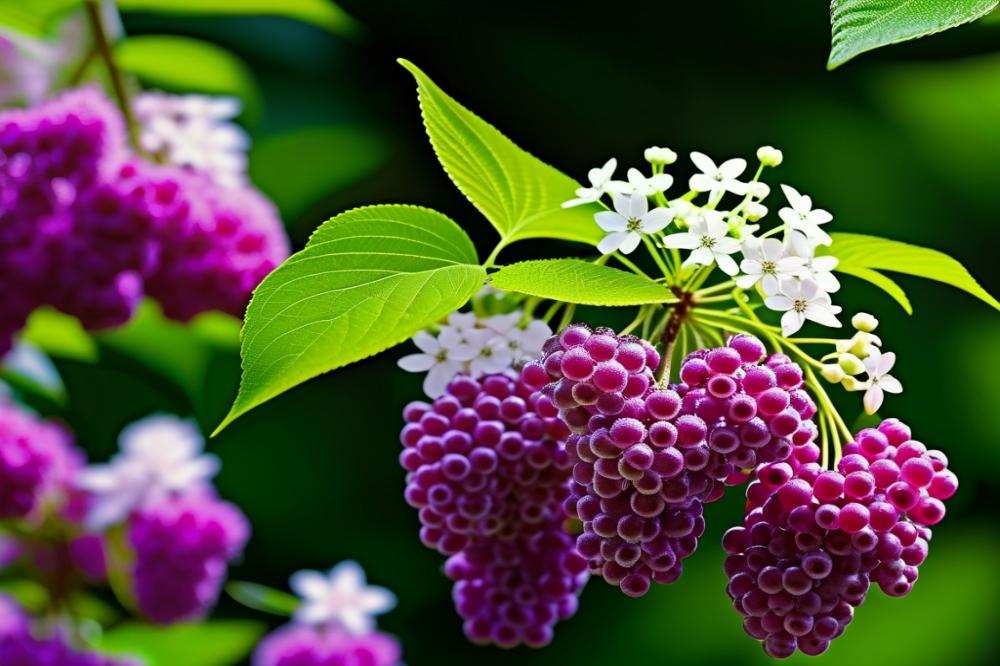
Every plant has specific nutrient requirements, and elderberries are no different. Key nutrients include nitrogen, phosphorus, and potassium. These three elements play vital roles in overall plant health. Nitrogen encourages leaf growth, while phosphorus supports root development and flowering. Potassium aids in building strong stems and ripening fruit. Micronutrients also matter. Elements like iron, manganese, and zinc contribute to the plant’s well-being.
Soil health directly affects how well plants can absorb these nutrients. Healthy soil is rich in organic matter and promotes beneficial microorganisms. These tiny helpers break down nutrients, making them accessible to roots. Without good soil health, vital nutrients may remain locked away, leaving plants stressed and underperforming. Investing in soil quality means investing in your garden’s success.
Testing soil can provide essential insights into its nutrient content. Simple home test kits are available at garden centers. These kits can reveal pH levels and nutrient deficiencies. After testing, there are various ways to improve soil quality. Adding organic fertilizers, like compost or well-rotted manure, can replenish nutrients. Mulching improves moisture retention and soil structure.
Gardening tips for elderberry care include rotating crops and cover cropping. These practices can naturally enhance soil health while reducing pests. Also, consider using sustainable gardening methods. They support both the ecosystem and your plants, leading to yield improvement and flavor enhancement. Understanding plant nutrition and how to maintain healthy soil is essential for thriving elderberries.
Fertilization Strategies for Elderberries
Overview of Organic Fertilizers Suitable for Elderberries
Organic fertilizers play a crucial role in plant nutrition. Various options exist that cater to elderberry care. Compost is a popular choice. It enriches soil health and improves moisture retention. Similarly, well-rotted manure is beneficial. This natural fertilizer adds vital nutrients and enhances microbial activity in the soil. Bone meal provides phosphorus, promoting healthy root development. Kelp meal can be an excellent addition as well. It contains trace minerals that foster growth and vitality.
Application Methods and Timing
When it comes to application, timing is essential. Fertilize in early spring, just as plants begin to show new growth. Spread the organic fertilizer evenly around the base of the plants. Avoid direct contact with the stems to prevent burning. Watering after fertilization helps activate the nutrients and encourages absorption. As for gardening tips, consider side-dressing during the growing season. This practice boosts nutrient levels when plants need it most. Regular soil testing informs gardeners of necessary amendments and helps tailor approaches effectively.
Yield Improvement Through Balanced Fertilization
Balanced fertilization can lead to significant yield improvement and flavor enhancement. Meeting nutrient requirements ensures plants can produce abundant berries. A nitrogen-rich fertilizer may promote leafy growth at the start, but a focus on potassium later enhances fruit quality. Monitoring the balance between nitrogen, phosphorus, and potassium is vital. Too much of one can hinder development. Additionally, employing mulching techniques not only conserves moisture but also adds organic matter as it decomposes, further supporting soil health. Harvesting techniques that enhance flavors often stem from superior plant care and well-timed fertilization. Sustainable gardening practices maintain soil health and contribute to long-term productivity.
Enhancing Flavor Through Fertilization
The flavor profile of elderberry plants is closely tied to the nutrients in the soil. Nutrient-rich environments allow these bushes to develop their natural sweetness and tangy notes. A well-balanced diet for your plants can lead to improved taste in the fruits produced. Additionally, soil health plays an important role in determining flavor. Healthy soil supports microorganisms that contribute to nutrient availability, which in turn enhances overall flavor.
Targeted fertilization techniques can significantly influence the taste of the berries. For instance, applying organic fertilizers provides essential nutrients like nitrogen, phosphorus, and potassium. These elements foster strong growth and can help create a more vibrant flavor. Incorporating compost into the soil also improves water retention and adds beneficial microbes. Such practices create an ideal environment for nutrient uptake.
Gardeners often face the challenge of balancing yield with flavor. High yields might come from synthetic fertilizers that boost growth rapidly. However, this quick-fix approach can diminish the overall taste of the harvest. Instead, focusing on sustainable gardening practices can lead to fruit that not only looks good but also tastes better. This approach encourages healthy plant nutrition without sacrificing the quality of the berries.
When embarking on elderberry care, consider a slow-release organic fertilizer. This method supplies nutrients gradually. It allows time for the plant to adjust and absorb what it needs at its own pace. Additionally, be mindful of the specific nutrient requirements throughout the growth stages. For example, during flowering, additional potassium can enhance both the number of flowers and the development of flavor in the berries.
Many gardeners also recommend safe harvesting techniques. Picking berries at peak ripeness directly impacts flavor quality. The right timing combined with proper fertilization practices can yield fruit that’s satisfying and rich in taste. As you explore these various methods, remember that every small change can affect the overall enjoyment of your elderberry harvest.
Sustainable Gardening Practices
Growing elderberries can be both rewarding and challenging. To maximize yield and flavor, sustainable gardening practices are essential. Focusing on eco-friendly methods helps maintain long-term productivity. Healthy plants thrive in environments that respect natural ecosystems. By considering plant nutrition, you create a balanced habitat where elderberry care flourishes.
Integrating composting into your gardening routine is a practical way to enrich the soil. Compost provides organic fertilizers filled with essential nutrients. This technique not only improves soil health but also encourages beneficial microorganisms to thrive. In turn, these microbes help break down organic matter and release nutrients for the plants. Regularly adding compost can enhance flavor while promoting strong growth.
Cover crops play a critical role in sustainable practices as well. These plants shield the soil from erosion while adding organic matter. When selected wisely, cover crops can also prevent weed growth and enhance soil structure. They contribute to nutrient cycling, which stabilizes soil health during off-seasons. Choosing the right crops can benefit your elderberry yield improvement efforts.
Maintaining soil health is the foundation of successful gardening. Testing soil regularly allows you to understand the nutrient requirements specific to your plants. With this information, you can personalize your fertilization strategy to fit their needs. Adopting organic methods fosters a thriving environment for your garden to flourish. It encourages self-sustaining practices that work in harmony with nature.
Following these gardening tips not only helps in growing robust plants but aligns your practices with environmental sustainability. Always remember that a healthy garden contributes positively to the ecosystem. The approach may take time, but the rewards are worth the effort. By prioritizing these principles, your harvest can be bountiful and rich in flavor.
Gardening Tips for Optimal Elderberry Care
Maintaining healthy elderberry plants involves several important practices. Watering regularly is crucial. Monitor the moisture level in the soil. A well-watered plant grows better and produces more fruit.
Pruning is equally vital for the overall health of the shrubs. Trim away dead or diseased branches to promote air circulation. This technique not only keeps plants healthy but also aids in fruit production. When spring arrives, focus on shaping the plant for better sunlight exposure.
Pest management can be a challenge. Inspect your plants frequently for signs of infestation. Common pests include aphids and spider mites. Use organic fertilizers to bolster plant nutrition and strengthen plants against pests. Consider introducing beneficial insects, such as ladybugs, to naturally control populations.
Key Takeaways for Maintaining Healthy Elderberry Plants
Healthy plants thrive with proper attention. Soil health is the foundation. Nutrient-rich soil supports robust growth. Test the pH level and amend as needed. Incorporate organic amendments to boost the soil’s fertility. This practice aids yield improvement and flavor enhancement.
Furthermore, be mindful of water quality. Rainwater or filtered water is ideal. Tap water may contain chemicals that can hinder plant development. Use mulch to retain moisture and suppress weeds.
Common Mistakes to Avoid in Elderberry Cultivation
Overwatering is a common issue. Too much water can lead to root rot, damaging the plants. Always allow the topsoil to dry out slightly before the next watering. Remember to space plants adequately to prevent overcrowding.
Neglecting proper pruning can lead to weak growth. Healthy plants require regular maintenance. Skipping this step can result in lower yield and poor fruit quality. It’s easy to forget about soil tests, but they are essential for understanding nutrient requirements.
When harvesting, timing is key. Pick fruits at their peak ripeness, as this affects both flavor and texture. Waiting too long can lead to overripeness, often resulting in a mushy product. Be sure to educate yourself on the best practices for harvesting techniques to maximize your yield.
Harvesting Techniques for Maximum Yield
Best Practices for Harvesting Elderberries
Harvesting berries requires careful attention. Start by wearing gloves to protect both yourself and the delicate fruit. You want to pick when the berries are fully ripe. A deep purple hue indicates they are ready. Collect berries using a sharp pair of scissors. Snip off the clusters, leaving a small stem attached. This helps to avoid bruising the fruit.
Timing and Methods to Ensure Fruit Quality
Choosing the right time is crucial for flavor enhancement. The ideal time for picking is typically late summer or early fall. Mornings are the best time to harvest. At this hour, the berries are often dewy and firm. Inspect each cluster before taking it. Look for any signs of under-ripeness or pest damage. Such attention to detail will improve overall yield. Remember to harvest in dry weather. Wet conditions can lead to mold during storage.
Post-Harvest Handling for Flavor Retention
Once collected, treat the berries with care. Begin by gently removing any leaves or debris. Rinse them lightly under cool water. Too much moisture can compromise taste, so avoid soaking them. Store the berries in a breathable container. A paper bag works well to keep them fresh. This helps maintain their flavor and prevents spoilage. If possible, refrigerate them immediately after harvest. This will further enhance their taste and longevity.
Utilizing proper gardening tips is essential throughout this process. Maintaining plant nutrition and soil health leads to more vibrant fruits. In addition, considering organic fertilizers can also promote sustainable gardening practices. Focusing on your plants’ nutrient requirements will pay off during harvest.
Final Thoughts on Elderberry Fertilization
Fertilization plays a crucial role in growing healthy elderberries. A well-fed plant is more likely to produce fruit that is both abundant and flavorful. By understanding the specific nutrient needs of your elderberry plants, you can make informed decisions that enhance their growth.
Implementing the strategies discussed earlier can lead to better yields. Whether opting for organic fertilizers or carefully timed applications, every effort counts. Remember, a mindful approach to plant nutrition can lead to bountiful results in your garden.
Soil health is equally important in this process. Healthy soil fosters strong root systems and improves nutrient absorption. Adopt a balanced fertilization routine that not only boosts yield but also enriches the earth beneath your plants. This will create a sustainable environment for your elderberries to thrive.
In final thoughts, embracing these gardening practices can transform your elderberry experience. With care and attention to their nutritional needs, you can maximize both the quality and quantity of your harvest. Gardening shouldn’t feel like a chore; it can be rewarding and enjoyable. Start today and watch your plants flourish!


