
Introduction
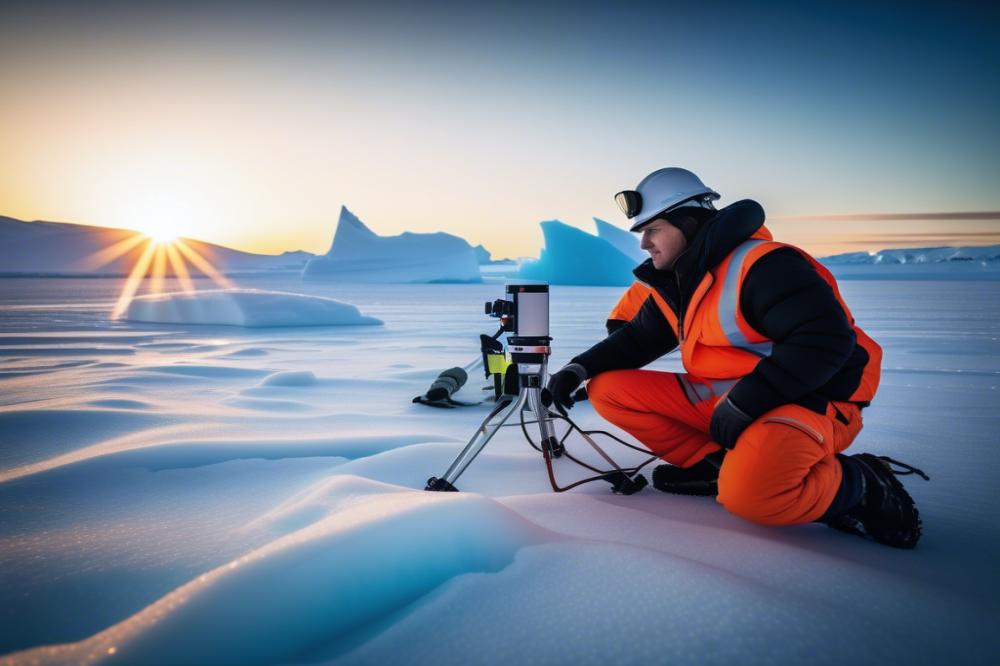
The Arctic environment is crucial for the health of our planet. Not only does it influence global weather patterns, but it also serves as a habitat for many species. This frigid region supports a rich tapestry of biodiversity, making it a vital ecosystem worth protecting. The Arctic holds key indicators of climate change, too, which affects everyone around the world.
environmental engineering plays a significant role in maintaining these precious ecosystems. Engineers focus on sustainable practices that can minimize the impact of human activities. They design systems that help balance development and nature. Preserving the Arctic involves innovative solutions that tackle both ecological preservation and technological advancement. Such efforts can be the difference between a thriving ecosystem and one on the brink of collapse.
Numerous challenges confront engineers working in this extreme environment. Harsh weather conditions make construction and maintenance difficult. Moreover, the remote locations can complicate logistics and increase costs. Additionally, there is constant pressure from industrial activities, such as oil drilling and mining, which pose serious risks to wildlife and natural habitats. When these factors combine, they create a complex landscape of issues that demand urgent attention. Understanding these challenges is necessary to advance preservation efforts.
Promoting awareness about these concerns is key. By shedding light on the situation, we can mobilize collective action. Solving the problems faced in the Arctic is not just an engineering challenge but a global responsibility. Moving forward, it’s essential to advocate for sustainable concepts that reflect our commitment to protecting our planet’s future. Addressing these engineering hurdles effectively might mean the difference between survival and destruction for many species residing in this exceptional region.
In this journey, collaboration with scientists, policymakers, and local communities becomes vital. Together, we can explore new methods that prioritize Arctic conservation. Let’s commit to finding solutions that not only address the engineering challenges but support your calls for #anchor_text_1# and #anchor_text_2# in the Arctic.
Current Trends in environmental engineering
Innovations in sustainable engineering practices are transforming how we protect our planet. Many companies are developing new materials that have less impact on nature. For instance, biodegradable plastics are being designed to break down more quickly in the environment. These advancements are essential for reducing waste in the Arctic regions.
Technology is playing a significant role in the fight for environmental preservation. Satellite imagery helps scientists track changes in ice cover and wildlife habitats. Smart sensors can monitor air and water quality in real time. Such tools make it easier to gather data and make informed decisions about protecting delicate ecosystems.
Collaborative approaches involving governments, organizations, and local communities are becoming more common. When various groups work together, they can share resources and knowledge. Partnerships can lead to better strategies for conservation. For example, environmental NGOs often collaborate with Arctic indigenous groups to develop sustainable practices rooted in traditional wisdom.
Education also plays a vital role in these efforts. Raising awareness about environmental issues can inspire action. Workshops, community programs, and online platforms share information. The more people know, the more likely they are to support sustainable initiatives.
Investing in renewable energy sources is crucial for minimizing environmental harm. Wind and solar power are gaining traction in areas once reliant on fossil fuels. This shift not only protects the surroundings but also promotes energy independence. Each new project showcases the potential for sustainable living.
In summary, these trends in engineering highlight the importance of innovation and cooperation. Different sectors must combine their skills to address challenges in the Arctic. Together, they can create a healthier planet for future generations.
Major Engineering Challenges in the Arctic
Extreme climate conditions pose a significant barrier to project feasibility in the Arctic. Severe temperatures, unpredictable weather, and long winters create obstacles that many engineers rarely face. Projects may need special materials and designs to withstand these harsh conditions. Traditional construction methods often become ineffective. Adapting to these challenges demands innovative thinking.
Logistical difficulties in transportation further complicate efforts. The remote locations of potential sites make access challenging. Transporting necessary equipment and resources can be costly and time-consuming. Ice roads may only be usable for a few months each year. Alternative routes often rely on air travel, which increases expenses substantially. Such logistical hurdles can delay projects significantly, impacting schedules and budgets.
Another pressing issue involves balancing development with conservation needs. The Arctic ecosystem is fragile. Industrial activities threaten local wildlife and natural habitats. Engineers must work carefully to avoid compromising the environment. Sustainable practices should not be seen as an afterthought. They are essential for responsible project development. Many stakeholders now demand a clear plan that protects nature while allowing crucial projects to proceed.
Thus, the engineering community must navigate a complex landscape of challenges. Every project requires careful planning and consideration. Cooperative efforts among engineers, environmentalists, and local communities could lead to better outcomes. A commitment to preserving the delicate Arctic environment should drive every decision throughout this process. Solutions will not come easily, but they are necessary for sustainable progress.
Impact of Climate Change on Arctic Engineering
Climate change is having profound effects on the Arctic region. Melting ice and rising sea levels pose significant threats to existing infrastructure. Roads, bridges, and buildings are all facing unprecedented challenges. As the permafrost thaws, soil stability diminishes. This can lead to subsidence, causing roads and structures to crack and sink.
Adapting engineering practices to this shifting environment is no small feat. Engineers must rethink traditional methods that worked well in stable conditions. New designs must account for unpredictable weather patterns and extreme temperatures. Adjustments might involve using materials that can withstand greater stress and changing temperatures. Creative solutions are now essential for the preservation of vital infrastructure.
Role of Environmental Engineers in Climate Adaptation Strategies
Environmental engineers play a crucial role in developing adaptation strategies. They assess risks to infrastructure and propose ways to mitigate those threats. By utilizing innovative technologies, these engineers can help redesign systems to cope with the challenges of a changing climate. For example, when constructing new developments, engineers consider drainage systems more carefully. These systems must prevent flooding from increased precipitation and rising water levels.
Another important task involves collaborating with local communities. Listening to the experiences of the people living in these areas is essential. Their insights can shape effective strategies that truly address unique needs. Additionally, educating communities about climate impacts and engineering solutions increases resilience. Together, they can develop plans that prioritize safety and sustainability.
Investing in research is vital for future projects in the Arctic. Studies that focus on climate resilience can offer valuable data. This information helps engineers make informed decisions that protect both lives and properties. Long-term thinking can guide the development of resilient infrastructure that stands the test of time.
Sustainable Solutions and Case Studies
Examples of Successful Conservation Projects in the Arctic
Many projects have made a positive difference in Arctic conservation. One notable example is the Arctic National Wildlife Refuge project. This initiative aims to protect habitats for endangered species. Communities have worked together to promote wildlife corridors that help animals migrate safely. Another inspiring effort is the reforestation around the Barents Sea, where teams are planting native plant species. These plants support local wildlife and improve ecosystem balance.
Green Engineering Techniques and Their Application in Arctic Environments
Green engineering techniques can play a key role in Arctic preservation. Photovoltaic panels harness solar energy, even in cold climates. Wind turbines also provide clean energy solutions. These technologies lower reliance on fossil fuels and reduce carbon footprints. Furthermore, innovative waste management systems are being implemented. Such systems properly treat waste materials to prevent contamination. Sustainable building materials are now preferred in construction projects. They withstand harsh weather while minimizing environmental impacts.
Future Prospects for Sustainable Engineering Initiatives
Looking ahead, there is great potential for more sustainable engineering initiatives. As technology advances, solutions may emerge that we cannot yet imagine. Collaboration with local communities will be crucial. Their knowledge can guide projects and make implementations more effective. Additionally, international partnerships can strengthen efforts in the Arctic. Sharing best practices will lead to better outcomes. More funding for research and development will drive innovation further. Engaging younger generations in engineering sustainability will shape future leaders in this vital field.
Policy and Regulatory Framework
The Arctic’s delicate environment requires strong policy and regulation. Several international agreements aim to protect this region from harm. The Arctic Council, for example, is a key player in these efforts. It brings together nations to address environmental issues. Treaties like the Paris Agreement also touch on climate impact, recognizing the Arctic’s importance.
Local communities play a vital role in these preservation efforts. Indigenous knowledge offers insights into sustainable practices. Their understanding of the land, water, and wildlife can guide engineering solutions. Involving local voices ensures that developments respect cultural traditions. Collaboration between engineers and indigenous groups tends to produce more effective outcomes.
Despite these frameworks, challenges remain significant. Enforcing environmental regulations proves to be difficult in remote areas. Many countries have limited resources for monitoring compliance. Violations can go unnoticed for long periods. This lack of oversight can undermine preservation efforts. It raises concerns about the future of the Arctic ecosystem.
Additionally, political tensions among nations further complicate the matter. Disagreements can stall necessary actions for protection. As countries vie for resources, environmental priorities may take a back seat. This creates a situation where the health of the Arctic is endangered.
Understanding these complexities is essential for effective solutions. Policies must adapt to changing conditions and new information. Active engagement with local communities can help bridge gaps in enforcement. Recognizing the interconnectivity of international laws will be critical. Only then can we hope to see real progress in Arctic environmental preservation.
Final Thoughts on Engineering Challenges in Arctic Environmental Preservation
The engineering challenges in Arctic environmental preservation are significant and complicated. Melting ice, rising sea levels, and the effects of climate change all create a pressing need for effective solutions. Engineers must navigate extreme weather, remote locations, and fragile ecosystems. This requires innovative designs and technologies that can withstand harsh conditions while safeguarding the environment.
Continued innovation is vital. New ideas can lead to breakthroughs that help protect these precious ecosystems. Collaboration among engineers, scientists, and local communities can foster effective strategies. Such partnerships may bring fresh perspectives to the table, allowing for creative problem-solving. Environmental engineers have the unique opportunity to make a real difference in preserving the Arctic. Policymakers must play their part too by crafting regulations that promote sustainable practices. Clear guidelines and strong funding can greatly enhance conservation efforts.
A call to action is necessary. We need environmental engineers to rise to the occasion and engage in this crucial work. Your expertise can drive change and influence policy decisions. The Arctic’s future relies on your commitment. Together, let’s create solutions that not only protect the planet but also preserve the beauty and diversity of life in this fragile region. Join forces with the scientific community and local tribes to understand the challenges more deeply. With a focused effort on #anchor_text_3#, we can address these issues head-on and advocate for policies that benefit our environment.
Engagement from every corner will be essential. It is not just about technology; it is also about heart. Everyone has a role in this mission. Let’s take action for the Arctic’s preservation. #anchor_text_4# can guide us as we work towards a sustainable future for generations to come.


