
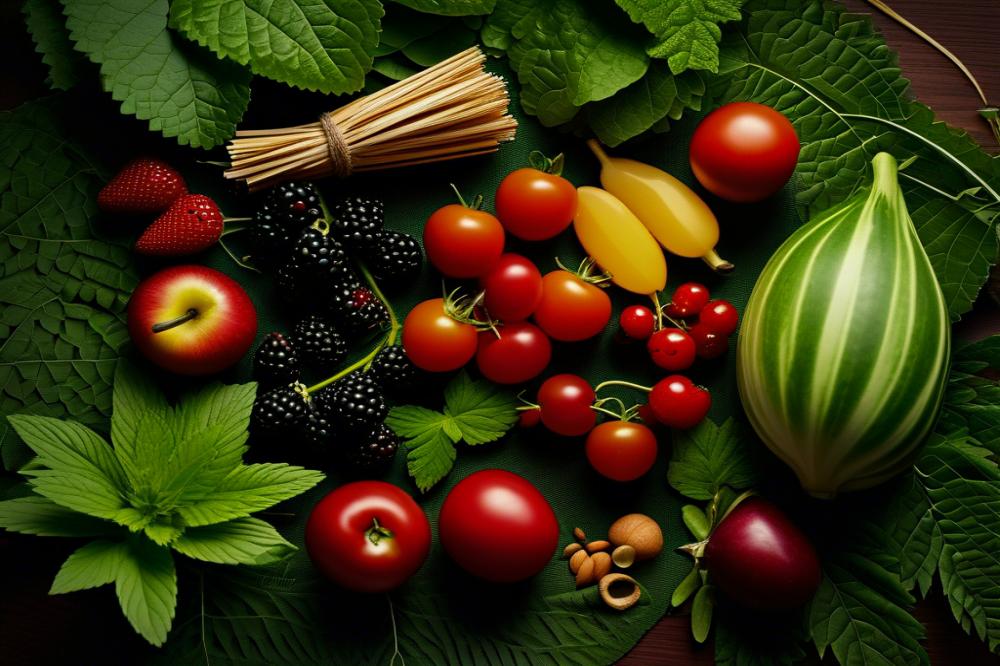
Exploring the Flavors of America’s Forests: Native Edibles You Can Forage
Foraging has deep roots in American culture. It connects people to nature and reminds us of simpler times. Many Native American tribes relied on the land’s offerings for sustenance. Today, more people are realizing the joy of gathering wild foods. This trend represents a blend of tradition, conservation, and health. Discovering edible plants and mushrooms not only supports local diets but also enhances biodiversity.
Native edibles play a crucial role in our ecosystems. Plants like wild blueberries and ramps contribute to natural habitats. They attract insects and birds, creating a balanced environment. These species are part of a rich tapestry that defines the landscape. They have adapted over centuries and hold significant nutritional value. Many individuals are turning to foraging as a way to supplement their meals, finding nourishment in the world around them.
This article will delve into the captivating world of foraging in America. Readers can expect to learn about various native foods that flourish in forests and fields. Each section will tackle different plants and their uses. Whether you are a beginner or an experienced forager, there will be something for everyone. Get ready to explore flavors that celebrate our rich natural heritage while embracing #anchor_text_1#. By understanding these native edibles, individuals can foster a deeper connection to the land and its bounty. The treasures found in America’s forest might surprise you, so let’s discover what awaits among the trees with #anchor_text_2#.
Understanding Native Edibles
Native edibles are plants that have grown naturally in a region for thousands of years. These species play a vital role in their ecosystems. They provide food for wildlife and important habitats. Their presence contributes to the overall health of the environment. Foraging these plants helps maintain a connection to nature.
Native plants differ from non-native ones significantly. Non-natives are introduced by humans and often do not belong to the local ecosystem. Sometimes, they can even disrupt the balance by overpowering native species. This makes it crucial to recognize which plants are part of the original landscape. Knowing the difference can lead to better foraging practices.
Foraging native plants offers various advantages compared to cultivated options. First, these plants are often more nutritious. They have adapted to the local conditions, making them resilient and flavorful. People who forage report that wild foods tend to have a deeper taste. Additionally, incorporating these edibles into meals supports sustainable practices. It helps preserve local biodiversity and encourages respectful interaction with nature.
Choosing to forage native species fosters a deeper appreciation for the environment. This activity not only connects individuals to their landscape but also promotes mental well-being. Those who venture into forests or meadows often speak of the joy found in discovery. In summary, native edibles are more than just food; they are a celebration of local ecosystems.
Common Edible Plants in America’s Forests
Exploring the forests across America reveals a treasure trove of edible plants. Many regions boast a variety of native species that are both delicious and nutritious. Ramps, wild berries, mushrooms, and nuts frequently attract foragers. Each plant brings its own unique flavor to the table.
Ramps
Often found in the spring, ramps are wild leeks with a strong garlic-onion flavor. They thrive in moist, shaded environments, typically under deciduous trees. Look for their broad, green leaves that sprout from a single bulb. Harvesting should be done responsibly to protect this beloved plant.
Wild Berries
Many types of wild berries grow in forests. Blueberries, blackberries, and raspberries are common finds during the warmer months. Smooth leaves and small, round fruits often characterize these bushes. While foraging, be cautious of look-alikes that can be toxic. Always verify the berry’s identity before tasting.
Mushrooms
Fungi provide various flavors and textures. Edible varieties include chanterelles, morels, and porcini. Identifying mushrooms is a skill that requires practice. Color, shape, and habitat play crucial roles in recognition. Some mushrooms are easy to spot, while others demand experience. Take care, as poisonous types can be deadly.
Nuts
Forest trees often bear edible nuts. Acorns, hickory nuts, and chestnuts are popular choices. Acorns require leaching to remove tannins before consumption. Hickory nuts boast a rich, buttery taste. Always check for mold or rot when foraging these nuts. Harvest during the fall months for the best quality.
Identifying Growing Conditions
Specific plants prefer particular environments. Ramps grow best in moist woodlands with rich, loamy soil. Wild berries thrive in sunny clearings or along forest edges. Mushrooms often appear in damp, shaded locations after rain. Nut-bearing trees generally need well-drained soil and adequate sunlight.
As you stroll through the woods, open your senses to the edible delights waiting to be discovered. Bringing a foraging guide can be extremely helpful. Knowledge of local plants will help you enjoy what nature has to offer. Always forage respectfully, leaving enough for wildlife and for future growth.
Foraging Etiquette and Safety
Foraging can be both exciting and rewarding. However, it’s vital to practice responsible harvesting to protect our natural spaces. Sustainable foraging practices involve taking only what you need. Always leave plenty behind for wildlife and future foragers.
Respecting the environment is key. Many plants take years to grow back. Therefore, avoid overharvesting any single area. Local regulations are also important to follow. Some regions have rules about what can be collected and in what quantity. Ignoring these laws can harm ecosystems and lead to fines.
Safety should never be overlooked while foraging. Some plants can look very similar, but they may be toxic. For example, wild carrots and poison hemlock can confuse even experienced foragers. Always research before you go out. Use field guides and apps to identify plants accurately. If you’re unsure, don’t eat it.
Be aware of your surroundings. Pesticides and pollutants can affect plants even in wild areas. Stick to places where you know the land use practices are safe. Furthermore, wash any edibles thoroughly before consumption. This simple step minimizes health risks.
Good foraging etiquette also means being considerate of others. Avoid private property unless you have permission. Leave any area you forage in as you found it; this includes taking your trash with you. Meeting up with fellow foragers can enhance the experience. Sharing tips and knowledge can lead to enjoyable adventures.
Take your time when foraging. Enjoy the process of learning about the local flora. With practice, you’ll develop a keen eye for what is edible and what isn’t. Always remember that foraging is not just about gathering; it’s about connecting with nature and enjoying its gifts.
Culinary Uses of Foraged Edibles
Foraging for native edibles is not just an adventure. It opens up a world of flavors that can add excitement to everyday meals. Imagine transforming a simple salad with wild greens or using berries for a homemade dessert. Each season brings new options, allowing chefs and home cooks alike to explore a diverse range of tastes.
Creative Ideas for Incorporating Native Edibles into Meals
Consider adding dandelion greens to your breakfast omelet. Their slight bitterness complements eggs beautifully. Another option is to use ramps, or wild leeks, to create a vibrant pesto. This can serve as a spread for sandwiches or a topping for grilled meats. Wild mushrooms, such as chanterelles, can elevate pasta dishes or risottos. A simple sauté with garlic celebrates their earthy flavor.
Recipes Highlighting Common Foraged Plants
One easy recipe is for a wild green salad. Combine young dandelion leaves, chickweed, and purslane with a light vinaigrette. The crunchy textures pair well with the tang of the dressing. For a hearty dish, try stuffed mushrooms. Mix sautéed wild mushrooms with cream cheese and herbs, then bake until golden. Another delightful treat is elderberry syrup. Start by simmering fresh elderberries with water and sugar, then strain for a sweet addition to pancakes or teas.
Cultural Significance of These Plants in American Cooking
Understanding the cultural history of these plants adds depth to their culinary uses. Native American tribes have long incorporated wild edibles into their diets, utilizing the local flora’s abundance. Many of these plants are not just food; they are part of traditional rituals and celebrations. Today, a growing movement encourages people to reconnect with these roots. As modern chefs experiment with local ingredients, they continue to honor the practices of their ancestors, blending history with innovation.
Resources for Foraging
For those eager to dive into the world of native edibles, a variety of resources can make the adventure easier and safer. Numerous books provide insight into identifying and harvesting wild plants. Some popular titles include “The Forager’s Harvest” by Samuel Thayer and “Wild Edibles of North America” by John Kallas. These texts offer practical advice, images, and recipes that emphasize the joy of foraging.
In addition to books, several websites dedicated to foraging exist. Websites like Foraging Texas and Eat The Weeds are treasure troves of information. They feature detailed descriptions of edible plants along with guidelines for safe consumption. Such platforms can be incredibly helpful for beginners and seasoned foragers alike.
Local Foraging Groups and Community Classes
Connecting with local foraging groups can enhance your learning experience. Many communities have clubs that promote edibles found in your area. Joining a group opens doors to invaluable hands-on experiences. Members often share tips and stories from their foraging adventures. Additionally, community classes provide structured learning environments. Local parks and nature centers frequently host workshops that teach identification techniques and gathering methods.
Attending events not only builds knowledge but also fosters friendships with like-minded enthusiasts. Often, guided foraging walks are available. These outings allow participants to experience the wonders of nature alongside an expert. Having a knowledgeable leader can make your first foraging experience both safe and enjoyable.
Apps and Technology to Assist in Plant Identification
Smartphones provide a convenient way to enhance your foraging journey. Several apps exist to assist with plant identification. One popular choice is PlantSnap, which uses photos to help you learn about different species. Another app, Seek by iNaturalist, encourages users to document their findings while contributing to citizen science.
Embracing technology can boost confidence when foraging. Many of these applications utilize advanced algorithms to provide accurate information quickly. Taking a photo of a plant and receiving instant feedback can be incredibly reassuring. This service enhances outdoor experiences and ensures you’re gathering safely.
Having a reliable guide or supporting resources is essential in the exploration of native edibles. With the right tools, you can uncover the flavorful secrets hidden within America’s forests. From trusted books to community classes, a wealth of information is waiting to be discovered. Engage with both local groups and modern technology to become a confident forager.
Wrapping Up Our Foraging Adventure
Foraging native edibles brings joy and numerous benefits. Imagine stepping into a forest, surrounded by the sights and sounds of nature. There’s a thrill in discovering wild berries, mushrooms, or greens that you can gather yourself. This activity can lead to delicious meals and a deeper connection with the environment.
Engaging with local forests opens up a world of flavors and experiences. Each walk through the woods can lead to new tastes and ingredients. Planning a foraging trip this weekend? Grab a basket and a guidebook. You’ll find that open spaces are full of surprises, from sweet wild strawberries to hearty dandelion greens.
It’s not just about filling your pantry. Foraging encourages mindfulness and respect for the natural world. Learning to identify edible plants helps build an appreciation for biodiversity. This connection nurtures both physical and mental health. Additionally, spending time outdoors can be a wonderful mood booster.
Embrace this journey of discovery. Invite friends or family members to join you. Sharing the experience can turn a simple outing into a treasured memory. Furthermore, education about which plants are safe to eat is key. By exploring and gathering, you become part of a community that values the bounties of nature.
Taking time to connect with your surroundings enriches your life in many ways. Nature offers many gifts, but foraging puts the adventure in your hands. Explore, learn, and savor every moment with the edible wonders around you. Don’t forget to respect the environment; be mindful of what you take. When you leave some for others, everyone benefits.
So, why wait? Start your exploration today. Dive into the vibrant world of foraging to discover new flavors. With a little curiosity and respect for your local ecosystem, your experiences can be rewarding and impactful. Happy foraging! #anchor_text_3# and #anchor_text_4# are waiting for you among the trees.


