
Introduction
gooseberries are a favored berry fruit, enjoyed for their tart flavor and versatility in recipes. Home gardeners often seek to cultivate this delightful fruit, relishing the idea of fresh harvests. However, protecting this yield from unwelcome guests, such as birds and insects, poses a significant challenge.
Guarding the harvest is crucial for ensuring that the plants flourish and the fruit remains intact. birds are notorious for snatching ripe berries, while insects can damage leaves and stems. These pests threaten both the quality and quantity of the harvest, making it essential to adopt effective pest protection measures.
This article will explore various strategies for safeguarding gooseberry care. Readers will find useful gardening tips and insights into organic pest control methods. Additionally, the importance of plant health and fruit preservation will be examined. By implementing natural deterrents and focusing on wildlife management, gardeners can achieve a successful and bountiful harvest.
Understanding gooseberries
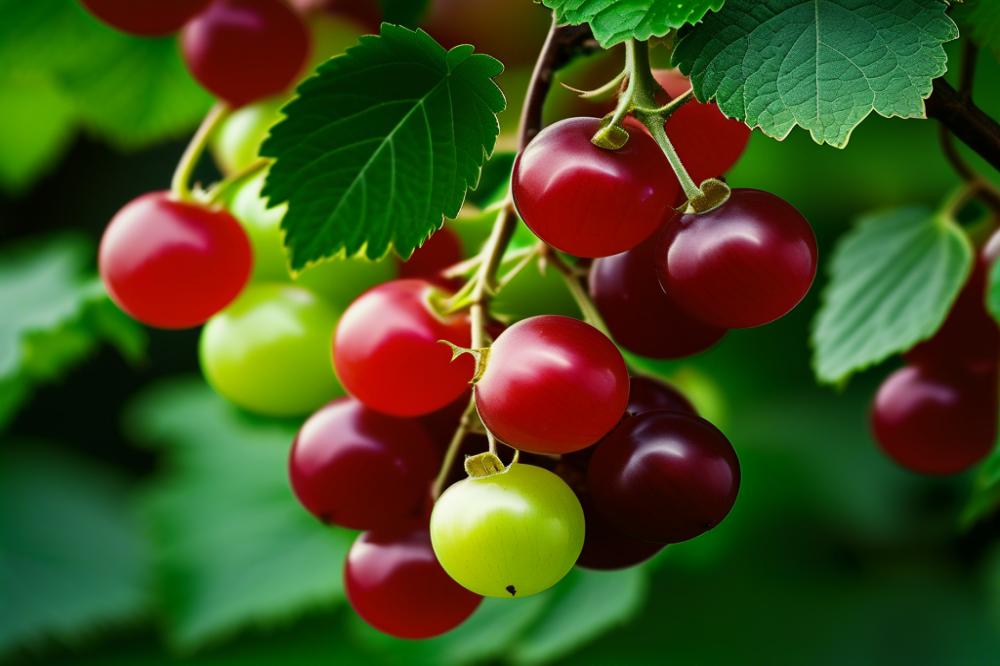
Gooseberries are small, tart berries encased in thin, translucent skin. These fruits grow on hardy shrubs that thrive in well-drained soil and prefer cooler climates. They typically require full sun for at least six hours each day to reach their highest yield. This means they can flourish in various gardening setups, from backyard plots to larger orchards.
Common Varieties
Many varieties of gooseberries exist, each offering distinct flavors and colors. The green types, such as ‘Invicta’ and ‘Captivator,’ are popular for their sweetness and lower acidity. Red varieties like ‘Jostaberry’ and ‘Hinnomaki Red’ offer a unique sweetness and are great for jams. Lastly, the yellow ‘Golden Drop’ stands out for its appealing hue and a balanced taste.
Benefits of Growing These Berries
Growing gooseberries at home offers numerous rewards. First, they are rich in vitamins and antioxidants, contributing to overall plant health. Adding them to your garden can enhance biodiversity, attracting various beneficial insects. They can also help with wildlife management, as their thorny branches provide shelter for small animals while deterring larger pests.
Farmers often note their advantage in fruit preservation. Gooseberries can be turned into delicious jams, jellies, and sauces, extending their shelf life and allowing for year-round enjoyment. Plus, homegrown varieties generally offer better flavor than store-bought fruits.
One critical aspect of gooseberry care involves being mindful of pest threats. Birds and insects can be attracted to these fruits and pose a risk to your harvest. These challenges emphasize the importance of organic pest control strategies and effective harvest protection methods, which can safeguard your berries from potential losses.
Identifying Common Pests
Insects That Commonly Affect Gooseberries
Insects can cause serious problems for gardeners. Aphids are one of the most common pests. They feed on the soft plant tissues, often leading to curled leaves. Spider mites, though tiny, can result in significant damage and can even spread diseases. Another troublesome insect is the sawfly larva, which can rapidly defoliate the plants. Addressing these pests early is key to maintaining plant health.
Bird Species Attracted to Ripe Berries
Birds are attracted to ripe fruit and can devastate your harvest if left unchecked. Among the culprits, robins and starlings often come to mind. They find the bright fruit hard to resist. Sparrows also take advantage of delicious berries. If you’re not careful, these feathered visitors can quickly strip your plants bare. Effective wildlife management strategies are crucial for protecting your crop from these hungry birds.
Impact of Pests on Plant Health and Yield
Pests can drastically reduce crop yield if allowed to thrive. Insects often weaken plants, making them more susceptible to disease. This can hamper your efforts in gardening. Ripe fruit may also be compromised, leading to issues in fruit preservation. Implementing organic pest control measures, such as introducing beneficial predators or using natural deterrents, can help manage these threats. Understanding the risks associated with pests supports better gooseberry care for a fruitful harvest.
Effective Pest Control Strategies
Harvest protection is crucial for a fruitful yield. Without proper measures in place, birds and insects can quickly spoil your efforts. This article explores effective ways to guard your crops and enhance plant health.
Organic Pest Control Methods
Utilizing organic pest control methods can be highly beneficial. Natural solutions minimize harm to the environment while protecting your plants. Consider introducing beneficial insects, like ladybugs, which feed on aphids and other harmful pests. Additionally, crop rotation helps in disrupting pest life cycles, reducing their populations over time.
Using Natural Deterrents
Employing natural deterrents is vital in keeping unwanted visitors at bay. For instance, certain herbs, like lavender or mint, can repel birds and insects with their strong scents. Installing reflective surfaces around the garden can also confuse birds and reduce their presence. Sound devices, such as wind chimes, may scare off wildlife. Experiment with these options to find what works best in your space.
Gardening Tips for Integrated Pest Control
Integrating pest control into gooseberry care requires strategic planning. Planting companion plants can be helpful. Some plants attract pest-eating critters, while others may mask the scent of your fruit. Keeping your garden clean and removing fallen fruit reduces the chances of attracting pests. Regularly inspecting plants for signs of trouble is also key to maintaining fruit preservation. Being proactive ensures your garden remains healthy and productive.
Preventative Measures for Gooseberry Care
Healthy plants attract fewer pests. Therefore, maintaining proper plant health is crucial. Inspect your shrubs regularly for any signs of stress or disease. A well-fed plant, nurtured with organic fertilizers, will thrive and be less appealing to unwanted visitors. Watering them adequately can also boost their immunity against various threats.
Wildlife management strategies help protect your crop effectively. Placing netting over the bushes can deter birds looking for snacks. Creating barriers or planting protective hedges can keep larger animals at bay. Using reflective objects, like old CDs or aluminum foil strips, may confuse birds and keep them from feasting on your fruit.
Companion planting is another helpful method. Certain plants work in harmony and can repel insects efficiently. Marigolds, for instance, release natural compounds that hinder aphids and other pests. Strategically placing these plants nearby can act as a natural deterrent to unwanted guests. Thoughtful garden design also plays a vital role in pest prevention. Maintaining diverse plant life can create habitats for beneficial insects that prey on common pests.
Consider rotating plant locations each growing season. This strategy disrupts pest life cycles, making it harder for them to settle in. Regularly removing debris and old plant material can minimize the chances of attracting harmful insects. Keeping the area tidy shows attention to detail in garden care and reinforces your harvest protection efforts.
Fruit preservation relies on proactive measures against potential threats. Enlisting natural deterrents, like essential oils or homemade sprays, can be effective in repelling insects. Many growers prefer organic pest control methods to keep their gardens safe and healthy. These techniques combined create a more balanced ecosystem and foster continued growth.
Harvest Preservation Techniques
Timing and Methods for Harvesting
Timing is critical when it comes to harvesting. Aim for the right moment to pick your berries for the best flavor and quality. Typically, late summer is ideal for gathering ripe fruit. Check for signs like a deep color and slight softness. Using clean and sharp tools helps prevent damage. When harvesting, be gentle to avoid bruising. A basket or container will protect them during collection.
Preserving Your Harvest
After gathering your fruit, immediately consider preservation techniques. Freezing can maintain freshness for several months. Simply wash the fruit, spread it on a tray, and freeze until solid. Then, transfer it into airtight bags. Canning is another option, requiring specific equipment for best results. Jams and jellies offer sweet enjoyment later in the year. Always label containers with dates for easy identification.
Monitoring Pesticide Use
For those interested in organic gardening, controlling pests can be key to plant health. Monitoring pesticide use becomes crucial in this process. Natural deterrents are often effective against common insects and birds. Homemade sprays made from garlic or hot pepper can keep wildlife at bay without chemicals. Ensure all methods align with organic standards to maintain fruit preservation. This approach also supports a healthier garden environment.
Final Thoughts on Protecting Your Harvest
Recapping the significance of safeguarding your harvest, it’s clear that attention to pest control is essential for a fruitful outcome. The strategies discussed throughout the article serve as a practical guide for anyone looking to enhance their gardening experience. By combining various methods of pest management, gardeners can create a protective barrier around their prized fruits.
Birds and insects can quickly become a gardener’s worst nightmare. Employing diverse approaches not only protects your crops but also contributes to a healthier ecosystem. Natural deterrents, physical barriers, and companion planting can work together to keep these pesky threats at bay.
Consider implementing these strategies in your garden this season. Taking proactive steps will allow you to maximize your yields and reduce losses. Remember that patience and persistence play a key role in successful gardening.
Ultimately, the journey of growing your own food can be incredibly rewarding. Enjoy the satisfaction of plucking fresh, ripe berries from your garden, knowing that you’ve successfully navigated the challenges of pest protection. Homegrown fruits bring joy to the table in ways nothing else can.


