Introduction
Have you ever considered growing mushrooms at home? The idea may seem odd to some, but cultivating your own edible mushrooms can be a rewarding venture. home mushroom cultivation is becoming more popular among food enthusiasts and eco-conscious consumers alike. Many people appreciate the chance to produce their own food in a sustainable way.
Growing gourmet fungi at home offers numerous advantages. For one, fresh mushrooms packed with flavor can significantly enhance your culinary creations. Unlike store-bought varieties, homegrown mushrooms provide a taste that cannot be matched by products transported over long distances. There’s also the benefit of knowing exactly how your mushrooms are grown. You can use organic cultivation methods and avoid harmful pesticides.
Understanding the basics of mushroom gardening can seem challenging, but it’s more straightforward than you might think. Using mushroom kits simplifies the process for beginners. These kits often come with everything you need, including mushroom spores and growing instructions. Whether in a garden or on a kitchen countertop, indoor gardening provides flexibility. It doesn’t take a lot of space or equipment to start growing your own edible mushrooms.
Mycelium is the key player in this process. It’s the root system of mushrooms. By nurturing mycelium, you can promote healthy growth and a bountiful harvest. There are a variety of mushroom growing techniques to explore. Some methods are more suited for beginners than others, making easy mushroom farming a possibility for anyone interested.
To begin, you will need some essential supplies. Mushroom gardening supplies can often be found at local gardening stores or online. By gathering these tools, you’re setting yourself up for success. It’s time to dig into the wonderful world of mushrooms and discover just how enjoyable it can be!
Understanding the Basics of Fungi
What are Edible Mushrooms
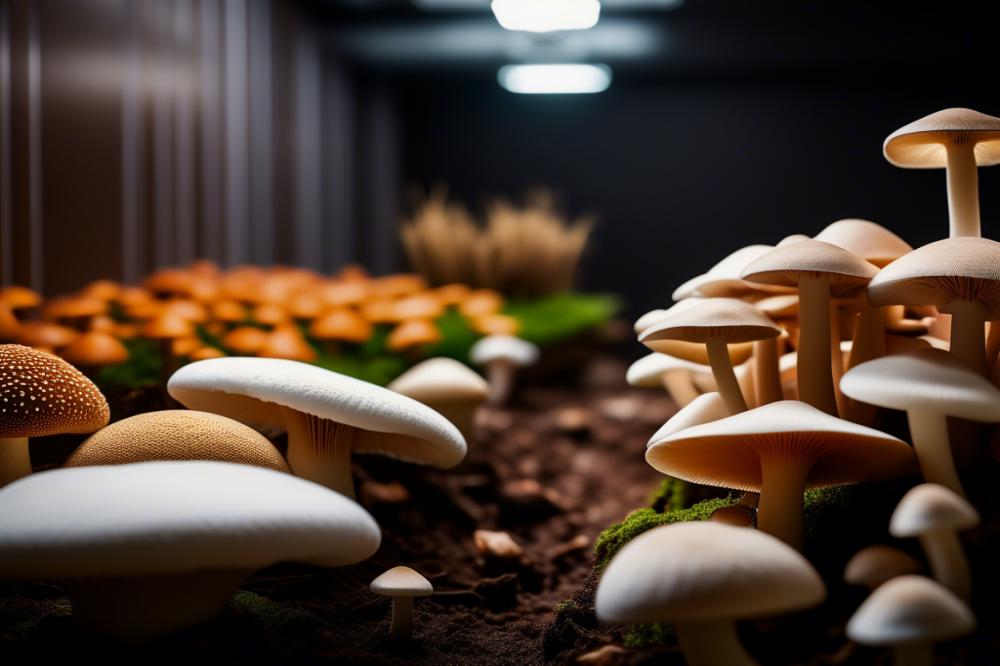
Edible mushrooms are culinary treasures. They come in various shapes, sizes, and flavors. Common varieties include shiitake, oyster, and portobello. These fungi add depth to many dishes, enhancing soups, salads, and sauces. In addition to their taste, they provide nutritional benefits. Rich in vitamins and minerals, they are low in calories. Many people seek mushrooms for their health properties as well as their unique flavors in cooking.
Life Cycle of Mushrooms: Mycelium to Fruiting Body
The life cycle of mushrooms is fascinating. Everything begins with spores, tiny reproductive units. When conditions are right, these spores germinate, developing into mycelium. Mycelium serves as the main body of the fungus. This underground network can spread out over large areas, searching for nutrients. Over time, when the environment becomes suitable, mycelium produces a fruiting body. This fruiting body is what we recognize as the mushroom. From this process, we enjoy fresh gourmet fungi right at home.
Role of Mycelium in Mushroom Growth
Mycelium plays a crucial role in the development of mushrooms. It breaks down organic matter, nourishing the fungus. This means it can thrive on various substrates, such as straw or wood chips. Understanding mycelium helps with mushroom gardening supplies. It’s essential to provide the right environment for mycelium to grow. Temperature, humidity, and light must be controlled effectively for success. By focusing on these factors, anyone can venture into easy mushroom farming. With mushroom kits and mushroom spores, growing becomes accessible. Therefore, knowing how mycelium interacts with its surroundings is key for any aspiring indoor gardening enthusiast.
Choosing Your Mushroom Variety
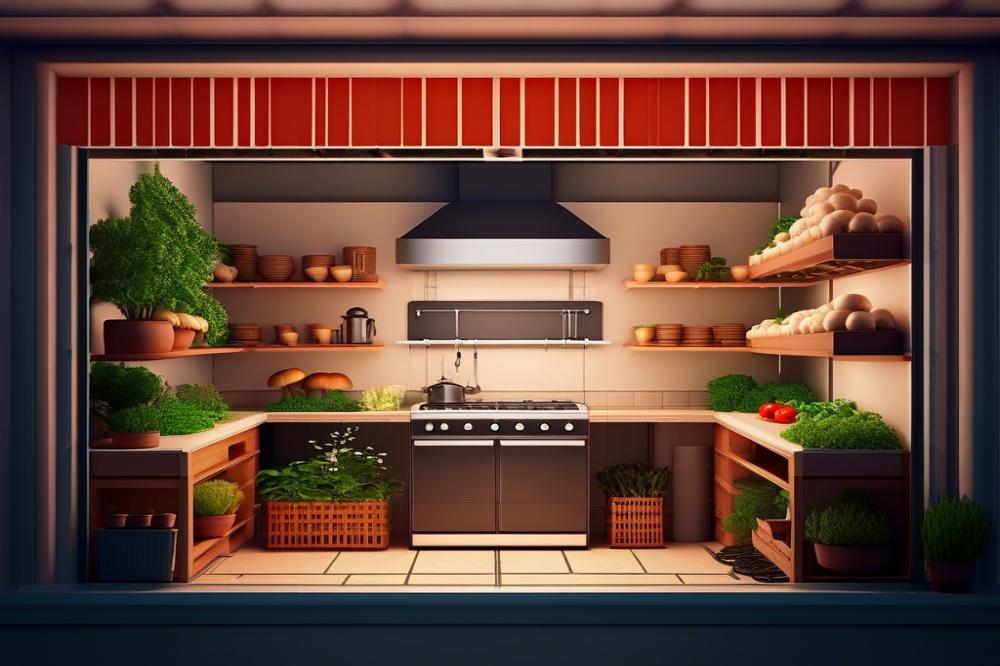
Popular gourmet fungi for home cultivation
Mushrooms can be a delightful addition to your meals. Many people enjoy cultivating gourmet fungi at home. Popular choices include shiitake, oyster, and lion’s mane mushrooms. Each type offers its own unique flavor and texture. Shiitake mushrooms are known for their rich taste. They are often used in Asian dishes. Oyster mushrooms, on the other hand, are versatile and can adapt to various recipes. Their texture is soft and delicate, which many people find appealing. Lion’s mane mushrooms are not just great for cooking. They also have potential health benefits. Each variety provides a distinct experience for the gardener and the table.
Characteristics of different mushroom types
When selecting mushrooms, consider their growing conditions. Shiitake prefers a warmer climate with high humidity. It thrives on logs or sawdust. Oyster mushrooms grow quickly and can be cultivated on various substrates, such as straw or coffee grounds. They also tolerate a wide range of temperatures. Moreover, lion’s mane does best in cooler environments. Understanding these preferences is key to the success of your indoor gardening project. Different types have different growth rates as well. Some may be ready for harvest in a few weeks, while others take months. Learning about these traits helps you plan your mushroom gardening supplies accordingly.
Factors to consider when selecting mushroom spores
Selecting mushroom spores is crucial. The quality can greatly influence your harvest. Focus on reputable sources to purchase your spores or mushroom kits. Look for organic cultivation options whenever possible. This practice supports healthier growth and a better flavor in edible mushrooms. Consider your environment too. Factors like available space, light, and humidity levels play a significant role in success. Some mushrooms require specific growing techniques, which might limit your choices. Begin with easy mushroom farming varieties if you are new. This approach will reduce frustration and increase your chances for a rewarding experience. Always check the instructions that come with each type of spore kit. Proper guidance can make your mushroom-growing adventure smoother.
Getting Started with home mushroom cultivation
Overview of Mushroom Gardening Supplies
Mushroom gardening requires a few essential supplies. First, you’ll need mushroom kits, which contain everything you need to start growing. These kits often include substrate, or material that supports mushroom growth, and mycelium, the root system of the fungi. You should also have a spray bottle for watering. A clean workspace is important, so gather disinfectants to keep your area free from contamination. Consider using shelves or containers to organize your supplies and pots for any additional mushrooms you may choose to grow later.
Types of Mushroom Kits Available
Several types of mushroom kits are on the market today. Some kits focus on popular edible mushrooms such as shiitake, oyster, or even gourmet varieties like lion’s mane. Kits differ in complexity as well. Beginners might favor easy mushroom farming kits that require minimal setup. Others offer more advanced mushroom growing techniques, involving more hands-on care and specific conditions. Organic cultivation kits are gaining popularity as well, allowing you to grow mushrooms without synthetic additives. Each kit provides detailed instructions, making the process accessible for everyone.
Step-by-Step Guide to Setting Up Your Indoor Gardening Space
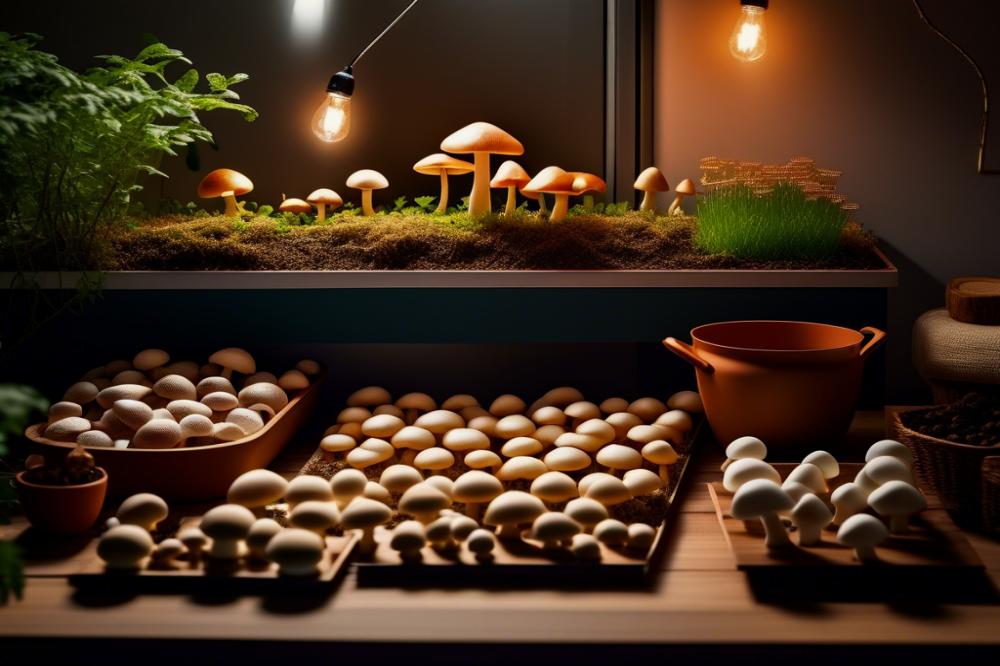
Creating your indoor gardening space is a key step in mushroom cultivation. Pick a location with stable temperatures and humidity levels. A closet or kitchen corner could work well. Start by clearing the area of clutter and dust. Next, set up your mushroom kit according to the included directions. Be mindful of the light requirements specific to the type of gourmet fungi you’re cultivating. After that, properly water your substrate with the spray bottle, giving your mushrooms the necessary moisture. Monitor your mushrooms regularly. Check for any signs of contamination or spoilage. With patience and care, you’ll see the mycelium begin to flourish, signaling that your mushrooms are on their way.
Mushroom Growing Techniques
Mushroom cultivation can be an exciting venture for any enthusiast. Several techniques cater to different needs and experience levels. Surface cultivation offers a straightforward approach. This method involves spreading mushroom spores over a substrate, typically in small containers. It’s ideal for beginners since it requires minimal equipment and space.
On the other hand, bulk substrate methods provide larger yields. In this technique, growers prepare a bigger volume of substrate, often using materials like straw, wood chips, or coffee grounds. This approach can be more labor-intensive but yields a higher output of edible mushrooms. Some mushroom kits are designed specifically for this bulk approach, letting beginners dive in without prior knowledge.
Environmental Conditions Needed for Successful Growth
Creating the right environment is crucial for mushroom success. Temperature and humidity play significant roles. Most gourmet fungi thrive in a cozy range of temperatures, usually between 60°F and 75°F. Humidity levels should hover around 80% to 90% during fruiting. These conditions help mycelium colonize and eventually produce mushrooms.
Lighting also influences growth, although mushrooms do not require bright sunlight. Indirect light works best. In indoor gardening setups, using a fluorescent or LED grow light can simulate natural conditions. Choosing the right mushroom gardening supplies, such as humidity tents or thermometers, can also help maintain the ideal environment.
In addition to basic conditions, cleanliness is vital. Contaminants can ruin a mushroom crop. Using organic cultivation techniques helps reduce the likelihood of unwanted bacteria or mold. Always start with high-quality mushroom spores. This ensures a better chance of successful growth and flavorful harvests.
While getting started in easy mushroom farming may seem daunting, the process can be quite rewarding. Understanding different techniques and the environmental demands will lead to bountiful harvests of delicious and nutritious fungi.
Caring for Your Growing Mushrooms
Watering and Humidity Considerations
Mushrooms thrive in moist environments. Keeping the right humidity level is crucial for their growth. Ideally, you want humidity around 80% to 90%. You can achieve this by misting your setup regularly. A spray bottle works well for this purpose. Don’t drown the substrate; too much water can ruin the mycelium. As a beginner, you might want to buy mushroom kits that often come with humidity control tools. If you notice dry spots, remember to monitor your humidity more closely.
Managing Light and Temperature for Optimal Growth
Light plays a role, but mushrooms don’t require direct sunlight. Indirect light works best. A consistent temperature is necessary for successful growing. Most gourmet fungi prefer temperatures between 65°F to 75°F. Consider using a thermometer to keep track of the conditions. Too much heat can lead to problems, while too cold can halt growth altogether. A well-ventilated space is important to avoid a buildup of CO2. Indoor gardening can be a rewarding experience when the conditions are right.
Common Issues and Troubleshooting Tips
Mold is a common challenge in mushroom gardening. If you spot green or black mold, acting quickly is essential. Remove the affected areas immediately. Sometimes, improper ventilation causes this problem. Another issue is when the mycelium doesn’t colonize properly. If this happens, check your substrate’s moisture content. Overly dry or wet conditions can stunt their growth. Variations in temperatures might also affect development. If mushrooms are not appearing, patience is key. It can take a few weeks for them to emerge. Remember, easy mushroom farming requires attention to detail and care.
Harvesting and Enjoying Your Homegrown Mushrooms
When and how to harvest your mushrooms
Knowing the right time to pick your mushrooms is key. Most edible mushrooms are ready to be harvested when the caps have fully opened but before they start to drop their spores. This ensures freshness and flavor. Gently twist or cut the mushrooms at their base to avoid damaging the mycelium left behind. Keep an eye on humidity levels, as too much moisture can cause them to spoil quickly after harvest.
Cooking tips and recipes for gourmet fungi
Mushrooms can add rich flavors and textures to a wide range of dishes. Sautéing is a popular cooking method. Simply heat a pan with olive oil and toss in some chopped garlic before adding the sliced mushrooms. For a delicious treat, try stuffing portobello caps with cheese, herbs, and breadcrumbs, then baking them until golden. For a simple yet delightful side dish, roast them in the oven with a sprinkle of salt and pepper. Explore more unique recipes, like mushroom risotto or creamy pasta sauces, which highlight the earthy flavors of these gourmet fungi.
Storage and preserving techniques for harvested mushrooms
Keeping your fresh mushrooms in the best condition is essential. Store them in a paper bag in the refrigerator to allow proper airflow. This helps prevent moisture buildup and spoilage. For longer preservation, consider drying or freezing them. Dehydrating your mushrooms enhances their flavors and allows them to be used in winter months. Just slice them thinly and place them in a dehydrator or oven at a low temperature. If freezing, clean and sauté them briefly before placing them in freezer-safe bags. Mushrooms can last for months when stored properly.
Wrapping Up Your Mushroom Journey
Home mushroom cultivation offers many advantages. Not only do you get fresh, tasty fungi, but you can also save money compared to store-bought options. Cultivating your own mushrooms allows you to experiment with different varieties, creating dishes that may add a unique touch to your meals. You get to choose your growing medium and monitor the cultivation process closely. This hands-on approach fosters a deep connection with your food.
Starting your own mushroom garden might seem daunting, but it is easier than you think. With mushroom kits readily available, beginners can dive right in. These kits make the process manageable and often come complete with everything you need. In addition, using mushroom spores is an exciting way to grow your fungi from scratch. Don’t hesitate to give it a try.
Imagine the satisfaction of harvesting your own mushrooms. Taste them fresh, relishing the flavors you’ve nurtured yourself. Growing edible mushrooms at home has its rewards beyond just food; it’s also about the experience. Enjoy this opportunity to learn and build your garden.
Ultimately, delving into the world of mushrooms can be rewarding and fun. With a little effort and patience, you will soon savor the fruits of your labor. Enjoy the process, and each meal will taste even better knowing it’s homegrown. So grab your supplies and get started on this tasty adventure. Happy growing!