
How eco-friendly-building-materials”>Compressed Earth Blocks Are Transforming Construction
In the realm of building materials, a fascinating option is emerging: eco-friendly-building-materials”>Compressed Earth Blocks. These blocks are made from a mix of soil and other natural resources, compacted under high pressure to create sturdy and stable units for construction. Their significance in the industry goes beyond just being a material; they represent a shift towards eco-friendly practices in construction. By utilizing local resources, they also promote soil stabilization and reduce transportation needs, contributing to a lower carbon footprint.
The growing need for sustainable materials in building has never been more pressing. Climate change and environmental degradation prompt a search for alternatives that are both effective and responsible. Construction innovation is essential to meet the challenges of modern society. Many builders and architects now look to compressed earth blocks as a solution to these challenges. They are not only cost-effective but also offer energy-efficient benefits. This makes them an attractive option for those seeking affordable housing solutions while supporting sustainable development.
This article explores how these blocks are transforming traditional construction practices. From enhancing the way structures are designed to supporting greener building techniques, their impact is far-reaching. By integrating compressed earth blocks into the building process, communities can foster an approach to earth architecture that is both practical and respectful to the environment. Join us as we delve deeper into this remarkable shift and its implications for the future of construction.
Overview of Compressed Earth Blocks
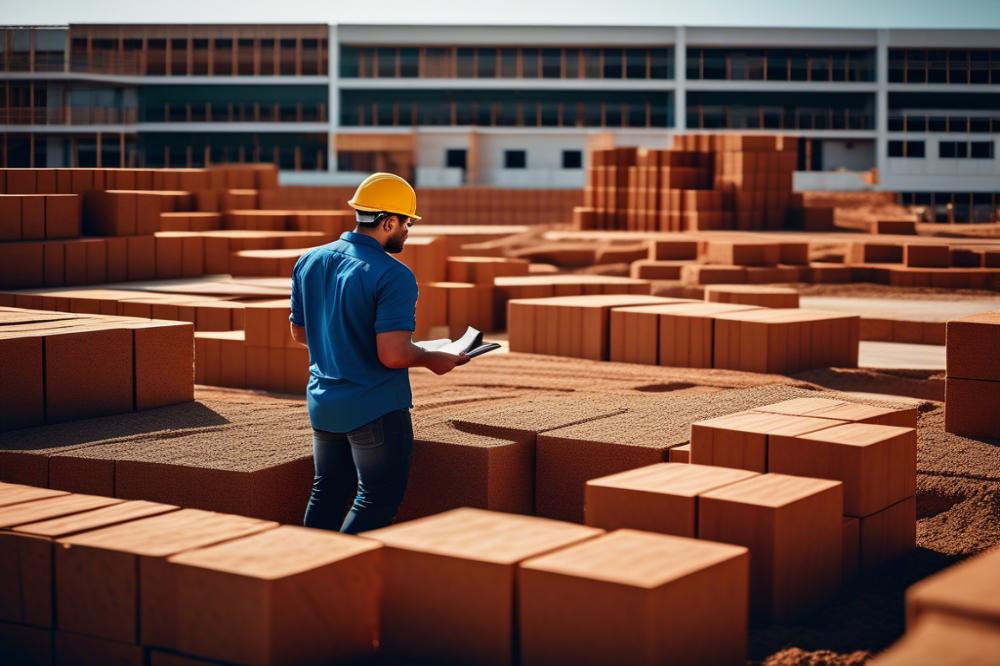
Compressed earth blocks (CEBs) are innovative building materials made from a mixture of soil, sand, clay, and sometimes cement. These materials are mixed and then compressed using a powerful machine. The compression process binds the soil particles tightly together. This creates a strong and sturdy block that can be used for construction.
Soil stabilization techniques are crucial in the production of these blocks. Often, lime or cement is added to improve the physical properties of the soil. This addition helps to increase the strength and durability of the blocks. Several methods can also be used for stabilization, like moisture control and adding natural fibers. Each technique aims to optimize the block’s performance in various environmental conditions.
Certain properties set these blocks apart from traditional materials. Their strength is notable, allowing buildings to withstand significant loads. Durability is another essential feature. CEBs can last for decades with minimal maintenance. Energy efficiency is especially important in today’s world, where construction innovations are needed. These blocks have a low thermal conductivity, which helps to keep buildings cooler in summer and warmer in winter. This efficiency translates into lower energy bills for occupants.
These eco-friendly materials play a vital role in sustainable development. They possess a low carbon footprint compared to conventional bricks and concrete. This characteristic makes them appealing for affordable housing projects. Communities can benefit from using CEBs by reducing construction costs and promoting earth architecture.
Environmental Benefits of Compressed Earth Blocks
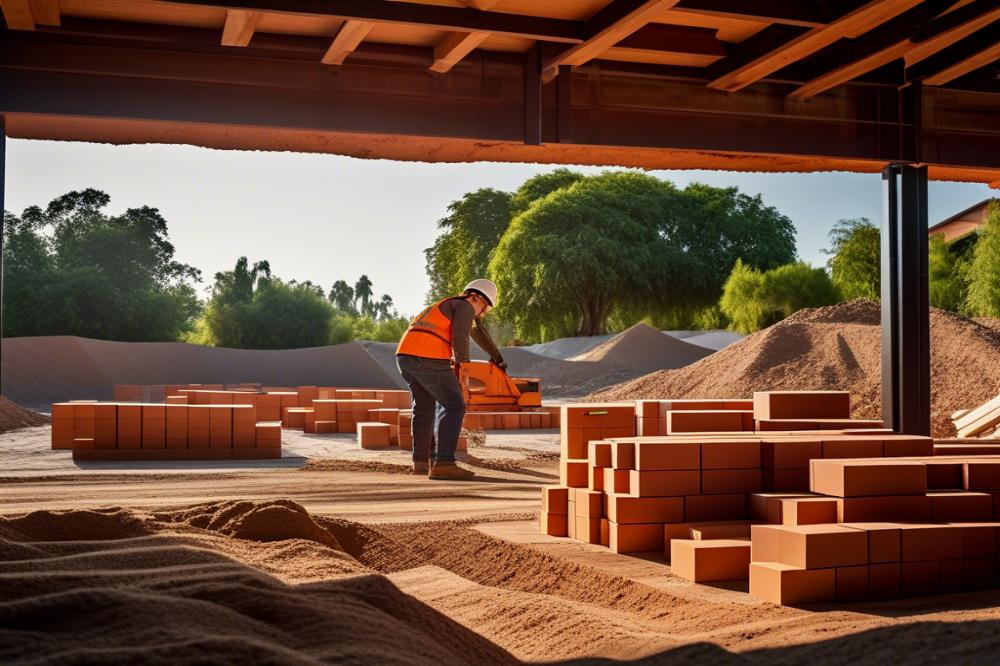
The use of compressed earth blocks offers significant eco-friendly advantages in today’s construction landscape. Builders are increasingly seeking materials that leave a smaller environmental footprint. This innovative approach to earth architecture stands out because it utilizes natural soil as a primary resource. Compared to traditional materials like concrete or brick, compressed earth blocks have a notably low carbon footprint, which is crucial for combating climate change.
Manufacturing these blocks requires far less energy. They can often be made on-site, reducing transportation emissions. This method not only minimizes energy consumption but also enhances soil stabilization. As a result, the overall environmental impact of construction projects is greatly reduced.
Another major benefit is affordability. By using local materials, developers can create cost-effective housing solutions. This is particularly important for sustainable development, as it allows for the creation of more affordable housing options. People in various communities can access these eco-friendly building materials, ensuring that sustainability does not come at a high price.
Moreover, these blocks promote energy-efficient designs. Homes built with earth materials tend to maintain temperature better, reducing the need for heating and cooling. As energy demands decrease, this contributes to a lower overall environmental impact, aligning with global efforts for climate change mitigation.
Ultimately, compressed earth blocks represent a transformative shift in construction methods. Their widespread use could herald a new era in sustainable building practices. As communities increasingly embrace this innovative approach, the focus shifts towards a greener, more responsible future for construction.
Cost-Effectiveness and Accessibility
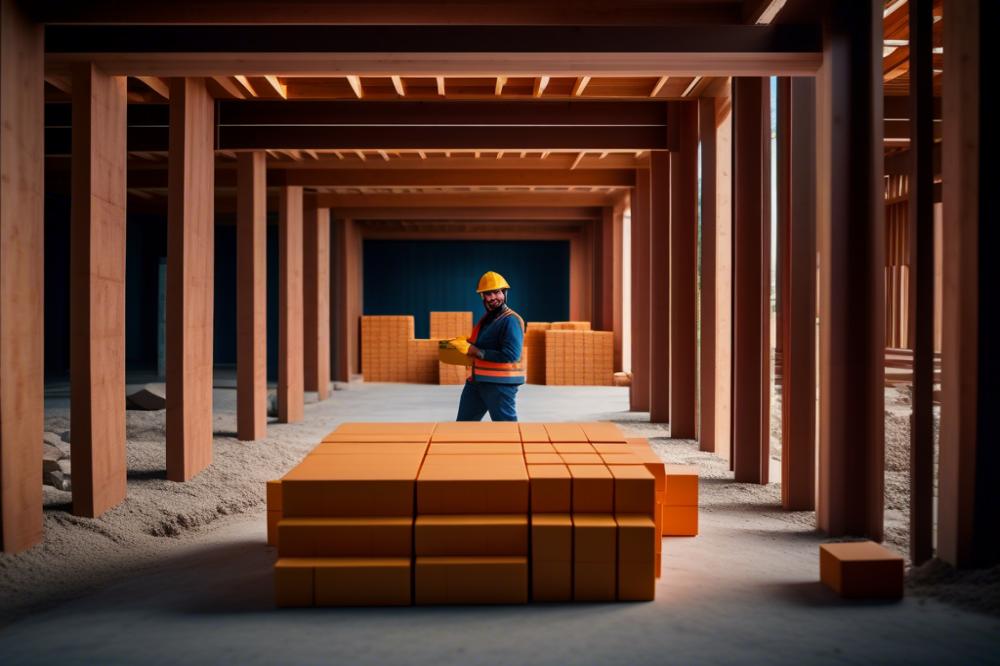
Building with compressed earth blocks presents a financially attractive option for many. These materials offer affordability that can change the landscape of housing construction. Often, the costs associated with traditional building materials can be prohibitive, especially for low-income families. In contrast, earth architecture promotes a more budget-friendly approach.
Affordable housing is a pressing issue in many communities. Using eco-friendly materials, such as these blocks, can address this challenge head-on. They significantly lower the financial barrier to homeownership. More people can achieve their dream of owning a home without the crushing debt often associated with conventional construction methods.
During construction, cost savings become evident. Workers can produce these blocks on-site, reducing transportation costs. This method not only slashes expenses but also limits reliance on imported materials. Maintenance costs are generally lower with compressed earth blocks, which tend to be durable and require less upkeep. Their energy-efficient properties can lead to further savings on utility bills over time.
Investing in soil stabilization techniques also plays a critical role in building with these materials. This process enhances strength and longevity, minimizing future repair costs. A low carbon footprint during production and installation aligns with sustainable development goals. Many communities benefit from such environmental initiatives while securing essential housing.
Construction innovation is crucial for adapting to today’s challenges. By embracing affordable solutions like compressed earth blocks, we can pave the way for healthier living conditions. Societies thrive when housing becomes accessible to all, regardless of financial status. As more people discover these benefits, we can expect a positive shift in community resilience.
Impact on Building Design and Earth Architecture
Compressed earth blocks are changing how we think about building design. As architects and builders embrace these eco-friendly materials, design choices are evolving. Traditional styles merge with modern techniques, creating a fresh approach to construction. Many structures now highlight natural aesthetics, with earth tones and textures often taking center stage.
Principles of earth architecture come alive through the use of these building materials. By utilizing local soil, buildings can better relate to their surroundings. This connection fosters a sense of place and cultural identity. Moreover, the technique of soil stabilization enhances durability, promoting longevity in construction.
One notable project is the Bus Rapid Transit station in Ahmedabad, India. This innovative design effectively showcases how robust and beautiful buildings can be created using compressed earth blocks. Its energy-efficient features not only reduce costs but also help in minimizing the environmental impact. Such projects serve as a model for sustainable development in urban environments.
Another inspiring example is a housing project in Mexico that focuses on affordable housing without sacrificing quality. Here, builders used these earth-based blocks to provide a cost-effective solution for low-income families. Homes constructed in this manner highlight the efficiency of natural materials while promising comfort and modern living.
Emphasizing sustainability, architects now explore how to integrate natural light and ventilation in their designs. Compressed earth blocks can contribute to energy-efficient spaces, allowing for passive heating and cooling. As more professionals recognize the benefits, we may see a rise in designs that prioritize ecological responsibility.
The use of these blocks also simplifies construction processes. Builders find that projects are quicker and less complex without compromising quality. This efficiency opens doors for more creative designs and structures, pushing the boundaries of what is possible in earth architecture.
In summary, compressed earth blocks are reshaping how we approach building and design. These materials influence not just structural choices, but also the broader narrative in Sustainable Construction. As this movement grows, the future of architecture will likely reflect a deeper respect for the environment and innovation.
Challenges and Future of Compressed Earth Blocks
Adoption of compressed earth blocks in mainstream construction faces many hurdles. One significant obstacle is the lack of awareness among builders and developers. Often, traditional materials dominate in popularity, making it difficult for eco-friendly alternatives to gain traction. Most construction companies hesitate to shift from established methods. Risks associated with new technologies can be daunting, despite the benefits.
Another challenge lies in the variability of soil composition. Not all soil types are suitable for creating these building blocks. This inconsistency can lead to difficulties in production and performance. Research is being conducted on soil stabilization techniques to enhance the properties of various soils. Improved methods can lead to stronger, more durable blocks that perform well across different environments.
Additionally, the market availability of building materials impacts the overall adoption. If these blocks are not readily available, builders may opt for conventional choices. Encouragingly, ongoing developments in production technologies seek to make these materials more accessible. Innovative machines are emerging that can produce compressed blocks faster and more efficiently.
Future potential for increased use in construction practices is promising, especially regarding affordable housing. With a strong focus on sustainable development, governments and organizations are pushing for green solutions. Builders are recognizing the importance of energy-efficient practices as well. This shift could lead to greater acceptance of alternative materials within the industry.
In urban areas, where housing demand continues to rise, utilizing sustainable building materials becomes critical. The environmental benefits are clear, as these practices can lead to a low carbon footprint. By adopting eco-friendly methods, cities can meet growing demands without compromising the planet. Educational programs aimed at builders and architects can also help boost interest and understanding of earth architecture.
Construction innovation will be essential as the world becomes more aware of its environmental impact. As research continues and awareness grows, the landscape of building materials may change dramatically. All signs point towards a future where compressed earth blocks could play an important role in creating sustainable buildings.
Final Thoughts
Transformative Influence
The impact of innovative building materials is significant in today’s construction industry. Compressed earth blocks represent a shift toward more eco-friendly practices. These materials promote energy efficiency and reduce waste. Additionally, they offer a sustainable alternative to traditional bricks and concrete. Accessibility is another key benefit. Using locally sourced materials can decrease transportation costs and carbon footprints.
Role in Sustainable Development
Eco-friendly building materials contribute to long-term sustainability. They help mitigate environmental degradation while supporting economic growth. Homes constructed with these materials often provide better thermal performance, requiring less energy for heating and cooling. This leads to lower utility bills for homeowners, making it a win-win situation. Communities can thrive when sustainable methods are prioritized.
Encouragement for Adoption
Adopting these blocks in construction initiatives is a path to a greener future. Builders and architects should explore this option further. Education and awareness about the benefits are crucial. If more people consider these materials, the industry could revolutionize. Sustainability begins with thoughtful choices in design and construction. Together, we can create a positive change for future generations.


