

Introduction
crypto-trading-strategies”>Decentralization has emerged as a significant trend within various fields, including actuarial science and cryptocurrencies. This shift moves away from traditional centralized systems, aiming to distribute power and decision-making processes across a wider network. As a result, businesses can operate with greater autonomy and flexibility. In the world of finance, blockchain technology plays a crucial role in facilitating this change. It provides a secure method for recording transactions, enhancing transparency and trust in data handling.
Understanding how this shift influences risk management is vital for both insurers and consumers. Traditional actuarial practices rely heavily on centralized data sources and established models. New methods, however, incorporate risk assessment processes that harness decentralized data streams. This evolution can reshape how companies approach financial modeling, allowing them to better anticipate future risks.
Several key terms are essential for grasping this topic. First, blockchain is a decentralized digital ledger that records transactions across many computers, preventing alterations without consensus from the network. Next, actuarial science is the discipline that applies mathematical and statistical methods to assess risk and uncertainty in insurance and finance. Both concepts play a critical role in how organizations manage risks today.
The benefits of Decentralization, combined with data analytics and improved governance, can lead to a more resilient system in Actuarial Risk Management. As industries adapt to these innovations, the potential for enhanced risk mitigation grows. Embracing this shift could provide insurers with powerful tools to navigate an evolving risk landscape.
Decentralization
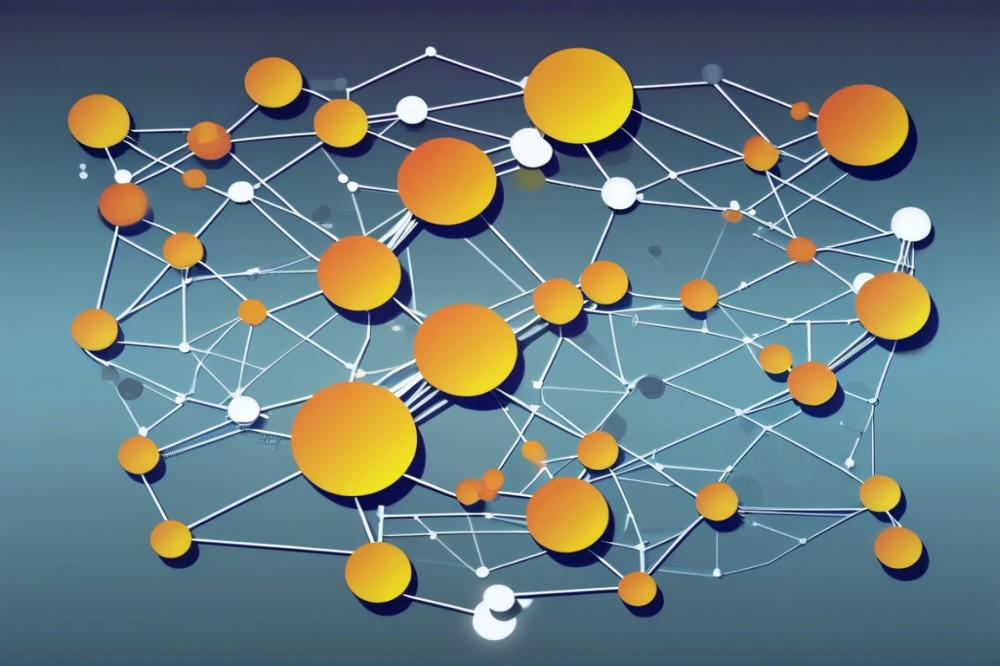
Understanding decentralization starts with its definition. It refers to the distribution of power away from a central authority. This principle fosters greater involvement from various stakeholders, allowing for increased participation and collaboration. Decisions can be made by those directly affected, rather than dictated from above. Such a structure promotes autonomy in decision-making, which can be particularly important in sectors like finance and insurance.
Role of Blockchain Technology
Blockchain technology plays a crucial role in enabling decentralization. It provides a secure and transparent way to record transactions. Each user in the network holds their copy of the data, which enhances resilience against fraud and hacking. data analytics can improve risk assessment by utilizing the information stored on a blockchain. With this technology, businesses can analyze risk in real-time, enhancing their financial modeling capabilities.
Implications for Traditional Financial Systems
What does this mean for traditional financial systems? For starters, there is potential for a significant shift in governance. Traditional institutions often rely on centralized control. Decentralization disrupts this model, leading to new challenges and opportunities. Companies might need to adapt to maintain their competitive edge. Enhanced data integrity and security can benefit insurance providers in their pricing strategies and claims processes.
Adopting these changes introduces a range of decentralization benefits for businesses. By using blockchain, companies have the chance to streamline operations and cut costs. Insurance firms, for example, could automate claims processing. This reduces the time required for resolving claims while offering customers a better experience.
The shift towards decentralization will undoubtedly reshape how various sectors operate. It encourages collaboration across different groups and can lead to more responsible governance practices. As actuarial science evolves, professionals must learn to navigate this changing landscape. Understanding these dynamics is essential for effective risk management in an increasingly complex world.
Risk Assessment in Decentralized Systems

Risk assessment in decentralized environments presents a number of challenges. Lack of central authority can lead to fragmented data and inconsistent practices. Actuaries often find themselves navigating a complex web of information that demands close attention. Traditional methods rely heavily on centralized control, making it simpler to gather and analyze data. Without a single point of oversight, risk managers face the difficulty of merging various sources of information.
Challenges of Risk Assessment in Decentralized Environments
One of the biggest hurdles is ensuring data accuracy. Different stakeholders may collect information in varying formats. This inconsistency can lead to potentially erroneous conclusions. Moreover, data privacy is a concern, as sensitive information can be challenging to protect across multiple platforms. Maintaining a clear governance structure becomes crucial to address such complexities.
Comparison with Traditional Risk Assessment Methods
In traditional systems, risk assessment follows a more straightforward approach. Actuaries often have a set framework to work within. They can easily pull from historical data stored in a central database. In contrast, decentralized environments may be scattered, requiring more time for analysis. This decentralized nature impacts the speed and effectiveness of financial modeling. Therefore, actuaries must adapt their strategies to cope with this new landscape.
The Role of Data Analytics in Improving Risk Assessment
Advanced data analytics plays a vital role in enhancing risk assessment. With powerful algorithms, actuaries can derive insights from large volumes of data. This technology allows for pattern recognition, helping to identify potential risks earlier. By leveraging blockchain, professionals gain unprecedented visibility into transactions and behaviors. Such transparency can bolster confidence in risk evaluations while minimizing the chance of unexpected events.
Use of Automated Systems for Real-Time Risk Management
Automated systems prove essential in managing risks in real time. These systems can rapidly process information, helping to provide timely updates on risk status. Automation reduces human error and accelerates the decision-making process. Real-time monitoring allows businesses to adjust their strategies based on immediate data. This agility is a significant advantage compared to traditional methods, which often involve slow feedback loops.
Decentralization benefits organizations by fostering resilience through local autonomy. With a more diversified approach, companies may be better equipped to withstand shocks. Effective governance is crucial in these environments to create a balance between independence and coordinated oversight. Overall, adapting to these changes in risk assessment requires an evolutionary mindset among actuaries.
Financial Modeling and Actuarial Science

Impact of Decentralization on Financial Modeling Practices
Decentralization brings significant changes to financial modeling practices within actuarial science. Traditional methods often relied on centralized data sources. Now, models can incorporate a wider variety of data, enhancing risk assessment. Actuaries can analyze information from numerous independent nodes. This shift allows for a more robust view of risks.
Integration of Blockchain Data in Actuarial Models
Blockchain technology is starting to transform how actuaries develop their models. It provides a permanent and unchangeable record of transactions and data. With blockchain, data quality and transparency improve substantially. Actuaries can access real-time information, which aids in accurate predictions. This integration supports better decision-making in the insurance world.
Development of New Models to Address Decentralized Risks
As new risks emerge from various decentralized platforms, the need for innovative modeling grows. Actuarial science must evolve to accommodate these unique challenges. Risk portfolios now include decentralized finance and other non-traditional assets. Creating specialized models helps organizations understand and manage these risks effectively.
Importance of Autonomy in Modeling and Decision-making
Autonomy in financial modeling plays a crucial role in today’s environment. Actuaries benefit from having the freedom to make independent decisions. This flexibility allows quicker adaptation to changing conditions. Heterogeneous governance structures also promote resilience. By allowing teams to explore novel approaches, organizations can remain competitive.
Decentralization Benefits for Insurance
Enhancing Insurance Products and Services
New approaches in insurance can arise from reduced central control. Autonomy in operations allows for quicker adaptations to market demands. Insurance products can become more tailored when local data drives decisions. Increased customer involvement leads to offerings that better meet individual needs. Data analytics can target specific demographics, creating personalized policies. This customization can improve customer satisfaction and retention.
Resilience and Transparency in Insurance Markets
Resilience becomes a key characteristic of decentralized insurance markets. By spreading risk across many participants, these systems can withstand shocks better. Transparency is significantly improved through the use of technology like blockchain. Everyone can access essential information in real-time. This openness helps build trust between insurers and their clients. When customers feel informed, they are more likely to engage in the service.
Case Studies of Decentralized Insurance Platforms
Several platforms illustrate the success of this model. One notable example is a blockchain-based system that offers peer-to-peer insurance. Participants pool their resources to cover each other’s claims. In another instance, a decentralized platform saw a dramatic reduction in processing time for claims. These case studies emphasize efficiency and community engagement, showcasing beneficial outcomes for all parties involved.
Governance Structures in Decentralized Insurance
Effective governance structures are crucial for the functioning of these systems. Distributed decision-making allows stakeholders to have a voice in key processes. Participants can be more closely involved in setting rules and policies. This active participation leads to enhanced accountability. Moreover, financial modeling becomes more participatory, allowing diverse opinions to guide strategic planning. By sharing governance, participants can address issues proactively, leading to improved outcomes.
Transforming Data Analytics with Blockchain
Blockchain technology is changing the way organizations handle data analytics in risk management. One major advantage lies in its ability to provide a transparent and immutable record of information. Data stored on a blockchain cannot be altered retroactively. This type of security is crucial for sectors such as insurance where accuracy is vital for financial modeling and risk assessment.
With decentralized data storage, the chances of data breaches diminish significantly. Each piece of information is distributed across a network of computers. This method not only enhances data integrity but also builds trust among stakeholders. Insurers can operate with greater confidence knowing that their data is safeguarded against manipulation.
Predictive analytics plays a key role in actuarial science. By leveraging blockchain, actuaries gain access to real-time data streams. This access improves insights into risk profiles and helps in adjusting policies accordingly. Moreover, the ability to analyze a wider range of data types enhances the accuracy of predictions. This results in better underwriting practices and improved policyholder experiences.
Decentralization benefits also include increased autonomy for data providers. Companies can manage their data directly, reducing the inefficiencies tied to centralized databases. Governance structures around data can become more inclusive, allowing for collective decision-making. Such changes foster resilience and adaptability in changing market environments.
Challenges and Limitations
Decentralization in Actuarial Risk Management presents several challenges. While the approach offers autonomy and potential resilience against centralized failures, it can also introduce complications. For instance, fragmented decision-making can lead to inconsistent risk assessments. Different teams may interpret data analytics in various ways, resulting in a lack of coherence across the board.
Regulatory considerations pose significant hurdles. The insurance sector is heavily regulated, and decentralized operations can blur compliance lines. Each local jurisdiction may have distinct requirements. Keeping track of these diverse regulations can be daunting. If a firm operates in multiple areas, staying compliant becomes even more complex. Every region may demand different types of financial modeling and reporting methods.
Moreover, effective governance must balance decentralization benefits with organizational unity. Clear structures and guidelines are crucial for ensuring quality and consistency. Without strong oversight, risks could be overlooked or mismanaged. The use of blockchain technology shows promise for improving transparency. However, without strategic governance, implementing such innovations may not deliver the desired outcomes.
Another limitation to consider is the potential for gaps in actuarial science knowledge. Specialists in different locations might not have access to the same information or tools. This disparity can further complicate unified risk evaluation efforts. Collaboration becomes essential, but it might be hindered by geographical distances or differing priorities.
Actuarial teams are tasked with understanding and mitigating risks. As they navigate the intricacies of data, a centralized focus may provide more straightforward oversight. The interplay of individual autonomy with overall company directives requires careful management. Balancing these aspects can lead to improved strategies, or it could create further discord.
Final Thoughts on Risk Management in Decentralized Environments
Summary of Key Points Discussed
The conversation around decentralized systems has grown noticeably. These systems transform how organizations manage risk. Traditional actuarial practices rely heavily on central data sources. With the shift to distributed models, actuarial risk management faces both challenges and opportunities. Improved transparency is one key benefit. Also, access to real-time information aids in risk assessment, allowing actuaries to respond more dynamically. Data analytics have become essential tools, enhancing the quality of insights actuaries can deliver.
Future Outlook
Looking ahead, the intersection of decentralized frameworks and actuarial science presents intriguing possibilities. As technologies continue to develop, actuarial professionals might find themselves adapting more. Emerging models can provide unprecedented insights, while also introducing new types of risks. Collaboration and communication will become vital as actuaries navigate these shifting environments. Embracing innovation will be crucial. New approaches to risk management could redefine standards in the industry.
Final Thoughts
The landscape of risk management is certainly evolving. The integration of heterogeneous data sources offers a broader view of potential risks. Actuaries will need to leverage these advancements to remain relevant. As they adapt to this changing environment, their work will likely become more strategic. Overall, the future of actuaries in a decentralized world appears promising. Readers should keep an eye on developments in this area. This shift may reshape many aspects of the actuarial profession for years to come.


