Introduction
herb gardening can be a rewarding experience for anyone. Growing various plants brings a sense of satisfaction and allows you to enjoy the unique flavors and benefits they provide. Including a variety of herbs in your garden not only enhances your cooking but can also contribute to your health. Each herb offers something different, whether it’s an aromatic flavor for your dishes or important medicinal properties.
One herb that stands out in any herb collection is rue. Known for its distinct smell and flavor, rue adds unique character to culinary creations. Beyond its culinary attributes, it also has a rich history in traditional medicine. Rue benefits include various uses such as acting as a pest repellent and supporting digestive health. Learning how to Grow Rue can greatly enhance your gardening experience while providing you with valuable insights into herbal remedies.
As you cultivate your garden, consider the importance of incorporating diverse plants. Combining culinary herbs with medicinal herbs creates a balanced environment that can thrive. These outdoor herbs can contribute to a healthy lifestyle and elevate your home cooking. Practicing the right plant care and following gardening tips will help you make the most of your herb collection. When you decide to Grow Rue, you’re choosing a plant that has both historical significance and modern-day applications.
Being able to Use Rue in your daily life is a fantastic way to connect with nature. Herbs with such versatility can significantly impact your meals and health routines. As you explore the world of herbs, remember the value each one brings to your table and well-being.
Grow Rue
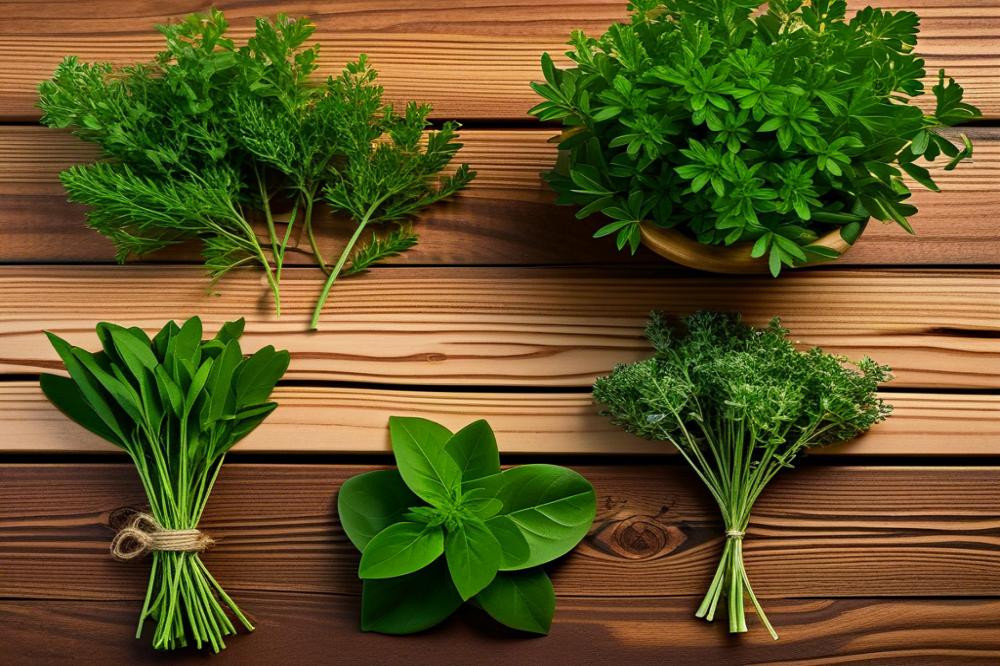
Rue is a notable aromatic plant that has been valued for centuries. Traditionally, it is known for its use in both culinary and medicinal herbs. Many gardeners enjoy its distinct scent, which adds character to any herb collection.
Ideal Growing Conditions
This herb flourishes under full sunlight, requiring at least six hours of direct light each day. Well-draining soil is crucial for its health. Rue prefers a slightly alkaline soil pH, around 7.0 to 8.0. If you live in a temperate climate, rue will thrive. It tolerates heat but struggles in extreme cold. During winter, it may need extra protection.
Propagation Methods
You can propagate rue through seeds or cuttings. Seeds should be sown indoors in early spring to give them a head start. Transplant them outside when conditions are suitable. Alternatively, take cuttings from established plants in summer. Place these cuttings in moist soil, and they will root over time.
Planting and Spacing Tips
When planting rue, consider spacing plants at least 18 inches apart. This space allows them to grow without crowding, helping with air circulation. If you group a few together, it creates an appealing look in your garden. Remember that rue can repel some pests, making it a smart companion plant in outdoor herb gardens.
Growing rue can enrich your herb gardening experience. Its benefits range from culinary uses to potential medicinal properties. With proper plant care, this herb can flourish and provide a unique addition to your home or garden.
Plant Care
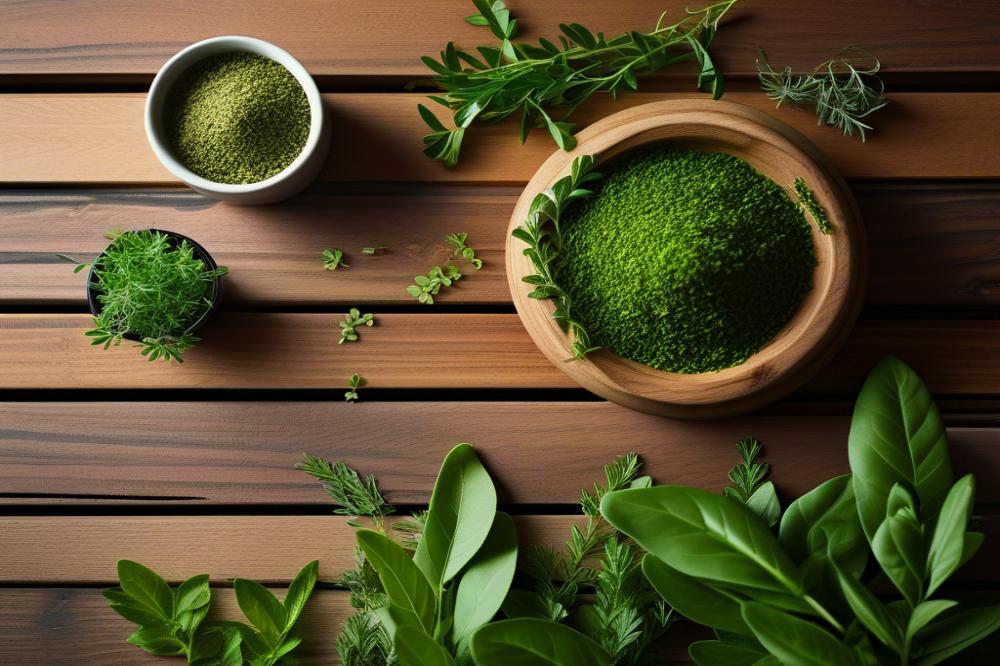
Watering rue is essential for its growth. Allow the soil to dry out between waterings. Too much moisture can cause root rot. Deep watering once a week is often sufficient. During the hotter months, you may need to check the plant more frequently. A well-draining soil mixes helps create the right environment. Using a balanced fertilizer can also benefit the plant, especially in the growing season.
Pest Control and Diseases
Rue can face various pests. Aphids and spider mites are common nuisances. Look closely at the leaves for any signs of these pests. If you spot them, using insecticidal soap can be effective. Fungal infections might also occur, especially in humid conditions. Proper spacing between plants helps improve air circulation, reducing the risk of disease.
Maintaining Healthy Plants
Trimming rue regularly will promote bushier growth. Removing dead or wilted leaves allows the plant to focus on new growth. Additionally, it prevents the plant from becoming too leggy. Aim to keep the plant at a manageable size to ease care. Overgrowth can lead to pests finding a cozy home in dense foliage.
Seasonal Care Tips
In spring, it’s time to prepare rue for the growing season. Lay down mulch to retain moisture and suppress weeds. Summer will demand more attention to watering. Ensure that your plant isn’t getting burned by the sun. In autumn, you should consider harvesting leaves for culinary uses. In winter, you might need to protect it from frost, especially if your region experiences cold temperatures.
Rue Benefits

Medicinal uses: historical and contemporary
Rue has a long history in herbal medicine. Ancient Greeks and Romans valued it for various health benefits. Traditionally, ailments like headaches and digestive issues were treated with rue. Even today, some herbalists promote its use for minor pains and inflammation. However, it is essential to be cautious. Some people may have sensitivities to rue. With any medicinal herb, consulting a healthcare professional is always wise.
Culinary uses and recipes featuring rue
Cooks have incorporated rue into their dishes for centuries. Its strong, somewhat bitter flavor can enhance certain recipes. In Mediterranean cuisine, rue is often paired with meat and fish. One could use it in sauces for added complexity. If you’re adventurous, try infusing olive oil with rue for a unique dressing. When using culinary herbs like rue, smaller amounts tend to work better. Balance it with milder flavors to avoid overpowering a dish.
Rue as a pest repellent and its role in herb gardening
Gardening enthusiasts find rue’s pest-repelling abilities intriguing. This herb can help keep unwanted insects away from your plants. Many gardeners agree that including outdoor herbs like rue in their plots improves overall health. Its strong scent deters certain pests, making it a natural choice for organic gardening. Mixing rue in herb collections not only adds interest but can also protect other plants. When practicing effective plant care, consider the benefits it brings.
Other beneficial properties: aromatic qualities, insect attraction
Rue is known for its distinct aroma, which some describe as citrusy and herbal. This scent can attract beneficial insects to your garden. Pollinators like bees may be drawn to rue plants, adding diversity to your herb gardening efforts. Additionally, its leaves can be used in sachets for a natural freshening agent. Many appreciate the unique blend of benefits that rue offers, making it a valuable addition to your collection. Exploring these aromatic plants opens up many possibilities within a garden setting.
Incorporating Rue into Your Herb Collection

Adding rue to your herb gardening repertoire opens up new possibilities for flavor and health. This charming plant pairs well with various culinary and medicinal herbs. Consider combining it with thyme and rosemary for a robust flavor in savory dishes. Basil and rue work nicely together too; their contrasting scents and tastes can elevate any meal. When thinking about medicinal herbs, rue complements chamomile and peppermint, creating a soothing blend ideal for teas.
Strategies for Growing Rue in Small Spaces or Containers
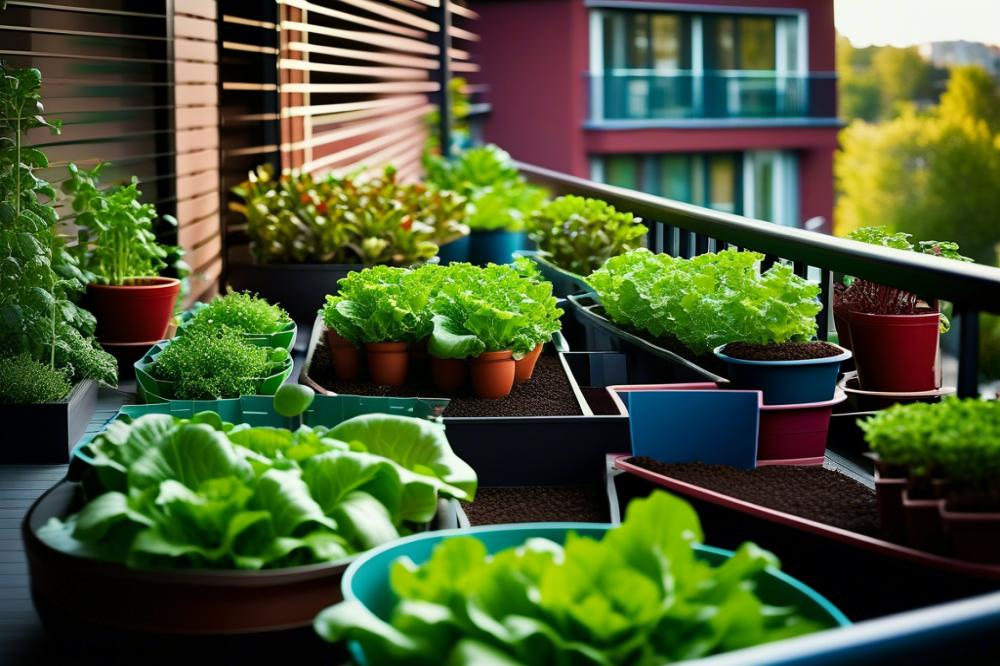
Growing rue in small spaces requires some thoughtful planning. Pots or containers are perfect for this herb, especially if you lack garden beds. Choose a container that allows drainage while providing enough room for root growth. Look for a sunny spot for your plants, as rue prefers full sunlight. As part of your plant care routine, remember to water it moderately—this herb does not like to sit in water. For urban dwellers, consider a vertical garden; this method frees up ground space while still letting you enjoy outdoor herbs.
Creative Uses of Rue in Cooking and Herbal Remedies
Culinary applications for rue may not be as well-known as other herbs, but they are worth exploring. Use small amounts to flavor meats or add to marinades. Rue can also enhance vegetable dishes. Some cultures include it in sauces and soups, contributing a distinctive taste. Apart from culinary uses, rue extracts serve as useful medicinal remedies. This herb has historical significance in treating various ailments, from digestive issues to fevers. Try dried rue in sachets to create a natural pest repellent; the strong aroma wards off unwanted insects.
Gardening Tips for Rue Cultivation
Common Mistakes to Avoid When Growing Rue
Growing rue can be rewarding, but some pitfalls may affect your success. Overwatering is a frequent issue for many gardeners. Rue prefers well-drained soil and does not thrive in soggy conditions. Failing to provide adequate sunlight is another common error. This herb requires plenty of direct light each day to flourish. Also, watch out for overcrowding. When plants are too close together, airflow is restricted, leading to potential disease. Lastly, don’t ignore pests. Even though rue has some pest-repelling qualities, it can still fall victim to common garden nuisances like aphids or slugs.
Best Practices for Harvesting and Storing Rue
Harvesting rue requires care to maintain its flavor and medicinal properties. Aim to pick leaves in the morning when the oils are most concentrated. It’s best to use scissors or garden shears to avoid damaging the plant. Leave a portion of the stem and leaves so the herb can continue to grow. After gathering rue, wash the leaves gently and dry them. Storing them in a cool, dark place helps maintain freshness. Dried rue can be kept in airtight containers but should be used sparingly because its flavor is potent.
Innovations in Herb Gardening with Rue
The rise of urban gardening has sparked new interest in optimizing small spaces. Growing rue in containers is becoming popular. Containers allow gardeners to control soil quality and sunlight exposure effectively. Vertical gardening techniques can also be beneficial. Utilizing wall planters can maximize space while creating a unique aesthetic. Additionally, combining rue with other culinary herbs can enhance your herb collection. This not only provides variety but also offers diverse rue benefits. Research on companion planting is growing, showing that pairing rue with certain plants can help repel unwanted pests, creating a thriving garden.
Wrapping Up the Benefits of Growing Rue
Growing rue in your herb collection can bring a significant advantage to your gardening experience. This versatile plant is rich in history and offers various uses, from cooking to medicinal purposes. Many people may overlook rue, but it holds a special place in the world of herbs. It’s not just another green; it’s a plant that has been valued for centuries.
Experimenting with rue in your garden can be a rewarding journey. Consider planting it alongside other herbs to discover how they can complement each other. Different soil conditions and sunlight can help you see variations in rue’s flavor and aroma. Don’t be afraid to try new recipes using fresh leaves or dried sprinkles. The process of herb gardening can be enlightening. Each step teaches you more about plants and their potential in our lives.
Incorporating this herb into your daily routine can enhance both health and flavor. Rue possesses several properties associated with traditional healing. It can be an interesting addition to your collection of medicinal herbs. Use it wisely – a pinch can elevate a dish, while excessive amounts should be avoided. Enjoy the journey of learning how to Use Rue effectively, and let it inspire your culinary adventures.