
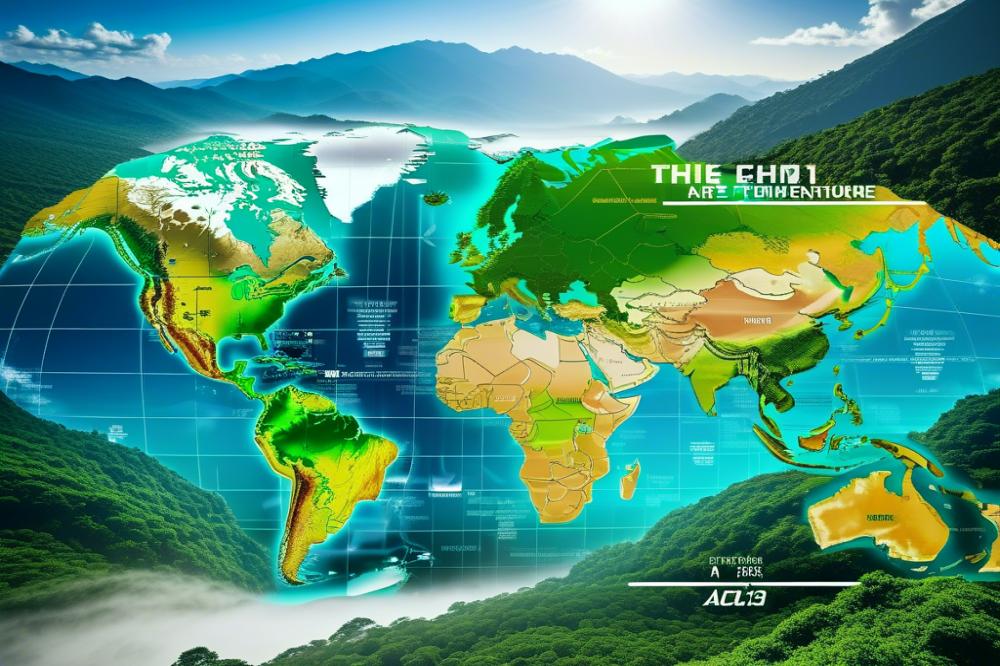
Understanding weather patterns for Asian Travels
Knowing the weather is crucial when planning trips across Asia. The continent features diverse climate zones that change dramatically from one region to another. Travelers may encounter everything from tropical rainforests to arid deserts. Comprehending these conditions can enhance the travel experience, allowing for better preparation.
Asia’s vast geography leads to many distinct regional climates. For instance, Southeast Asia is known for its intense humidity and biannual monsoon seasons. In contrast, northern areas may have harsh winters with significant temperature fluctuations. Such differences impact outdoor activities, sightseeing, and cultural experiences.
Seasonal changes play a vital role in travel planning. Summer in one part of Asia might coincide with the dry season in another, making it essential to consider timing. A good understanding of how weather patterns affect local environments enhances the ability to pack appropriate clothing and plan itineraries.
Moreover, local meteorology can provide insights into what to expect. Knowing average humidity levels and temperatures assists in visualizing daily routines abroad. Travel tips often emphasize checking weather forecasts closer to departure dates, which can lead to smarter packing choices and a more enjoyable trip. Cultivating climate understanding is not just practical but also enriches a traveler’s appreciation of the destinations visited.
Understanding Asian travel weather
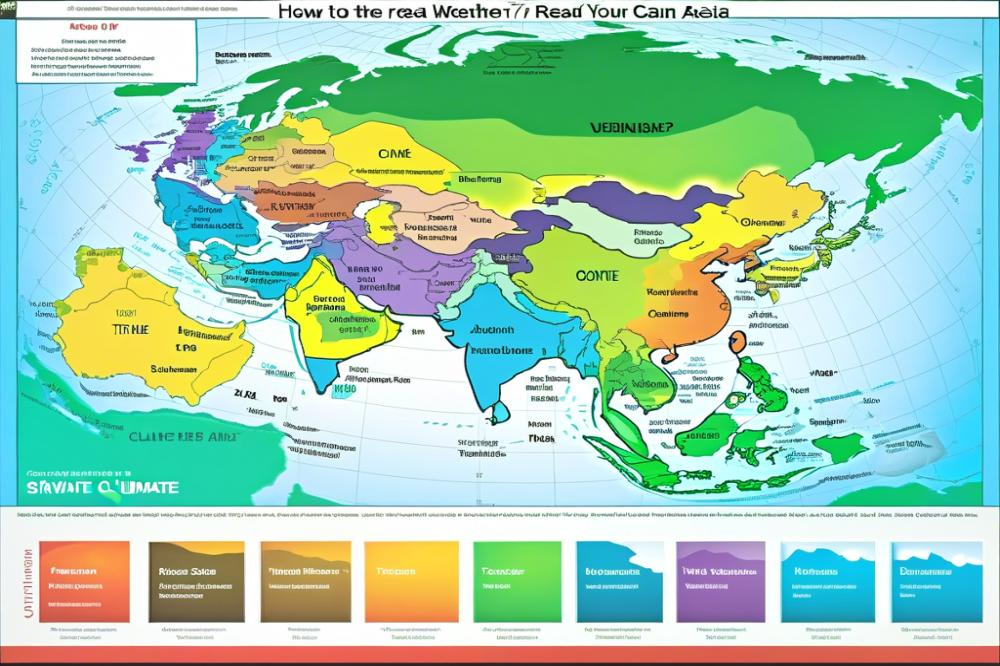
Asia is a vast continent with diverse climate zones. From tropical jungles to arid deserts, the regional climates vary greatly. Travelers should familiarize themselves with these differences to enjoy their journeys. Each zone has unique weather patterns and seasonal changes that can impact a trip.
Climate Zones in Asia
Asia’s climate can be categorized into several zones. The tropical zone, found in areas like Southeast Asia, features high temperatures and immense rainfall throughout the year. Central Asia experiences an arid climate, with hot summers and cold winters. Meanwhile, temperate regions, such as parts of East Asia, have distinct seasons with notable temperature fluctuations.
Regional Climates
In the tropical areas, high humidity levels contribute to the feel of the heat. Monsoon seasons typically bring heavy rain, especially in countries like India and Bangladesh. On the other hand, the arid climates in countries such as Mongolia and parts of China tend to be dry, with limited rainfall. Understanding these regional distinctions helps with travel planning.
Weather Patterns and seasonal changes
Weather patterns shift across Asia throughout the year. In tropical regions, expect significant rain during the monsoon months, usually from June to September. Temperate zones, such as Japan and Korea, see lovely spring blossoms, followed by hot summers and colorful fall foliage. Cold winters can surprise travelers visiting northern regions, demanding a good understanding of seasonal activities.
Seasonal Changes and Temperature Fluctuations
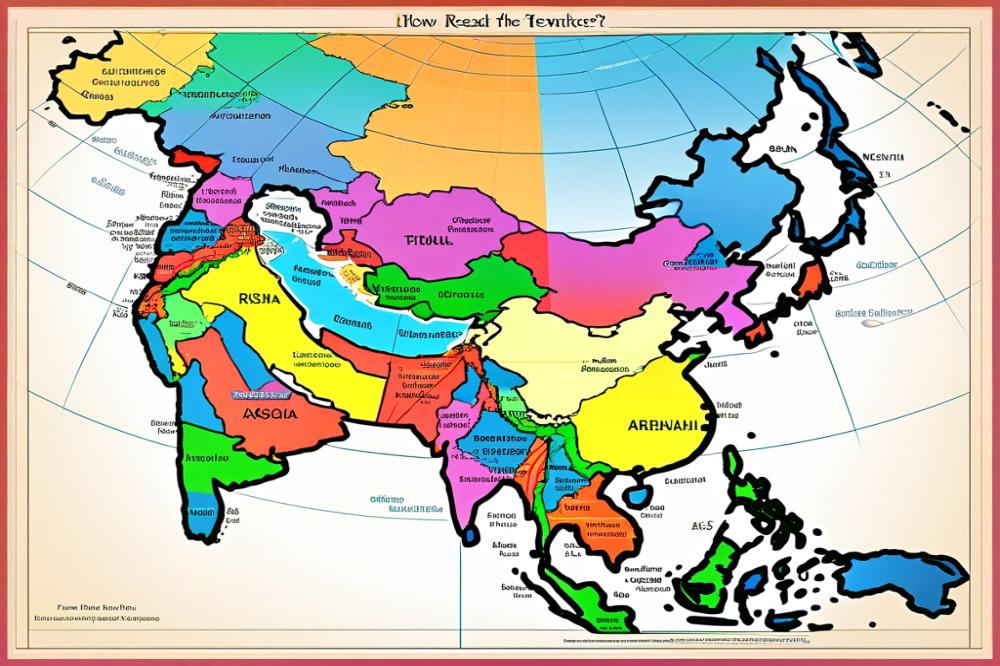
Understanding seasonal changes is key to enjoying travel in Asia. Each region presents its own distinct climate conditions. For instance, the northern parts like China and Mongolia face cold winters, while places like Thailand and Indonesia enjoy warm weather year-round.
In many tropical areas, such as those near the equator, the climate remains relatively stable throughout the year. Humidity levels can soar, though. Rainfall patterns vary greatly, often influenced by diverse weather patterns. Monsoon seasons play a significant role, bringing heavy rains to places like India and Southeast Asia during specific months.
Temperature fluctuations also deserve attention. In countries like Japan, the mercury can dip dramatically between seasons. Winters are chilly and summers can be scorching. On the other hand, the climate in Vietnam often remains warmer even when the north experiences winter conditions. These shifts in temperature affect not just comfort but also what travelers should pack.
Considering local seasons is vital for successful travel planning. During the dry season, activities like sightseeing and outdoor adventures are more enjoyable. Conversely, heavy rains during the monsoon can disrupt plans. Researching regional climates ahead of time informs decisions better.
Travel tips can help navigate these variations smoothly. Travelers might want to visit countries like Nepal in spring or autumn for the best weather. Each region offers unique experiences influenced by its climate. Knowledge of meteorology can enhance adventures and make trips more memorable.
In summary, becoming familiar with the distinct seasonal changes across Asia can guide smarter travel choices. Observing temperature patterns and understanding humid conditions can lessen surprises once you arrive. Enjoying the uniqueness of each destination often relies on the right timing with respect to regional climates.
Humidity Levels and Their Impact
Humidity levels vary greatly across different Asian regions. In Southeast Asia, the climate is often hot and sticky, especially during the monsoon seasons. Conversely, places like Northern China experience dryer winter months. Understanding these regional climates can help travelers prepare for what lies ahead.
Comfort is significantly affected by humidity. High humidity can make temperatures feel warmer than they actually are. This can lead to feelings of discomfort and fatigue. The air feels heavier during these sticky conditions, which makes outdoor activities challenging. Touring major attractions can quickly become exhausting when the air is thick and damp.
When planning your trip, consider seasonal changes. For instance, Thailand has a distinct wet season, where rainfall is frequent. Meanwhile, Japan sees unpredictable weather patterns during its spring months. Travelers should research the month they plan to visit for a better idea of what to expect.
Temperature fluctuations can also be part of the equation. Daytime may be sweltering, yet nights can bring cooler air. Balancing your wardrobe for these shifts can enhance your overall travel experience. Always pack breathable clothing, especially when tackling humid regions.
Tips for Managing Humidity During Travels
Staying hydrated is essential in high-humidity environments. Water should be your primary beverage. Avoiding excessive caffeine and alcohol can also help reduce dehydration risks. Additionally, carrying a portable fan or towel can provide some relief when outdoors.
Planning indoor activities during peak heat hours can help. Museums, shopping malls, and cafes offer a break from the oppressive air. Many cultures have spaces specifically designed to escape the heat, like air-conditioned public centers.
Pacing yourself is equally important. Don’t rush through your itinerary. Allow time for breaks, especially in regions with high humidity. Listening to your body can make a significant difference in enjoying your travels.
Monsoon Seasons Across Asia
Monsoon seasons play a significant role in the climate of various Asian countries. These weather patterns bring heavy rainfall and can impact your travel plans. Understanding the seasonal changes in the regions you plan to visit is crucial.
Different Countries, Different Monsoons
In India, the monsoon typically runs from June to September. This season results in intense rainfall, especially in southwestern regions. Meanwhile, in Southeast Asia, countries like Thailand and Vietnam experience similar patterns but often from May to October. In East Asia, Japan sees a wet season called “tsuyu,” which usually occurs from June to mid-July.
Impact on Travel Plans
Heavy rains can cause transportation delays and affect outdoor activities. Humidity levels also increase, making travel uncomfortable for some. Tourists might find that certain attractions are less accessible. However, this season also brings lush landscapes, enhancing natural beauty. Travelers should adjust their itinerary around these weather shifts.
Travel Tips for the Monsoon Season
Planning is essential when traveling during the monsoon. Choose destinations with indoor activities or cultural significance to make the most of your trip. Carry waterproof gear such as jackets and bags. Expect temperature fluctuations; it can be hot and humid one moment, then cool and rainy the next. Stay informed about local meteorology to avoid sudden storms.
Travelers should be flexible with their plans. Booking accommodations that offer conveniences, such as covered walkways or indoor dining, can improve your experience. Exploring rural areas may be difficult, but city attractions often remain open. Don’t shy away from experiencing the vibrant energy that comes with monsoon rain.
Practical Travel Tips for Weather Preparedness
Essential Travel Tips for Male Travelers in Relation to Weather
Packing appropriately is vital for any trip. Always check the region’s typical weather patterns before departing. Knowing about local climate zones can guide your packing choices. For example, if you’re headed to a tropical area, light clothing will be necessary. Layering is useful for destinations with temperature fluctuations, as you might encounter cool mornings and warm afternoons. Familiarize yourself with the timing of monsoon seasons, especially if traveling to countries like India or Thailand. When you arrive, take note of the humidity levels. High humidity can make warm weather feel even hotter. Staying hydrated is key to enjoying your travels.
Recommended Gear for Different Climates and Conditions
Selecting the right gear is essential. For tropical climates, breathable fabrics like cotton or linen will help manage sweat. Waterproof jackets and sturdy shoes are necessary for regions prone to heavy rain. When visiting mountainous areas, ensure you have a good pair of hiking boots and a warm jacket. Sun protection is crucial in sunny locations, so don’t forget sunscreen and a wide-brimmed hat. In colder climates, thermal layering will keep you warm. Always carry an umbrella or poncho if you expect rain. Specific locations may require unique gear. Researching these needs early can save time and enhance your comfort while traveling.
How to Read Weather Forecasts and Local Meteorology
Reading weather forecasts can seem daunting, but it’s a valuable skill. Start by checking reliable weather apps or websites. Pay attention to temperature forecasts and precipitation chances. These sources often discuss seasonal changes, which can affect your plans. If you’re in a new area, local news stations may offer unique insights into regional climates. Understanding weather lingo can help too. For instance, “chance of rain” suggests preparedness might be wise. Look for patterns in local meteorology, such as shifts in wind directions or pressure systems. Observing the sky can provide clues as well. For example, dark clouds might indicate a storm is approaching. In addition, consider chatting with locals. They often have the best knowledge about weather trends and can offer practical travel tips.
Final Thoughts on Weather and Travel in Asia
Understanding the weather is crucial for anyone planning a trip to Asia. This vast continent experiences a mix of climates. From tropical rainforests to arid deserts, each area presents its own weather patterns. Knowing what to expect can make your journey smoother. Many travelers overlook the importance of this knowledge, which can lead to unpleasant surprises.
Using what you know about seasonal changes can greatly enhance your travel experience. Planning activities around the best times of the year will improve your enjoyment. For instance, visiting Southeast Asia during the dry season often results in sunnier days. Likewise, those venturing to the snowy mountains should check for winter conditions. This way, you will avoid heavy rainfall or unexpected cold spells.
Enjoyment should not entirely depend on perfect weather. Every climate has its charm, and sometimes challenges lead to the most memorable experiences. Keep an open mind about what each season offers. Whether it’s exploring lush landscapes after a rain or appreciating a city’s rhythm during a bustling monsoon, there is beauty everywhere. Embrace the full range of what Asia’s climate can provide, and your travels will be all the richer for it.


