Understanding the Importance of Olive Farming
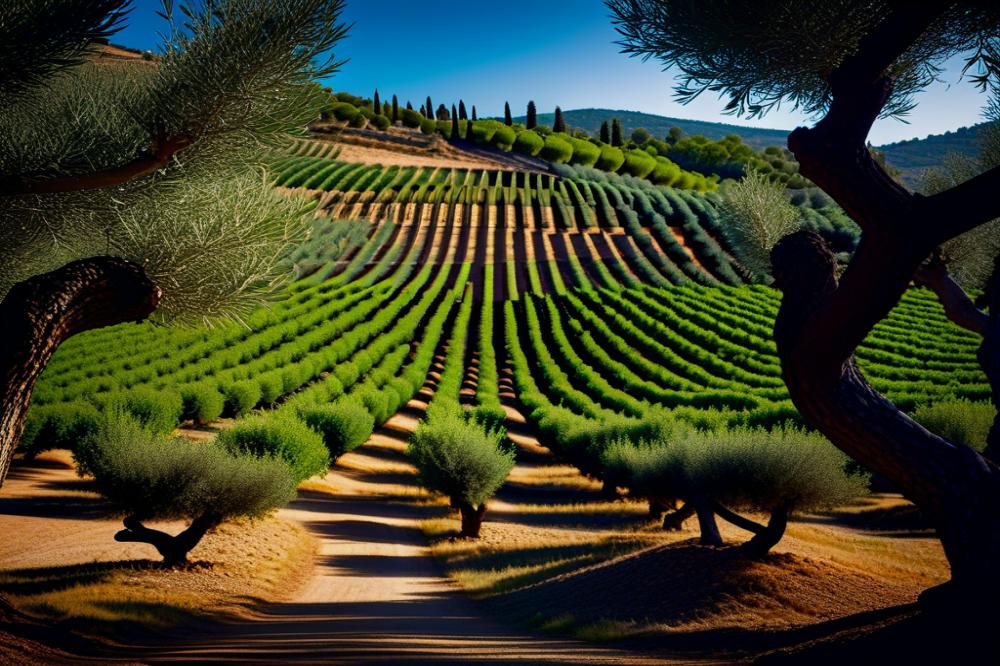
Olive farming holds a significant place in agriculture. This ancient practice has been fundamental in many cultures for thousands of years. Not only does it produce one of the healthiest oils, but it also creates table olives enjoyed worldwide. The economic impact can be substantial for regions that cultivate olives. Many farmers rely on this crop for their livelihood.
Selecting the right olive varieties is paramount. Choosing the correct type affects both oil quality and taste for eating. Different olives yield different flavors and health benefits. For chefs and home cooks, the desired flavor and texture will vary based on what they intend to create. Some olives are perfect for producing oil, while others are unmatched for eating fresh or in salads.
Cultivating olives requires careful thought and knowledge. Various factors influence success, including climate, soil quality, and variety chosen. It is vital to match the right type of olive to the intended use. Without this consideration, harvests may not meet quality expectations or market demands.
Farmers and consumers should prioritize what they want from their olives. Understanding the varieties available helps in making informed decisions. Research can lead to rewarding choices that enhance culinary experiences. With the right information, both producers and buyers will benefit. In the world of olive farming, knowledge shines as a guiding light.
For those navigating this fascinating endeavor, resources are available. Finding guidance on which types work best for oil or table use can be a game changer. Connecting with experts can provide valuable insights. Overall, selecting the right olive variety is essential for anyone interested in the intricate world of olives. Explore more about #anchor_text_1# to deepen your understanding and appreciation. You can also discover various types of olives and what they offer through #anchor_text_2#.
Understanding Olive Varieties
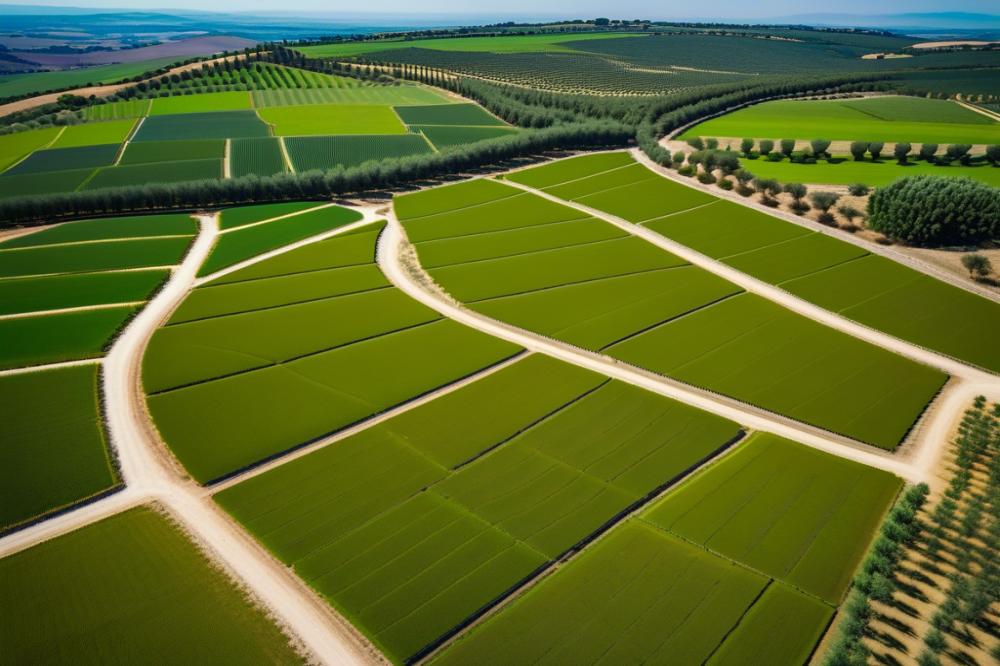
Many different olive varieties exist, each offering distinct flavors, textures, and uses. When it comes to olives, they fall into two main categories: those meant for oil production and those designated for table consumption.
Types of Olive Varieties
Common oil olive varieties include Arbequina, Koroneiki, and Picual. Arbequina offers a fruity taste and is popular for its smooth oil. Koroneiki, originating from Greece, has a robust flavor and high oil content. Picual is favored for its stability in cooking and its peppery finish.
Table olives like Kalamata, Manzanilla, and Castelvetrano draw attention for their unique textures and tastes. Kalamata olives are known for their almond shape and bold, fruity flavor. Manzanilla tends to be small with a mildness that many enjoy. Castelvetrano stands out due to its sweet, buttery taste.
Distinguishing Factors
Several characteristics set oil olives apart from table olives. Oil olives generally possess higher levels of oleic acid, which contributes to lower acidity in the oil. These varieties typically have a firmer flesh, making them less palatable for direct consumption. Conversely, table olives often require curing to remove bitterness, making them more suitable for eating raw.
Hybrid Olive Varieties
With the rise of agriculture and consumer demands, hybrid olive varieties have emerged. Cross-pollination of different species leads to these unique strains. They often aim to combine desirable traits of both oil and table olives. For instance, certain hybrids may produce oil with exceptional taste while maintaining a pleasant texture for snacking.
Understanding these diverse olive varieties and their applications is essential for selecting the right type for your needs. Knowing the distinctions between oil olives and table olives offers valuable insight for both producers and consumers alike.
Factors to Consider in Selection
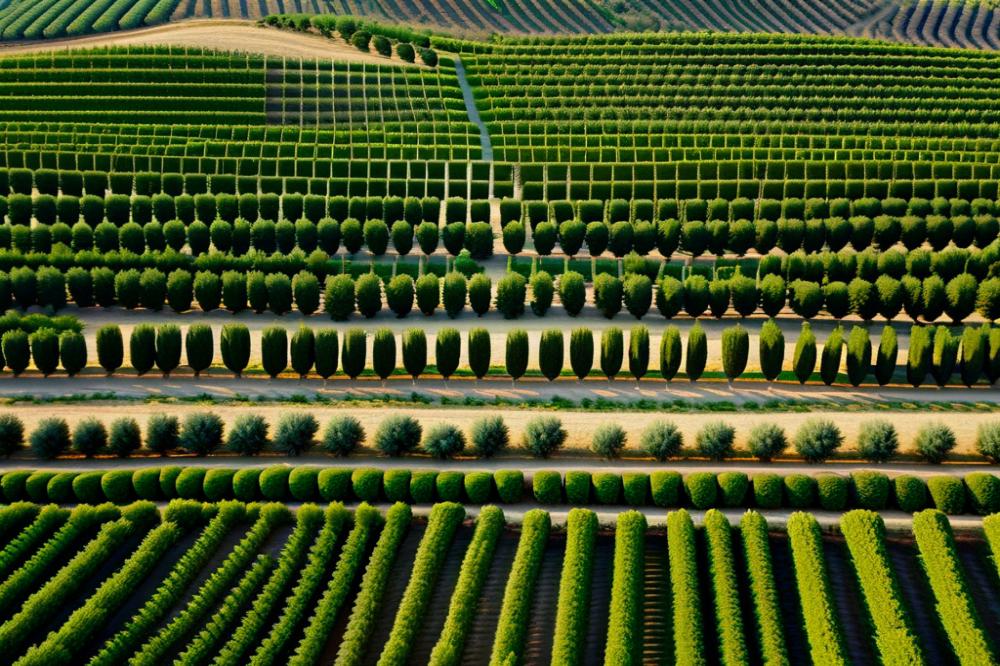
When selecting olive varieties, climate and soil conditions play a crucial role. Olives thrive in warm, sunny environments. Areas with Mediterranean climates are known for being optimal for olive growth. Well-draining soil is also essential. It influences root health and nutrient absorption. Heavy, clay soils can hinder olive development and impact yield.
Understanding Oil Yield and Flavor Profile
When choosing olives for oil, oil yield and flavor profile must be considered. Different varieties produce different amounts of oil. Some olives are prized for their high oil content, while others may offer a more intense flavor. Varieties like Arbequina can yield a fruity oil with a smooth finish. In contrast, Koroneiki is renowned for its peppery taste. The bitterness and fruitiness can greatly affect culinary uses.
Importance of Fruit Size and Texture for Table Olives
Fruit size and texture hold significance when selecting olives for table use. Larger olives can be more appealing and are often preferred in salads and appetizers. The texture of the flesh matters too. Softer olives may be easier to eat, while firmer ones may hold up better in preparations. Varieties like Castelvetrano stand out for their large size and buttery texture. Meanwhile, Kalamata olives are recognized for their deep flavor and smooth skin.
Regional Considerations
Local climate and culture play significant roles when choosing olive varieties. Different regions present various growing conditions, which can greatly affect the type of olives that thrive. For example, Mediterranean climates with warm, dry summers and mild, wet winters are ideal for many olive trees. In contrast, areas with harsher winters may struggle to grow certain types of olives.
In Spain, the Picual olive is widely known. This variety is prized for its oil, boasting a robust flavor and high oil content. On the other hand, the Arbequina olive, also from Spain, is popular for table use due to its small size and delicate taste. Moving over to Italy, the Frantoio olive stands out. It’s favored for its high-quality oil and fruity flavor. The Leccino variety is another Italian favorite, often used for both oil and table olives.
While traditional varieties have a long history, commercial olives are becoming more common. Farmers often choose commercial breeds for their disease resistance and high yields. These olives can produce oil efficiently but sometimes lack the distinctive flavors of traditional types. Balancing tradition with modern agriculture can be a challenge in many regions.
Cultivating olives is not just about the climate. Culture also plays a pivotal role in what varieties are preferred. In Greece, the Kalamata olive is synonymous with its cuisine. This variety is an essential part of Greek salads and other dishes. Each region has its own preferences and culinary applications, adding richness to the world of olives.
In summary, when determining the right olive varieties, it is crucial to think about local conditions and culinary traditions. Varieties like Picual, Frantoio, and Kalamata each have specific qualities suited to their environments and uses. Understanding these differences can greatly influence decisions, ensuring you select olives that align with your needs.
Harvesting and Processing Implications
Choosing the right olive variety is crucial, especially when it comes to harvesting techniques. Some olives mature early in the season while others ripen later. Early harvest olives often yield higher acidity levels. This acidity can enhance flavor, but it also means the fruit must be handled carefully. If olives are injured during picking, they can spoil quickly. Some varieties are easier to pick than others; for instance, the Arbequina variety has small, compact fruit that’s simple to harvest.
The processing methods that follow the harvest can vary widely based on the selected type of olive. Green olives are typically processed for oil differently than black ones. The oil extraction from green olives often involves lower temperatures to preserve certain flavor profiles. On the other hand, ripe olives may require different treatments to extract their oils effectively. A method called cold pressing is favored for many high-quality oil olives. This approach helps maintain the oil’s freshness and taste.
Moreover, the choice of olive variety plays a significant role in the quality and taste of the oil produced. Varieties like Picual can produce oil with a strong, pungent flavor, which many chefs adore. This variety also tends to have a longer shelf life due to its natural antioxidants. Conversely, oil extracted from varieties like Kalamata often has a fruity, mild taste. Such oils are perfect for drizzling on salads or using in dressings. The diversity among varieties means that oil quality can range from grassy and peppery to sweet and floral.
Every detail, from the way olives are harvested to the method of oil extraction, impacts the end product. The expertise of the harvester and the producer can differentiate top-quality oil from a less desirable version. Knowing these facts helps consumers make informed choices. Whether for culinary uses or eating straight from the jar, the right variety matters greatly.
Market Demand and Consumer Preferences
Current trends show that many consumers prefer high-quality olive oil and table olives. A noticeable shift has occurred towards organic and sustainably sourced products. People want transparency in what they consume. This desire shapes the choices made by producers and farmers.
Market demand significantly influences variety selection. Higher demand for specific types of oils can result in farmers focusing on those varieties. For olive oil, consumers often look for flavors like fruity, peppery, or nutty. Such preferences guide producers on which olives to plant.
Many consumers are keen on health benefits. They often seek oils rich in monounsaturated fats and antioxidants. This trend affects the cultivation of certain olive types. Farmers might prioritize health-centric varieties over others that don’t meet these criteria.
The dynamic between supply and demand can put pressure on growers. If niche varieties do not attract a strong consumer base, the investment could backfire. For example, rare olives may not sell well, resulting in potential losses.
Some producers explore less common varieties in hopes of carving out a special market. However, this path comes with inherent risks. A niche product can fail to find its audience, leaving farmers in a challenging position. Trends can shift quickly, leading to uncertain outcomes.
Consumer preferences play an essential role in shaping plant choices. Varieties that once thrived may find themselves suddenly out of favor. Monitoring trends will be essential for anyone serious about production.
Producers should continually analyze market preferences. Incorporating feedback is important for keeping up with evolving tastes. Adapting to what consumers want ensures that olive growers stay competitive.
In conclusion, the landscape of olive production is complex. Understanding what consumers favor can guide effective planting decisions. Yet, risks exist in selecting less mainstream varieties. Successful producers will navigate this tricky balance with care.
Final Thoughts on Choosing Olive Varieties
Selecting the right olive varieties for oil or table use is a crucial decision for farmers. Knowledge about local climate and soil conditions can greatly impact the success of the chosen type. Different olives yield varying qualities of oil or can enhance the dining experience on the table.
Farmers should take the time to research their options before making a choice. Consideration of growth characteristics, disease resistance, and market demand is vital. Each olive variety has its own flavor profile and harvesting needs. Understanding these factors can aid in maximizing both yield and quality.
Aligning variety choices with market trends can lead to better profitability. Oils that are highly sought after may require specific olives. At the same time, local consumer preferences for table olives should drive selections. Fulfilling market demands can create a competitive edge.
Environmental conditions also play a significant role in this decision. Farmers need to evaluate how different olives thrive in their specific locations. Assessing factors like temperature and rainfall can guide this process effectively. Ignoring these aspects might lead to challenges down the line.
In summary, a comprehensive approach to selecting olive varieties will yield the best results. Farmers should make informed choices by considering both market conditions and environmental factors. This careful selection will pave the way for success in the olive industry, whether for oil production or table use. Connect with other farmers to share experiences and gain insights, fostering a supportive community. Remember, the journey in cultivating olives is as important as the olives themselves. Explore resources such as #anchor_text_3# and #anchor_text_4# for further guidance and information.