
London’s American Trail: Discovering the Connections
Exploring London offers a remarkable journey through the roots of American history. The city is a testament to the intertwined tales of British and American narratives, particularly for travelers coming from the United States. An intriguing way to experience this shared past is through London’s American Trail, a curated route that highlights significant landmarks. This journey captures the essence of expatriate life and historical interactions between the two nations.
One key stop along this trail is Benjamin Franklin‘s House. Located in the heart of London, this site provides insight into the life of one of America’s founding figures. Franklin lived in this home during the 18th century. He was involved in the early steps toward American independence, and this location served as a hub for discussions on liberty and governance.
Another landmark that cannot be overlooked is Grosvenor Square. This spacious area has long stood as a symbol of British-American relations. Its history is peppered with stories of diplomats and expatriates who shaped the cultural landscape. The square’s elegant architecture and tranquil gardens invite visitors to reflect on the past amidst modern London life.
A walking tour encompassing these sites offers more than just sightseeing. It brings history to life, allowing participants to understand the significance of these historical landmarks. From tales of the American Revolution to the enduring legacy of cultural heritage, every step tells a story worth discovering.
For American travelers, London’s American Trail is more than just a path; it is a connection to their roots. Each landmark serves as a reminder of the shared journey between nations. As you walk through these streets, remember the profound impact of American history in London and the enduring ties that bind these two cultures.
American history in London
London has long been a meeting point for cultures. The connection between the American colonies and this great city is rich and complex. During the colonial period, many figures played significant roles in shaping the future of the United States. Notably, Benjamin Franklin‘s House can be found here, a site steeped in history. Franklin lived in London for many years and worked tirelessly for American interests.
The American Revolution marked a turning point. London became a center for British governance while the colonies pushed for independence. British officials debated contentious issues concerning the colonies in grand buildings throughout the city. This tension left a profound mark on historical landmarks across the capital.
Expatriates contributed to a unique chapter in British-American relations. Many Americans found themselves living in London after the revolution. They brought with them ideals of freedom and democracy that influenced both societies. Through their interactions, a blend of cultures emerged. Their presence helped shape modern London, leaving behind a legacy of hope and diplomacy.
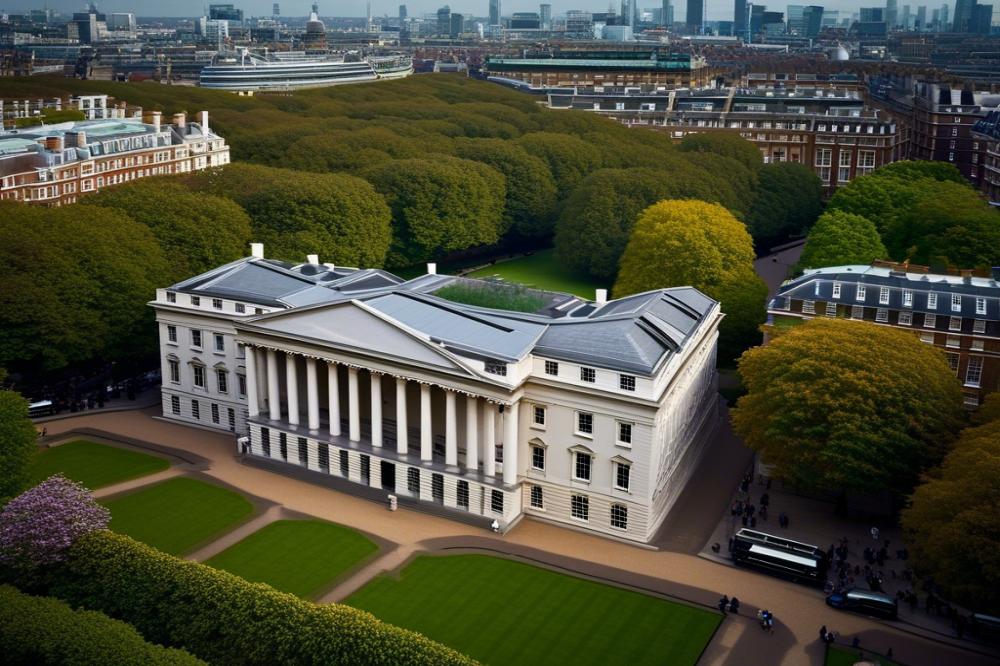
During this walking tour, one can feel the pulse of the past. Grosvenor Square stands as a testament to those connections. Its architecture reflects the history of expatriates who once walked its pathways. Exploring the square, visitors can see how the cultural heritage of both nations is intertwined.
Revolutionary ideas flowed between the two lands. London was not merely the heart of the British Empire; it was the stage for debates that influenced American thought. The tensions echoed through the streets and into the homes of many who lived here. The city remains a reminder of that historic struggle and the quest for independence.
Benjamin Franklin’s House
Benjamin Franklin, one of America’s Founding Fathers, had a significant connection to London. He lived in the city for nearly 16 years during the 18th century. This period was pivotal for both Franklin and his homeland. He engaged with British society and politics, laying the groundwork for future diplomatic relations.
The historical importance of Franklin’s House is profound. It served as his residence from 1757 to 1775. This era marked the growing tension between the American colonies and Great Britain. While living there, Franklin worked tirelessly to foster understanding between the two sides. The home became a hub for expatriates seeking to bridge cultural divides.
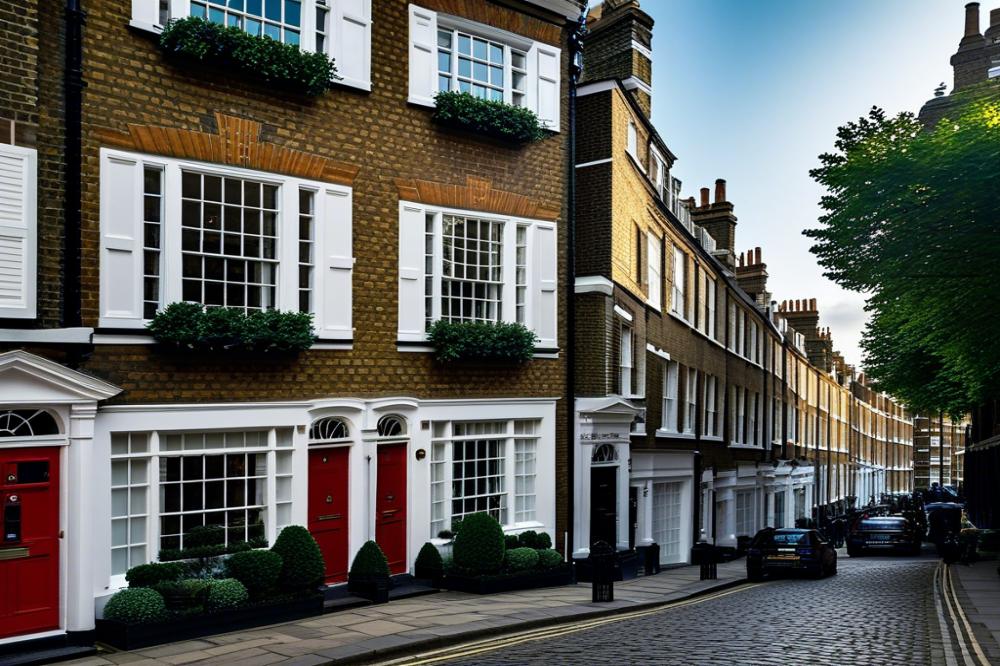
Architecturally, Franklin’s House features elements typical of mid-18th-century London. Its brick façade and quaint wooden interior reflect Georgian styles. Visitors can appreciate the craftsmanship of the period. The home is also a symbol of cultural heritage, representing the crossroads of British-American relations. A walking tour of the area can leave one in awe of the historical landmarks nearby.
Franklin’s role in diplomacy was crucial during the American Revolution. He acted as a liaison between the colonies and France, securing vital support for independence. His ability to communicate and negotiate helped shape the future of a new nation. Franklin’s House stands as a testament to those efforts, reminding us of his commitment to liberty and collaboration.
Historical Landmarks on the Trail
Walking through London offers a glimpse into the deep connections between the United States and Britain. The trail features several key historical landmarks that resonate with the stories of American expatriates. Each site adds a layer to the narrative of British-American relations, particularly during the period leading up to the American Revolution.
Benjamin Franklin’s House
Located at 36 Craven Street, Benjamin Franklin’s House stands as a testament to the Founding Father’s time in London. From 1757 to 1775, Franklin lived here while serving as the colonial agent for Pennsylvania. This brick-built Georgian townhouse showcases the architectural style of its era, featuring a charming façade and elegant interiors. The significance of this site is profound, as it was here that Franklin penned letters that would shape American diplomacy. His work in London played a critical role in influencing British public opinion regarding the colonies.
Grosvenor Square
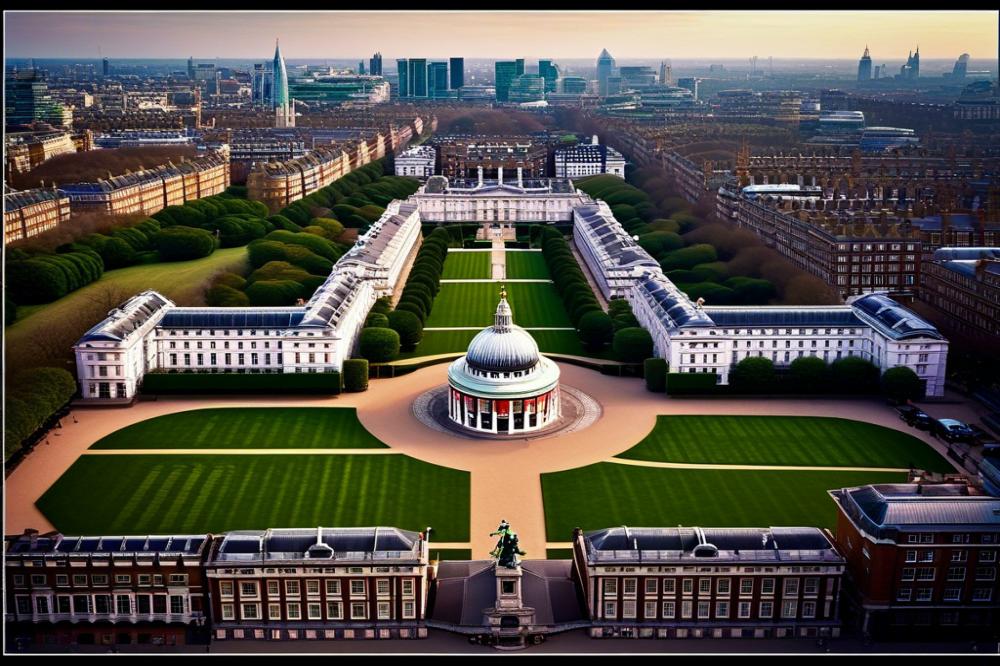
Next, Grosvenor Square serves as another important landmark on the American trail. Once the largest square in London, it was established in the 17th century. This square has seen numerous gatherings, including those associated with the American Revolution. During the 18th century, many wealthy Americans, including expatriates, settled in its vicinity. The American Embassy, a modern addition, now occupies part of this historical space, symbolizing the enduring bond between the countries.
The Foundling Museum
The Foundling Museum, though not exclusively American, highlights the influence of Thomas Coram, who helped establish the first children’s home in London. American philanthropists were engaged in the project, which aimed to provide care for abandoned children. The building itself reflects a neoclassical style, typical of the 18th century. The museum preserves the history of social reform and the impact of American ideals on British social practices.
St. Paul’s Cathedral
St. Paul’s Cathedral is another significant landmark worth mentioning. This iconic structure was designed by Sir Christopher Wren and completed in the early 18th century. The cathedral is an architectural marvel with its grand dome dominating the London skyline. During the American Revolution, it became a symbol of resilience for both Americans and Britons. Benjamin Franklin and other expatriates often visited this space, adding to its layers of history.
Other Notable Sites
As you explore further, don’t miss the old City Hall, where many expatriates gathered to discuss politics and culture. Various taverns and coffeehouses once served as meeting places where American ideas flourished. The architecture of these establishments often features ornate details that reflect the trade and cultural exchanges taking place in London.
This walking tour presents a unique opportunity to reflect on the shared history of these nations. London, with its rich cultural heritage, provides a striking backdrop to understand the roles played by American expatriates throughout the years. Each landmark tells a story of connection, influence, and the ongoing dialogue between two countries.
Walking Tour of the American Trail
Explore London’s rich cultural heritage with a walking tour that connects key sites linked to American history. Begin your journey at Benjamin Franklin’s House. This charming museum showcases Franklin’s life in London during the 18th century. Take a moment to enjoy the exhibits that detail his contributions to both British-American relations and the American Revolution.
After soaking in Franklin’s world, set off towards Grosvenor Square. This area has deep ties to the American expatriate community. Walk through the peaceful streets of Mayfair, where elegance meets history. Be sure to admire the stunning architecture along the way. Each building tells a story of a different time.
Your first stop along the route can be St. George’s, Hanover Square. This historic church features beautiful designs and an atmosphere that transports you back in time. Many notable individuals are buried here, including a few famous American expatriates. Stopping here reminds visitors of the ties that bind both countries.
Continuing on, head towards Berkley Square. This square is known for its serene park and impressive Georgian architecture. It offers a perfect spot to relax and reflect on the journey so far. Perhaps take this time to appreciate how architecture from this period influenced the development of American cities.
Now, make your way to the US Embassy, located near Grosvenor Square. This modern structure represents the lasting friendship between the United Kingdom and the United States. As you get closer, take notice of its unique design and the flag waving proudly outside.
Consider taking side streets to find hidden gems. Small cafes and shops often carry authentic American goods. These spots offer a delightful twist to the walking tour. Engage with local vendors or grab a coffee to power through the final leg of your walk.
As you reach Grosvenor Square, enjoy the vibrant energy of this historic area. The square is a place of remembrance, including the impressive memorials honoring those who served. Walking through these grounds allows for a reflection on the profound impact of the American Revolution.
To make the most of your experience, set aside at least three hours for this walk. Bring a camera to capture the beauty of these historical landmarks. Simple planning can enhance your tour significantly. Comfortable shoes will help as you navigate city streets. Also, consider downloading a walking tour app for interesting narratives about each site you visit.
Remember to stay hydrated and snack along the way. A packed lunch or local treats can add to the experience. Observing both visitors and locals can offer insights into daily life in London today.
Cultural Heritage and Modern Connections
The story of the American Revolution has left a lasting mark on London. This city serves as a bridge between two nations. Historical landmarks, such as Benjamin Franklin’s House, remind us of the past. These sites attract visitors who want to understand the shared history of England and America. They provide insight into the lives of important figures and their roles in shaping events. Walking tours often include Franklin’s residence, drawing connections from then to now.
Today, American culture thrives in London, influencing British-American relations. Various events throughout the year celebrate this bond. From film festivals to art exhibitions, these occasions highlight the contributions of both countries. Institutions like the American School in London also play a key role in building ties. They educate future generations about American culture right in the heart of the UK.
Moreover, expatriate communities enrich London’s vibrant tapestry. Americans living abroad bring their own traditions, food, and ideas, fostering a blend of cultures. Neighborhoods around Grosvenor Square often host gatherings and functions that showcase this diversity. These celebrations embody the modern exchange of customs and philosophies between the United States and Britain.
Architecture, too, speaks volumes about cultural heritage. Buildings in which American diplomats reside often echo the historic ties. They reflect influences from both countries’ designs, creating a unique atmosphere. Streets filled with bookstores, cafes, and boutiques offer a taste of America to locals and tourists alike.
Local organizations work tirelessly to strengthen the connection. The British-American Business Council is one example, promoting trade and cooperation. They organize events that encourage networking among businesses from both nations. Such efforts remind residents of London that the American spirit remains alive and well.
Reflecting on London’s American Trail
Exploring London’s American Trail reveals a rich tapestry of connections between the United States and Britain. Each stop along this journey, from Benjamin Franklin’s House to Grosvenor Square, offers a glimpse into the shared past. Travelers can appreciate how history shapes modern relationships and cultural exchanges.
Engagement with these historical landmarks allows visitors to connect with the stories of those who walked these streets before them. Each site tells a tale of revolution, diplomacy, and innovation. American history resonates in these locations, encouraging a deeper understanding of events that still influence our world today.
Traveling along this trail promotes awareness of historical threads that bind nations. Recognizing these links fosters appreciation for the complexities of our shared heritage. By visiting these significant sites, individuals not only learn about the past but also gain insights that remain relevant today.
Adventure beckons in London, where history meets modern life. A journey through the American Trail is an opportunity to step into history while reflecting on its significance. Engaging with these narratives enriches the travel experience, creating lasting memories and deeper connections with the past. So, venture forth and explore. You might just discover more than you expected.


