
Introduction
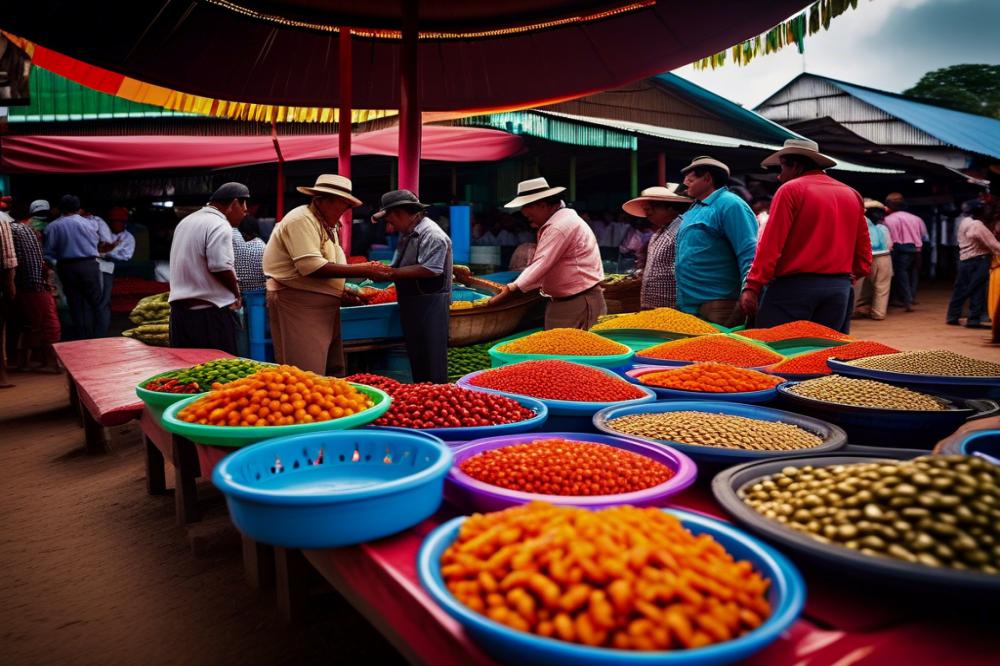
Culinary travel offers countless adventures for food lovers around the globe. One exciting aspect is visiting vibrant fish markets. These markets are not just places to buy seafood; they also serve as cultural hubs. They showcase local traditions and provide fresh ingredients that define regional cuisine.
In the heart of Bolivia lies a fascinating example: the Mercado de Pescados in Rurrenabaque. This market teems with energy and color, inviting both locals and travelers to explore its offerings. Visitors can witness incredible biodiversity through the assortment of river fish. Locals often gather here to find the freshest catches, reinforcing the market’s vital role in daily life.
fish markets hold great importance in local culture and cuisine. They connect communities and support sustainable fishing practices. Across Bolivia, indigenous communities take pride in their fishing traditions. These traditions help preserve the ecosystem while providing delicious meals. Culinary tourism thrives in such settings, drawing people eager to experience authentic flavors.
Exploring the Mercado de Pescados is more than just a shopping trip; it’s an opportunity to delve into the essentials of Rurrenabaque‘s culture. The market offers a glimpse into sustainable practices and the intricate balance of nature and culinary art. Travelers can appreciate the deep connections formed through food and community. A visit here enriches the journey, leaving lasting memories of Bolivia’s Amazon.
Mercado de Pescados: A Snapshot
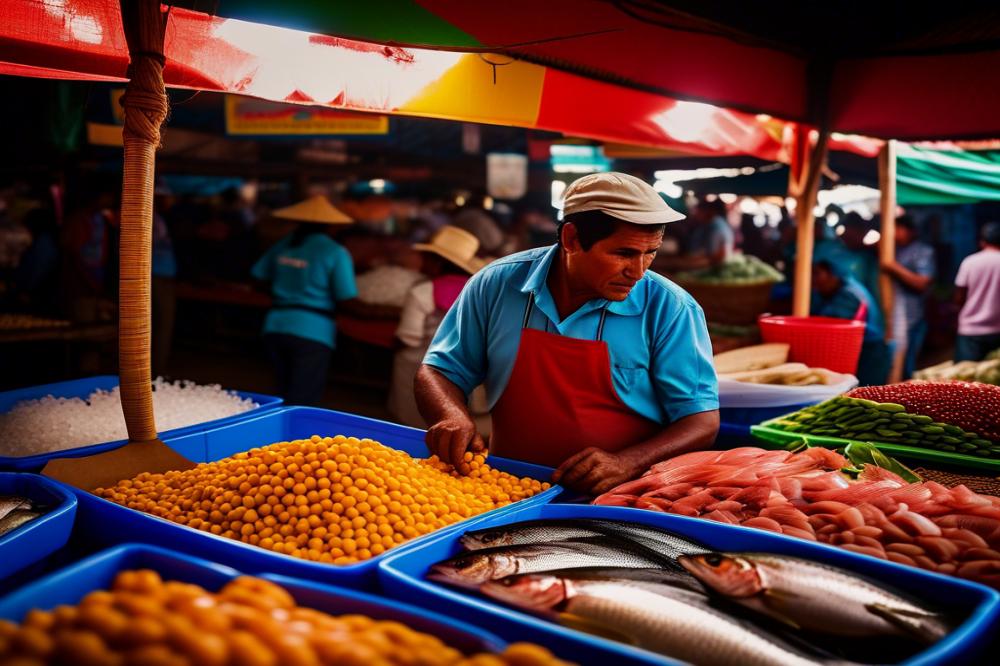
The Mercado de Pescados is a bustling fish market located in Rurrenabaque, Bolivia, nestled along the banks of the Beni River. This lively spot serves both locals and tourists looking to experience authentic Amazonian flavors. Within the market, vendors display an array of river fish that speak to the region’s rich biodiversity.
Structure and layout define this market’s charm. Stalls are simple yet vibrant, with colorful signs and baskets brimming with fresh catches. Visitors can wander through narrow aisles, observing locals negotiating prices while the aroma of freshly prepared fish fills the air. Natural canopies provide shade from the tropical sun, making it comfortable to explore at any time of the day.
Choices abound here, from classic varieties like pirarucu and paiche to lesser-known species. Seasonal catches dictate availability, ensuring that both regular and rare finds can be discovered throughout the year. Indigenous communities often sell their unique catches here, adding cultural depth and history. Many vendors practice sustainable fishing, prioritizing the health of the river ecosystem.
This market is vital for local culture and the community. It acts as a hub for social interaction, where friendships are forged and exchanges are made. Every purchase supports families who depend on fishing for their livelihood. Culinary tourism thrives in this environment, inviting travelers to taste authentic dishes prepared with fresh ingredients from nearby waters.
Eco-tourism also plays a crucial role. The Mercado de Pescados exemplifies how commerce can interact positively with conservation efforts. Visitors often leave with more than just fish; they gain a deeper understanding of the Amazon’s delicate ecosystem and the importance of protecting it. For many, this market reflects the heart of Rurrenabaque and its connection to the river and community.
Biodiversity of the Amazon
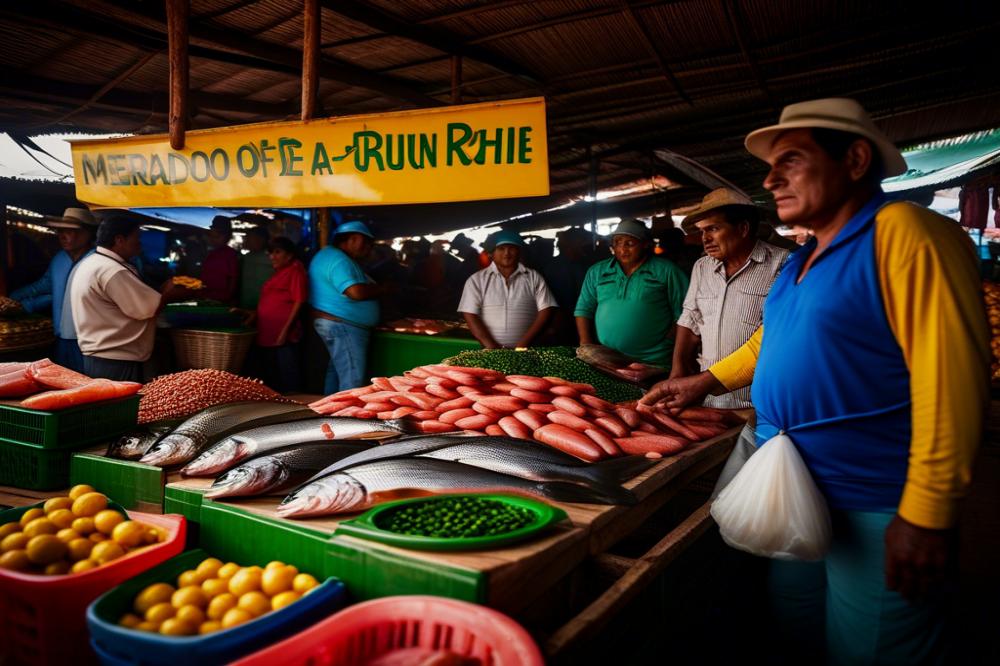
The Amazon is a vibrant ecosystem, teeming with life. Its aquatic biodiversity is one of the richest in the world. Fish are a crucial part of this diversity. Numerous species inhabit the rivers, each adding to the richness of local culture in Bolivia.
Common freshwater fish like the tambaqui, peacock bass, and piranha thrive here. Many of these species hold great significance for indigenous communities. They depend on river fish for their daily meals and traditional recipes. Fishing is not merely a way to eat; it is woven into the fabric of their cultural identity.
Sustainable fishing practices come into play when it comes to protecting this biodiversity. By managing fish populations responsibly, families can enjoy healthy catches for years to come. Those who practice sustainable fishing understand the connection between a thriving ecosystem and their livelihood.
As eco-tourism grows in popularity, more visitors are drawn to the Amazon. Culinary tourism offers a chance to discover local fish dishes. Tourists can experience the flavors of the region while supporting local economies. This demand encourages awareness of biodiversity and its preservation.
The health of the Amazon’s rivers reflects the health of its communities. Each fish caught is part of a larger story about balance and sustainability. Protecting this aquatic biodiversity is vital for the environment and future generations.
Culinary Delights and Local Culture
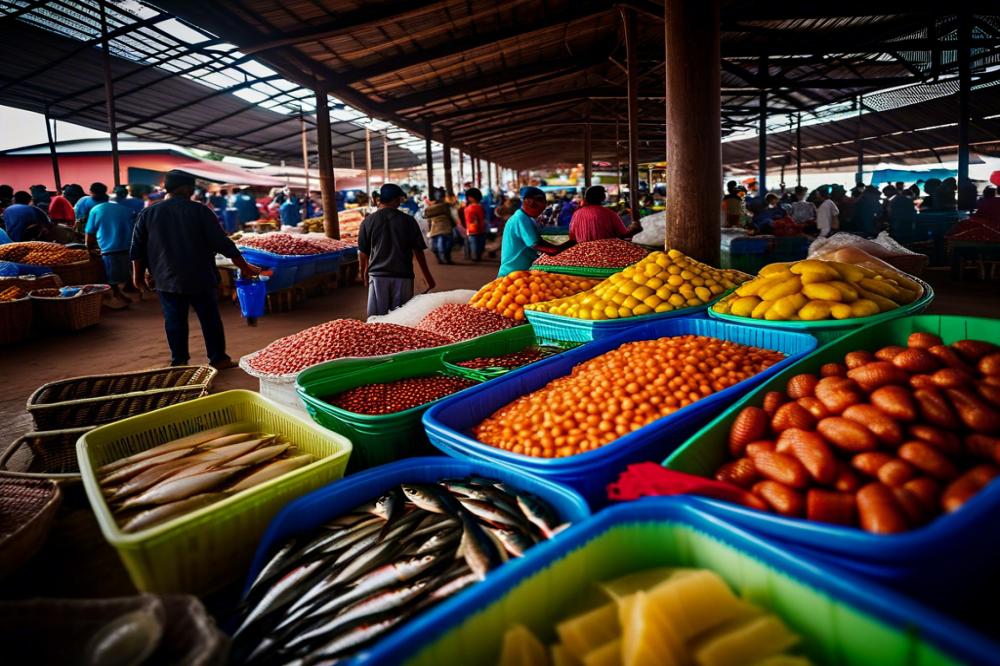
Rurrenabaque, nestled in Bolivia’s Amazon, boasts a rich tapestry of culinary experiences. The Mercado de Pescados serves as a vibrant hub for local fish, featuring a variety of river fish caught sustainably. Indigenous communities play a significant role in fishing the region’s waterways, bringing fresh catches to the market daily.
Popular dishes highlight the flavors of the Amazon. A favorite is grilled catfish, marinated with local herbs and spices. People often enjoy this delicacy alongside traditional side dishes like boiled yucca or rice. Fresh fish soup, known as “sopa de pescado,” is another staple, offering warmth and nourishment for both locals and tourists alike.
Culinary techniques handed down through generations maintain the authenticity of these dishes. Locals often use open-fire cooking, a method that adds a smoky flavor to meals. Steaming fish in banana leaves is common, too. This technique keeps the meat moist and infuses additional flavors from the leaves.
The fish market significantly contributes to preserving recipes and cooking methods. Visitors can witness traditional cooking demonstrations, which reveal the passion for preserving these culinary arts. This interaction enriches the market experience, making it a learning ground for those interested in Bolivian culture.
Culinary tourism is flourishing in Rurrenabaque, attracting those eager to taste and learn. Eco-tourism encourages a connection to the natural environment and cultural heritage. Tourists are eager to taste local flavors while keeping biodiversity in mind. The emphasis on sustainable fishing resonates with visitors who value responsible tourism practices.
The influence of Bolivian culture is evident, not just in food preparation but also in the overall atmosphere of the market. Lively conversations fill the air as vendors call out to customers. The blending of cultures creates a unique ambiance that enchants anyone who steps inside. Whether you are sampling fresh fish or chatting with local chefs, the market offers an authentic glimpse into life in the Amazon.
Sustainable Fishing Practices
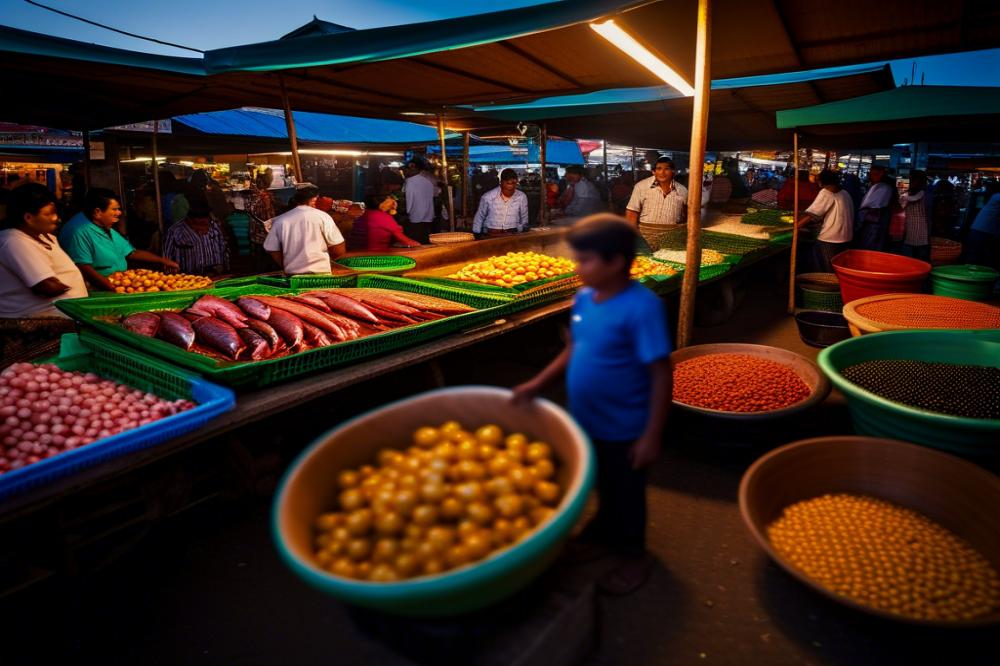
Rurrenabaque, a vibrant town in Bolivia’s Amazon, is home to a rich fish market that reflects the local culture. Fishers here engage in sustainable fishing methods, balancing their needs with the health of the environment. Techniques such as selective harvesting and seasonal fishing help maintain the fish populations and support biodiversity. Local fishers understand the importance of these practices and often share their knowledge with others.
Eco-tourism initiatives play a crucial role in promoting responsible fishing. Tourists visiting the Amazon are increasingly interested in learning about the unique ecosystems and sustainable practices of indigenous communities. By highlighting these methods, eco-tourism encourages visitors to support local businesses. Ultimately, this leads to a more significant impact on the economy while protecting the natural resources that attract travelers.
Challenges abound for the fishing community, including overfishing and environmental changes. These factors not only threaten river fish populations but also the livelihoods of people who depend on them. Conservation efforts are vital to address these issues. Many organizations work alongside local fishers to develop strategies that promote sustainable practices while ensuring economic stability.
Supporting locally-sourced fish offers numerous benefits for both the environment and local communities. Consumers who choose to buy from the fish market contribute to preserving the delicate balance of biodiversity. Responsible sourcing means investing in the future of the Amazon. Culinary tourism also thrives when visitors enjoy fresh fish prepared by local chefs. The flavors of the Amazon showcase the unique culinary traditions crafted by the people of this region.
In the long run, prioritizing sustainable fishing fosters resilience within both the fish populations and the communities relying on them. Engaging with these practices not only supports local economies but also underscores a commitment to conserving the Amazon’s rich biodiversity for generations to come.
Engaging with Indigenous Communities
The significance of the local fish market in Rurrenabaque extends far beyond just selling fish. Indigenous communities rely on this hub for their livelihoods and cultural identity. Visitors to the market often find themselves immersed in vibrant interactions with local fishers. These connections foster an appreciation for the rich traditions that shape the Amazon.
Cultural exchanges occur naturally as tourists engage with the people of the region. Local fishers eagerly share stories about their daily lives and the importance of sustainable fishing practices. Crafting nets, setting traps, and navigating the waterways, these activities are steeped in tradition. Each story told is a glimpse into the community’s heritage.
The biodiversity of the Amazon plays a crucial role in local culture. River fish are not just food; they are part of an ancient way of life. Many families pass down secrets and techniques from generation to generation. Tourists gain insight into these practices, enriching their understanding of the ecosystem.
Participating in culinary tourism opens doors to unique experiences. Visitors can taste dishes made from freshly caught fish, connecting flavors to the stories behind them. These meals reflect the sustainable practices maintained by the fishing community. Each bite is a reminder of the strong bond between people and nature.
Eco-tourism also empowers these communities. Through market participation, they take pride in sharing their culture. Visitors leave with a deeper respect for the Amazon and its indigenous peoples. This cooperation highlights the importance of preserving local traditions while embracing modern tourism opportunities.
Reflecting on the Mercado de Pescados
The Mercado de Pescados in Rurrenabaque stands out as a vibrant hub, teeming with the rich biodiversity found in the Amazon. Visitors can experience an array of local fish, many of which are caught using traditional methods passed down through generations. Each stall bursts with color and cultural significance, offering a glimpse into the region’s unique culinary landscape.
This market does more than sell fish; it represents a way of life for many indigenous communities. Supporting sustainable fishing practices is essential for preserving both the environment and the livelihoods of those who depend on these waters for their survival. By promoting these traditions, we can connect with Bolivia’s rich heritage and ensure its preservation for generations to come.
Exploring this market is more than just shopping; it’s a journey through both culture and nature. Tourists and locals alike can dive into the flavors of the Amazon while learning about the importance of protecting these precious resources. The Mercado de Pescados invites everyone to appreciate the delicate balance of human and ecological interactions in one of the most biodiverse regions of the world.
As you consider your next adventure, remember the beauty of Bolivia’s market scene. The Mercado in Rurrenabaque is a must-visit destination. Immerse yourself in its sights and sounds, and learn why supporting sustainable practices is vital. Come witness the blend of tradition and modernity in this fascinating aspect of the Amazon!


