
Mulberries and drainage: Preventing Root Rot and Promoting healthy growth
Mulberries are not only tasty but also have a special place in the world of berry fruits. These small, sweet berries come from trees that are relatively easy to grow. Their appeal lies in both their flavor and nutritional value. However, achieving fruitful yields starts with understanding the significance of drainage.
Proper drainage is vital for the healthy growth of these trees. Without it, the roots can sit in soggy soil, creating an environment ripe for Root Rot. This disease can stunt plant development and reduce fruit production. Thus, ensuring that water drains effectively from the base of the tree is crucial.
The health of the soil directly influences a tree’s vitality. Nutrient-rich soil, combined with good drainage, fosters stronger root systems. Establishing healthy watering practices and using mulch can protect against excessive moisture. This approach plays a key role in overall plant care and disease prevention.
By focusing on soil health and ensuring effective irrigation, growers can maintain tree health. Healthy mulberry trees are more resilient to problems, supporting lush growth and abundant fruit. In summary, a strong understanding of drainage and soil management is essential for anyone looking to cultivate quality mulberries.
Understanding Mulberries
Description of Mulberry Varieties
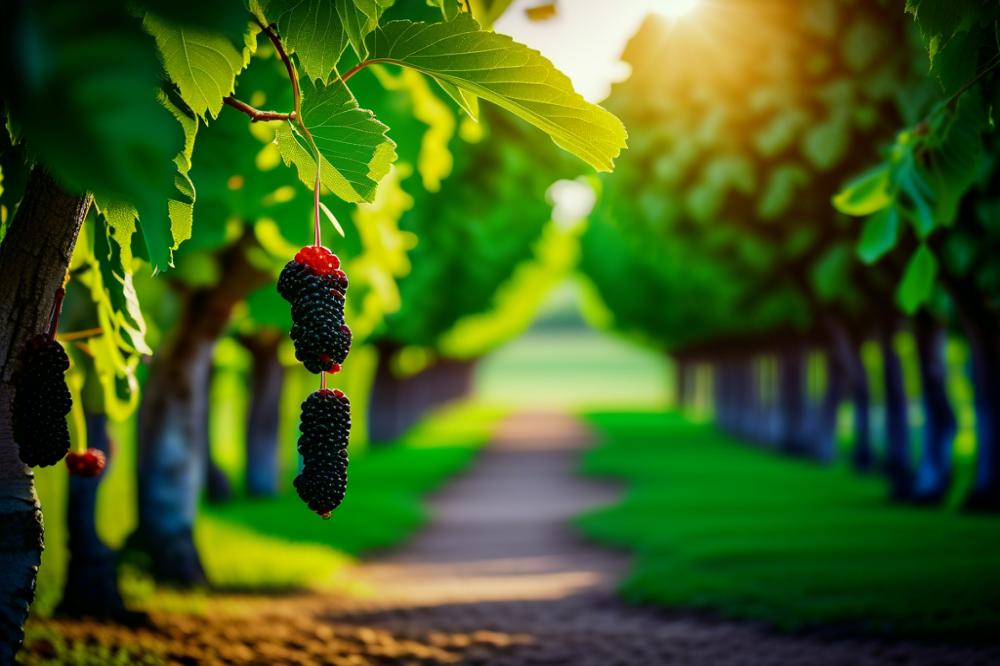
There are three primary types of mulberries: white, red, and black. White mulberries (Morus alba) are often grown in gardens for their sweet fruits and attractive foliage. Red mulberries (Morus rubra) are native to North America and are known for their bold flavor. Black mulberries (Morus nigra) have a rich taste and mature later in the season. Each variety brings its own flavor profile and uses, making them appealing for different culinary applications. These trees can adapt well to various climates, though they flourish best in warm, temperate regions.
Nutritional Benefits of Mulberries
These berries pack a nutritional punch. They are rich in vitamins C and K, along with iron and potassium. Antioxidants are abundant in mulberries, which help in fighting off free radicals. Their fiber content aids digestion and contributes to overall health. Including them in your diet can boost nutrient intake and support a balanced lifestyle. People often enjoy them fresh, dried, or blended into smoothies.
Overview of Growth Requirements and Conditions
To promote healthy growth, mulberries require well-drained soil. Compacted or waterlogged soil can lead to root rot, significantly impacting tree health. Watering practices play a crucial role during the establishment phase. Young trees need consistent moisture, while established ones can tolerate dry spells. Mulch can help retain soil moisture and improve soil health. When planting, space trees appropriately to allow for air circulation and sun exposure. Ideal conditions include full sun, but some shade can be beneficial in very hot climates. Regular irrigation may be necessary during prolonged dry periods. Proper plant care, particularly regarding nutrients and drainage, will support robust fruit production and overall vitality. Lastly, disease prevention strategies, like proper spacing and good air flow, are essential for keeping your trees thriving.
The Role of Drainage in Soil Health

Drainage plays a vital role in maintaining soil health. Waterlogged soil can lead to root rot, a serious issue for any tree. This condition weakens roots, making it harder for plants to absorb nutrients and water. Without proper drainage, the risk of disease increases significantly. Healthy growth becomes a challenge when roots are constantly submerged.
Poor drainage directly affects tree health and fruit production. Trees under stress due to excess water may struggle to flourish. Consequently, fruit yields can decrease. Plants that cannot maintain a proper balance of moisture may also suffer from other diseases. Issues like fungal infections often thrive in saturated conditions.
Identifying and Addressing Drainage Issues
Addressing drainage issues is essential for successful mulberry cultivation. First, assess the planting site. Look for signs of stagnant water around the roots. Areas with heavy clay soil can particularly benefit from improved drainage practices. Notably, incorporating organic matter can enhance soil structure. This helps with water movement and retention.
Watering practices should also be adapted accordingly. Overwatering can wreak havoc on young trees. Instead of frequent smaller applications, consider deep, less frequent irrigation. Mulching can also help manage soil moisture and prevent evaporation. Effective plant care involves monitoring soil conditions regularly.
Implementing these strategies promotes tree vigor and increases fruit production potential. Regular checks for drainage issues allow quick interventions. Remember, a healthy tree needs balance. The intersection of adequate drainage and smart irrigation creates an environment where trees can thrive.
Watering Practices for Healthy Growth
Recommended Watering Techniques for Mulberries
Keeping the soil moisture consistent is key for nurturing these trees. Drip irrigation proves effective for slow, deep watering. This method helps roots secure hydration without oversaturating the earth. Hand watering can also work, but be cautious about the technique. Spraying water liberally may lead to runoff, which can affect soil health and drainage. Applying mulch around the base helps retain moisture and regulate temperature. Remember to spread a layer of organic material, as it enriches the soil over time.
When to Water and How Much
Timing is important when providing plant care. Ideally, trees should receive water in the early morning or late afternoon. The sun’s intensity can drain moisture quickly in the heat of the day. Check the top inch of soil before watering. If it’s dry, that indicates the need for water. Aim for approximately 1 to 1.5 inches of water weekly, especially during dry spells. Adjust this volume based on rainfall, as every situation is different. Be mindful that young trees often require more frequent watering than established ones.
Impact of Overwatering and Underwatering on Growth
Too much water can be detrimental. Overwatering leads to root rot, which poses serious risks to tree health. Symptoms often include wilting leaves and stunted growth. Conversely, insufficient water also hampers fruit production. Underwatered plants may suffer from yellowing leaves, which is a clear sign of stress. Both extremes can eventually weaken the tree’s resistance to disease. Balance, therefore, is essential for promoting healthy growth. Keeping a close eye on both watering practices and soil conditions is crucial for success.
Effective Plant Care Strategies
Importance of Mulching for Moisture Retention and Weed Control
Mulch serves several critical functions for trees. Covering the soil with organic material helps retain moisture. This is especially important during dry spells. Weeds often compete with your plants for essential nutrients. A thick layer of mulch suppresses their growth effectively. Furthermore, as it breaks down, mulch enriches soil health. The organic matter can enhance the ground’s fertility over time. Avoiding mulch that can retain too much water is essential for drainage.
Irrigation Systems for Optimal Growth
Proper watering practices play a pivotal role in the overall health of plants. A well-designed irrigation system helps deliver just the right amount of water. Drip irrigation is effective for focused and efficient watering. This method minimizes evaporation and ensures deep penetration into the soil. Maintaining consistent moisture levels can significantly boost productivity. Overwatering can lead to root diseases, so balance is crucial. Using an irrigation timer can help manage this effectively.
Regular Maintenance Practices to Promote Healthy Growth
Regular plant care is vital for long-term success. Pruning trees encourages better air circulation and sunlight exposure. This practice can also prevent potential diseases. Monitoring soil conditions regularly allows for timely interventions. Pay attention to signs of distress in your plants. Any unhealthy-looking foliage could indicate underlying problems. Addressing these issues quickly is essential for tree health. Additionally, fertilizing at appropriate intervals supports strong fruit production. Proper care guarantees a vigorous growth cycle throughout the seasons.
Disease Prevention and Management
Common Diseases Associated with Poor Drainage
Poor drainage leads to a higher risk of diseases. Root rot is one of the most common pitfalls. This condition thrives in waterlogged soils that suffocate plant roots. Fungal pathogens like Phytophthora and Pythium can take hold quickly. Other issues may arise too, such as crown rot. These diseases can severely damage tree health and reduce fruit production.
Signs of Root Rot and Other Issues
Detecting root rot early can save a tree. Look for yellowing leaves or stunted growth. A sudden loss of vigor might also indicate trouble beneath the surface. Dark, mushy roots suggest that something is wrong. In addition, wilting or drooping branches could signal distress. Even unusual fungi or mold growth around the base is a red flag. Recognizing these signs can help in acting swiftly and effectively.
Preventative Measures and Treatments for Healthy Plants
Maintaining good soil health is crucial for preventing disease. Start with proper watering practices. Avoid saturating the soil, as excess moisture promotes rot. Use mulch to regulate moisture levels and improve drainage. Organic mulch breaks down over time, enriching the soil. Setting up efficient irrigation systems can also aid in this effort. Choose a design that fits your landscape and minimizes standing water.
Regular monitoring of plant care is vital. Inspect your mulberry tree frequently for warning signs. Pruning dead or unhealthy branches can improve airflow and reduce disease risk. Additionally, using fungicides may be beneficial during high-risk periods. They serve as a protective barrier against fungal infections.
Ultimately, investing time in preventive measures pays off. A healthy tree not only yields more fruit but also stands resilient against diseases. By observing and responding to your tree’s needs, you can support its overall health and vitality.
Wrapping Up
In summary, proper drainage and attentive plant care are vital for the success of your garden. These factors play a key role in preventing root rot, which can be detrimental to the plants you nurture. Healthy growth is not just about sunlight and water; it also depends on how well you manage the conditions in which your plants live.
Implementing best practices for planting can make a notable difference. Good drainage, for example, cannot be stressed enough. It helps roots breathe and absorb nutrients effectively. By being proactive, you can help your plants thrive and produce fruit more abundantly.
As you move forward, remember that ongoing care is essential. Regularly checking soil moisture levels and ensuring adequate drainage will provide your plants with the best environment. Keeping these considerations in mind can lead to fruitful outcomes.
In closing, let the management of your garden be a rewarding experience. With attention to detail and commitment to proper techniques, you can enjoy the fruits of your labor. Successful fruit production is within reach when you prioritize the health of your plants.


