
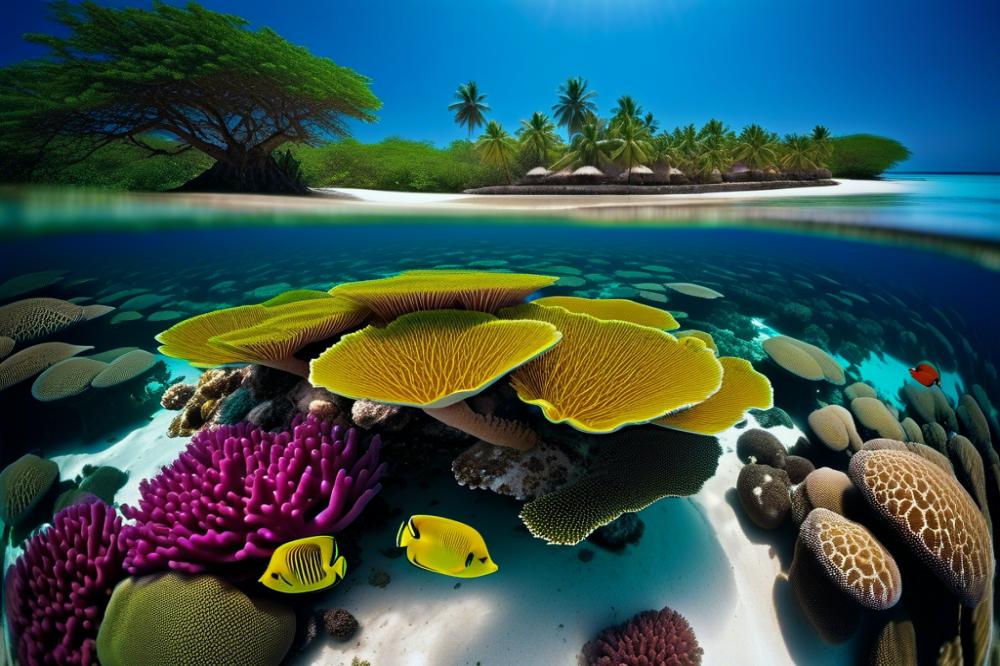
Overview of the Lamu Archipelago‘s Geographical Location in Kenya
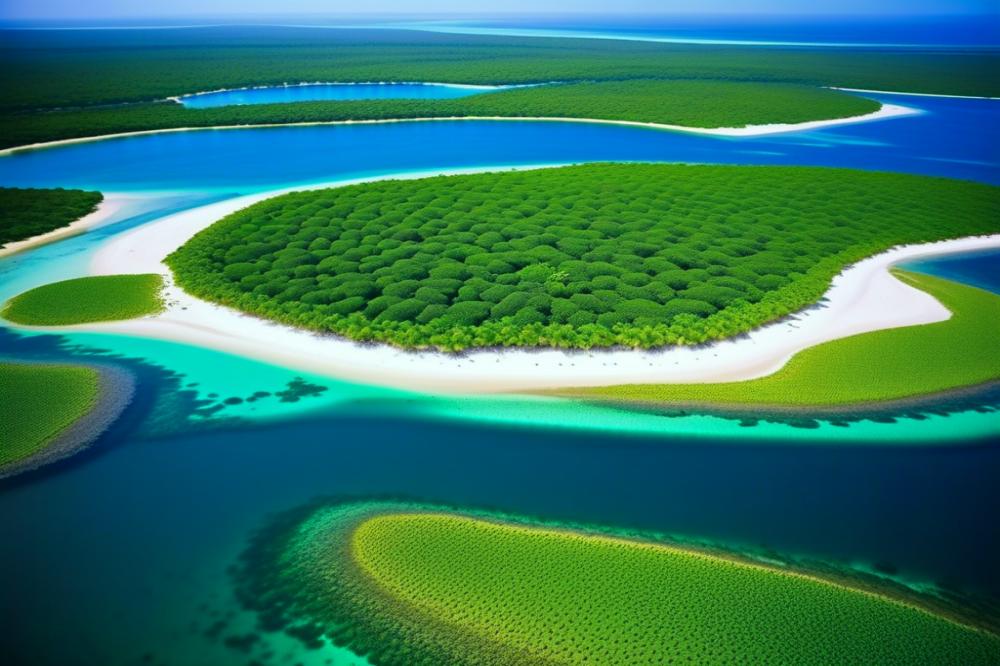
The Lamu Archipelago lies along the northeastern coast of Kenya, stretching into the Indian Ocean. It consists of several islands, including Lamu, Manda, and Pate. This area is characterized by stunning landscapes and a rich cultural heritage. The warm waters surrounding the archipelago provide a perfect habitat for diverse marine ecosystems.
Importance of the reefs as reefs-in-the-gulf-of-thailand”>biodiversity Hotspots
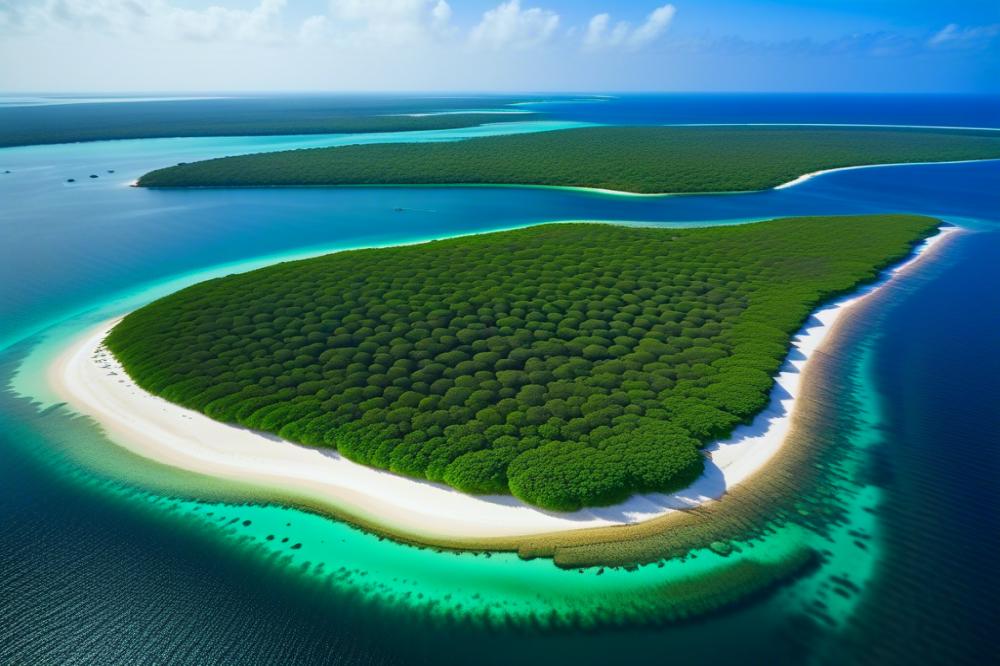
coral reefs surrounding these islands are vital for supporting marine life. They act as habitats for numerous fish species, mollusks, and other organisms. The reefs contribute significantly to species diversity, offering shelter and food. Additionally, these ecosystems protect coastlines from erosion and provide resources for local communities. Their health directly influences the well-being of various marine populations. Without healthy coral reefs, many species could face severe threats.
Purpose of Researching the biodiversity of the Lamu Archipelago Reefs
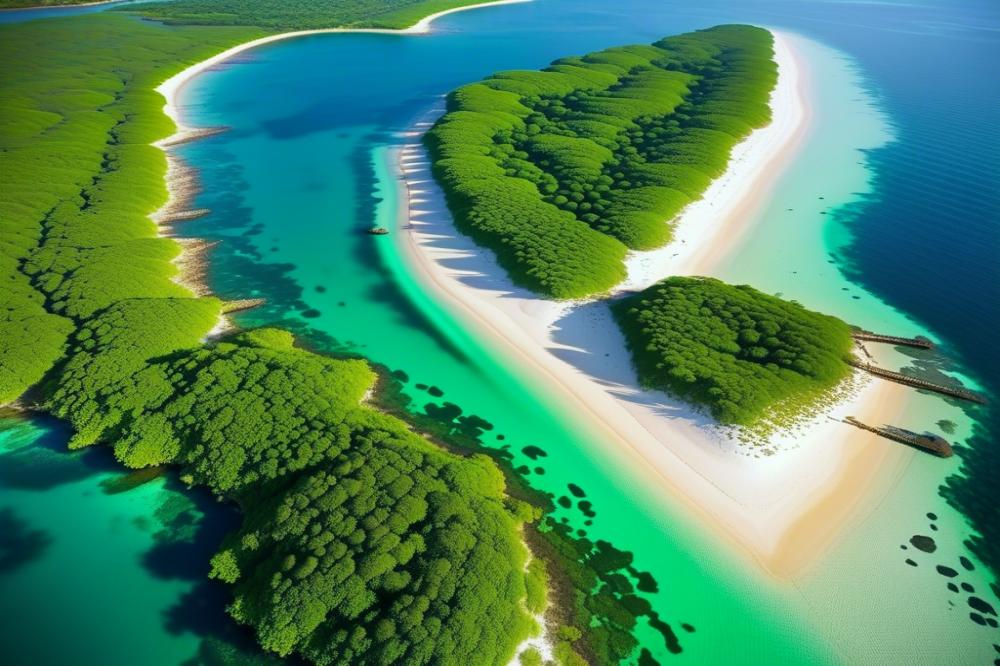
Conducting a biodiversity assessment of the reefs helps understand their current status. Researchers aim to identify different species living in these waters. This knowledge is crucial for effective conservation efforts. Understanding the environmental impact of human activities is equally important. It is essential to monitor reef health to prevent further damage. Ultimately, preserving these ecosystems is vital for future generations. Studying marine life in the Lamu Archipelago can guide conservation strategies and promote sustainable tourism. The goal is to protect these treasures for years to come.
The Importance of Coral Reefs in Marine Ecosystems
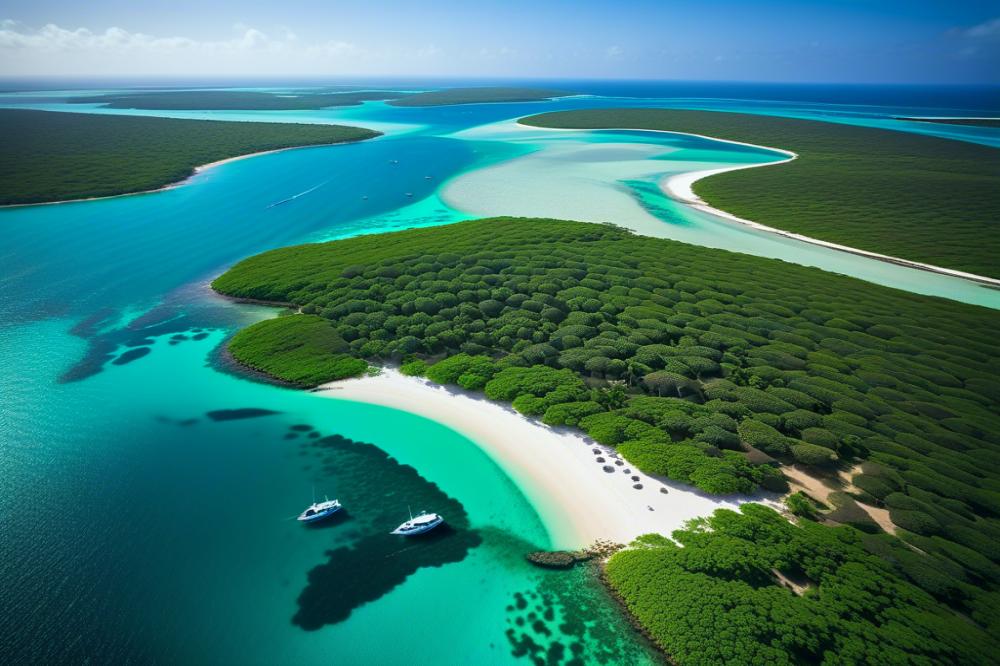
Coral reefs are among the most vibrant ecosystems on the planet. They serve as home to numerous marine life forms. Reefs provide shelter, food, and breeding areas for fish and other organisms. The health of these reefs directly affects the surrounding underwater life. Coral reefs also protect coastlines from erosion. They absorb wave energy, which helps to minimize property damage during storms.
Overview of Marine Life Supported by Coral Reefs
The Lamu Archipelago is home to a wide array of species. Colorful fish dart amidst the corals. Sea turtles glide gracefully as they forage for food. Various invertebrates thrive in this rich habitat. A biodiversity assessment reveals a striking variety of life forms, each playing a specific role in the ecosystem. Complex relationships exist among the species, from the tiniest shrimp to large predators. This interconnectedness fosters a balanced and sustainable marine environment.
The Ecological Benefits of Healthy Reefs
Healthy reefs lead to thriving local communities and economies. Many residents rely on fishing for their livelihoods. A diverse range of fish provides food and income, making reef health crucial. Tourists are attracted to vibrant coral reefs, boosting the local economy. Conservation efforts focus on preserving these beautiful ecosystems. Engaging in sustainable practices is vital for long-term benefits. Maintaining reef health can also reduce environmental impact, which helps combat climate change. Healthy reefs contribute to both ecological stability and economic prosperity.
Biodiversity Assessment of the Lamu Archipelago Reefs
Methods used for biodiversity assessments in the region
Scientists use various techniques to study marine life in the reefs. Field surveys involve diving and snorkeling, allowing researchers to observe and record species. This hands-on approach helps gather detailed information about coral reefs and their inhabitants. Environmental DNA (eDNA) analysis has emerged as a modern method. Through this technique, small water samples can reveal genetic material from organisms. Such methods are valuable for identifying species that might be missed during visual surveys. Long-term monitoring programs also play a crucial role. They track changes in biodiversity and reef health over time, highlighting any significant environmental impact.
Key findings on species diversity and abundance
Recent assessments reveal impressive species diversity across the coral reefs. Hundreds of marine organisms inhabit these vibrant ecosystems. Fish species alone account for a large portion of the findings. Colorful wrasses, parrotfish, and even elusive seahorses thrive in the clear waters. Moreover, various types of corals show remarkable abundance. Hard and soft corals each contribute to reef structure and habitat. While certain species flourish, others appear under threat due to environmental changes. Increased population density in nearby coastal areas intensifies competition for resources. This dynamic showcases the delicate balance within the ecosystem.
Discussion of unique and endemic species found in the Lamu Archipelago
Exploration of the region has unveiled several noteworthy species. Some are endemic, meaning they exist nowhere else in the world. This specificity enhances the region’s importance to global biodiversity. For instance, researchers discovered a distinct type of fish previously unknown to science. Its vibrant colors and unique behavior make it a captivating find. Other endemic species include specialized corals that have adapted to local conditions. Conservation efforts are crucial to protect these rare organisms. They serve not only as biodiversity indicators but also as reminders of the reefs’ resilience. Recognizing the threats faced by these unique species is essential for developing effective protection strategies.
Threats to Reef Health in the Lamu Archipelago
The coral reefs of the Lamu Archipelago face many threats that impact their health and the marine life that depends on them. A variety of human activities contribute to this degradation. Overfishing is a significant problem, as it disrupts the balance of marine ecosystems. Fishermen often use destructive methods, which not only harm the targeted species but also damage the coral structures themselves.
Coastal development adds another layer of stress to these fragile ecosystems. Construction projects can lead to increased sedimentation in the water. When sediments settle on coral reefs, they can smother the living organisms, blocking sunlight necessary for photosynthesis. This interference results in a decline in species diversity and minimizes habitat for many marine creatures.
Pollution also plays a critical role in reef health. Waste dumped into the ocean alters water quality, harming coral and reducing biodiversity. Chemicals from fertilizers and runoff can cause harmful algal blooms. Such blooms can suffocate corals and lead to massive die-offs.
Climate Change Effects on Marine Life
Climate change poses a severe threat to coral reefs. Rising ocean temperatures cause coral bleaching, which occurs when corals expel the algae living in their tissues. This process leaves corals vulnerable, diminishing their vibrant colors and resilience. Without the algae, corals struggle to survive, leading to high mortality rates among these essential ecosystems.
Additionally, ocean acidification is a byproduct of increased carbon dioxide levels. When CO2 is absorbed by seawater, it alters the water’s chemistry. This change makes it harder for corals to build their skeletons. Ultimately, weakened corals lead to reduced reef health and lower biodiversity in marine habitats.
Efforts toward conservation are extremely important for protecting these reefs. By understanding the environmental impacts on coral reef ecosystems, we can develop effective strategies. Striking a balance between human needs and ecological health is vital. Ongoing research, including biodiversity assessments, is necessary to monitor these changes and promote recovery of damaged reefs. A healthier reef can support a broader range of species, ensuring overall marine prosperity in this region of Kenya.
Conservation Efforts and Strategies
Current conservation initiatives in the Lamu Archipelago focus on protecting vital ecosystems and promoting marine life health. Various organizations work together with local communities to monitor coral reefs. They are conducting biodiversity assessments to gather data on species diversity. These assessments help understand the environmental impact of human activities.
Community involvement in conservation practices has been a critical aspect of these efforts. Local fishermen and residents are being trained in sustainable practices that reduce damage to reefs. Educational programs empower them with knowledge about the importance of coral reefs. When community members take an active role, the benefits extend beyond individual conservation projects.
Recommendations for Sustainable Management of Reef Systems
Several strategies can improve the management of reef ecosystems effectively. Establishing protected marine areas can safeguard critical habitats from overfishing and pollution. Promoting ecotourism can provide financial benefits while raising awareness about reef health. Additionally, developing strict regulations on waste disposal will minimize adverse environmental impacts.
Collaboration among government agencies, scientists, and local stakeholders is vital. Frequent meetings and open discussions can create a unified approach to management. Gathering ongoing data from research helps identify trends in species diversity. This information is key to making informed decisions for the health of the reefs in Kenya.
Future Research and Monitoring Needs
Research on the Lamu Archipelago reefs has significant gaps. Many aspects of these vital ecosystems remain unexplored. For instance, a comprehensive biodiversity assessment is necessary to document species diversity. Specific information about rare or endangered marine life in these coral reefs is still lacking. Additionally, the impact of climate change on reef health requires urgent study.
Ongoing monitoring plays a crucial role in understanding reef health over time. Regular observations help scientists identify changes in environmental conditions. Tracking how different species respond to these changes can inform conservation efforts. Without continuous assessment, it becomes challenging to gauge the success of management strategies in place.
Potential areas for further scientific investigation are vast. The interaction between different marine species offers exciting opportunities for research. Studying the effects of pollution on coral and marine life is another area needing attention. Understanding how local fishing practices influence reef ecosystems is equally important. Previous studies have highlighted that human activities contribute significantly to environmental impact in this region.
Efforts should focus on the relationships between various species and their habitats. Investigating the role of keystone species in maintaining ecosystem balance could provide valuable insights. Lastly, examining the socio-economic aspects of coral reef conservation in Kenya can bridge the gap between environmental and economic goals.
Final Thoughts on Protecting Coral Ecosystems
The significance of the reefs around the Lamu Archipelago cannot be overstated. These vibrant ecosystems are home to a wide variety of marine life, playing a crucial role in maintaining ecological balance. Preserving such biodiversity is vital for local communities, as it supports fisheries, tourism, and overall environmental health. Healthy reefs act as barriers against coastal erosion and help to protect shorelines from storm surges.
Continuing research is essential for understanding these ecosystems. Ongoing studies allow scientists and conservationists to monitor changes and spot potential threats. Our knowledge will only grow through dedicated exploration and investigation. As challenges like climate change and pollution intensify, the importance of these efforts becomes clear. They help us develop effective strategies for conservation and restoration.
Stakeholders have a critical role in this endeavor. Governments, local communities, and non-profit organizations must unite to prioritize reef health. Collaborative action is necessary to combat threats and promote sustainable practices. Public awareness campaigns can encourage local involvement and support. Each of us can contribute to preserving these vital habitats for future generations.
In summary, the reefs surrounding the archipelago are treasures worth protecting. With continued research and conservation efforts, we can safeguard these ecosystems for years to come. Let’s rally together to take the necessary steps towards a sustainable future for our reefs.


