Sweet Peppers on a Balcony: A Beginner’s Guide to Growing in Pots
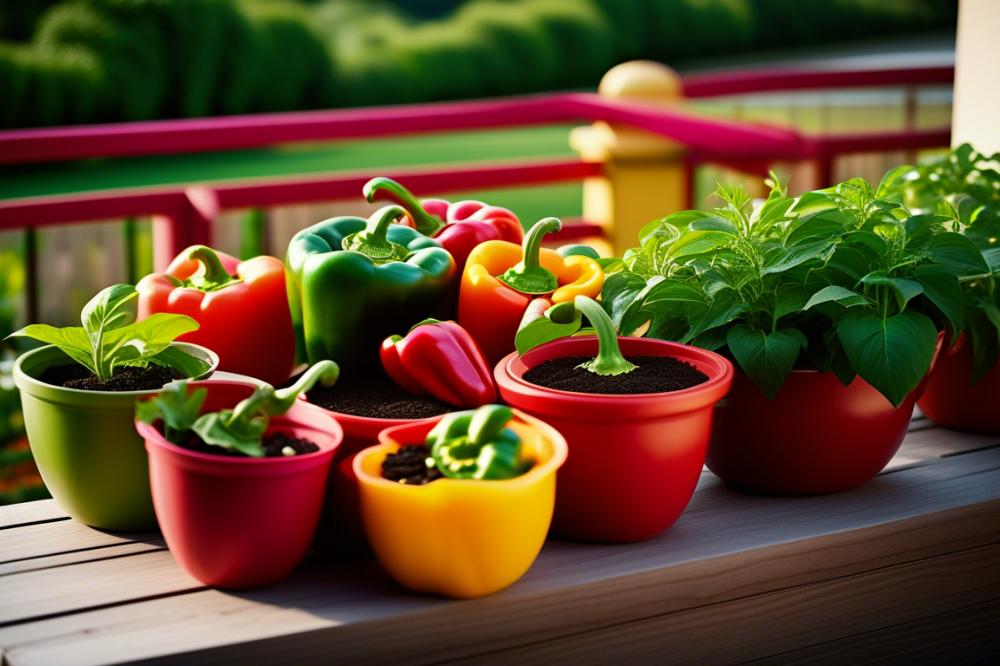
For those who enjoy cooking at home, growing sweet peppers can be a delightful addition to your kitchen. These vibrant vegetables provide not only flavor but also a splash of color to any dish. When harvested fresh, they offer a taste that’s far superior to store-bought varieties. Imagine walking out to your balcony and picking ripe peppers to include in your next meal!
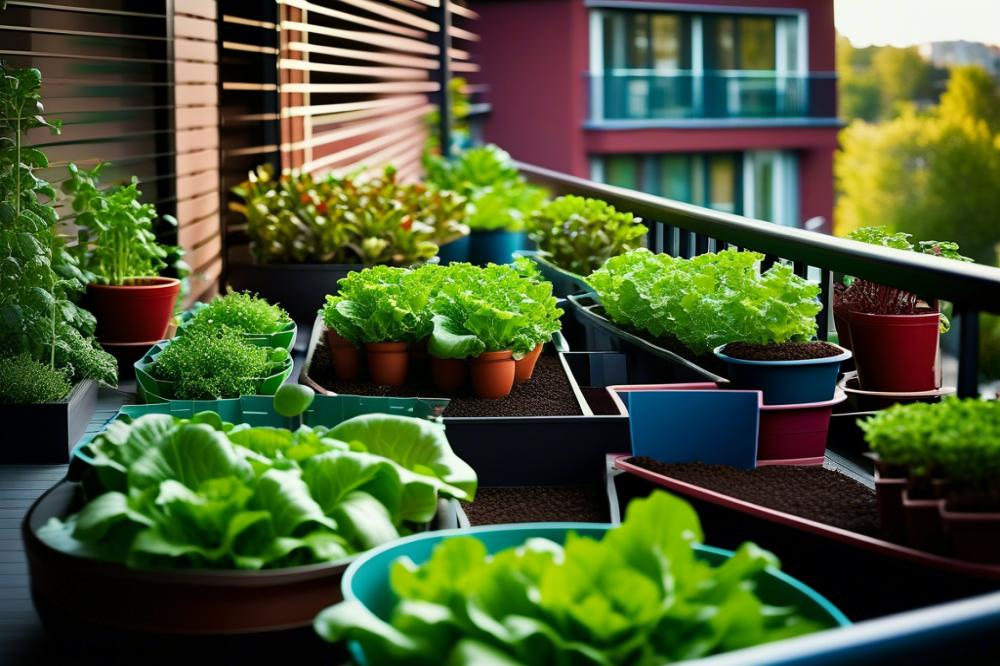
balcony gardening has become increasingly popular among beginner gardeners. Many urban dwellers find themselves with limited space, making container gardening an attractive option. Small pots positioned on balconies can yield impressive results. Learning how to grow vegetables in pots makes gardening accessible to people from all backgrounds, regardless of gardening experience.
This article will cover essential aspects of successfully cultivating sweet peppers in pots. You will learn about the necessary pot size and soil requirements to support your plants as they thrive. Additionally, watering tips and sunlight needs will be discussed to help you establish a healthy growing environment. We will also touch on pest management strategies, proper plant care techniques, and the joy of harvesting your very own crops. Get ready to transform your small space into a productive garden and savor the rewards of your efforts!
growing sweet peppers: An Overview
Varieties of Sweet Peppers Suitable for Containers
Several varieties thrive in pots, making them ideal for balcony gardening. Compact plants like ‘Mini Bell’ and ‘Sweet Chocolate’ are great choices. They produce flavorful peppers without needing much space. ‘Chocolate Beauty’ is another favorite, offering a rich, dark hue. Each type has its own charm and offers diverse flavors for various dishes.
Benefits of container gardening for Sweet Peppers
Container gardening provides flexibility for the beginner gardener. It allows you to control the soil quality, essential for healthy growth. Having mobility is another advantage; you can move pots to catch the best sunlight. This flexibility is crucial for urban gardening where space is limited. Furthermore, containers often reduce the likelihood of soil-borne pests.
Ideal Conditions for Growing Sweet Peppers
Sweet peppers need warm conditions to flourish. Aim for at least six hours of direct sunlight daily. pot size also matters; larger containers help retain moisture longer. Use well-draining soil to support root health; a mix of potting soil and compost works best. Watering tips include checking the soil moisture frequently. Keep the soil consistently damp but not soggy.
Pest management should be part of any gardener’s strategy. Regularly inspect plants for any signs of trouble like aphids or spider mites. Healthier plants will yield a better harvest, so prioritize plant care. When harvest time arrives, pick peppers when they are firm and glossy. Enjoying fresh sweet peppers from your own balcony is truly rewarding.
Choosing the Right Pot Size
Recommended Pot Sizes for Sweet Peppers
Selecting the appropriate pot size for sweet peppers is crucial for their growth. A container with a diameter of 12 to 18 inches works well for each plant. This size allows enough room for the roots to spread. If space allows, consider using larger pots. When planting multiple peppers, ensure each one has at least 12 inches of space from its neighbor.
Importance of Drainage for Pot Selection
Drainage is a key factor when choosing pots. Roots need air and cannot thrive in soggy soil. Pots should have multiple drainage holes at the bottom. Poor drainage might lead to root rot and other problems. Always check that your selected pot promotes healthy drainage before planting. This will help your sweet peppers flourish and develop strong roots.
Suggestions for Materials: Plastic, Ceramic, and Fabric Pots
Various materials are available for pots, and each has its benefits. Plastic containers are lightweight and often less expensive. They retain moisture well, which can help with watering needs. On the other hand, ceramic pots are more durable and come in a range of beautiful designs. However, they can be heavy and may dry out more quickly.
Fabric pots have gained popularity in container gardening. They promote excellent drainage and air circulation, allowing for healthy root development. The breathability of fabric helps prevent overheating and root circling. A beginner gardener might find fabric pots easier to handle than heavier materials. Each pot type has benefits, so explore based on your preferences and budget.
Watering tips vary according to pot size and material as well. Always monitor your plants closely. Keep the soil consistently moist but not soaked. Adapting to the needs of your plants will support healthy growth. Additionally, consider your balcony’s sunlight needs. Sweet peppers thrive with a minimum of six hours of direct sunlight each day.
Pest management can also play a role in your choice of pot. Some materials may deter pests better than others. It’s helpful to inspect your plants regularly. Identifying problems early can make plant care more manageable. Harvesting will be more enjoyable when your peppers grow well. Select pots that complement your urban gardening style and help cultivate a vibrant green space on your balcony.
Soil Requirements for Successful Growth
Best Soil Blends for Growing Sweet Peppers
Container gardening requires the right soil to thrive. A good mix for sweet peppers typically includes potting soil, compost, and perlite. These ingredients provide essential drainage and aeration. Look for soil blends labeled for vegetables. They often contain nutrients that pepper plants need to flourish. For starter gardeners, pre-packaged organic potting soils can be a simple choice.
Importance of pH Levels and Nutrients
The pH level plays a critical role in plant health. Sweet peppers prefer a slightly acidic to neutral pH, ideally between 6.0 and 7.0. Regularly check the pH of your soil with a test kit. This small investment can guide adjustments. Nutrients also matter significantly. A balanced fertilizer can help maintain nutrient levels. Look for options that contain nitrogen, phosphorus, and potassium, often listed as N-P-K values.
Tips for Enhancing Soil Quality
Enhancing soil quality is key for success in urban gardening. Adding organic matter, like compost or aged manure, can significantly improve nutrients. Mixing in peat moss can boost moisture retention, especially during dry spells. Moreover, avoid using garden soil from outside. It might carry pests or diseases. If pests appear, ensure proper pest management methods are in place to protect your plants.
Proper watering tips also complement soil health. Always check that the pot has good drainage holes. Water thoroughly but avoid over-saturation. When roots stay too wet, plants can suffer. Observe your plants closely. If leaves yellow or drop, they may need adjustments in care. Following these guidelines will help you grow vigorous and productive plants in pots.
Watering Tips for Sweet Peppers
Container gardening presents its own set of challenges, especially when it comes to watering. A consistent watering schedule is essential for healthy sweet peppers. Water them deeply once or twice a week, but adjust this based on weather conditions. Hot, sunny days may require more frequent watering.
Recognizing when your plants are thirsty can be simple. Look for drooping leaves; this is an early sign of underwatering. Conversely, yellow leaves can indicate overwatering. If the soil feels soggy and doesn’t drain properly, plants may suffer from root rot.
Optimal pot size plays a role in moisture retention. Choose containers that hold enough soil to keep roots hydrated. Good drainage holes are equally important to avoid water accumulation. Mulching can also help retain soil moisture, reducing the need for constant watering.
Consider your soil requirements, as well. Well-draining, high-quality potting mix keeps the roots healthy and allows water to flow freely. Always check the soil moisture by sticking your finger about an inch deep into the soil. If it feels dry, it’s time to water. For those new to urban gardening, this practice will be a useful habit.
Efficient watering practices can make your gardening journey smoother. Water early in the morning or late in the afternoon, avoiding the heat of midday. This timing helps reduce evaporation and allows plants to absorb more moisture. Using a watering can or a soaker hose can deliver water directly to the roots and prevent wetting the leaves.
Keeping an eye on weather forecasts can also be helpful. Rainy weeks may change your watering schedule entirely. Adjusting based on these conditions will support the health of your peppers. Remember, developing strong plant care habits takes time and patience. With careful attention to watering, even a beginner gardener can yield a bountiful harvest.
Sunlight Needs and Placement
Sweet peppers thrive in full sunlight. They need at least six to eight hours of direct sunlight each day. When choosing a spot on your balcony, look for areas that receive plenty of sun. A south-facing balcony is often the best choice, as it typically gets the most light.
To maximize sunlight exposure, consider the layout of your containers. Placing pots on shelving can elevate them, allowing more light to reach lower plants. If space permits, arrange pots in rows. This way, taller plants are at the back, where they won’t block sunlight from shorter varieties.
Using reflective surfaces is an excellent strategy to enhance light. Mirrors or light-colored walls can bounce sunlight back onto your plants. This technique is particularly useful in urban gardening, where buildings might shade your balcony. You can also use aluminum foil on the sides of pots for added reflection.
Besides light, remember the importance of proper pot size and soil requirements. Make sure to choose containers that provide enough space for roots to grow. A good soil mix with plenty of organic matter will also help your sweet peppers flourish.
Don’t overlook watering tips either. Consistent moisture is key, but be careful not to overwater. Check the top inch of soil; if it’s dry to the touch, it’s time to give your plants a drink.
For beginner gardeners, pest management is an important aspect to consider too. Keep an eye out for common pests, like aphids or spider mites. Using natural remedies or insecticidal soap can help keep your plants healthy.
As you nurture your sweet pepper plants, focus on plant care throughout the growing season. Regularly inspect them for signs of stress or disease, making adjustments to sunlight and watering as needed. Following these steps will ensure a bountiful harvest and a rewarding experience in container gardening.
Pest Management for Container-Grown Sweet Peppers
Common Pests Affecting Sweet Peppers
Container gardening has its own set of challenges. Sweet peppers often fall prey to common pests like aphids, spider mites, and whiteflies. Aphids suck the sap from the plants, leading to stunted growth. Spider mites can create fine webs and cause leaf damage. Whiteflies may not be easily seen, but their presence can weaken your plants. A close look at your peppers will help catch these invaders early.
Organic Pest Control Methods
Using organic pest control methods is the best approach for beginners. Soap sprays can work well against many soft-bodied insects like aphids. Simply mix a few drops of liquid soap with water and spray the affected areas. Neem oil is another excellent choice. It disrupts the life cycle of pests, making it hard for them to reproduce. Diatomaceous earth can deter crawling insects when sprinkled around pots. Always remember to target the problem without harming beneficial insects.
The Importance of Regular Plant Inspections
Regular plant inspections play a crucial role in maintaining healthy peppers. Checking your plants every few days will help you notice any problems before they escalate. Look for discoloration on leaves or unusual spots. This can indicate a pest issue or other plant care problems. Keeping track of your plants’ health is vital in urban gardening, where space is limited. By making a habit of inspecting, you can enjoy a successful harvest and protect your investment.
Plant Care and Maintenance
To cultivate healthy sweet peppers on your balcony, regular maintenance is key. Begin by checking your plants daily. Observe their leaves and soil moisture. This routine will help you catch any issues early.
Selecting the right pot size is essential for container gardening. A minimum of five gallons per plant is recommended for optimal growth. Ensure your containers have drainage holes. This prevents waterlogging and encourages strong roots.
Soil requirements play a crucial role in plant health. Use a well-draining potting mix rich in organic matter. Consider adding compost or a slow-release fertilizer to boost nutrient levels. Remember, consistent feeding will support vibrant foliage and bountiful peppers.
Fertilizing Schedules and Types of Fertilizers
Establishing a fertilizing schedule is vital. Beginners should apply a balanced fertilizer every four to six weeks during the growing season. Look for fertilizers with equal parts nitrogen, phosphorus, and potassium. As plants mature, switch to a fertilizer higher in potassium to encourage fruit production.
Applying fertilizer directly to wet soil is generally a good practice. This helps prevent root burn and ensures nutrients reach the plants. Additionally, always follow label directions for the right dosages. Over-fertilizing can harm your plants.
Supporting Plant Growth
As sweet pepper plants grow, they may need support. Using stakes or cages can prevent branches from breaking under the weight of the fruit. Choose sturdy materials such as bamboo stakes or wire cages. Position them early in the growing phase to avoid damaging roots later on.
Watering tips can make or break your success. Keep the soil consistently moist but not soggy. Use your finger to check the moisture level an inch or so deep. On hot days, peppers may require more frequent watering. Watch for wilting leaves, which can indicate stress.
In urban gardening, pest management is also crucial. Regularly inspect your plants for signs of pests like aphids or spider mites. Natural remedies, like insecticidal soap, can be effective. Keeping your plants clean and healthy helps deter these unwanted guests.
Harvesting ripe peppers at the right time enhances flavor. Peppers can be picked when they reach full size, usually when they change color. Frequent harvesting encourages more fruit production. Each of these steps contributes to successful plant care, creating a thriving garden.
Harvesting Your Sweet Peppers
Knowing when to harvest your sweet peppers is essential for the best flavor. Look for bright colors, which indicate ripeness. Red, yellow, or orange hues signal that the peppers have reached their optimal taste. Typically, peppers can be harvested in about 60 to 90 days after planting, depending on the variety.
Texture also plays an important role. A firm, smooth skin is ideal. Avoid picking any that feel soft or have blemishes, as these may not taste great. Timing varies; often, late morning when the dew has dried is best. Peppers can become sweeter if left on the plant longer, but eventually, they will begin to lose flavor.
Techniques for Safely Harvesting Peppers
Using the right method will help avoid damaging your plants. A pair of sharp scissors or pruning shears works well for cutting the peppers off their stems. Snip the stem about an inch above the pepper. Gently twist the pepper if you prefer handpicking. Be cautious not to pull too hard, as this may harm the plant.
Take your time when harvesting. It’s easy to overlook ripe peppers, especially if your plants are bushy. Look under the leaves and in between branches. Taking care during this process supports healthy plant care and encourages more fruit production.
Storage Tips for Freshly Picked Peppers
Storage is key to preserving the freshness of your sweet peppers. Store unwashed peppers in the vegetable drawer of your refrigerator. Aim for temperatures around 50 to 55 degrees Fahrenheit. This helps prolong their shelf life for a week or two.
Once cut, using an airtight container helps maintain flavor and texture. You can also freeze sweet peppers for longer-term storage. Wash them, chop them, and place in freezer bags. This is ideal for any urban gardening enthusiast who may have an abundance of produce.
Container gardening is a fantastic way for beginner gardeners to engage in such a rewarding activity. By following these simple harvesting and storage tips, you can enjoy the fruits of your labor for days to come.
Wrapping It Up
Starting a balcony garden with sweet peppers can be a rewarding experience. Remember to choose the right pot size to give your plants ample room to grow. Use quality soil and provide plenty of sunlight to foster healthy development. Regular watering is crucial, but be cautious not to overdo it. Pests can be a concern; keep an eye out for any signs and address them promptly.
Taking the first step into container gardening can feel daunting, but it is also incredibly exciting. Explore your balcony as a potential garden space, no matter how small it may be. Each seed you plant brings the chance to nurture life and enjoy fresh food. Your urban gardening journey starts with one simple decision: to grow something.
In small spaces, the rewards of cultivating your own food extend beyond the harvest. Fresh produce can enhance your meals and provide a sense of accomplishment. Watching your sweet peppers grow can instill a sense of pride. So, go ahead! Grab those pots and start planting. Embrace the joy of gardening and transform your balcony into a vibrant oasis of flavor and color. Your adventure awaits!