Introduction
Fenugreek is a versatile herb. Known for its distinctive flavor and health benefits, this plant is used in many cuisines around the world. Its leaves and seeds are cherished in cooking, bringing a unique taste to various dishes. Home gardeners appreciate fenugreek for its ease of growth and nutritional properties.
For those with limited room, the importance of cultivating such herbs cannot be overstated. small space gardening has become popular as people seek fresh ingredients without needing large yards. container gardening makes it feasible to grow fenugreek on balconies, patios, or even kitchen windowsills. This approach allows anyone to enjoy the benefits of organic gardening, regardless of their living situation.
growing herbs offers numerous advantages. Not only do they enhance the flavor of meals, but they also contribute to a healthier lifestyle. Many people find joy in nurturing plants, fostering a connection with nature. Fenugreek recipes can be simple and rewarding, encouraging creativity in the kitchen. As a space-saving plant, fenugreek thrives in tight quarters, making it an ideal choice for urban gardeners. Embracing sustainable gardening practices means choosing plants that yield both culinary and health rewards.
Understanding Fenugreek cultivation
Fenugreek, known as Trigonella foenum-graecum, is a versatile herb with a rich history in cooking and medicine. This plant adds flavor to dishes and offers notable health benefits. Its leaves can be used fresh, while the seeds are often ground into powder for various fenugreek recipes. The unique taste and aroma can elevate everyday meals.
Growing Conditions and Requirements
To thrive, fenugreek prefers warm weather and well-draining soil. Full sun exposure is best, allowing the plant to grow to its full potential. Ideal temperatures range from 60°F to 80°F. Watering should be moderate; overwatering can harm the roots. Using organic gardening practices can enhance the flavor and health of this herb. Starting seeds indoors can help ensure early growth, especially in colder climates.
Suitable Methods for container gardening
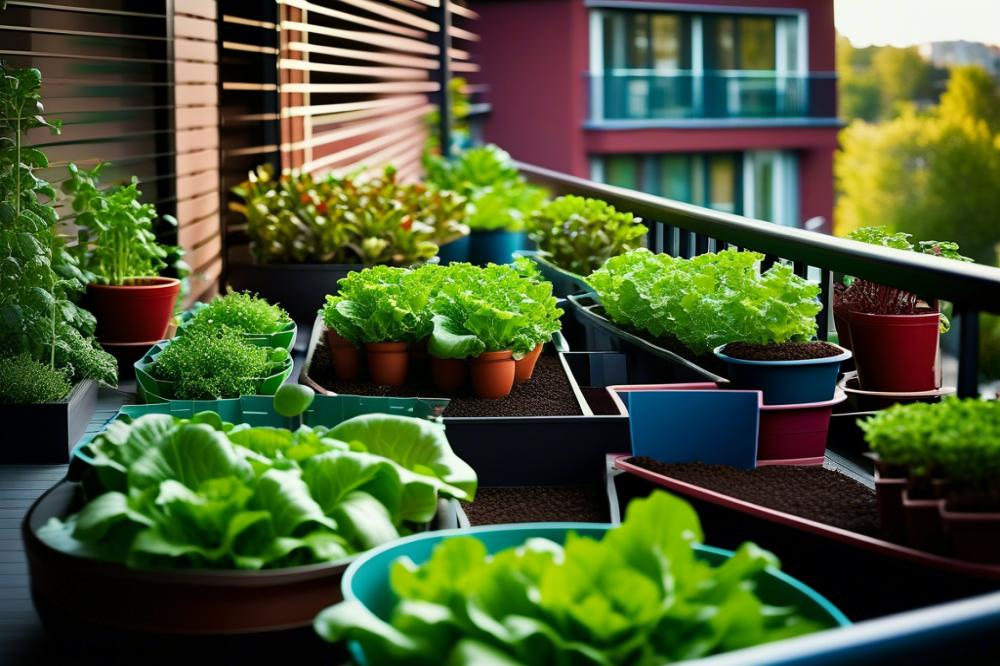
Container gardening is an excellent choice for growing fenugreek. Choose pots with good drainage to prevent waterlogging. A medium-sized container can comfortably accommodate these space-saving plants. Fill it with a mix of potting soil and compost. This provides necessary nutrients while allowing roots to expand. Position the container in a sunny spot, like a balcony or patio, to maximize sunlight exposure.
Tips for Indoor Gardening with Fenugreek
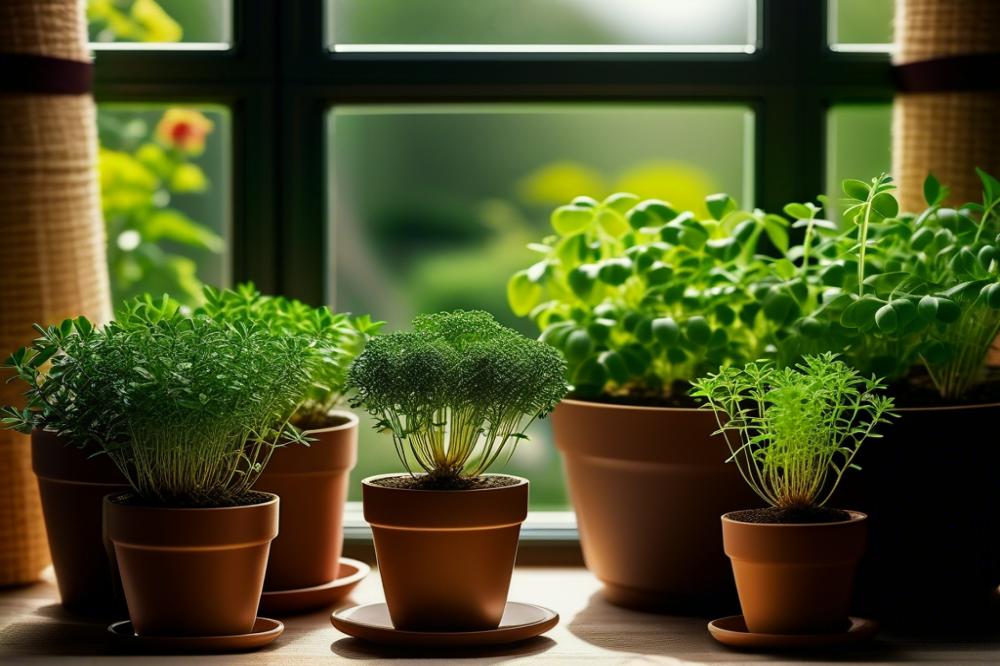
Indoor gardening offers a unique approach to cultivating fenugreek. Start by selecting a sunny windowsill that receives plenty of light. This herb can adapt well to pots placed indoors, making it perfect for small spaces. Regularly harvest leaves. This encourages bushier growth and prolongs the harvesting period. Maintain consistent moisture in the soil while avoiding waterlogging. Fenugreek is easy to grow, making it suitable for beginners as well as seasoned gardeners. Supplementing with a balanced fertilizer every few weeks can enhance growth in contained environments.
Benefits of Growing Fenugreek in Small Spaces
Space-saving plants and their advantages
Fenugreek is an excellent choice for small spaces. It fits well in an herb garden or even in small containers. These space-saving plants maximize the use of available areas. People can easily use balconies, patios, or even window sills for container gardening. This efficiency allows individuals to enjoy gardening, even if they have limited room.
Fenugreek as an easy-to-grow herb
Growing fenugreek is straightforward, making it a favorite among beginner gardeners. The seeds sprout quickly and require minimal care. It thrives in various conditions, whether you are indoors or outside. Regular watering and sunlight are all it needs to flourish. Many find this herb appealing due to its low maintenance and rapid growth.
Benefits of organic gardening with fenugreek
Utilizing fenugreek in organic gardening can enhance health benefits significantly. This herb is packed with nutrients and can be a perfect addition to meals. Organic methods help avoid harmful pesticides. Thus, those who choose to grow fenugreek organically contribute to safer food choices. People can explore fenugreek recipes that utilize fresh, homegrown herbs to enhance flavors and nutrition.
Sustainable gardening practices using fenugreek
Gardening with fenugreek promotes sustainable practices. This plant requires less water than many other herbs, making it eco-friendly. Additionally, growing your own can reduce the need for store-bought herbs, which often come with extra packaging. Incorporating fenugreek into home gardening supports a more sustainable lifestyle. It’s an efficient herb that aligns well with modern ideas on conservation.
Health Benefits of Fenugreek
Nutritional Profile of Fenugreek
Fenugreek is an excellent source of nutrients. It is rich in vitamins, such as A, C, and several B vitamins. This herb also contains important minerals like iron, magnesium, and manganese. The protein content is noteworthy, especially for those on plant-based diets. Additionally, fenugreek seeds are high in fiber, which can aid digestion. Incorporating this nutritious plant into your meals can significantly enhance overall health. In small gardening spaces, you can easily cultivate these seeds.
Medicinal Properties and Health Benefits
Fenugreek offers a range of medicinal properties. It has been used in traditional medicine for centuries. Research indicates it may help regulate blood sugar levels, making it beneficial for diabetics. The anti-inflammatory properties can soothe conditions like arthritis. Furthermore, fenugreek is known for its ability to boost milk production in nursing mothers. Many people find relief from digestive issues by consuming fenugreek. This herb may also support heart health by lowering cholesterol levels.
Incorporating Fenugreek into a Balanced Diet
Finding ways to include fenugreek in your daily meals is simple. Use fresh leaves in salads or sandwiches for added flavor. Cooking with fenugreek seeds can enhance numerous dishes. Try including them in curries, soups, or stews. Additionally, you can make fenugreek tea by steeping the seeds in hot water. This drink is both soothing and refreshing. Many fenugreek recipes offer delightful ways to enjoy this herb. Organic gardening at home allows for a healthy, sustainable option. In container gardening, fenugreek is a fantastic choice for space-saving plants. Indoor gardening can also benefit from this easy-to-grow herb, adding nutrition right to your kitchen.
Fenugreek Recipes for Home Cooking
Many people enjoy using fresh fenugreek in their meals. This herb adds a unique flavor to various dishes. One simple recipe is fenugreek sautéed with vegetables. Start by heating a pan with oil. Add chopped onions, then stir in fresh fenugreek leaves. Cooking it for a few minutes enhances the taste. Serve this alongside rice or flatbreads. It makes a nutritious addition to any meal.
Dried fenugreek is equally versatile. It can be used in spice blends or as a seasoning for meats. Try mixing dried fenugreek with cumin and coriander. This blend works well in stews and curries. Sprinkle some over roasted vegetables for an extra kick. It pairs nicely with potatoes or carrots. Incorporating this spice can easily elevate the flavor of everyday meals.
Enhancing Flavor and Nutrition
Incorporating fenugreek into your home cooking is beneficial for both taste and health. This herb is packed with vitamins and minerals. It aids in digestion and may lower blood sugar levels. Using fenugreek as a garnish adds freshness and color to your plates. Whether you’re practicing organic gardening or container gardening, fresh herbs improve overall meal quality.
For those interested in sustainable gardening, growing fenugreek is a superb choice. It can thrive even in small spaces, like an herb garden on your kitchen counter. Consider mixing fenugreek in smoothies or salads. This addition not only boosts nutrition but also improves the dish’s aroma. From indoor gardening to home gardening, the herb’s easy to grow nature makes it a favorite for many.
Another enjoyable way to use fenugreek is in baking. Incorporate a teaspoon of dried fenugreek into bread or pancake batter. This little twist provides a delightful flavor surprise. The powder can also enhance sauces and dressings. By adding fenugreek to homemade salad dressing, you create a unique taste experience that surprises your guests.
Creating a Home Herb Garden with Fenugreek
Planning an herb garden in limited space
Designing an herb garden in a small area is simple and rewarding. Start by picking a sunny spot, as most herbs enjoy bright light. Containers work well for limited spaces. You can choose pots, window boxes, or even hanging planters. When selecting your herbs, consider choosing easy to grow varieties. Fenugreek makes a great addition due to its aromatic leaves and seeds. Plus, it takes up little room and thrives in various conditions.
Combining fenugreek with other herbs
Mixing fenugreek with other herbs can create a diverse garden. Basil, cilantro, and parsley grow well alongside it. The flavors can enhance your meals, especially in fenugreek recipes. Planting different herbs together can also attract beneficial insects. Make sure to plan your layout for optimal growth. Space-saving plants allow for more variety in smaller areas. Choosing herbs with similar water and light needs can make care easier.
Care and maintenance tips for small herb gardens
Caring for your herb garden doesn’t have to be challenging. Regular watering is essential, but avoid overwatering. Check the soil moisture before adding more water. Feeding your plants with organic gardening methods will promote healthy growth. Using compost is a great way to enrich your soil naturally. Pruning is also important. Trim your herbs regularly to encourage bushiness and prevent them from becoming leggy.
Indoor gardening can also be practical, especially in winter. Fenugreek can grow on a sunny windowsill, bringing fresh herbs to your meals year-round. Simple care tasks, combined with the health benefits of fresh herbs, will make your small garden thrive. Embrace the joys of home gardening, and enjoy the satisfaction of growing your own herbs in any space you have.
Final Thoughts on Growing Fenugreek
In summary, cultivating fenugreek in small spaces offers numerous advantages. This herb is not only easy to care for but also provides a wealth of nutritional benefits. Growing this plant in containers makes it ideal for those with limited outdoor areas. Additionally, fenugreek brings delightful flavors to many dishes, enhancing meals with its unique taste.
Starting your own fenugreek journey can be rewarding. Having fresh ingredients at your fingertips can elevate cooking to a new level. If you’ve never tried growing herbs before,now is the perfect time to start. The excitement of tending to your little herb garden can be both satisfying and enjoyable.
Container gardening opens up new possibilities for urban dwellers and those with modest backyards. With just a few pots, anyone can create a thriving green space. Fenugreek serves as an excellent introduction to herb gardening, showcasing how simple it can be to connect with nature.
Lastly, embracing the idea of growing your own food supports sustainability. Taking part in food cultivation contributes positively to the environment. So, roll up your sleeves and give fenugreek a try; your taste buds and the planet will thank you.